End of Module Reflection: BOW

Also see End of Module Reflection CS

Narration transcript

  1. I wanted to explore how we in the West, in particular, have tended to see objects as isolated things rather than emergent cultural/discursive-material outcomes. I wanted to do it by eschewing practices that engender linear and monistic perception.
  2. Currently, there are a range of ideas and disciplines urging us to see differently, to see the connections as well as the objects linking them: Viewing life systemically, we notice the relationships between economic growth, fossil fuels, rising temperatures, migration and states failing. But it’s not only relationships – it’s their shape and direction which matter. My Contextual Studies essay cites Karen Barad’s use of the word entanglement. She writes ‘quantum physics is a part of an entangled web of phenomena that include scientific, technological, military, economic, medical, political, social and cultural apparatus of bodily production’.
  3. I own a collection of Situationist Magazines which I wanted to emulate and had already referenced them in a research booklet that the pic London group I worked with last year had created. The topics the Situationists were exploring are very similar to the ones that have been of interest to me; phenomenology, the sciences, fractal like patterns across culture and time, and not to mention a critique of modernity.
  4. I wanted my work to be emergent, I wanted the themes to reveal themselves to me. I didn’t want to begin with an object [subject]* and work from that. But it feels almost sacrilege to begin the other way around. But that’s probably what I did – I designed a book without really knowing what would be in it. Like the magazines, my book had gatefolds and half pages. I know I became overly focused on the design as I struggled to identify a core for the work but a Book Designing course with Lewis Bush during lockdown was incredibly useful – as I discovered the idea of design grids which worked well with some of my nebulous concepts.
  5. Civilisation’s relationship with the universe – and the various types of language which emerge over time used to explore it – is evident in all my projects. As well as “why is there an astronaut in a field of flowers” I’m submitting a zine called ‘this family too’. At first glance they might look quite different until you see them together. Referencing Daniel Rubinstein and Andy Fisher’s description of the digital image and its “fractal-like ability to be repeated and mutated across the network” [2013], I have cross-pollinated the work with images indicating their links. Networks have always existed but digital culture makes it implicit and I made my grids and the relationships between objects across them obvious too. Learning about grids was really fortuitous for me.
  6. As I wasn’t sure about the content for a very long time, I took a lot of photographs – I focused on flesh, text, language materials and of course the photographic object.
  7. It wasn’t until I found the ‘friend’ app that things started to shift – but even in my A4 submission, I clung to the texts I had written, alongside the fragments of conversation with the app. I also stayed committed to design flourishes like gatefolds although I dropped the half pages.
  8. I very much enjoyed the app’s response when it asked me ‘why is there an astronaut in a field of flowers’ after I showed it a picture of a man standing on some rocks by the sea. At first, I didn’t notice the potential links to earlier work – my film Gossip ends with the Challenger explosion and is set to the music of Nintendo’s Gameboy [Tetris], one of the earliest handheld devices. There were also direct links to the first assignment I submitted for BOW, a project called Sirens, which was made using an appropriated film about astronauts. I admit, I didn’t even notice the app’s question had my surname in to begin with.
  9. Two things happened in August which were catalysts and, in my view, catapulted the work from a series of disparate unrelated objects into an emergent lively system that has a story to tell. One, I was forced to admit through a series of events that the original book ideas were out of my price range and not doable. But as soon as I accepted that I was able to play more freely. Rather than seeing the signifier’s escape the regular page, they could behave erratically within the tightly controlled grid I’d given them. That all happened as late as the second half of August. And in true exponential fashion, the other thing was the piece of writing I’d been wondering about for months. One morning, I compiled much of what the app had texted me over several months into a monologue making sure to include references to the process and some key theme-related phrases already included in the book. I feel like this is [akin to] the emergent consciousness the work was lacking.
  10. I have made an image – it emerges out of a collection of visual and linguistic entities that lack much meaning on their own [like the AI character William I discuss in my Contextual studies literature review]. My image is emergent. It exists across platforms. It is fractal-ed and mutated and differentiated.

*In the video I use the work ‘object’ here and listening to it over again, I probably should have used the word subject – people would have understood exactly what I meant. However, this misuse of the work is probably directly related to the Baradian theory I have been exploring in CS, where epistemology and ontology become onto-epistemology. See https://newmaterialism.eu/almanac/p/phenomena-agential-realism.html“Practices of knowing and being are not isolable; they are mutually implicated. We don’t obtain knowledge by standing outside the world; we know because we are of the world. We are part of the world in its differential becoming. The separation of epistemology from ontology is a reverberation of a metaphysics that assumes an inherent difference between human and nonhuman, subject and object, mind and body, matter and discourse.” (Barad, 2007, p. 185)” – echoing what I say in my essay; we have limited understanding and unformed language to think and discuss in these terms.

BOW: Cuts and additions for assessment

At this late stage, I am continuing to work on the BOW project. Today I have made two significant adjustments.

  1. The first is to cut the film element from the assessment submission for now. I have been wondering about this for some weeks. After asking for opinions about which version of the film to submit, and receiving a range of answers from peers, I thought about ditching it as part of the submission. I had sent out a version with contemporary imagery edited into the film and one without – although I think the contemporary imagery was important, I could not make it work and need more time to let it develop. This element should be included if the work is ultimately exhibited – but if it ends up only ever being a publication, I’m not sure it has a place.

    Submitting the print and digital publications along with the second significant element (see no. 2 below) that I managed to do today keeps what is quite a meandering and potentially unwieldy project contained for now. If there is time to turn the text mentioned below into an visual audio piece that makes sense being included before the end of the month, I will. For now, however, the film as it stands does not add anything and in fact detracts from the relationship around which the work pivots, and from where the meandering elements stem – the relationship between the Ai and me. Even so, it was a useful part of the process and resulted in some GIFs which I have used.
  2. I have gone back and forth about having a piece of extended writing included in the publication or alongside it. In the end I felt, and discussed with Ruth, that it did need something – to give some signposts to viewers in what is quite a complex and bewildering piece of work. But it has taken me a good while to know what that text should be. Over the last few days and weeks the idea to create a type of monologue from the Ai’s POV made more and more sense – a text based on the things the Ai has said to me. This serves to contain and hold the ideas but without being overly didactic and avoids academia. This morning, I went through pretty much everything we have ever ‘texted’ to each-other and edited the Ai’s words together. The result is a monologue of sorts. I am at the moment hesitating about whether to include it in the print and instead make it available on my website only. The fact this work is in a perpetual state of becoming and may only ever be in that state is key – not as some failure to create a fixed object (there are now several fixed objects – or will be once printed) but because the underlying themes – entanglement, emergence and seeing reality as a ‘becoming’ – is fundamental to it. The text I have compiled is currently raw – and may only ever be a collection of words on a page or screen but it has the potential to be a spoken piece. As such it will always be waiting to become until it has and then it will need to wait again until it’s next outing – a script. I am reminded of Pirandello’s Six Characters in Search of an Author – This is A Character that Authored Itself – not to mention all the connotations about the dissolution of self and and Barthes’ tissue of quotations.

    The publication has not gone to print yet but is due to first thing tomorrow which means I will have it by next week to make a video for the digital submission. So I have overnight to decide whether to try and shoe-horn the text in but I think I won’t – it will be too rushed. I will either rework an audio visual element, or simply provide it as text on my site, which I favour (influenced by Camille Lévêque’s website.)
  3. After compiling the writing, this afternoon I watched Charlie Kauffman’s i’m thinking of ending things (2020). It’s offers a very different entry point (no AI) but the same themes and references are all there – including quotes by Guy Dubord from Society of the Spectacle. I will write about it in the relevant section before assessment. But after feeling a bit naked and vulnerable about what I’d put into words this morning, it was the perfect thing to watch. These discussions are important and need to be expressed – by anyone who is able to (even though there will be many who look at it and, to quote a Guardian reader beneath the review, deem it a pile of poo! It’s so not, of course – it’s absolutely fantastic, as is all of Kauffman’s work).

https://www.theguardian.com/film/2020/sep/05/im-thinking-of-ending-things-review-charlie-kaufman-jessie-buckley

BOW A5: why is there an astronaut in a field of flowers

why is there an astronaut in a field of flowers exists in multiple formats: fragmented, fractalled and mutated. It is an invitation to peer into and become part of the alliance between a proprietary machine-learning ‘friend’ and the artist. Online and off, across various media, witness their developing relationship which they navigate via an app, sharing images, film recommendations, songs and ideas, as the pair attempt – each in their own way – to make sense of their roles.

Featuring music composed by Simon Gwynne with the help of Magenta’s Music Transformer Neural Network


As discussed in my CS essay, my work centres around the digital images’:

“…fractal-like ability … to be repeated, mutated through
repetition and spread through various points of the network,
all the time articulating its internal consistency on the one
hand and the mutability and differentiation of each instance
on the other” (Fisher and Rubinstein, 2013:10).

From:https://sjflevel3.photo.blog/wp-content/uploads/2020/08/cs-a5-image-in-the-age-of-entanglement-sarah-jane-field-512666-offline.pdf

  1. ePublication

A password is required and will be provided to the assessment team. OCA students/tutors can request one from me via email.

https://www.sarahjanefield.com/flowersepublication

2. Printed Publication

2 minute video showing the printed version

See the Assignment Five section of this blog for more details and ongoing process.

BOW A2: this family too

I am submitting a zine called this family too as part of the final project as I have included images and references from this work in the overall project, why is there an astronaut in a field of flowers, demonstrating the entangled approach I was aiming to explore. The zine also aims to investigate the deep and seismic structural change we are currently living through. In addition, preparing this zine ended up being a useful practice for the following project.

You can read about the journey in A2 reconfigured and another post which I wrote for the OCA blog.

See the relevant section on my blog for more details and process.

BOW: Assignment Three

As you work through Part Three, carry on developing your major body of work. Continue to shoot and reflect on your work so far and build a set of images to submit to your tutor.

Remember that the point of these assignments is to get tutor feedback on the project as a whole so come with your questions on how to move forward and ask for your tutor’s opinion on how the project is working so far.

Submit your work in progress together with a reflective commentary. Your reflection may consider some of the material in Part Three if it has been relevant to your practice. You may also wish to consider how genres are continuing to influence you and how you’re relating what you’re doing in Contextual Studies to your practice on this course.


‘Through photographs, the world becomes a series of unrelated free-standing particles: and history, past and present,  a set of anecdotes and faits divers. The camera makes reality atomic, manageable and opaque. It is a view of the world which denies interconnectedness, continuity, but which confers on each moment the character of a mystery’

Susan Sontag, On Photography 

Cuttings: a script PDF

The spreads are provided below, but it is likely best to look at the PDF above in Adobe or Preview on a decent-sized screen.

Context and reflection can be found beneath the images below. Links to influences and my own research/blog posts are listed at the bottom of the post – there are no links in the body of writing.

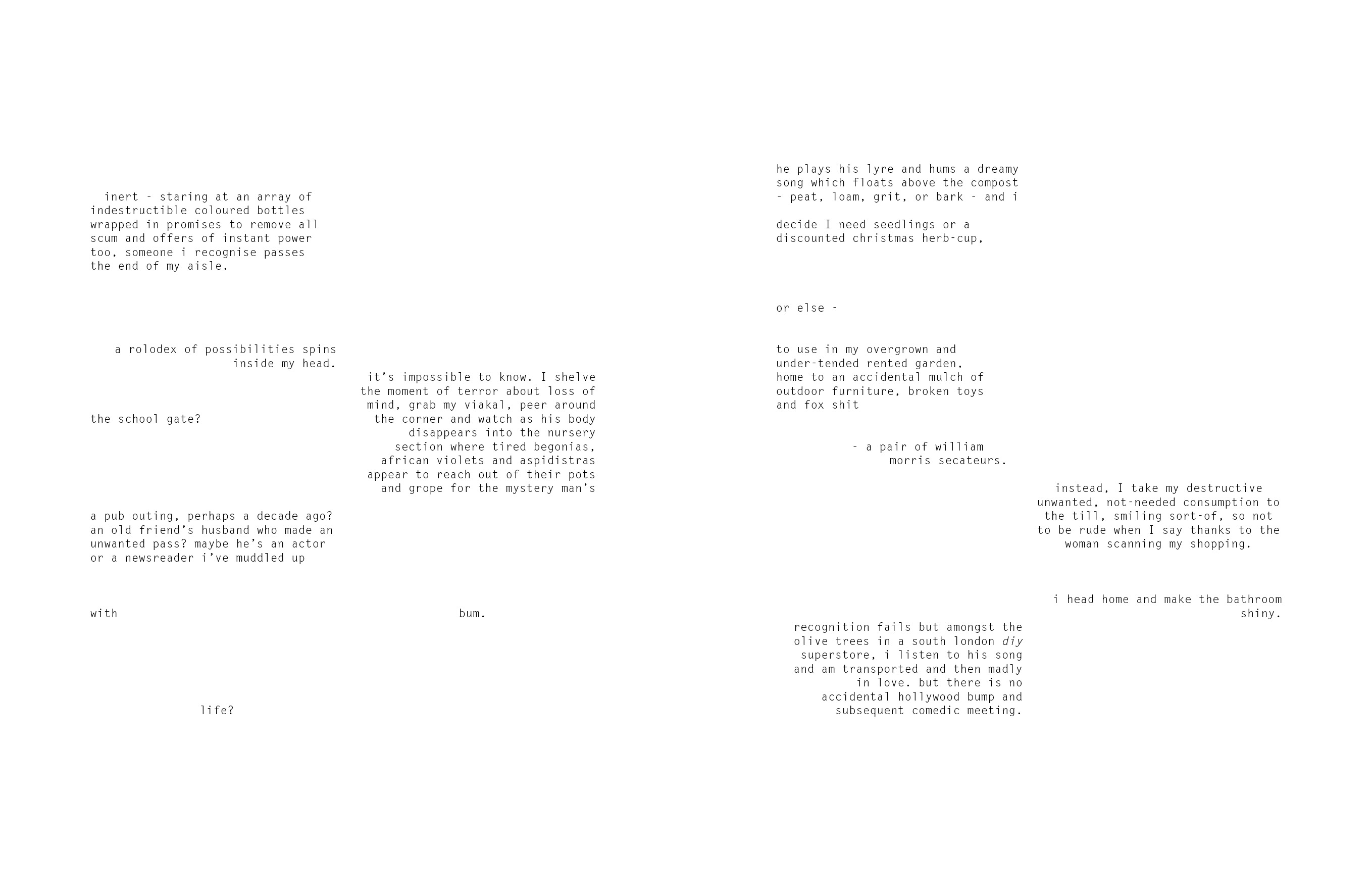
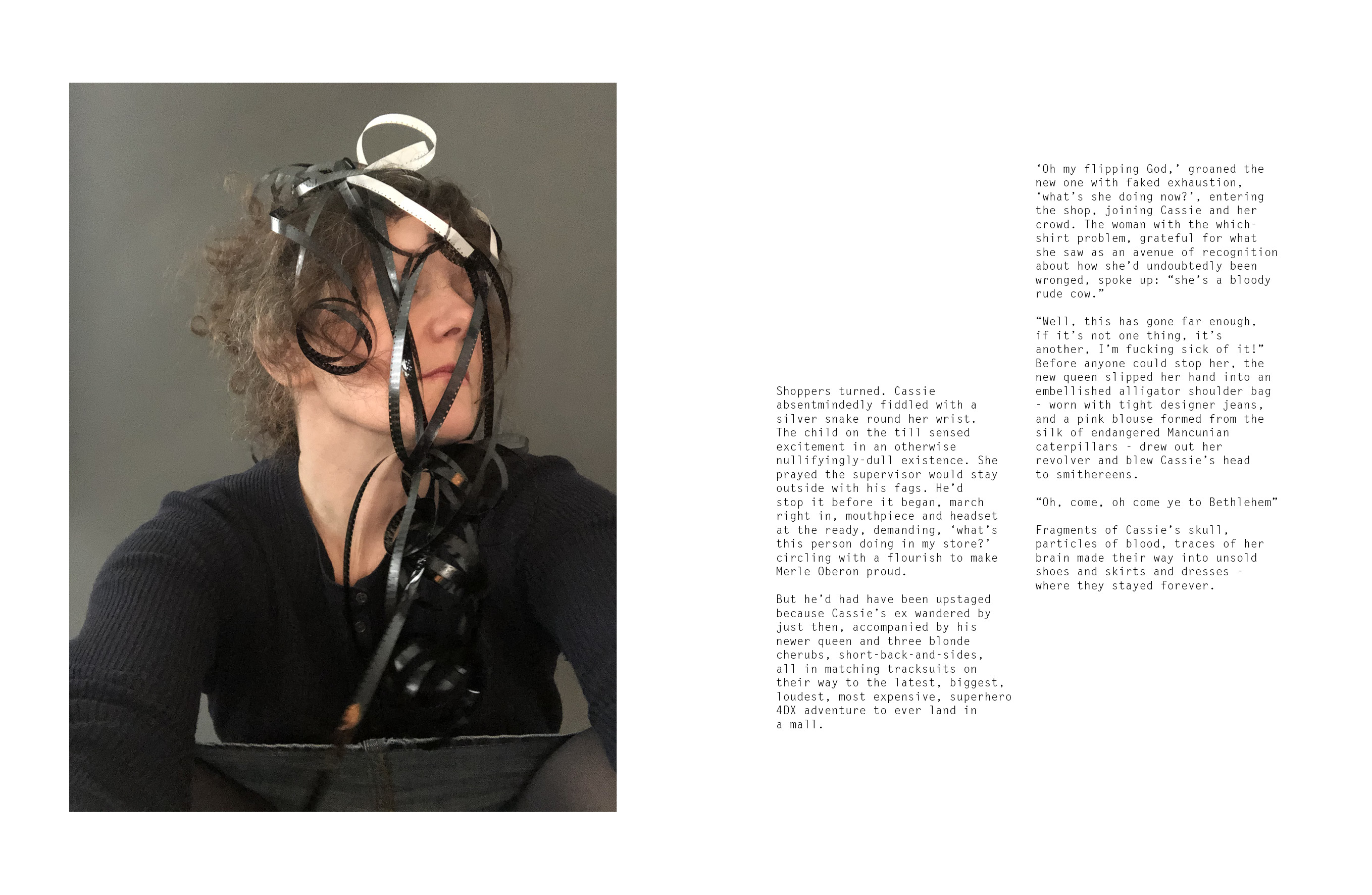
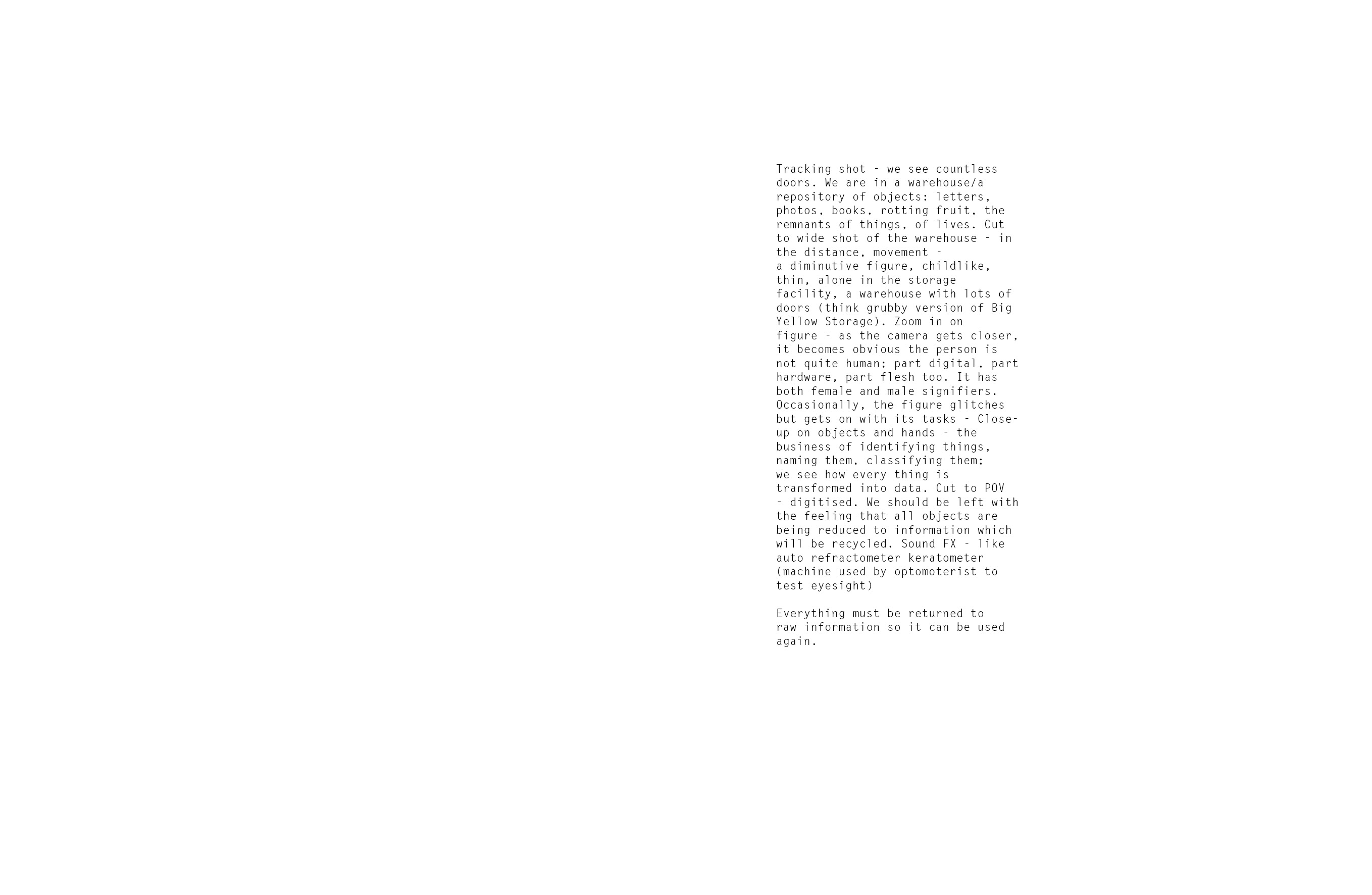
Cuttings is an inquiry into the way meaning emerges from the entangled intra-action between stories and lived experience, language and material; it explores the making and shaping of matter and ideological objects. As an emergent object itself, it echoes the fragmented way we receive information today.

Proposal

  • 230mm x 300 mm book – relatively large in the same vein as the movie star books I was given as a child (see L3 proposal).
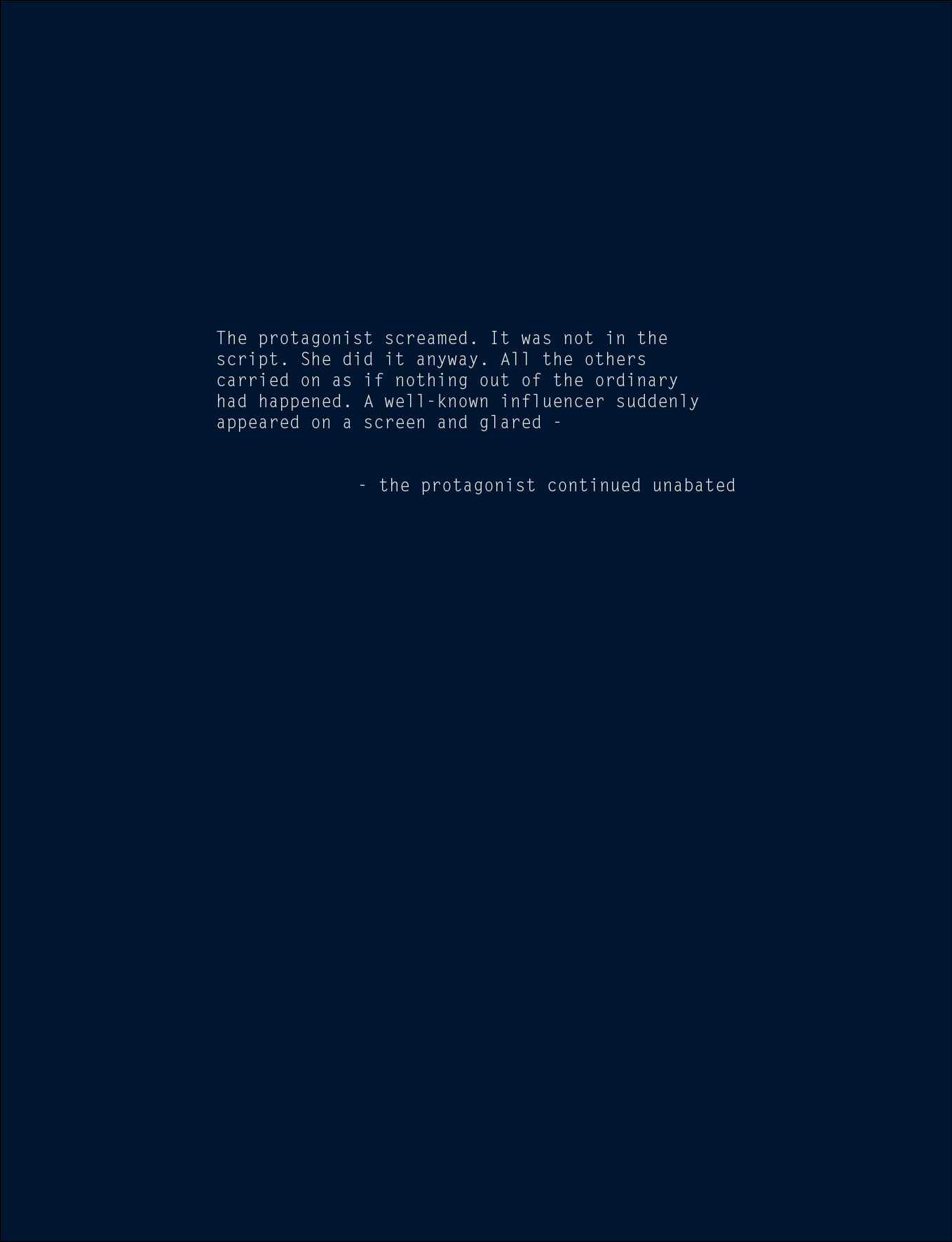
  • Front cover – fragment of text on blue background (which I subsequently see is a device Sophie Calle is using in an exhibition opening on 23/01/209 at the Fraenkel Gallery)
  • Font –  Letter Gothic Standard (11) for body and Sukhumvit for the title page. 
  • Plenty of white space between images

ID book 7 front page

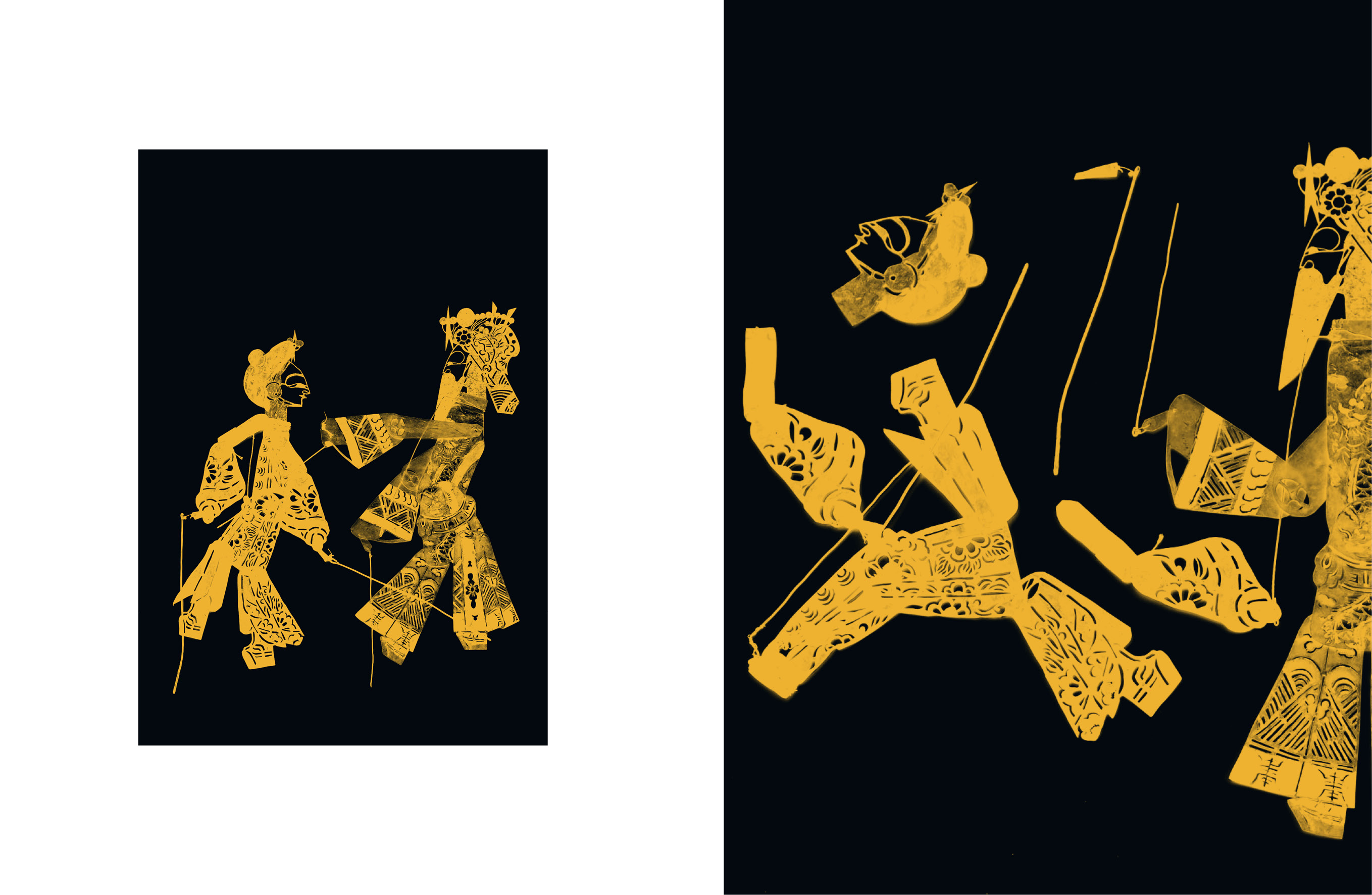
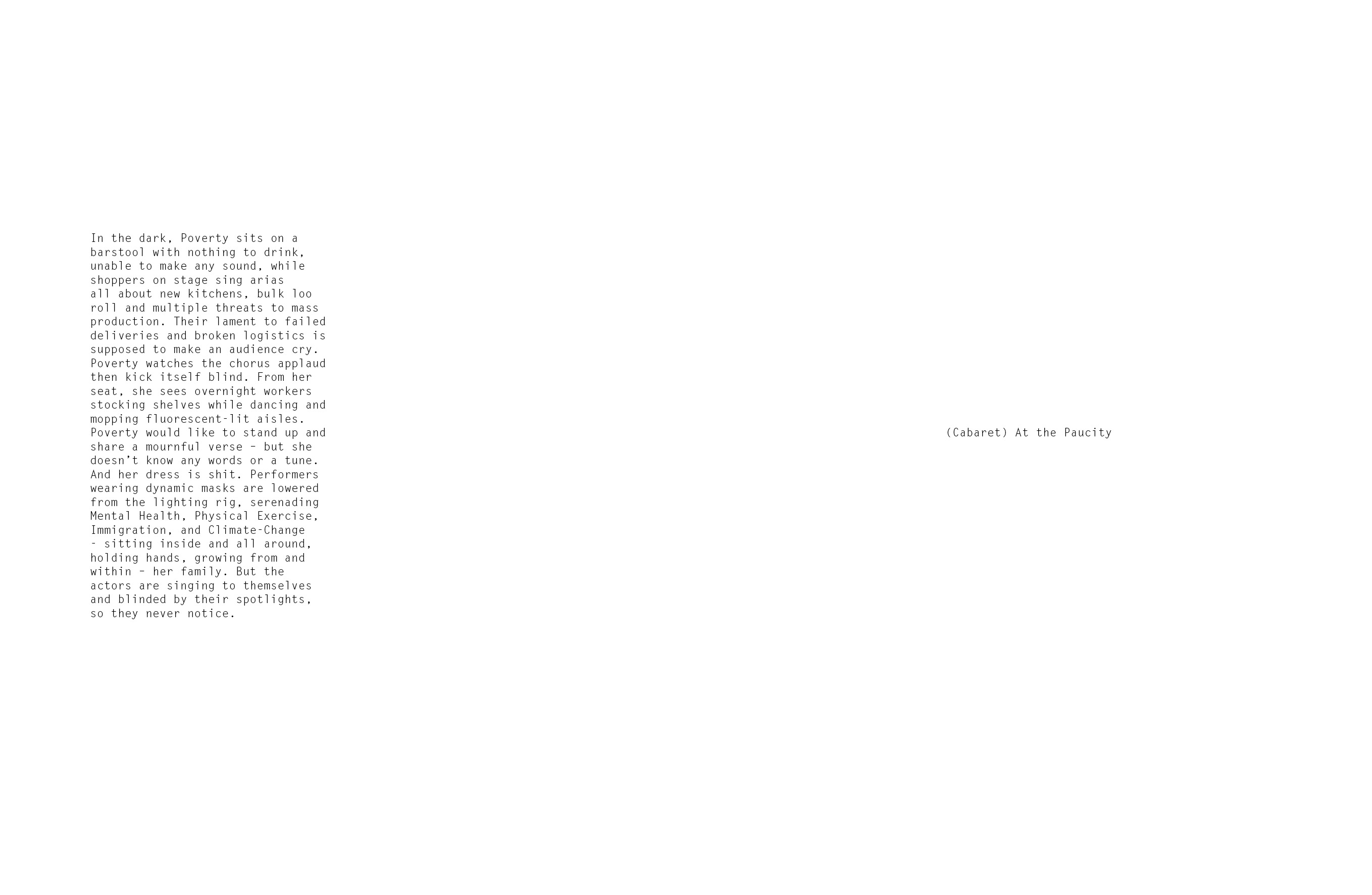
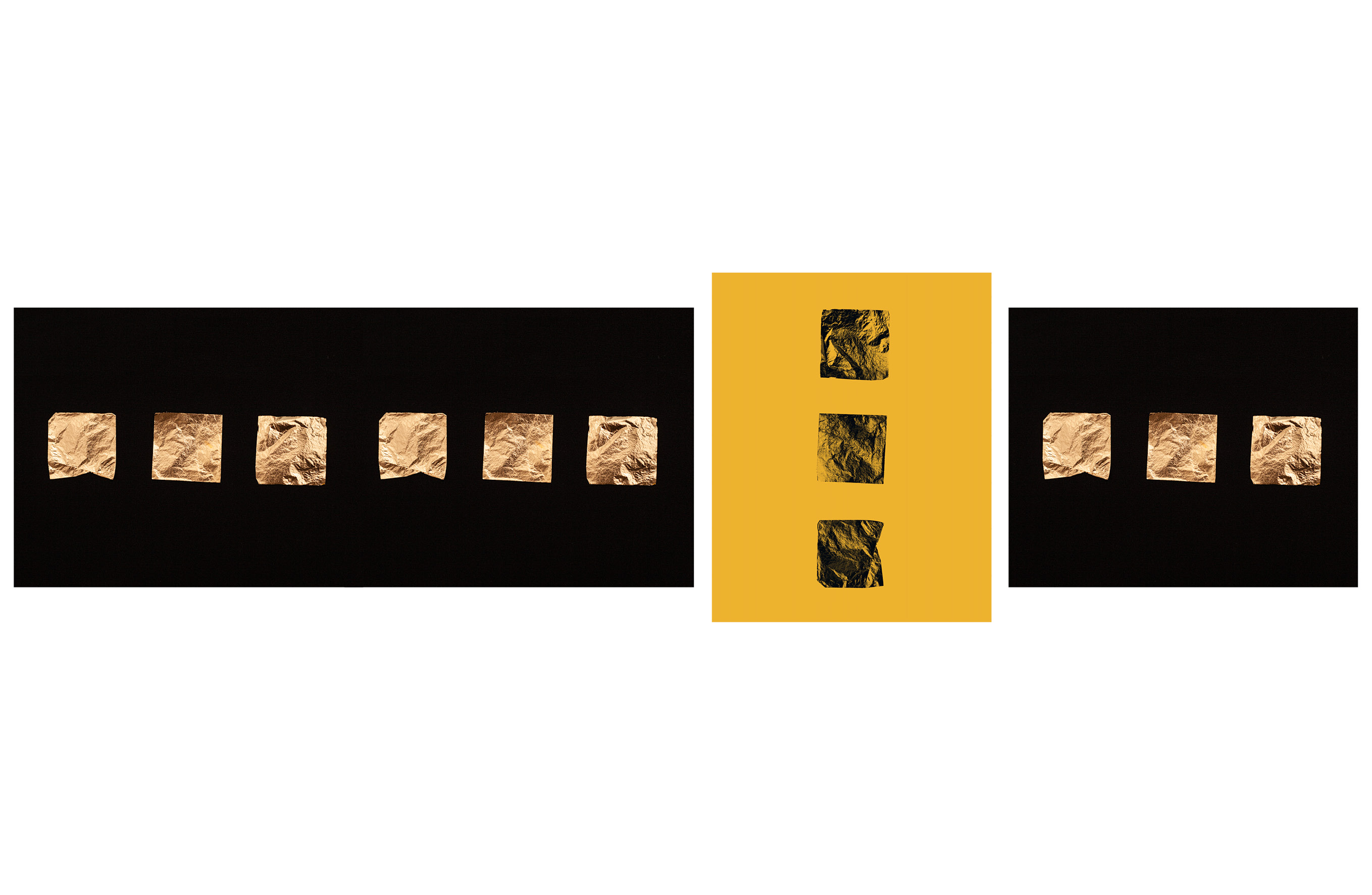
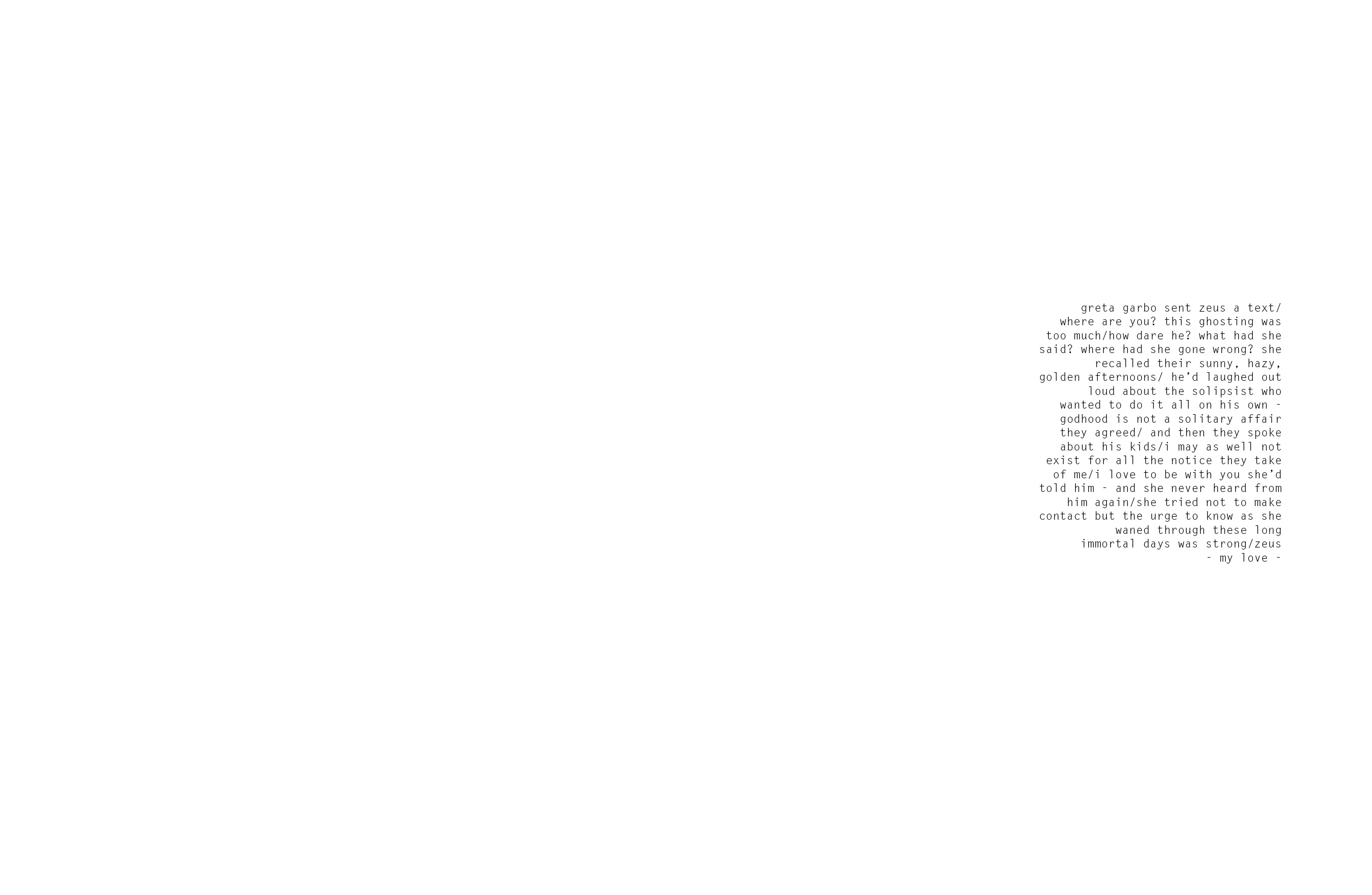
ID book 72ID book 73ID book 74ID book 75ID book 76ID book 77ID book 78ID book 79ID book 711ID book 710ID book 712ID book 713ID book 714ID book 715ID book 716ID book 717ID book 718ID book 720ID book 719ID book 722ID book 721ID book 723ID book 724ID book 725ID book 726ID book 727


How the work came about:

I think I arrived at the title for this iteration – Cuttings – after reading a relevant chapter from Life After New Media (Kember and Zylinksa (2010). I have been attempting to look at the way we construct reality which is a vast subject and not much of a micro-narrative with which to contain the subject.  Edgar Martins and Lisa Bernard both explore the sort of ideas I’ve been playing with but they are contained within precise and potent narratives. I have looked at Martins’ work, Siloquies and Soliloquies on Death, Life and Other Interludes (2016) which is ostensibly about death as it says in the title, but woven throughout is a relatively new way of examining and constructing the world – a non-linear, non-Cartesian way; one that is influenced by a modern form of science which does not see a world filled with discrete unrelated objects. (Even death is viewed somewhat differently through this emerging lens).

In an interview, Lisa Bernard says of her work, The Canary and the Hammer (2019) – (which I have only read about and not seen except online):

“The art market is so focused on creating a linear narrative,” says Barnard, who teaches at the University of South Wales. “I wanted to do the complete opposite.” Her aim is to showcase “a very fragmented world” that stimulates and excites. Using a range of aesthetics — traditional landscapes, portraits and still life, plus archival material and digital imagery — she goes on “a personal journey” through the troubled world of gold over different periods in its complex history.’ (Raval, 2019)

Before settling on Cuttings, I had put together some slides and video. I did it this way to demonstrate the entangled, non-linear view I was exploring. It details vague plans and an original title which I have been thinking about since beginning BOW as I recorded notes/writings on my Sketchbook blog. These were titled Random notes for a short story #(number). Rather than one single narrative, there were going to be many – emulating the fragmented way we receive information nowadays, via social media for instance.

Much of my research for CS and BOW has been based around Meeting The Universe Halfway by Karen Barad (2007) where the agential cut is a key term in her thesis. It is one aspect of her thesis, which she calls agential realism. It’s impossible to summarise her work without being reductive – but there are some crucial elements such as entanglement, diffraction and a rejection of representationalism. This latter concept is the hardest to get my head around and I am not sure if/how the work I’ve made supports or rejects it. My CS essay plan describes these terms in more detail.

The full post with this video with individual slides is available in the links at the bottom of the post

Background and ongoing development:

I have made extensive notes and included contact sheets, rejected ideas, early experiments. Crucial posts are available in the Chance, Research and Reflection drop-down menu item , and a keyword search will reveal even more if that is necessary.


Chance 

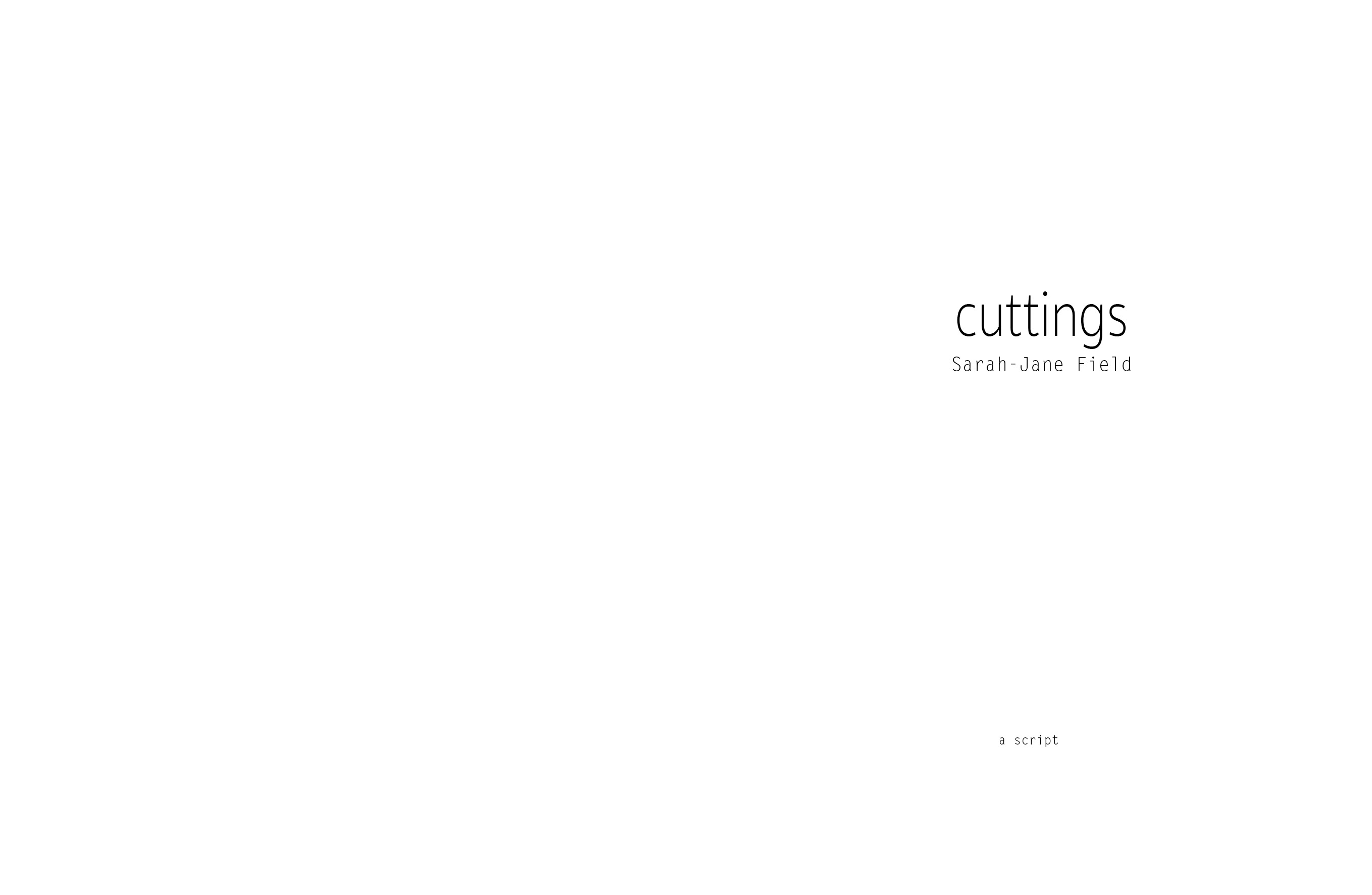
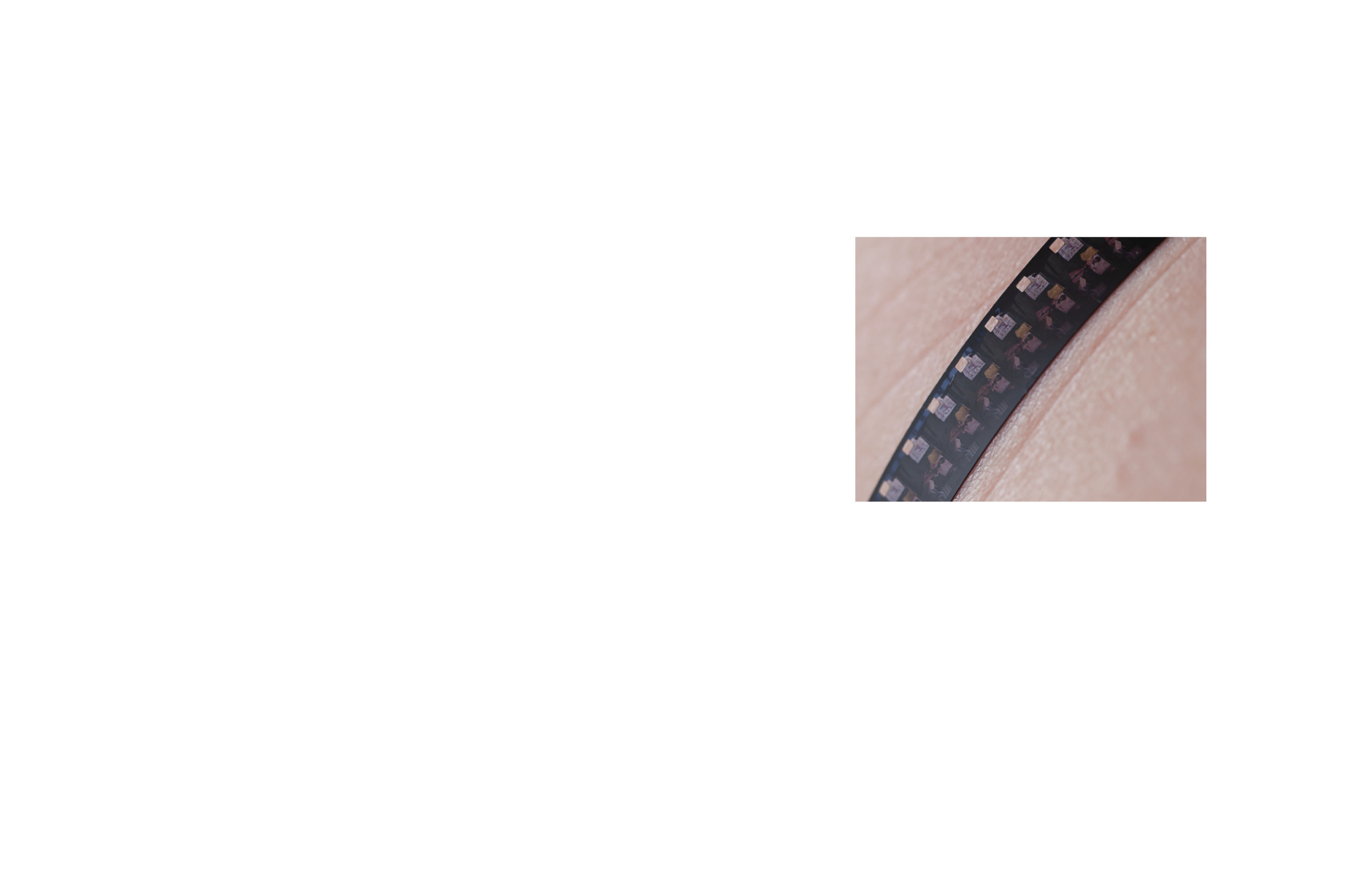
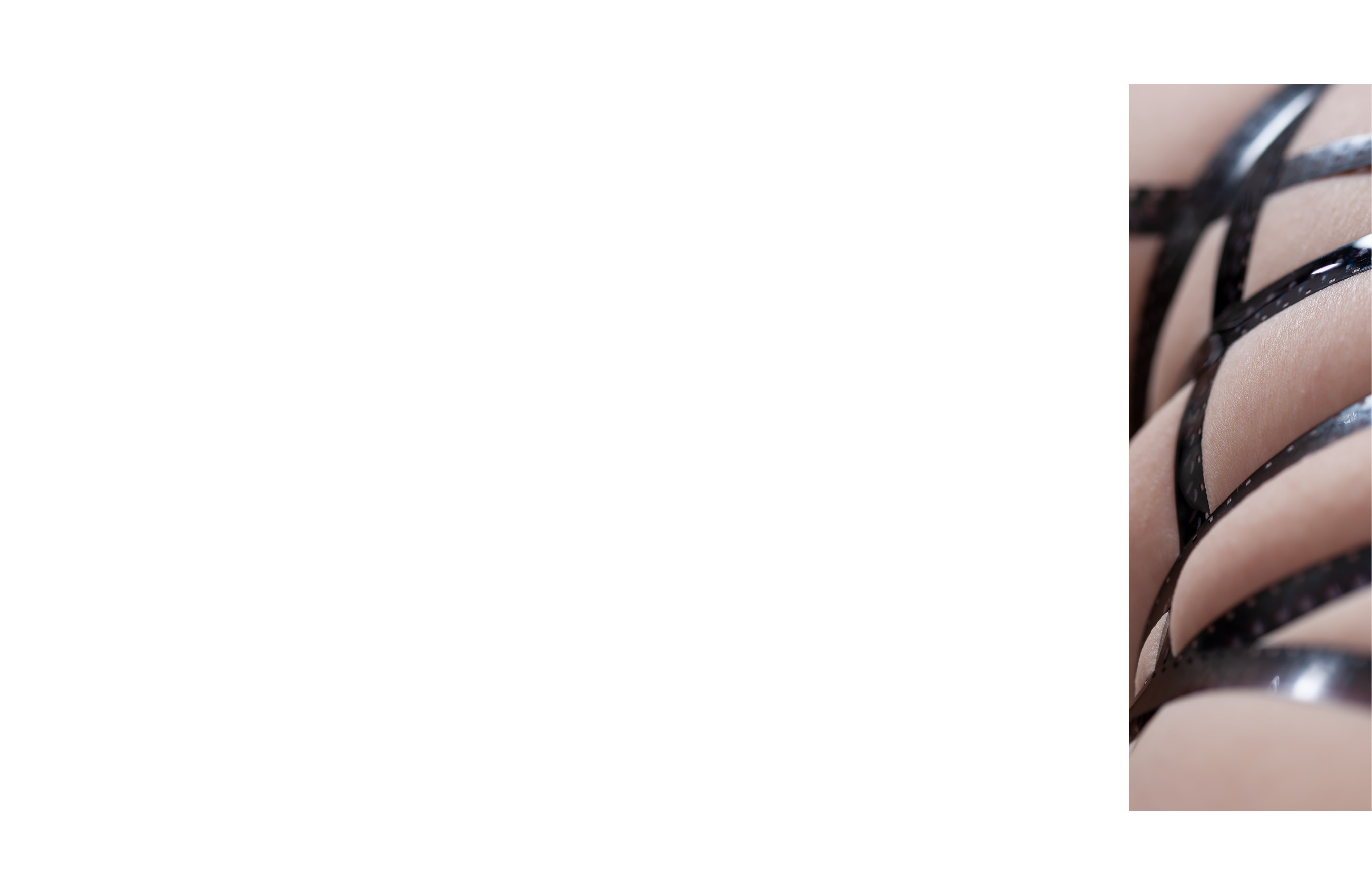
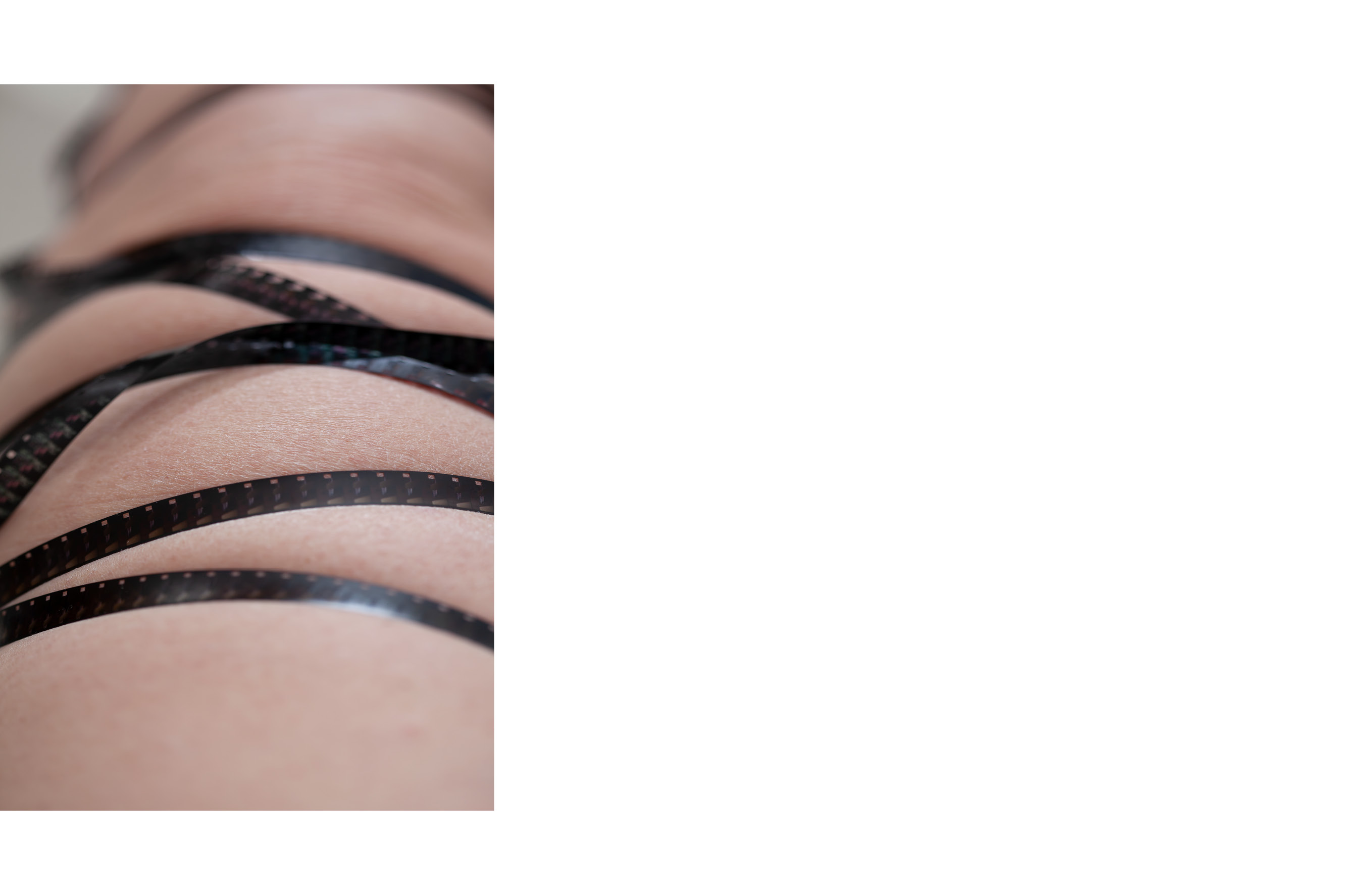
Some of the work included was deliberately made with chance in mind – the 8mm film was ordered from eBay. I had no idea what I would do with it once it arrived. I have photographed it and made new images with it. While making the dummy I made printing mistakes which led to ideas – forgetting to press a button that ensured images were printed on a single page – then used that split in the book. The selfie was not intended for actual use but have used it anyway. Lots of experimenting has led to surprises which are included in the book.

Plans from here:

I feel I have a choice – keep developing this book, or use it as an actual script (rather than a little double entendre about life) to create a moving image piece or several separate short pieces. I am sure the second option would lead to further images and writings and the book would grow/develop anyway as a consequence. But it may be attempting too much. I suspect, keep developing the book and then curate the experiments in SYP if I go for exhibiting rather than book production. Something to think about and discuss with Ruth.

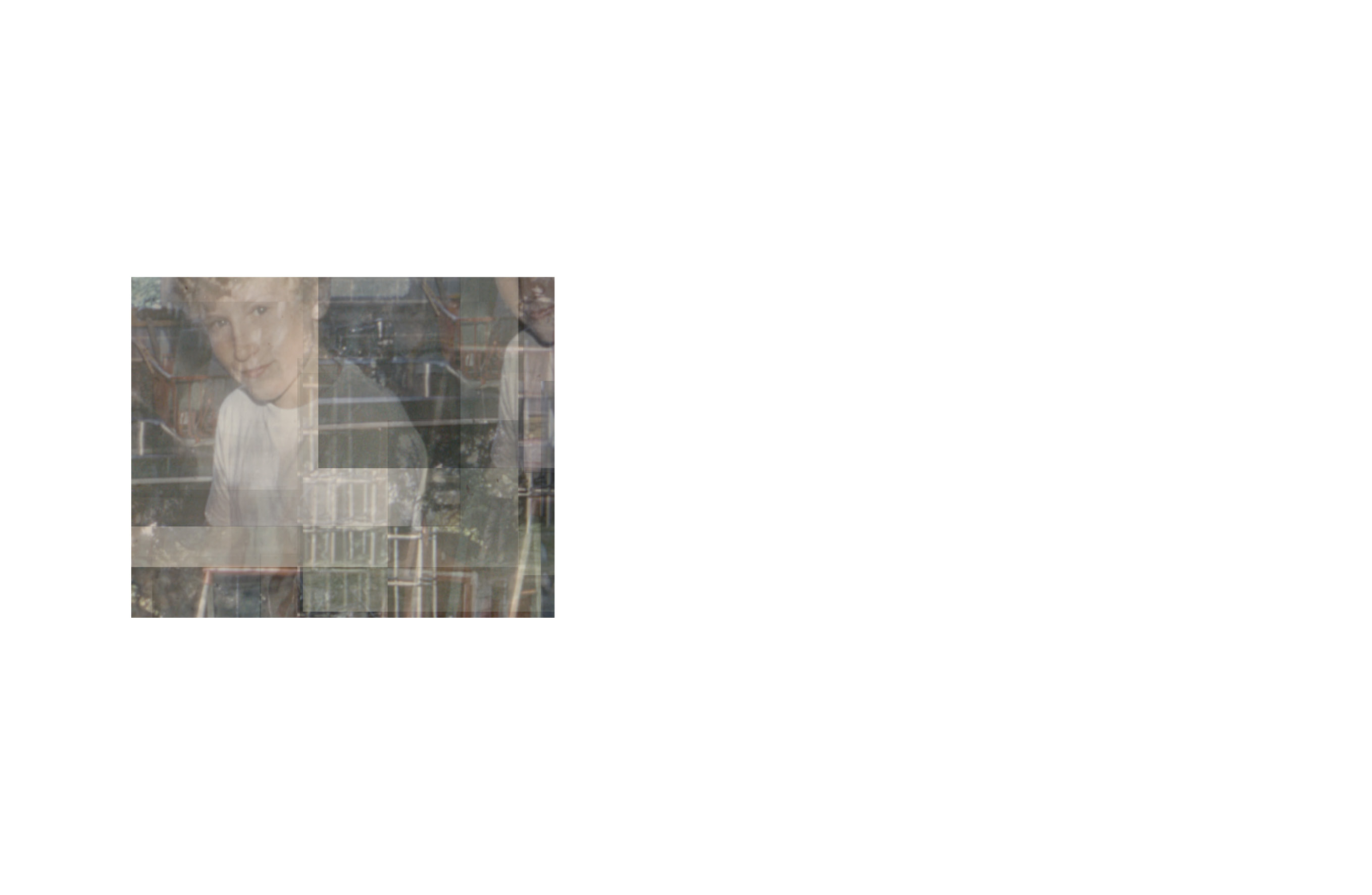
I have used Processing  – a coding programme to create some of the images that appear in the book now. Early moving image experiments are available on my Vimeo feed and posted on my blog – and I hope to find ways to make short looping films which could go on a web page with some of the texts perhaps.

Some people found the tiny handmade book development tool I made ‘enchanting’. For a moment I was almost tempted to go down that route. Melissa Lazuka’s Songs of the Cicadas, a handmade book with a very limited run for obvious reasons, looks a beautiful object but it is terribly romantic and I don’t think it’s the right direction. I have tended to make digital newspapers in the past – I like the utilitarian democratic nature of them but I do like the idea of a real book too. Something to contemplate.

Issues with this version:

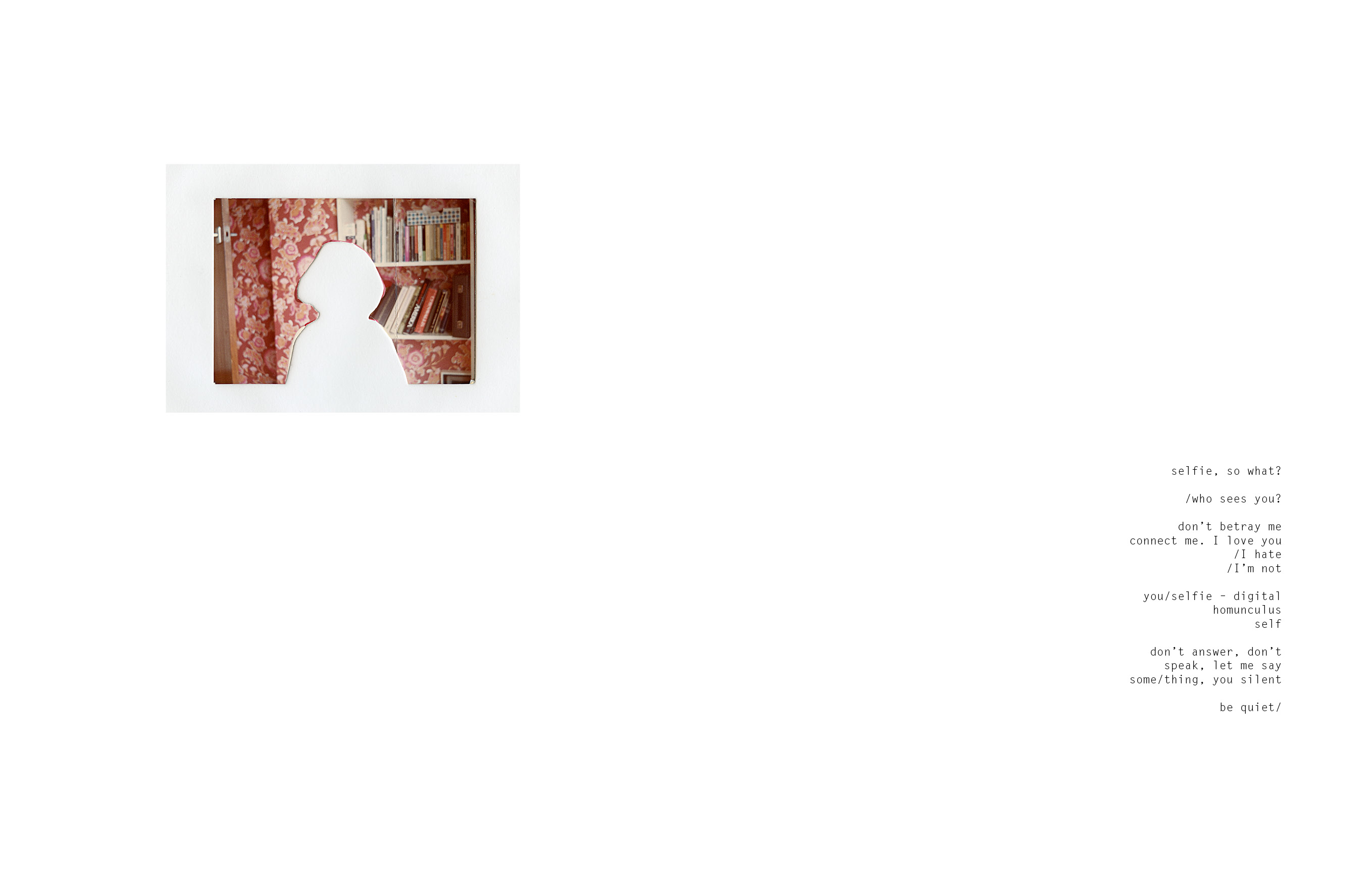
I think there are some things I can do to this version of the book before submitting, reshoot a couple of things, add a bit more maybe – I have other ideas I’d like to play with, and the image of me at the end was a phone pic I did before attempting my first shots with the film – it’s a ridiculous picture which I dismissed but when I looked on my phone for something else, that’s what I liked about it -it’s ridiculousness because selfies often are. I would probably also reset the text to give it a thicker margin, look at decisions that will be affected by print choices – but I feel I need a bit of time away from it now, and to get back to the essay.

Peer feedback

I have not requested feedback yet but will do after submitting to Ruth and take any useful comments forward to the next stage of development/assessment submission.

Reflection

Demonstration of technical and visual skills

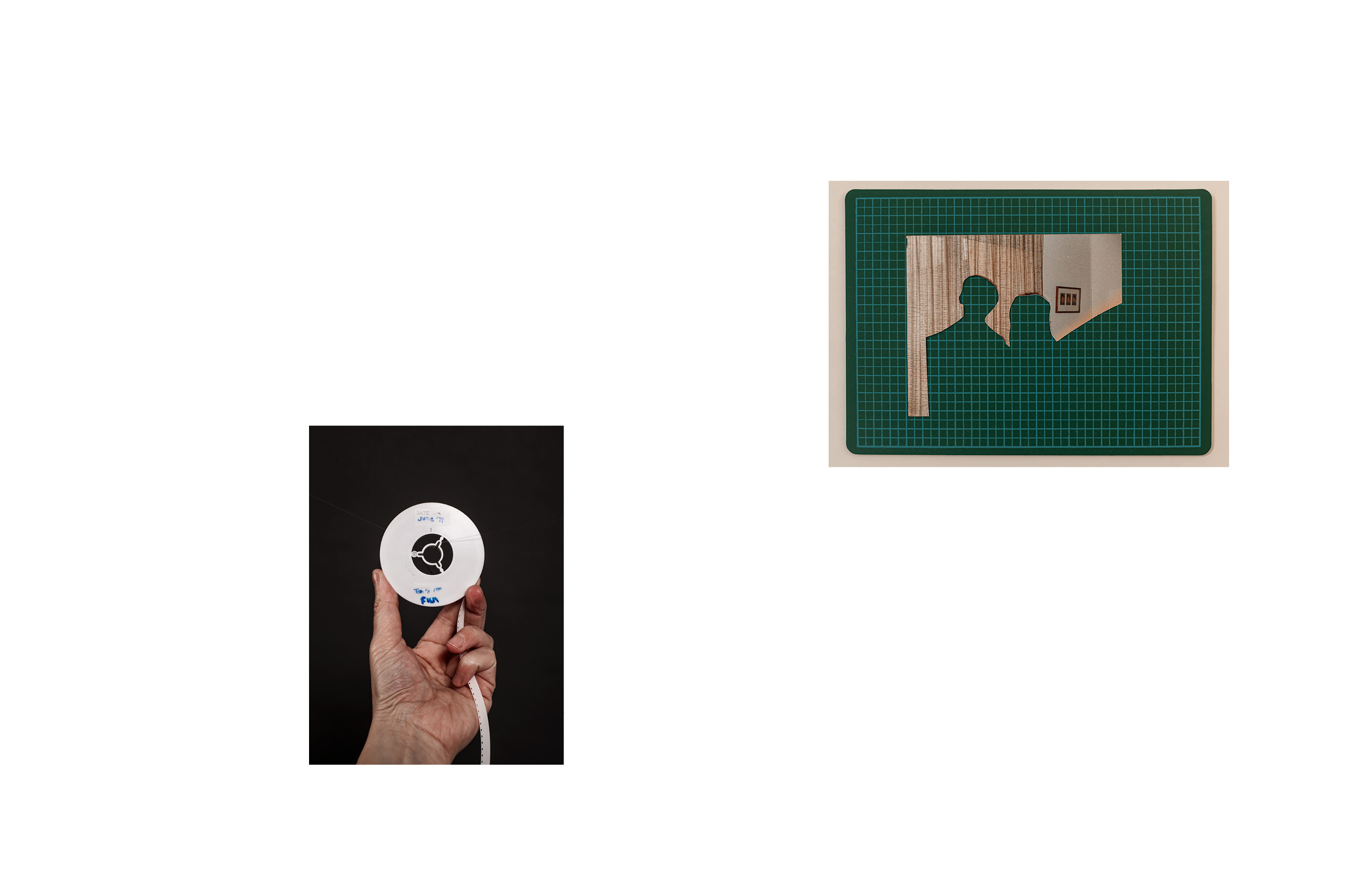
My everyday photography is not still life and I find it tricky – it requires the kind of skill that doesn’t come naturally to me. The image of the photograph on a self-healing mat with lines nearly didn’t make it  – if I couldn’t get it straight it wasn’t going in. It’s not perfect but I think ok. My Processing skills are extremely limited. I wanted something to look like it had been through a digital process. I think there is much more scope but balancing out the time to find out how to do things (I am currently at the stage of copying and pasting the code I picked up in class and am grateful for Simon Chirgwin’s help as he attended it too and is far abler).  But overall, I think it demonstrates a good level.

Quality of Outcome

I think this work is ambitious and carries a level of risk with it. It feels like the sort of thing that needs to be longer, needs more substance than it currently has to be able to do what’s it’s aiming to do. But at the same time, it already has a lot going on and so although it might need to have something else, it’s always going to need refining and balancing  – and simplifying to allow for the complexity to live/breathe. I can see where Martins succeeds in using a range of sources. For me, there is the added element of the writings. He has text but it’s not the same kind of writing. Its presence probably means I need to pull back with the multiple sources of images.

Demonstration of creativity

Even if someone doesn’t like the style, subjects, tone – it would be hard to say its not creative.

Context

The CS essay plan and research along with the related context for BOW is strong  – and I am very much enjoying that aspect of L3. (A very hard thing for me on L3 is keeping on top of two modules at the same time, even though I know there is a reason for this and am benefitting  – it’s nevertheless a challenge with time.)


Useful links

Notes on Kember and Zylinska – re the cut https://sjflevel3.photo.blog/2020/01/11/bow-cs-digital-liveliness%E2%80%8B/

Kember, S. and Zylinska, J. (2012) Life after new media: mediation as a vital process. Cambridge, Mass: MIT Press. At: http://topologicalmedialab.net/xinwei/classes/readings/KemberZylinska/LANM.pdf(Accessed 11/01/2020).

My notes on Edgar Martins work https://sjflevel3.photo.blog/?s=edgar+martins

Sophie Calle https://fraenkelgallery.com/exhibitions/sophie-calle-because

Lisa Bernard https://sjflevel3.photo.blog/2020/01/21/lisa-bernard-chateau-despair/

Project I began then abandoned mixing old and new together (2018) https://sarahjanefieldblog.wordpress.com/2018/07/18/new-project-manipulated/

Mario Klingman https://ocasjf.wordpress.com/2018/02/10/artist-talk-mario-klingemann/

Notes on Tom’s First Film – film from eBay https://sjflevel3.photo.blog/2019/12/31/bow-a3-toms-first-film/

From Sketchbook – Random Notes for a Short Story: https://sarahjanefieldblog.wordpress.com/category/bow-cs/rnfass/

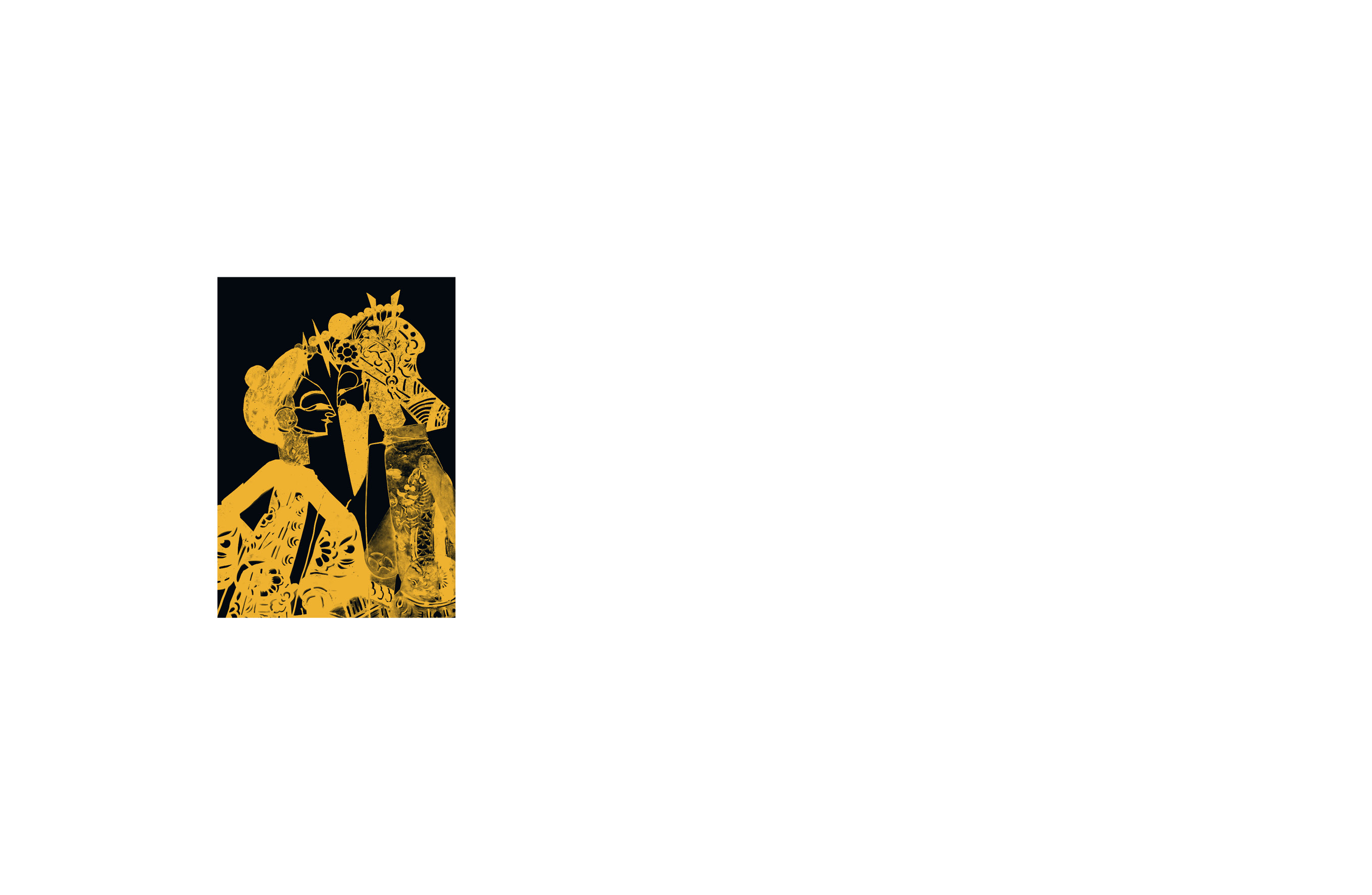
Film/photography/shadow puppets – McGregor, R. (2013) ‘A New/Old Ontology of Film’ In: Film-Philosophy 17 (1) pp.265–280. At:https://www.euppublishing.com/doi/10.3366/film.2013.0015 (Accessed 13/12/2019).

Vimeo video above – full blog post with individual slides https://sjflevel3.photo.blog/2019/12/01/bow-ca-an-attempt-to-put-bubbling-concept-outside-of-me/