OCA New Music Collective
When I responded to the call out for collaborators to work on projects under the banner of the OCA New Music Collective, I had no intention of using any work made for BOW/CS or L3. Rather, I saw it as an opportunity to experiment with original music but I also wanted to continue my ongoing investigations into imagery and its affect on us. Additionally, as I’ve done in previous projects, I hoped to explore the transitional structural state I believe we are experiencing today, by comparing and investigating how we respond to various media, i.e. sound, imagery, text (if at all possible). I was assigned to a composing student who I will refer to on my blogs simply as Emma, at her request. We began our journey together about three or four months ago.
Lately, I have been working more and more with moving image, and with appropriated found footage influenced by work I looked at during Digital Image & Culture, so it felt natural to keep heading in the same direction. Unlike my DI&C film Origin of the Common-Place, however, the work I made for the NMC does not contain still images, so I was a little concerned it might not be appropriate for BOW A1. However, after liaising with my tutor, Ruth, I felt that the work demonstrates where ‘I’m at’ for now, better than a set of random still images might. It also deals with some of the themes I identified in my proposal – ‘the language of actresses and fairy tales’ although as I pointed out in my email to Ruth, in this case myth might be a better word.
Although I did not originally intend to submit this work, I did, however, keep a record of of development and reflection on my Sketchbook blog. (Once I’m back in London, if I’ve not had a chance to do so beforehand, I will transfer some of these notes to the correct menu on this blog.)
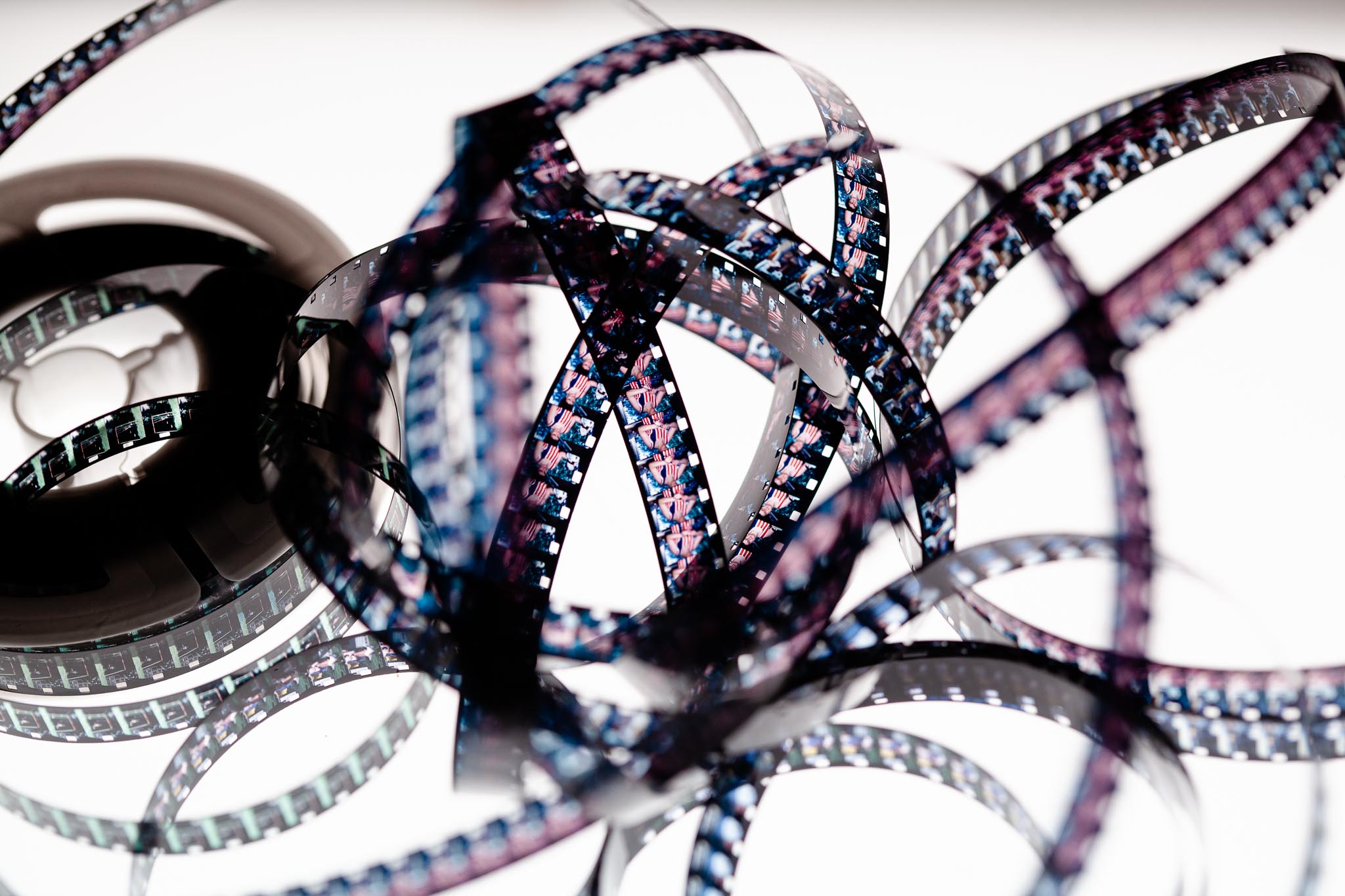
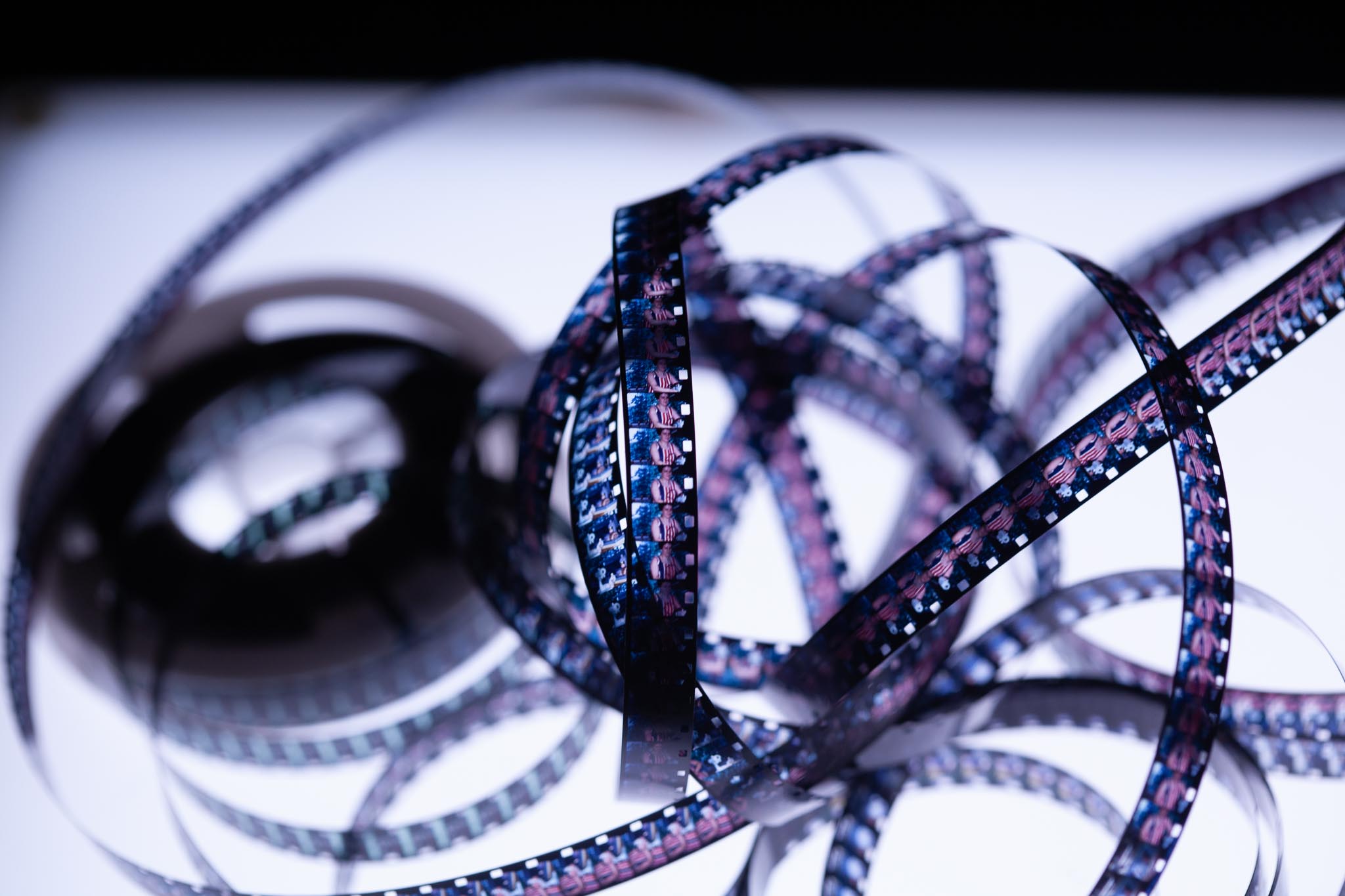
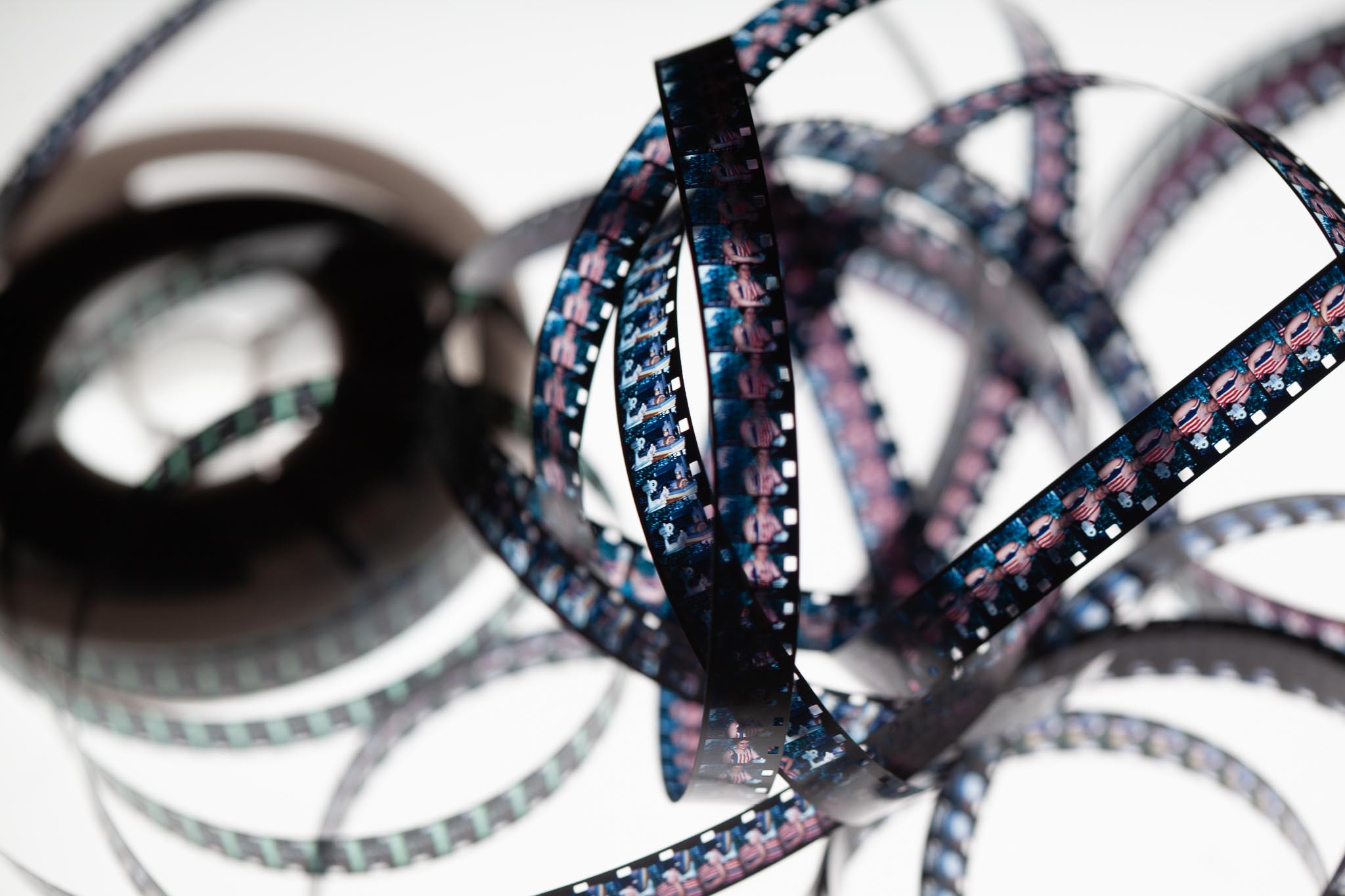
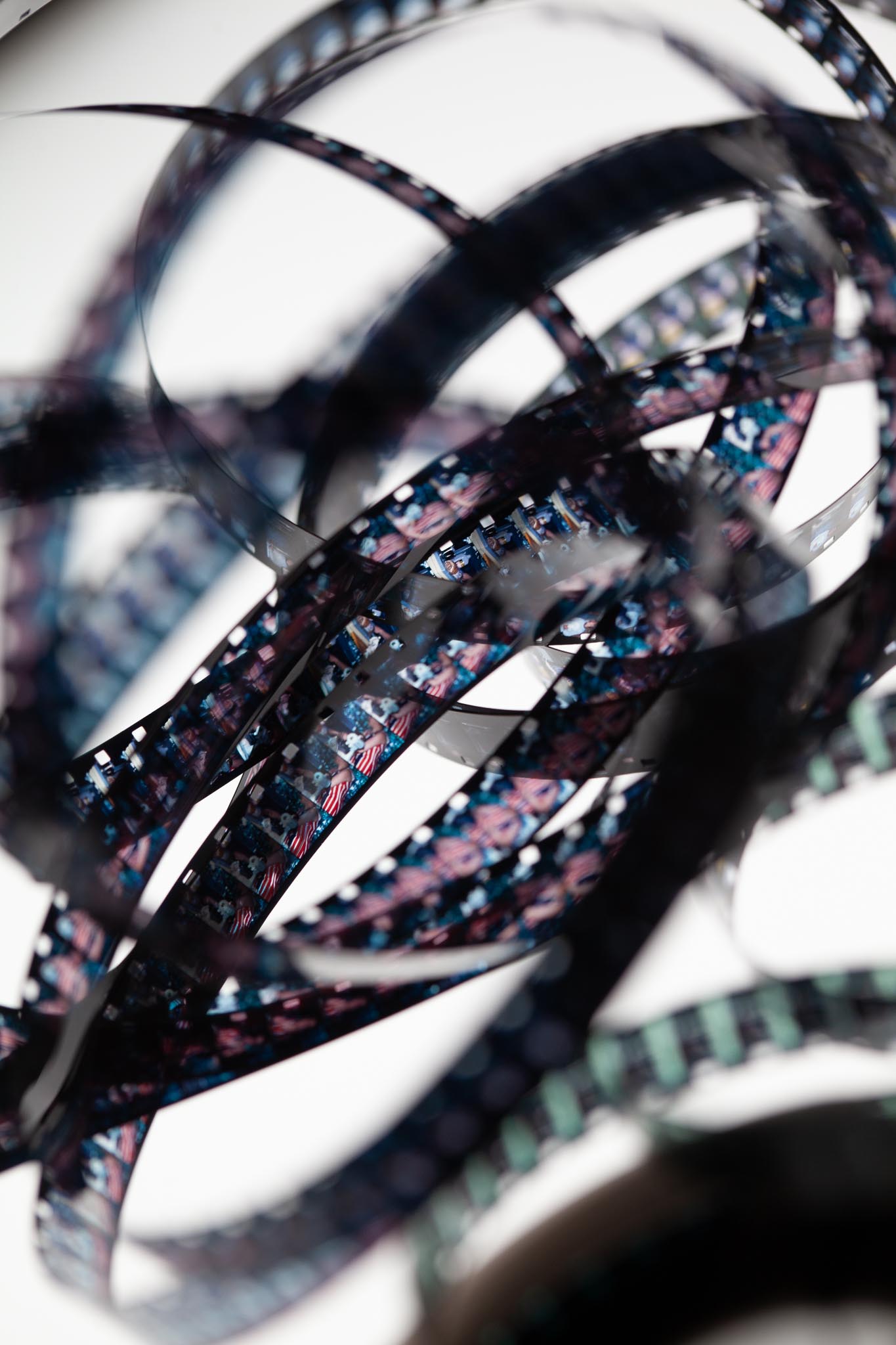
Film
The film was shown to a group of OCA students and tutors on 20 June 2019 at Toynbee Hall. An improvised live ‘choir’ (volunteers I cop-opted from the NMC) joined in during the final section. The following text was not shared with the group and I am not certain how much of it would be needed by an audience – or if some of it is merely a part of my own private background work. The indented paragraph is probably a draft statement and the following text a description for study purposes.
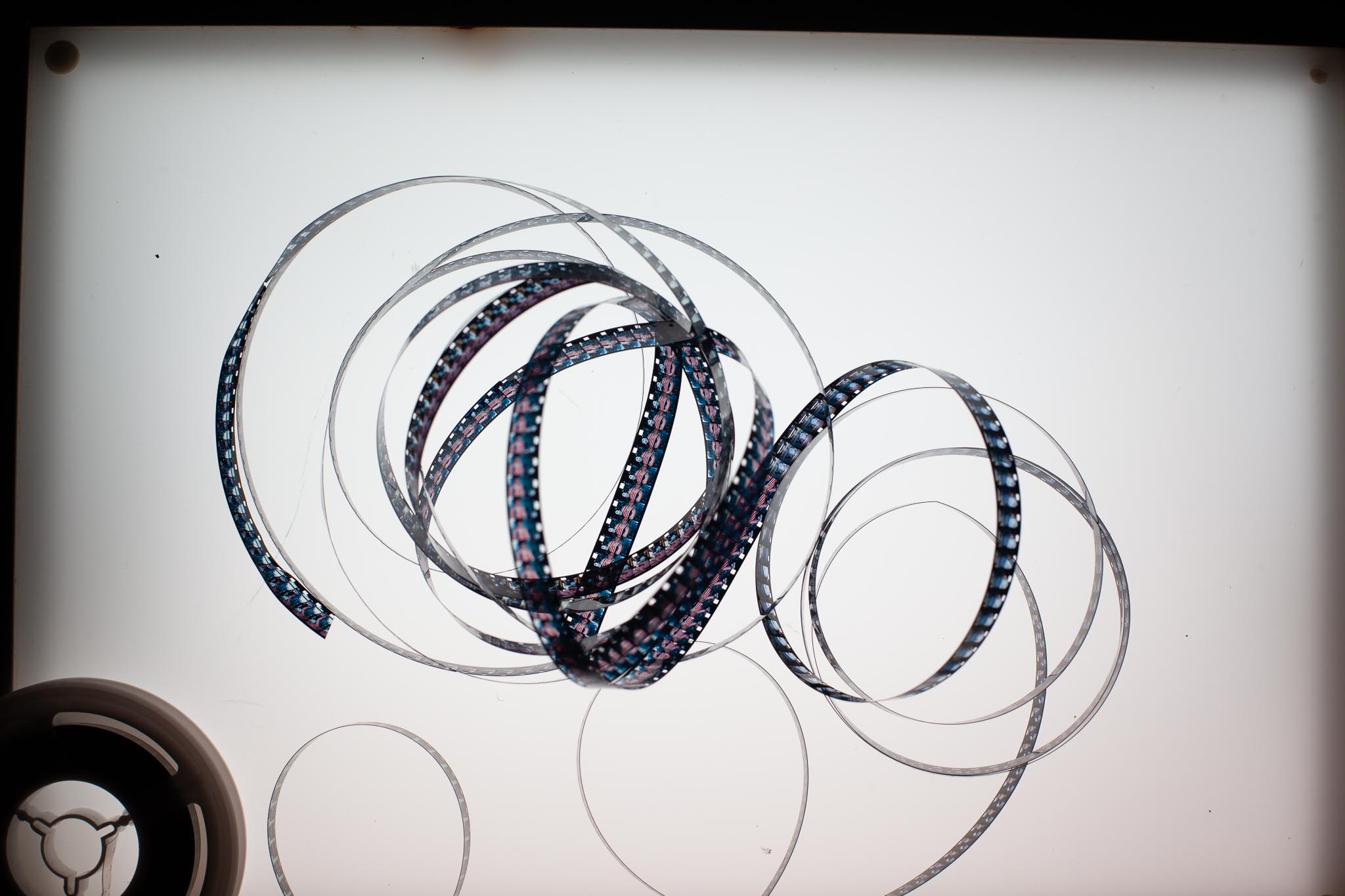
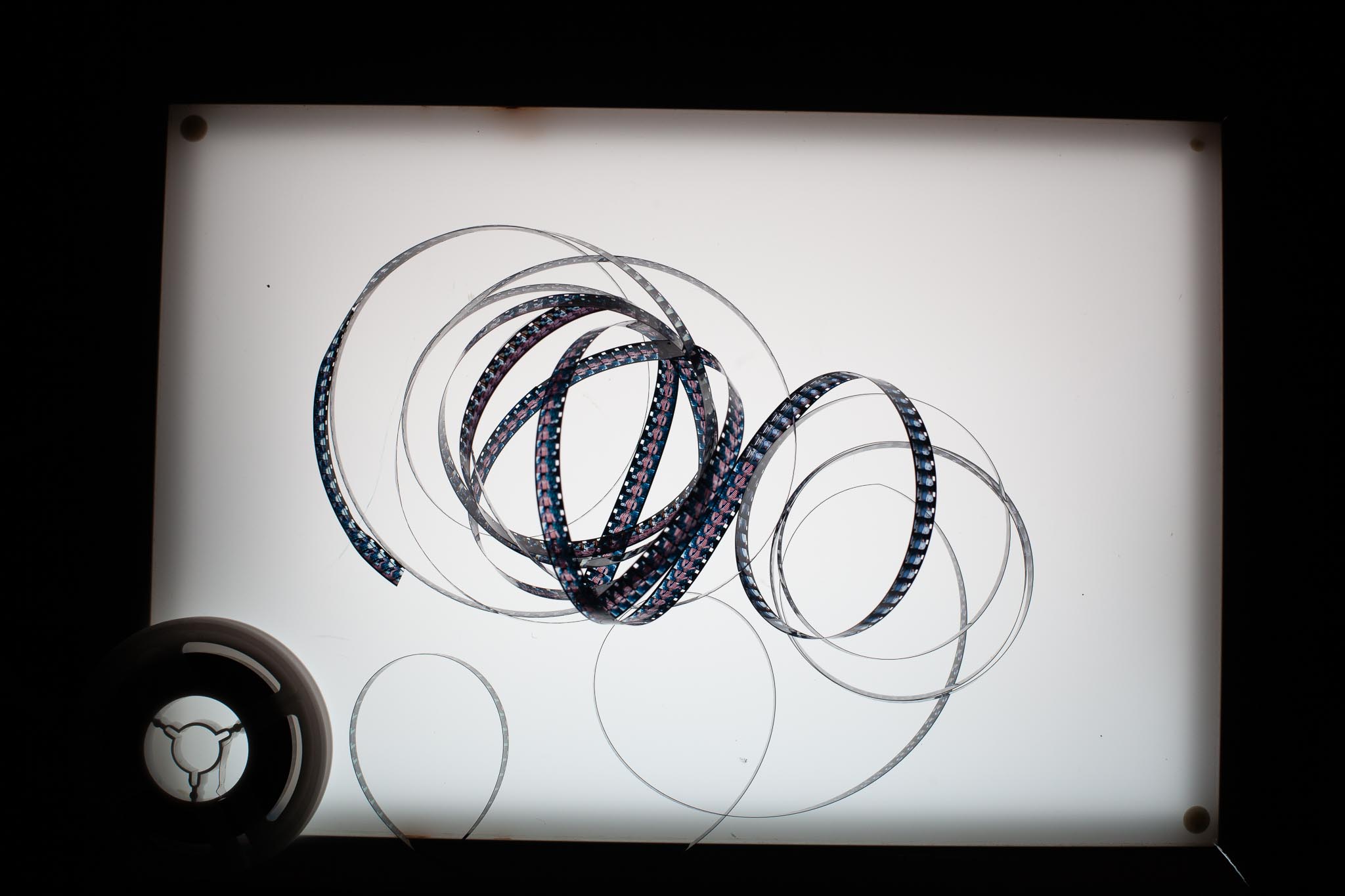
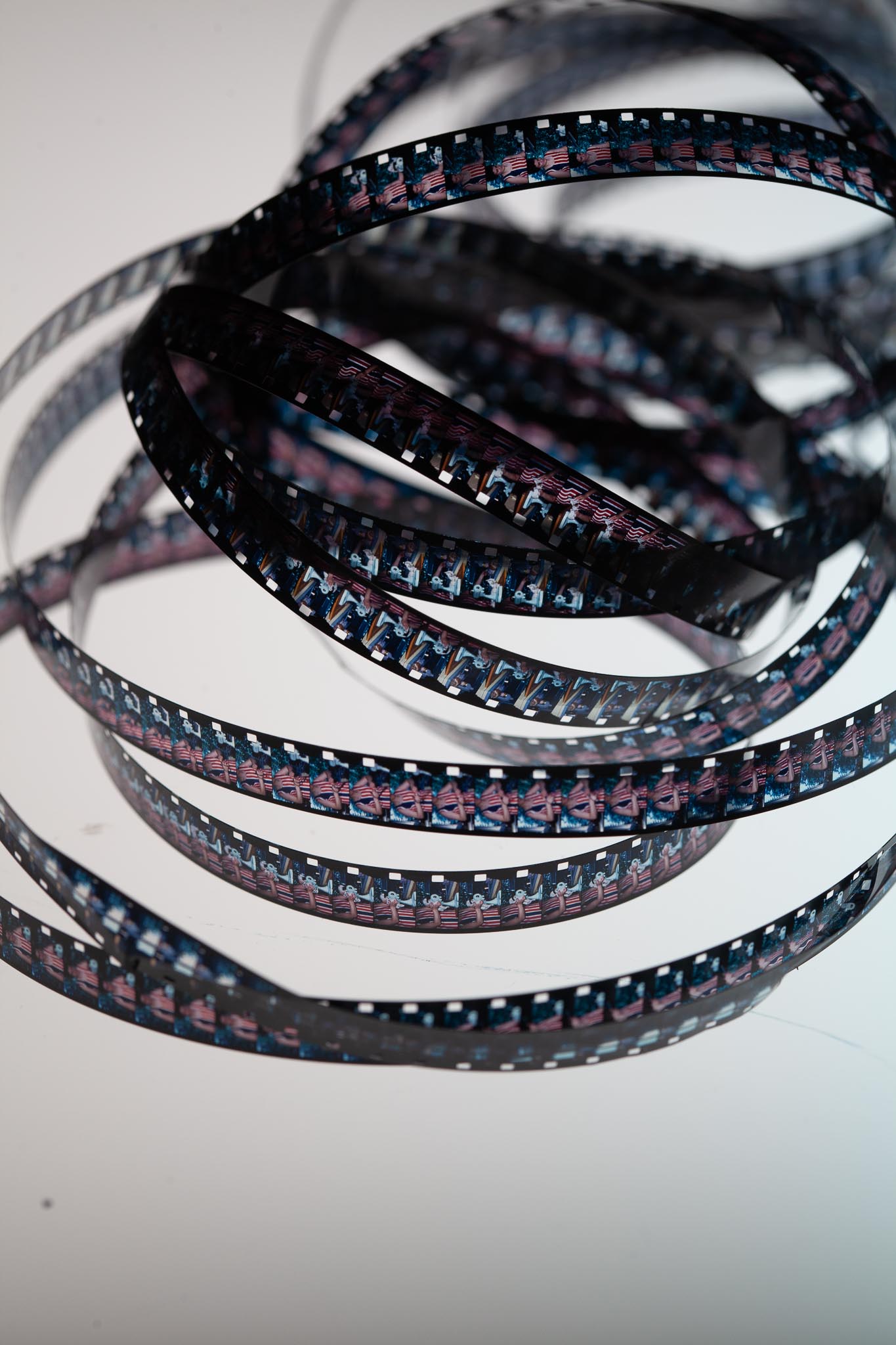
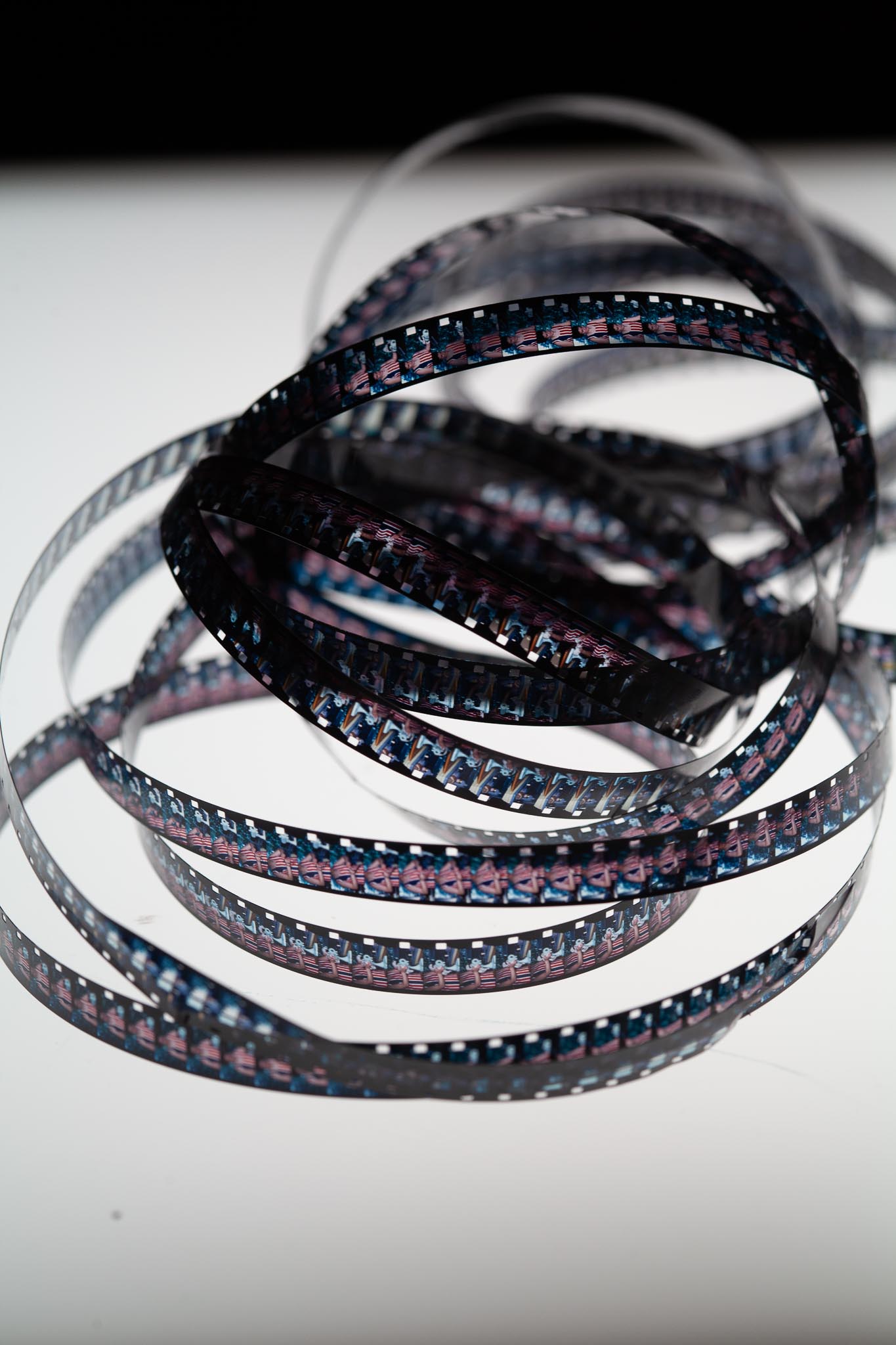
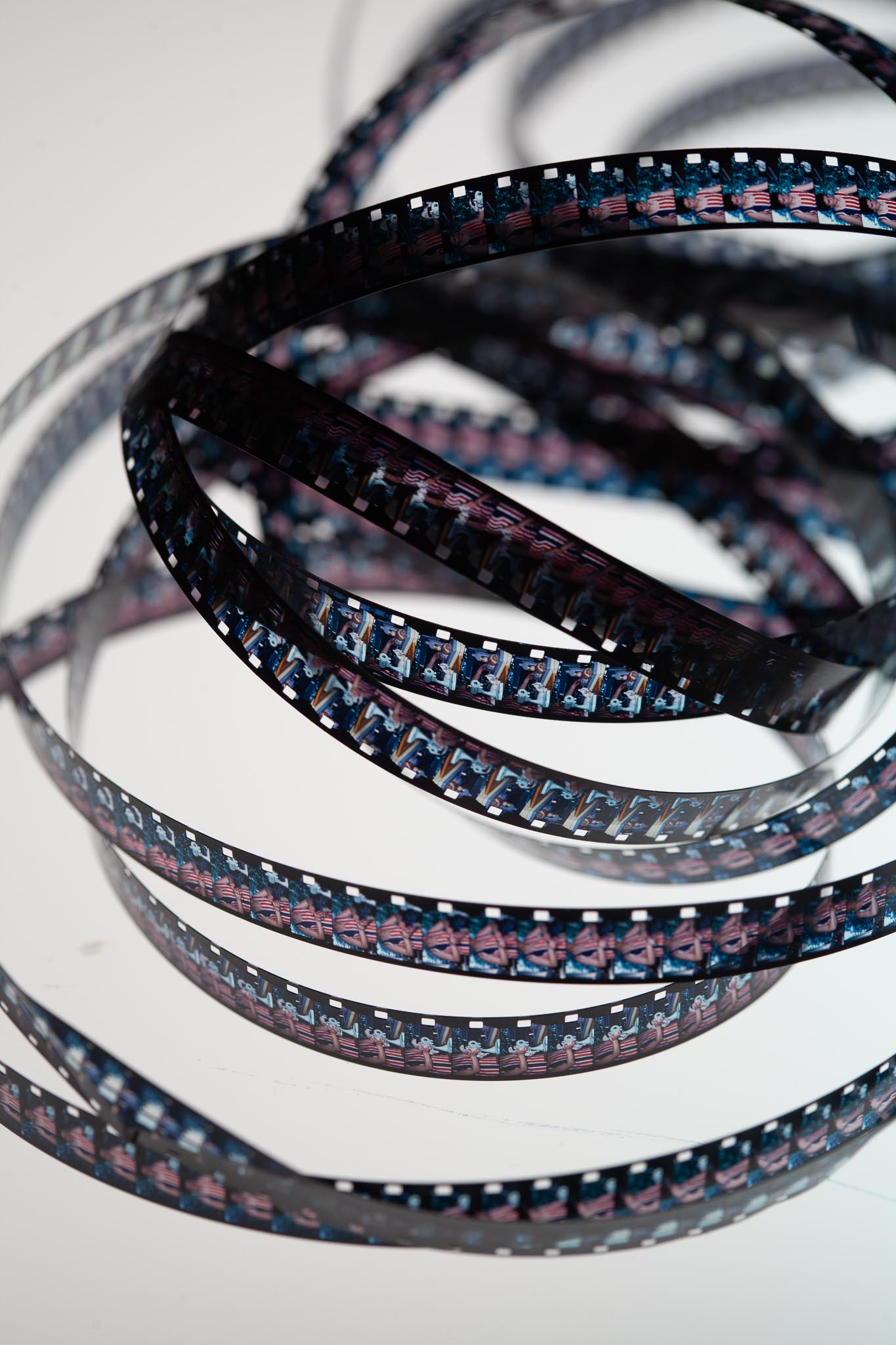
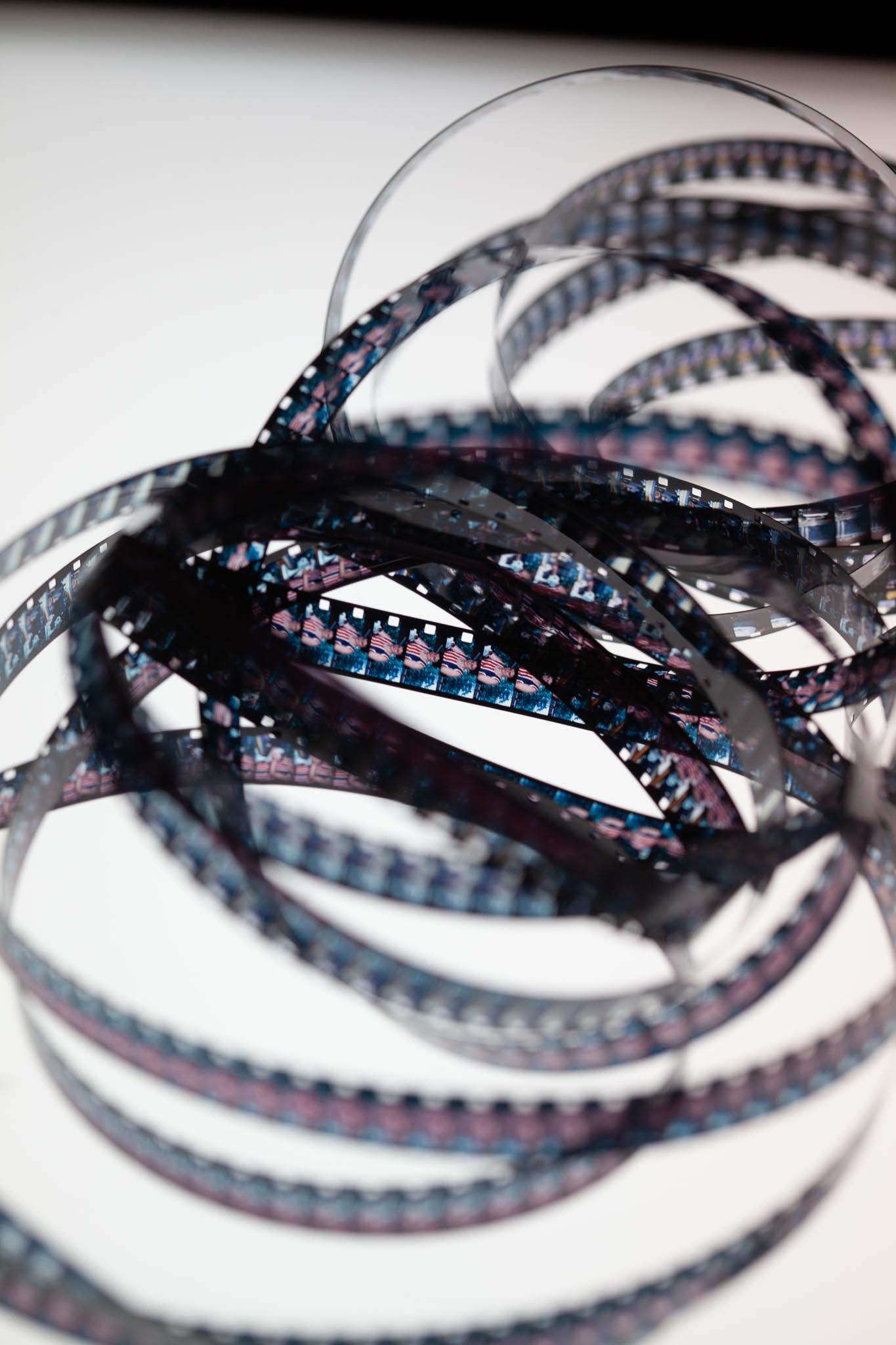
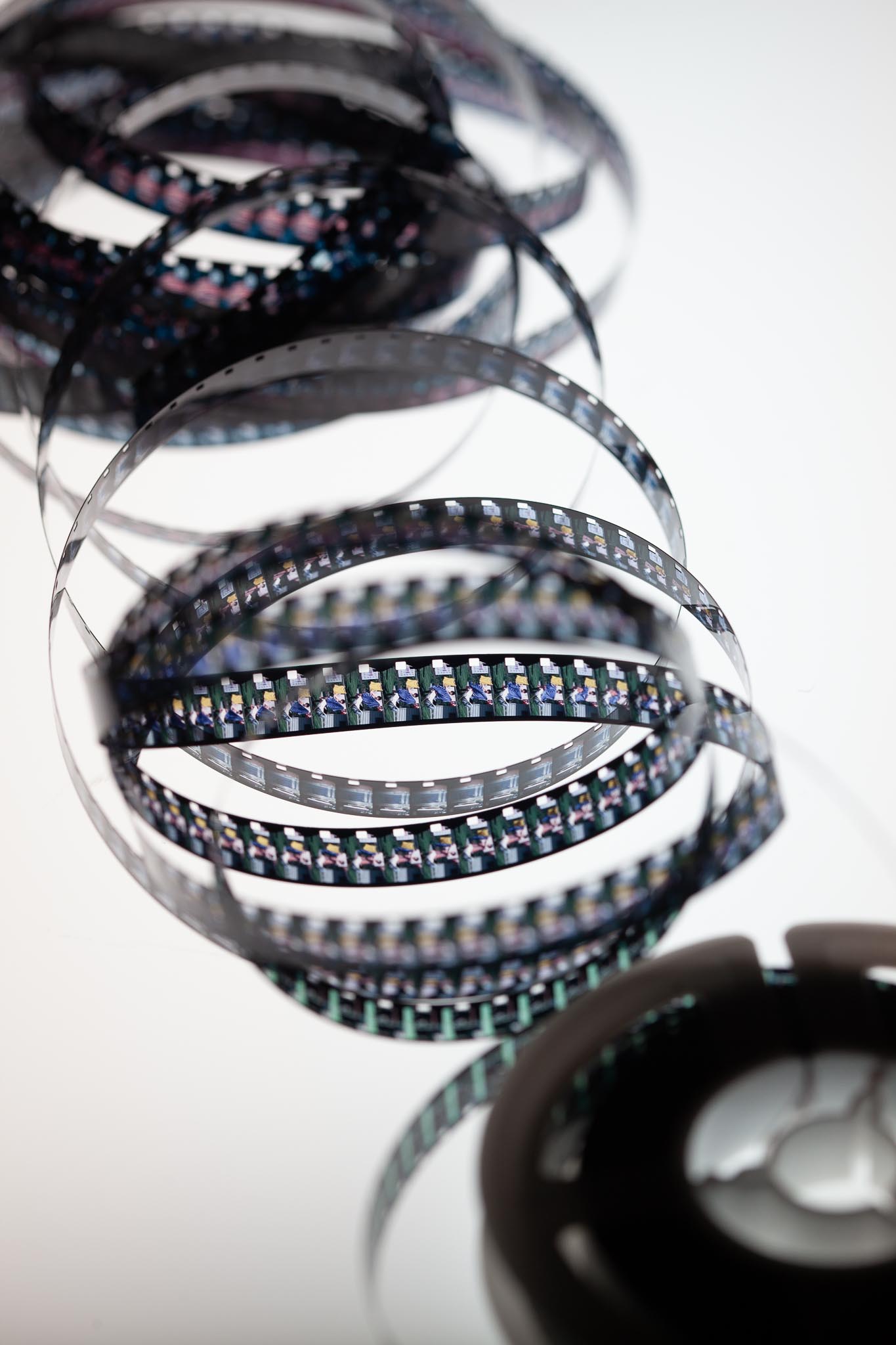
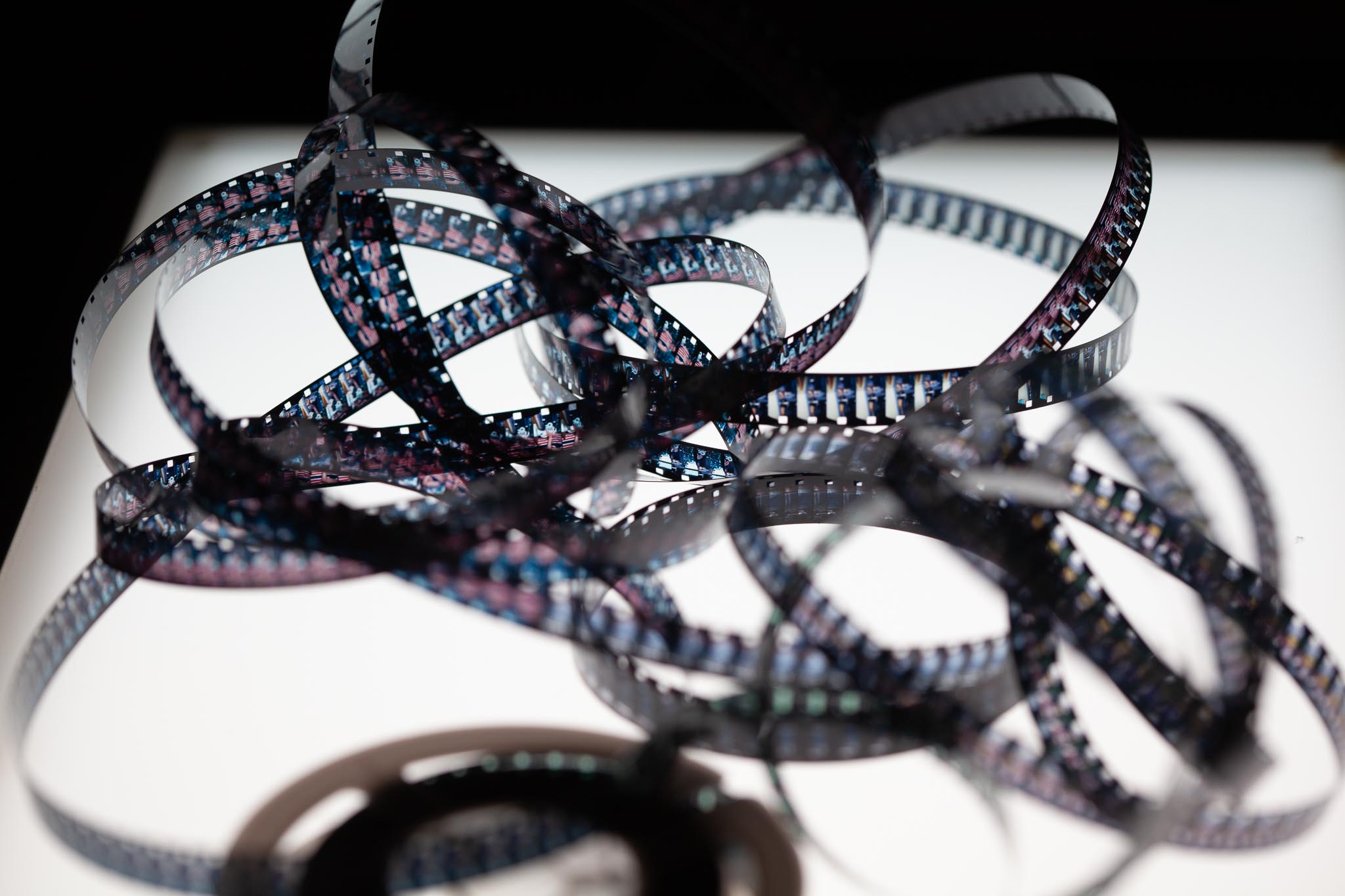
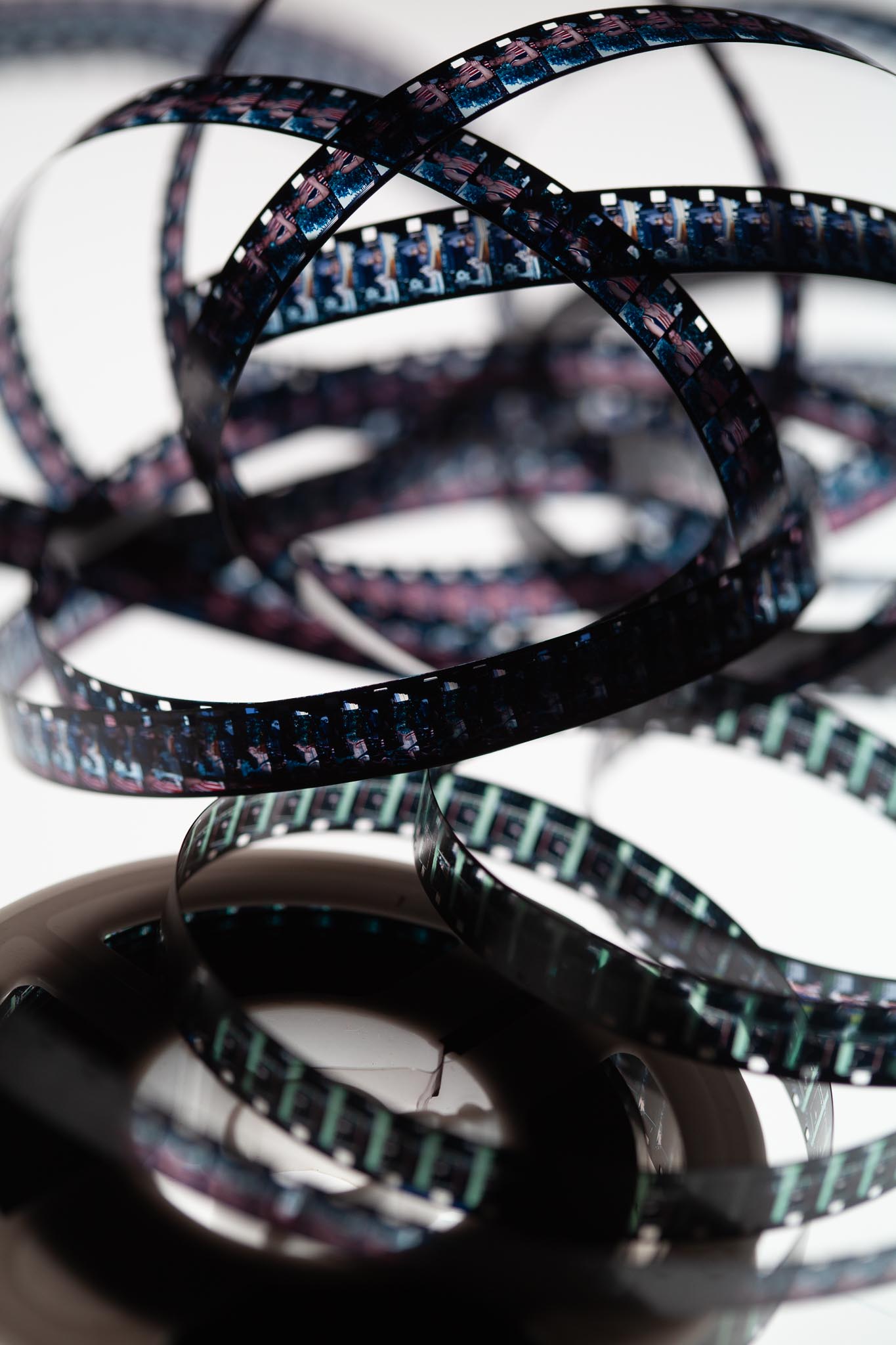
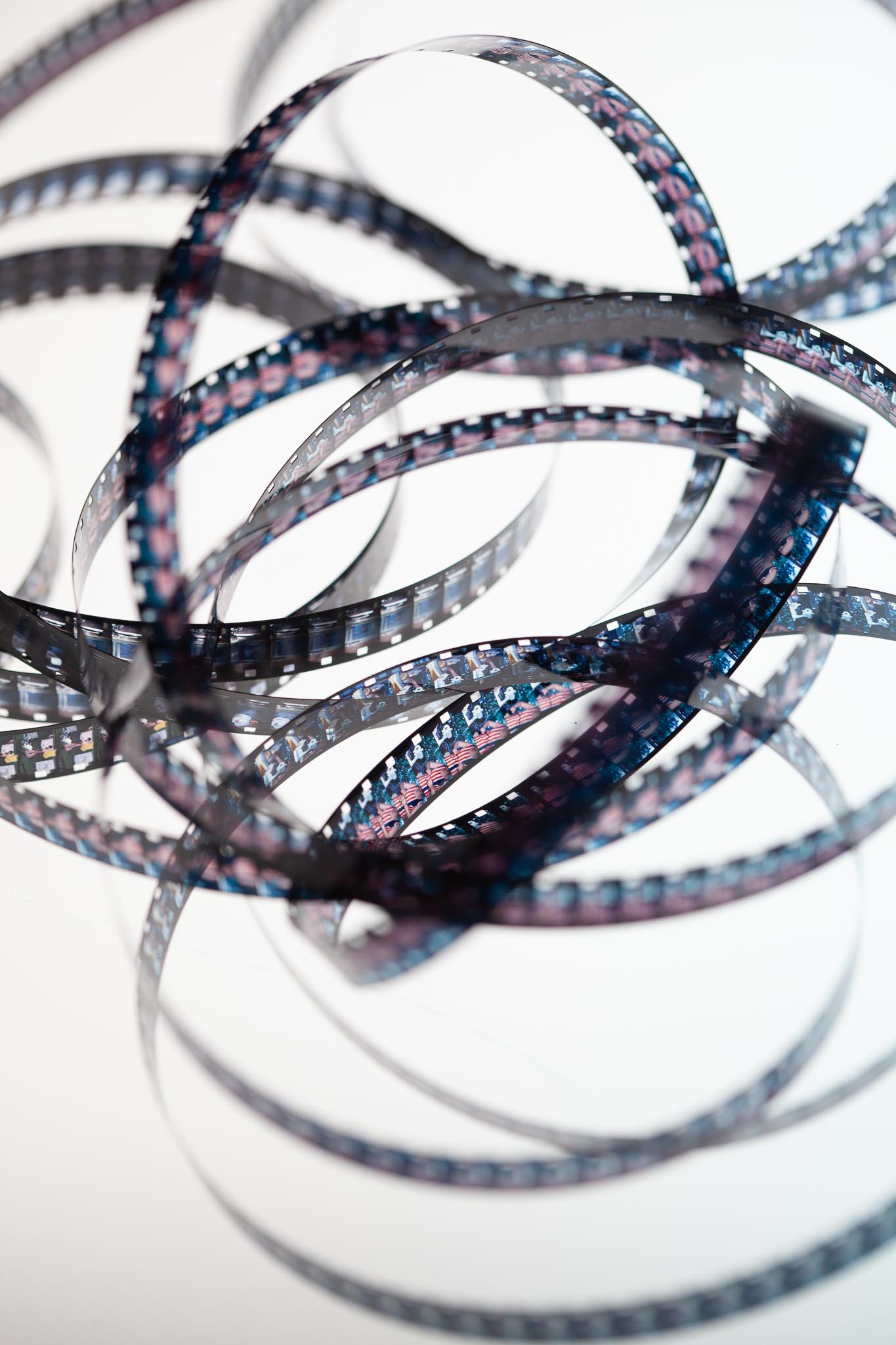
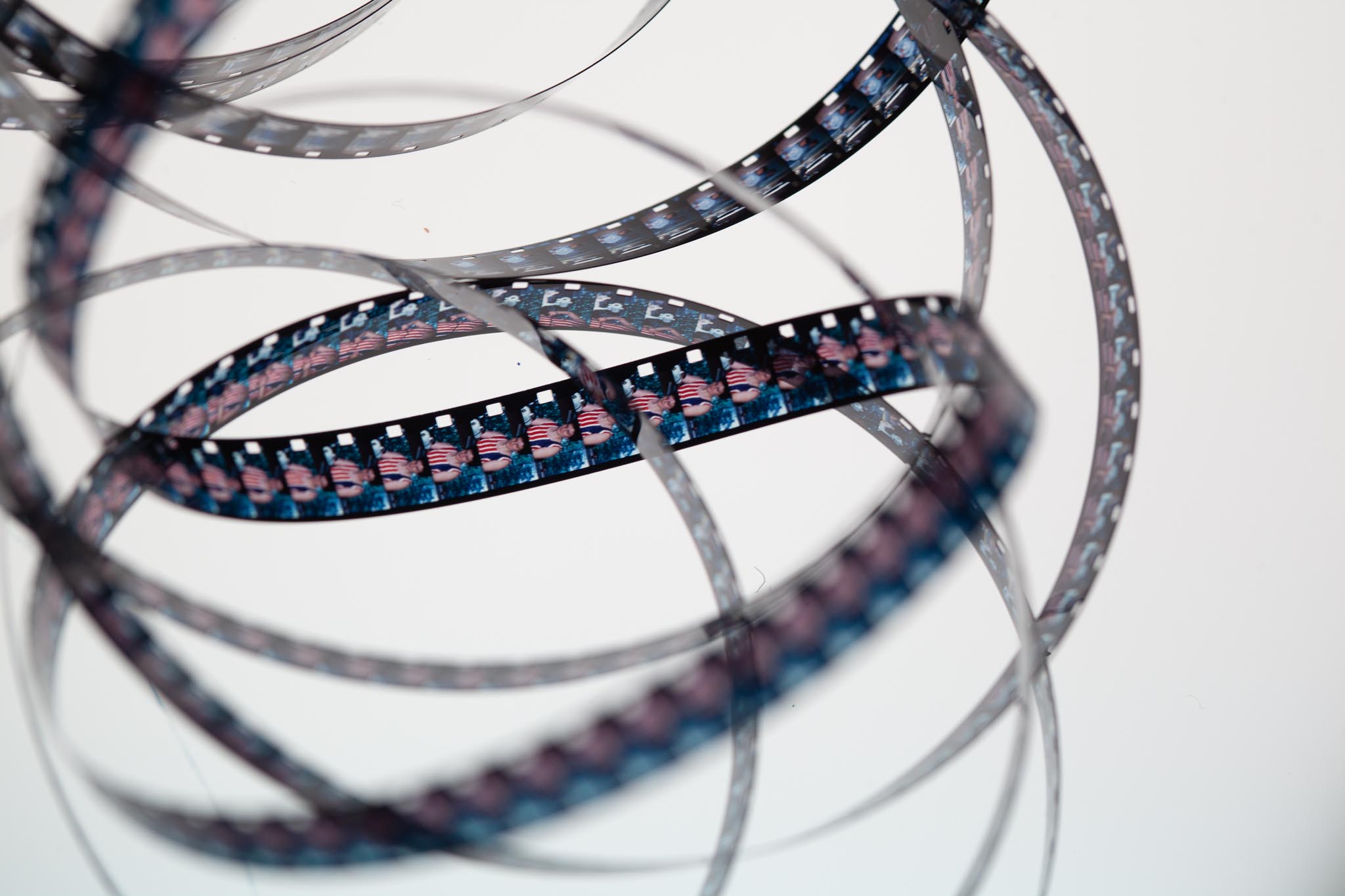
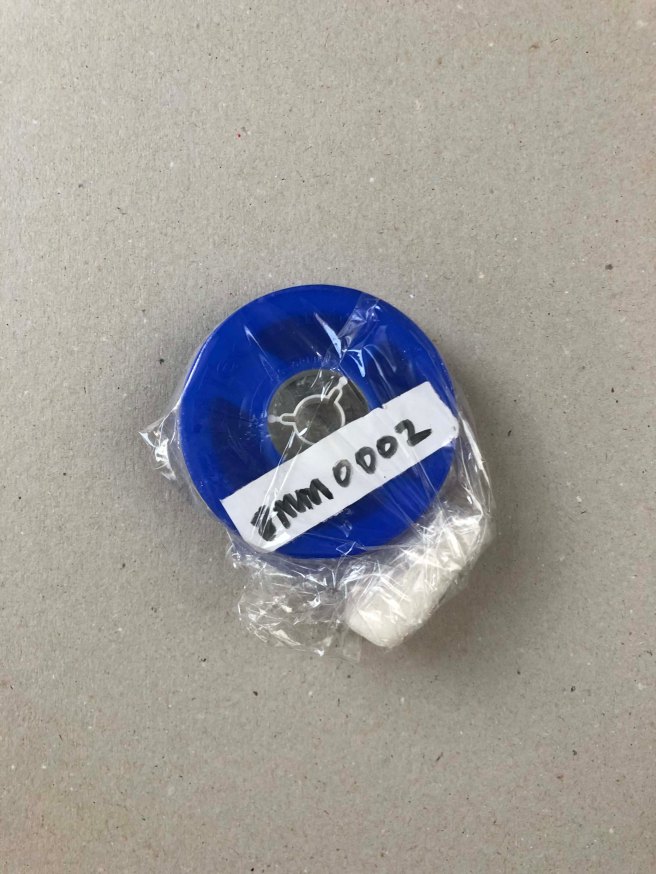
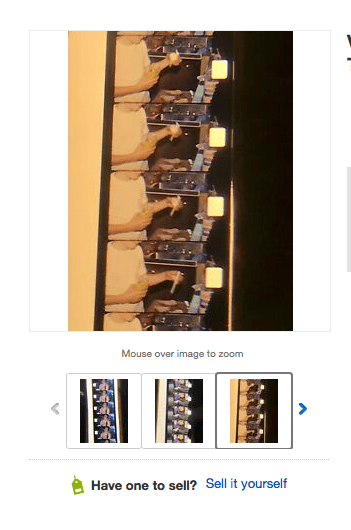
Voyage to the Planet of Prehistoric Women is a 1967 film about a journey to Venus where a group of intrepid male astronauts encounter a host of dangers in the form of a crash, a range of monsters and a band of sirens. Despite being about a world inhabited by women lasting nearly one and a half hours, the film contains roughly eleven minutes of footage where the women appear alone. That increases to just under twenty minutes if you include scenes where the women carry a dead fishy creature or appear alongside impending disasters or monsters.
This re-imagined film is a journey through time and a sample of the visual representation of sirens.
Sirens is a visual and audio poem which consists of three verses, and the entire length amounts to roughly the same time given to the women themselves in the original film.
Verse 1 contains the original film, sped up.
Verse 2 A version of the footage, containing the women, is reversed and blended with a negative copy of itself.
Verse 3 is a further representation of the women modified by a proprietary app and will be accompanied by a series of live vocal improvisations as we attempt to bring the sirens to life in the present.
I have discussed this film in my first Contextual Studies essay.
Live voice
When Emma and I showed the work we included a live improvised choir of the Sirens based on the sort of exercises devised by Pauline Oliveros which she calls Sonic Meditations. I wrote on my Sketchbook:
“While developing our film I had the thought that it would be great to introduce human voices in the final section but we did not have the time to write for and organise a choir. I had recently done some improvisation games with the Pic London group, which were very much like the ones I spent three years doing while at drama school (1991-94). Although I have not acted in some years now, the skills – I have recently learned – are still embedded within me; and improvisation and performance seem to be a language I am relatively fluent in. Revisiting has felt like a wonderful ‘awakening’ and these experiences are encouraging me to keep heading in this direction. I suggested to Emma we try out the improvised vocal games with volunteers, to see how that goes, and she was open to the idea.” (2019)
The improvisation went well and was effective as described in my post. What’s more, from a personal point of view, it feels like a significant step towards literally using my own voice in my work, and perhaps reflecting the more metaphorical meaning too, i.e. finding my voice.
Collaboration
The collaboration was not an immediate easy one, as Emma will no doubt also admit. We are quite different people with different backgrounds. I have talked about this a bit more on my other blog. I am very grateful to Emma for the extremely suitable and excellent music she wrote in the end. But I think will need to develop my communication skills and be more confident with my intentions – plus understand that I might be coming from a very different place to new collaborators initially. However, I approached the project with the expectation that we would really collaborate from scratch and I wouldn’t simply give instructions about the sort of music a finished project might require. We got there in the end but I think Emma was expecting me to work in a more traditional way.
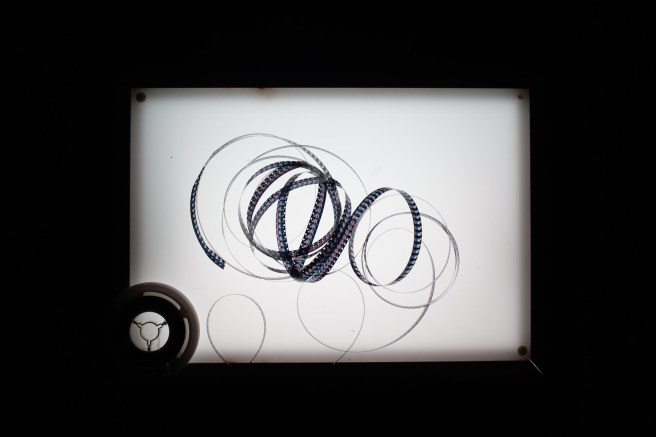
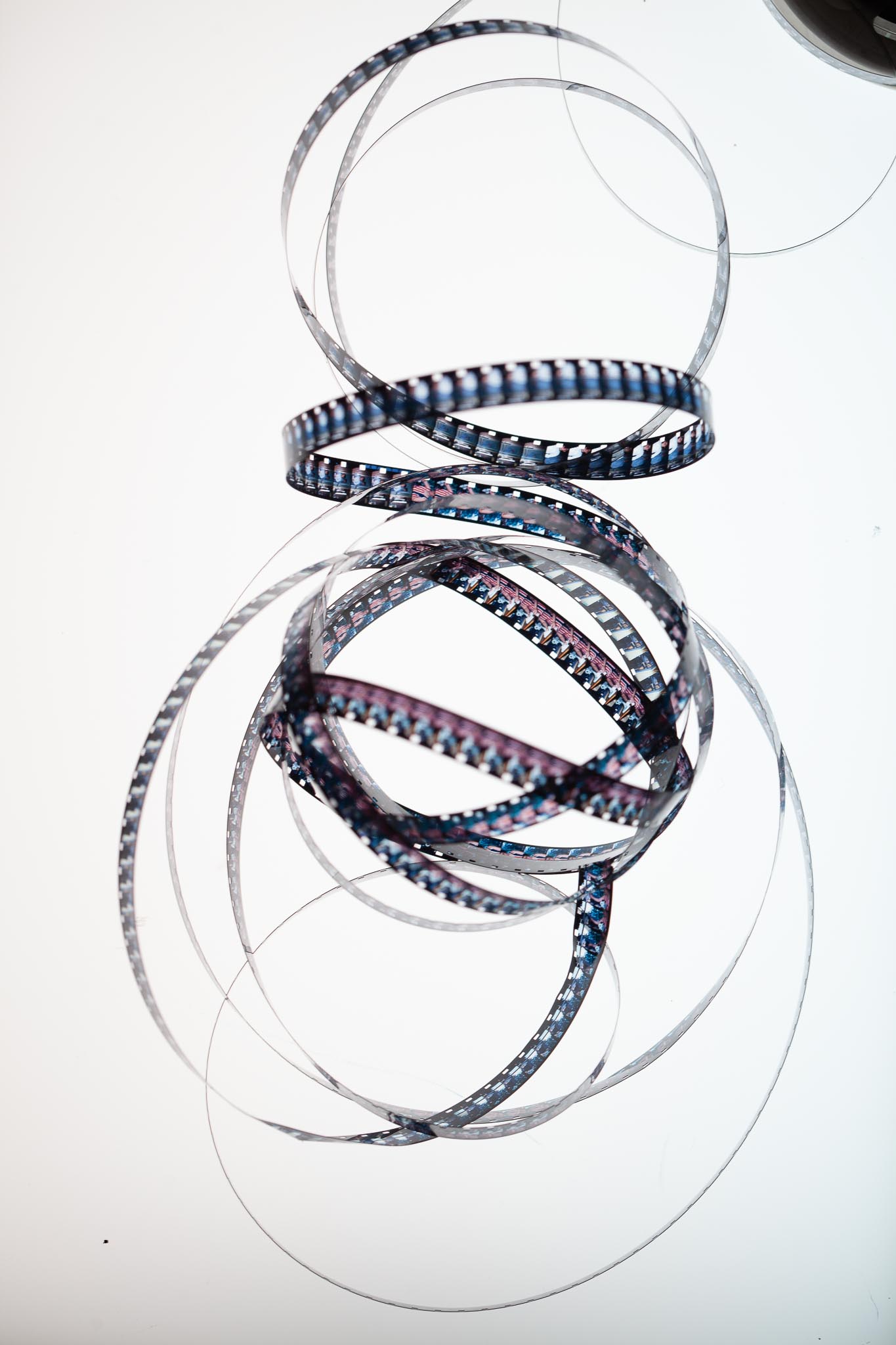
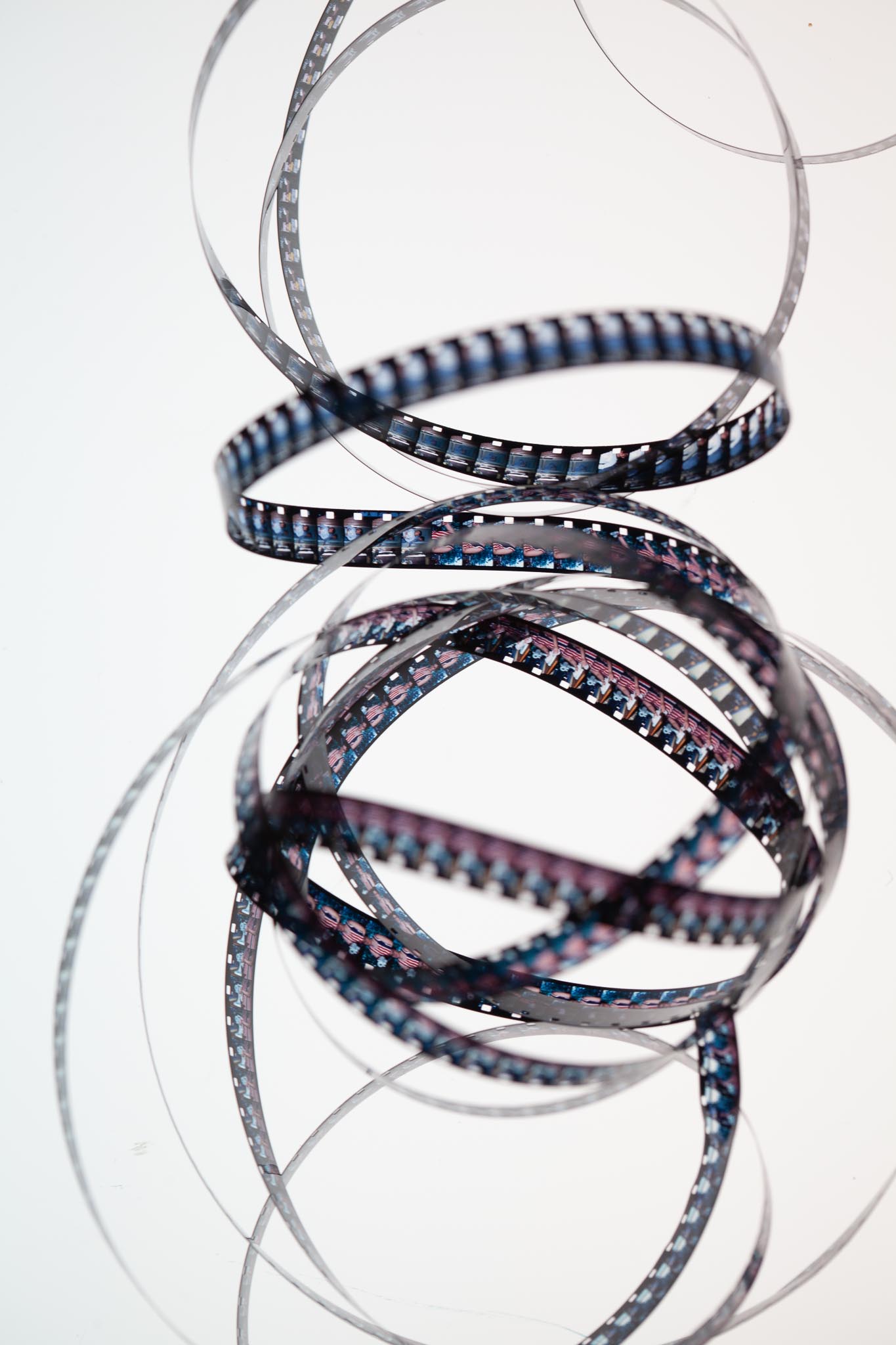
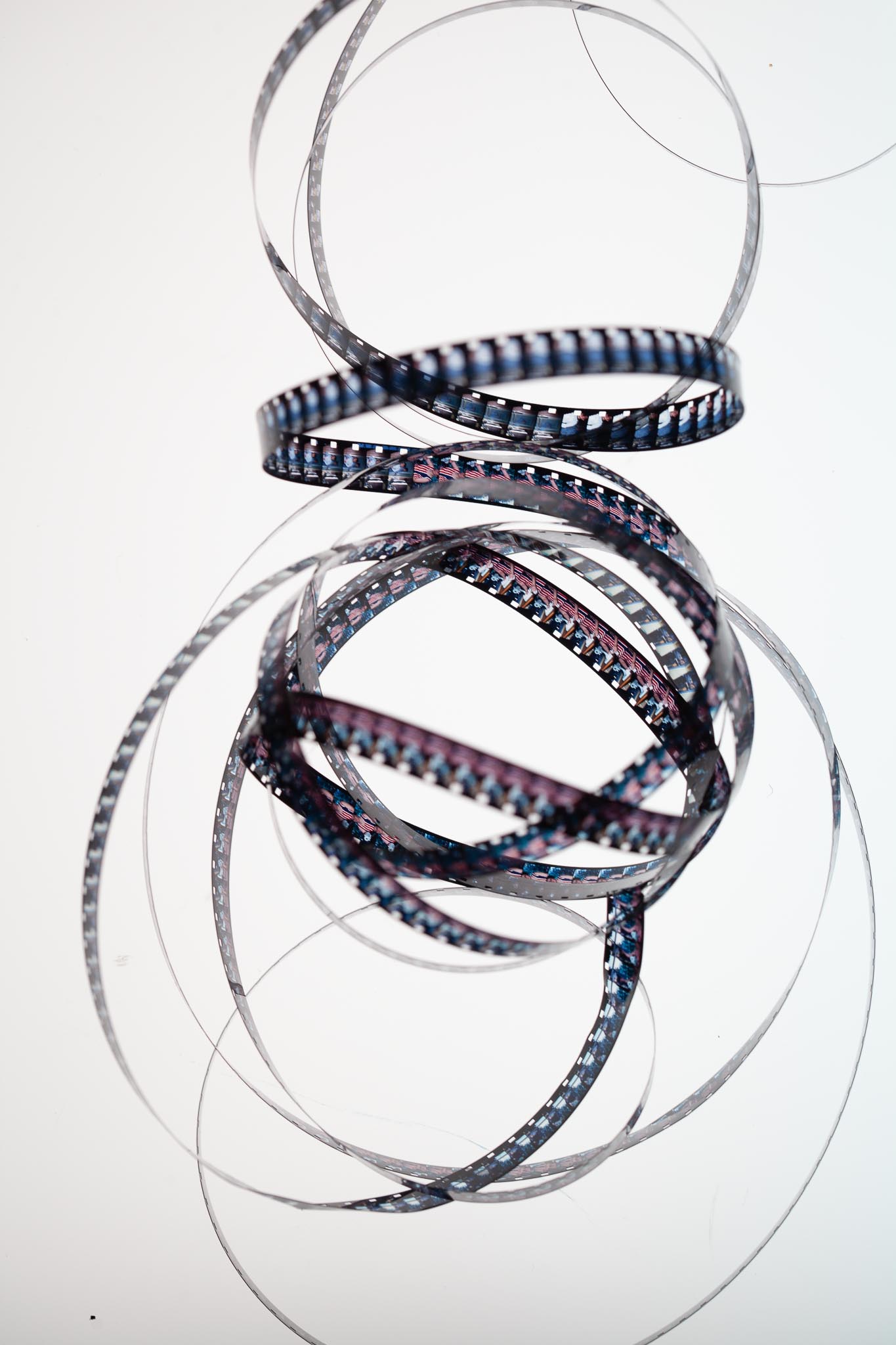
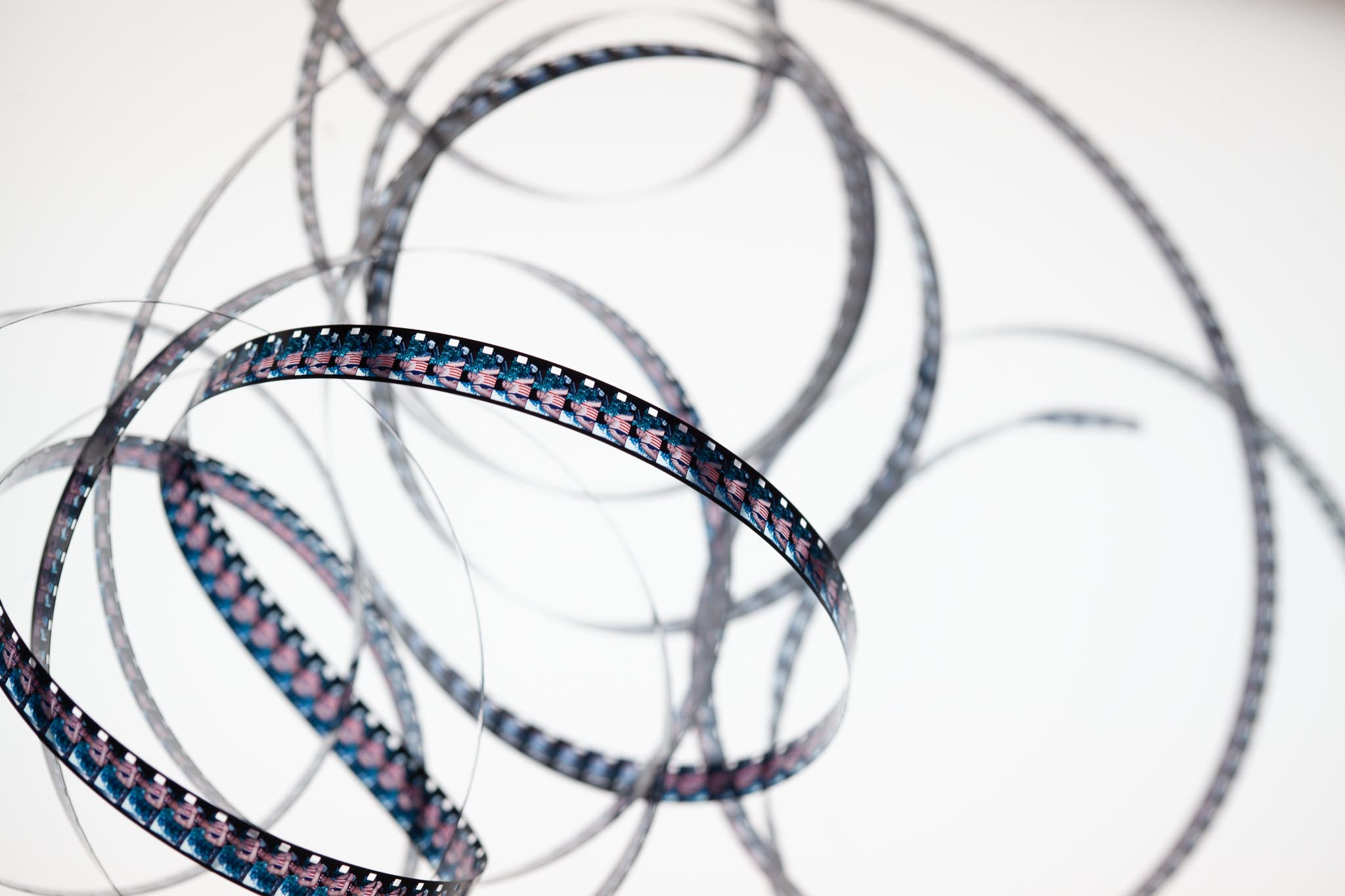
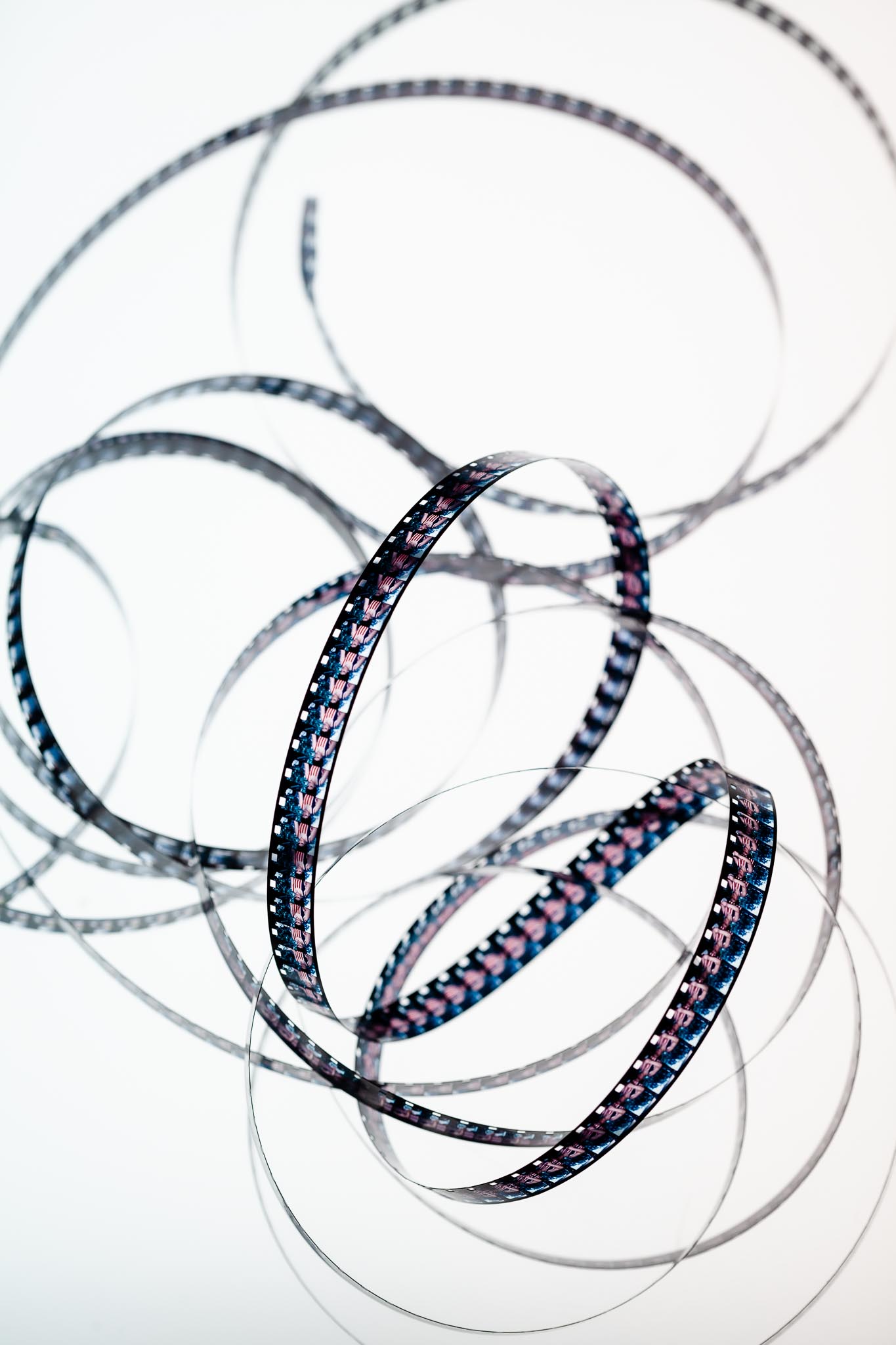
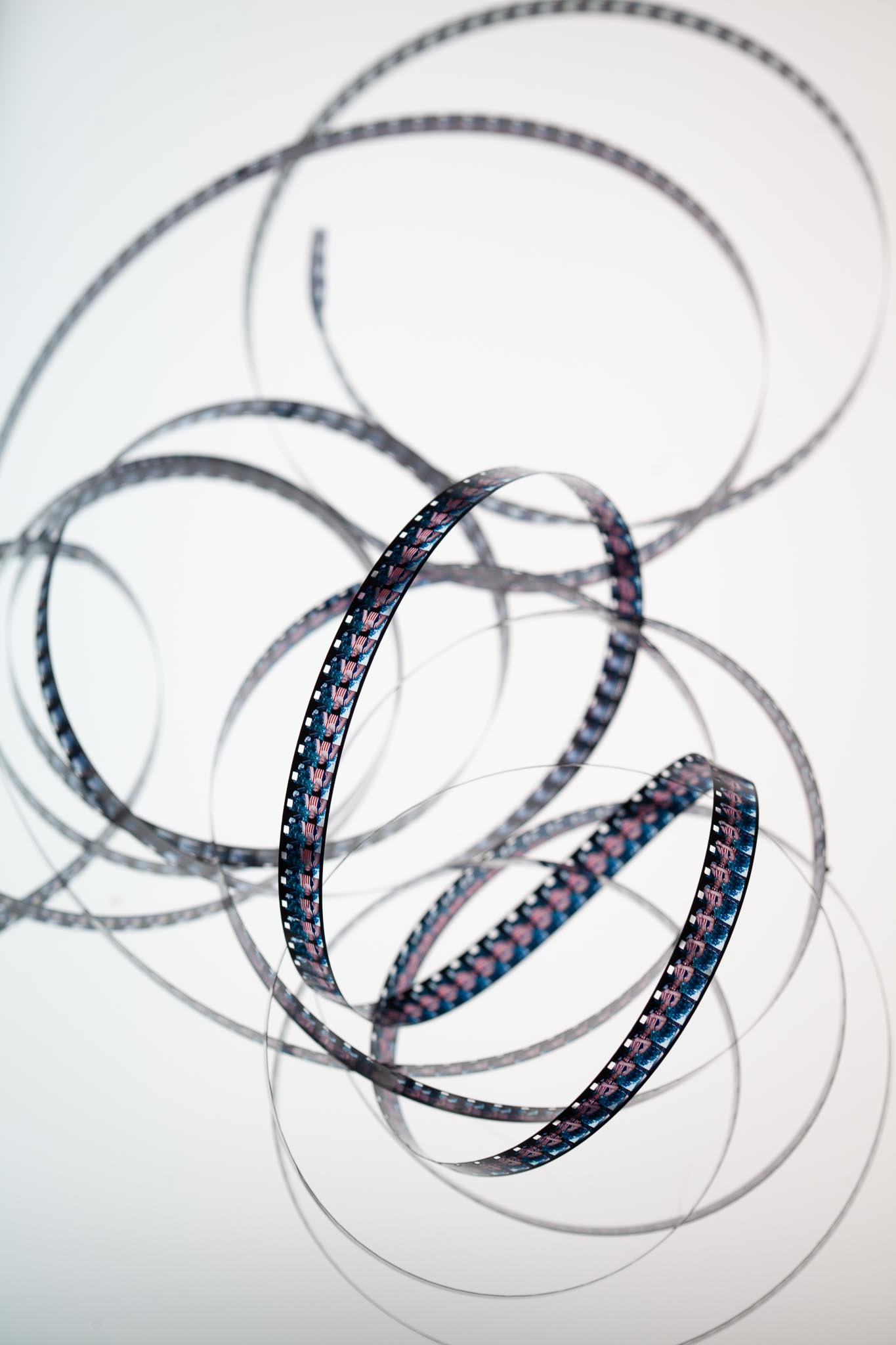
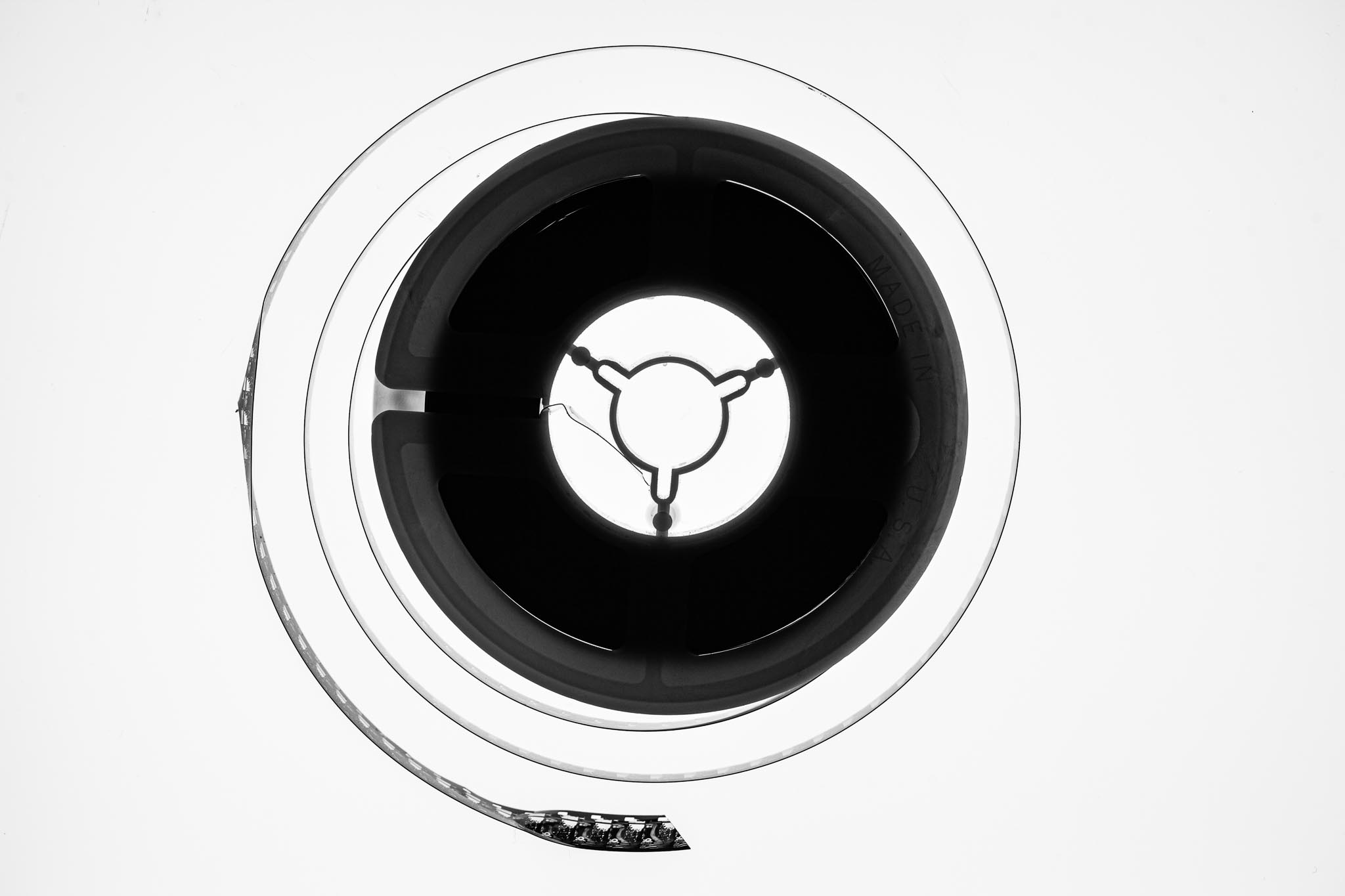
Earlier versions – some of which are quite rough indeed:
Other slightly removed BOW work
As well as working on this project, I have been slowly writing very short fragments of short stories. I am not sure yet whether these will ultimately develop into something usable or not. But I felt they were worth recording as possible BOW work on my Sketchbook blog and I do intend to keep writing them as they keep popping into my mind.
Reflection
Demonstration of technical and visual skills
I always find it a bit tricky to write about this, as with this sort of work I am deliberately looking for the sort of artifacts in the found footage that modern photography does its best to avoid. I did manage to do some work in Premier Pro after fixing a long standing issue with my desktop and software, although in the end, for the sake of time, I edited it mostly on my phone and in iMovie. I suspect previous editing experiments have paid off as I become more fluid with the technology I do manage to use.
Quality of Outcome
The early experiments were a bit limited and it wasn’t until I felt slightly panicked as described in my notes that I found a way to make this project work visually. The middle section where I blended backward moving film with negative layer of itself went a long way towards bringing the film up a level.
Demonstration of creativity
This work is original and perhaps challenging for people who are looking for straight photographs, especially as I deliberately challenge notions of taste and simplicity, and by using proprietary apps – hopefully referencing apps such as Snapchat, filters, and the coded language used everyday by regular people. However, I hope to continue finding new ways to explore the subjects and themes I am interested in, and that may well lead me back to using my camera in a traditional way.
Context
The notes I have made in the coursework are probably at a good enough level for this stage in the course. This work does link to the concerns I discussed in both BOW and CS.






































 SJField - OCA Level Three Study Blog