BOW A5: Getting ready to submit to tutor…

I am nearly at a place where I can submit this work to Ruth. I need to do a few practical things before I do, however.

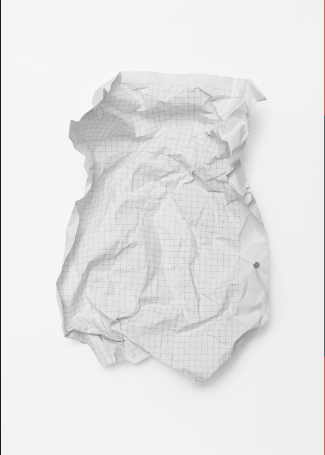
  1. I think I am going to take some more images like this one – I think if I were to exhibit this work I would want to have a series of these crumpled papers on the wall as large high-quality prints to mingle with the rest of the work – found, archive,
    and moving image type stuff.
    Screen Shot 2020-07-14 at 17.46.40
  2. I need to make some gifs for the epub version. I can’t work on that properly until the gifs and any moving image are resized. There are just a small handful to make but they have to be the right size otherwise they don’t function properly in the epublication and it’s a bit fiddly. I really hope I can do this on Friday.
  3. I have created a short film which I want the book to link to. I have worked on a very early edit and chatted with a small group about it – they were positive and I think it has potential but I need to keep editing and make some decisions about the audio track. I have used a song that was in one of the main sources, played with it backwards and also have some music by Simon who worked with me on the S&O track.
  4. I was not sure about the statement – but I have for now incuded something on the back outer page of the book. I think it is jsut enough to point people in the right direction and without it, they would be lost. There were some suggestions about not having one at all and I thought about that – or having a very obscure little statement which I had written about an old man but I think I feel most comfortable with the draft I”ve mentioned.
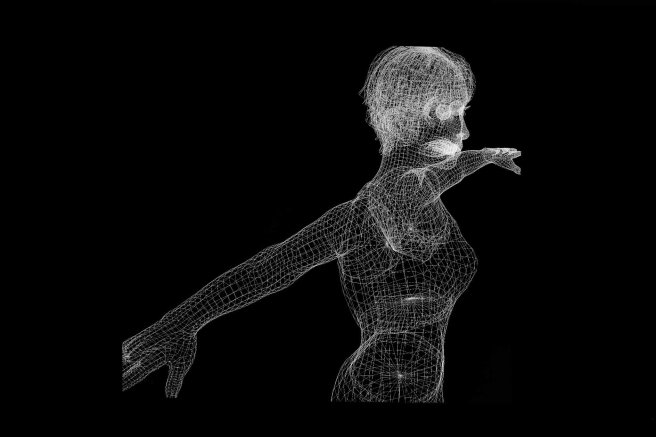
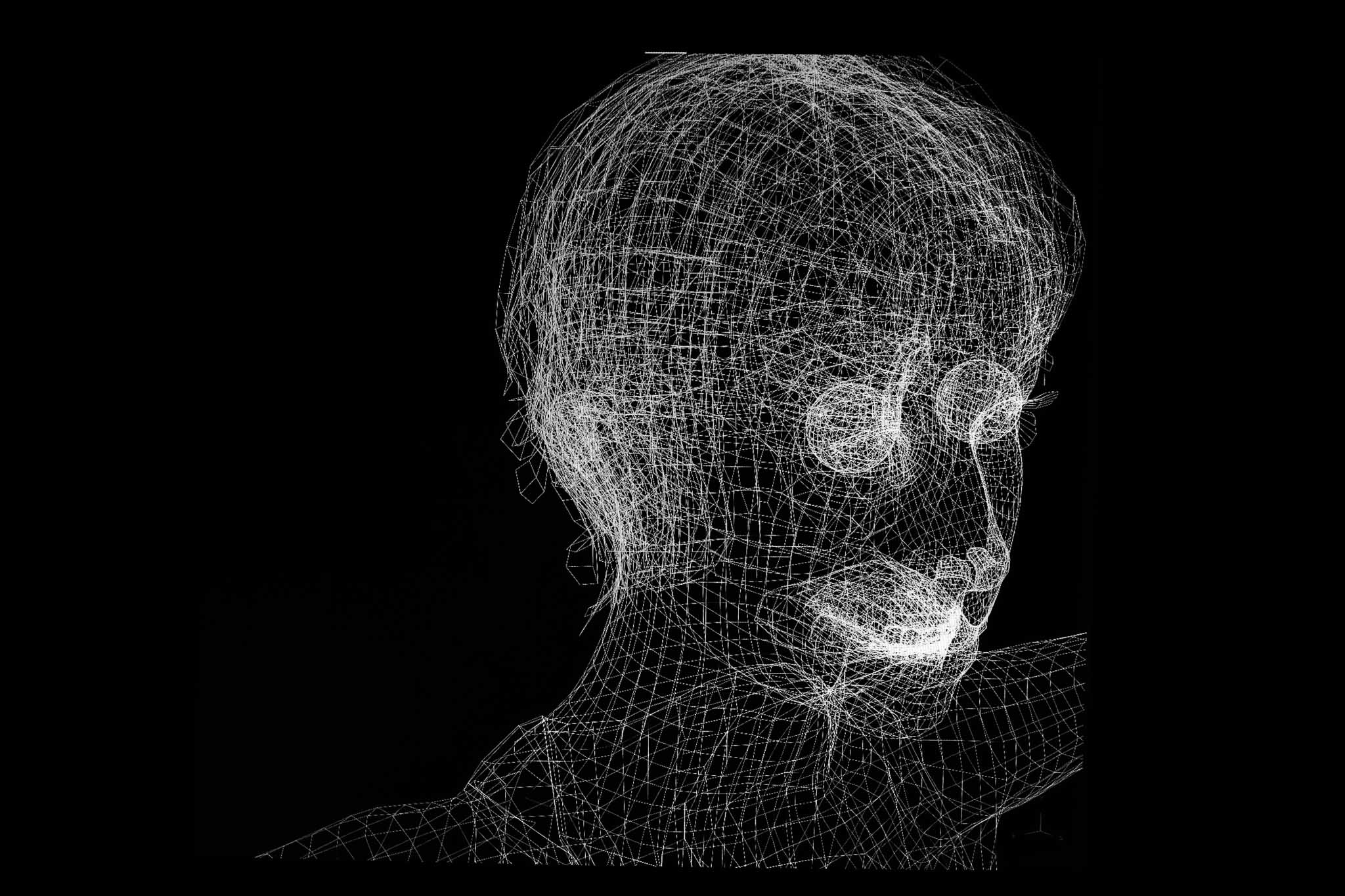
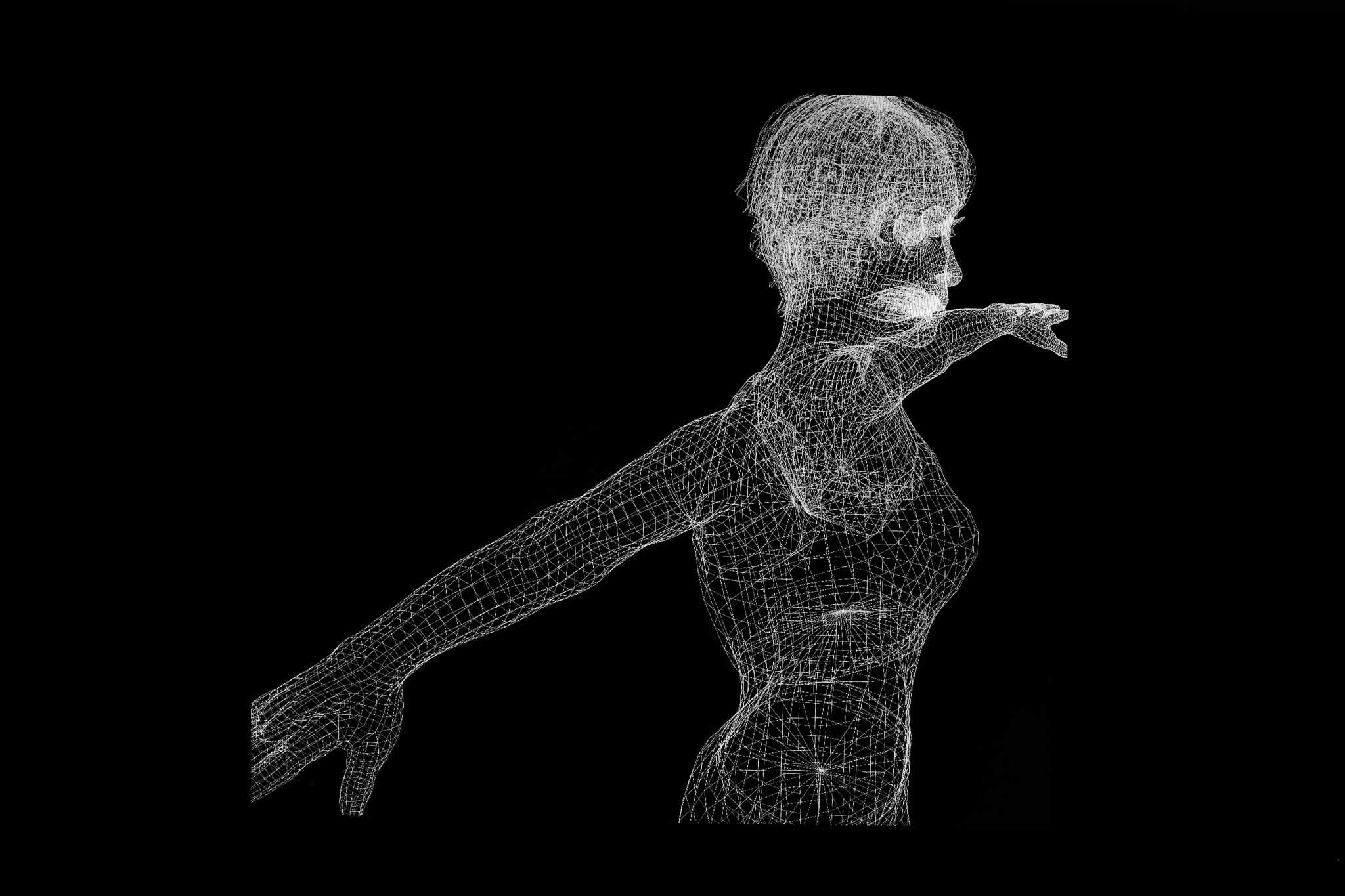
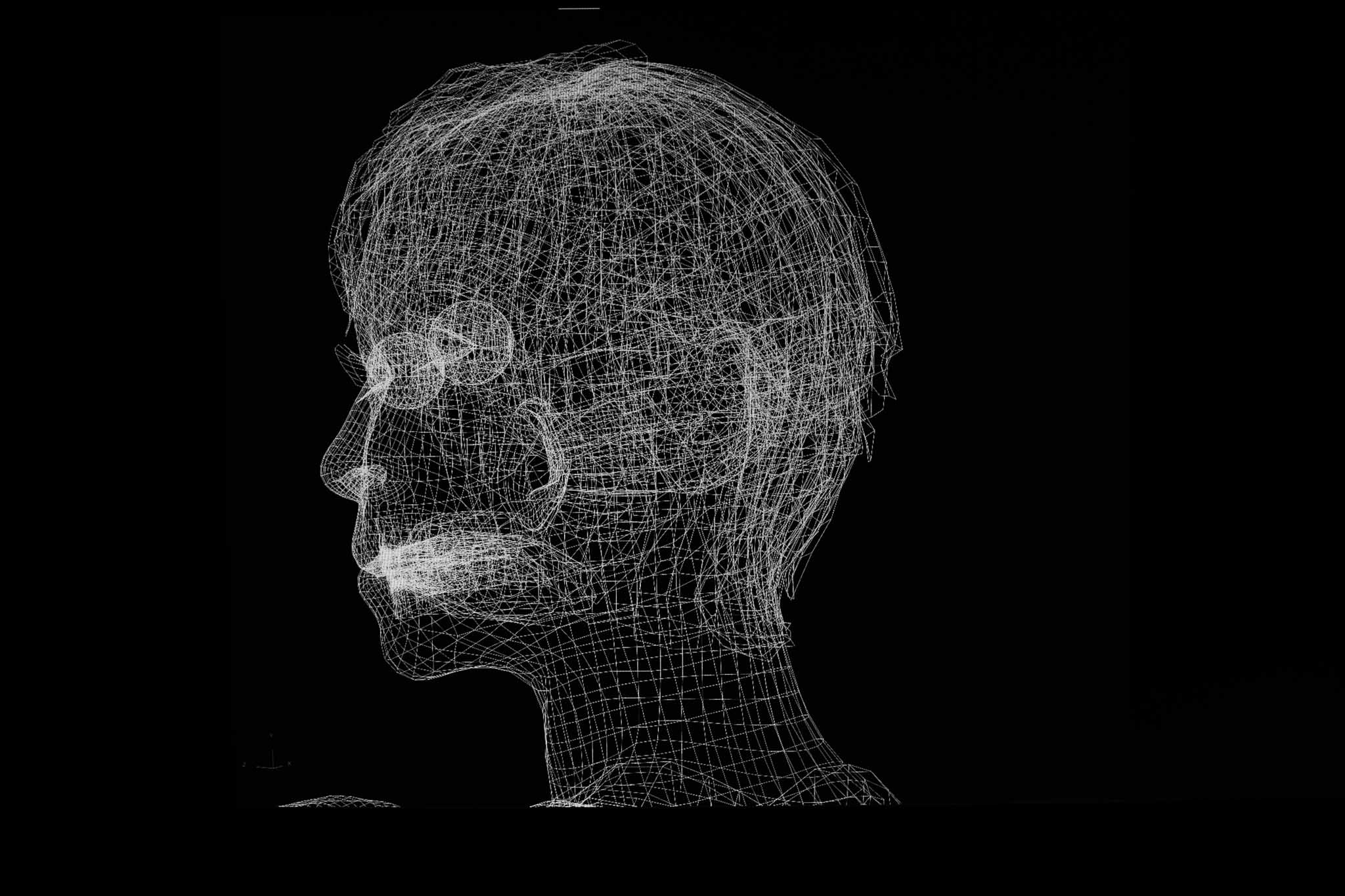
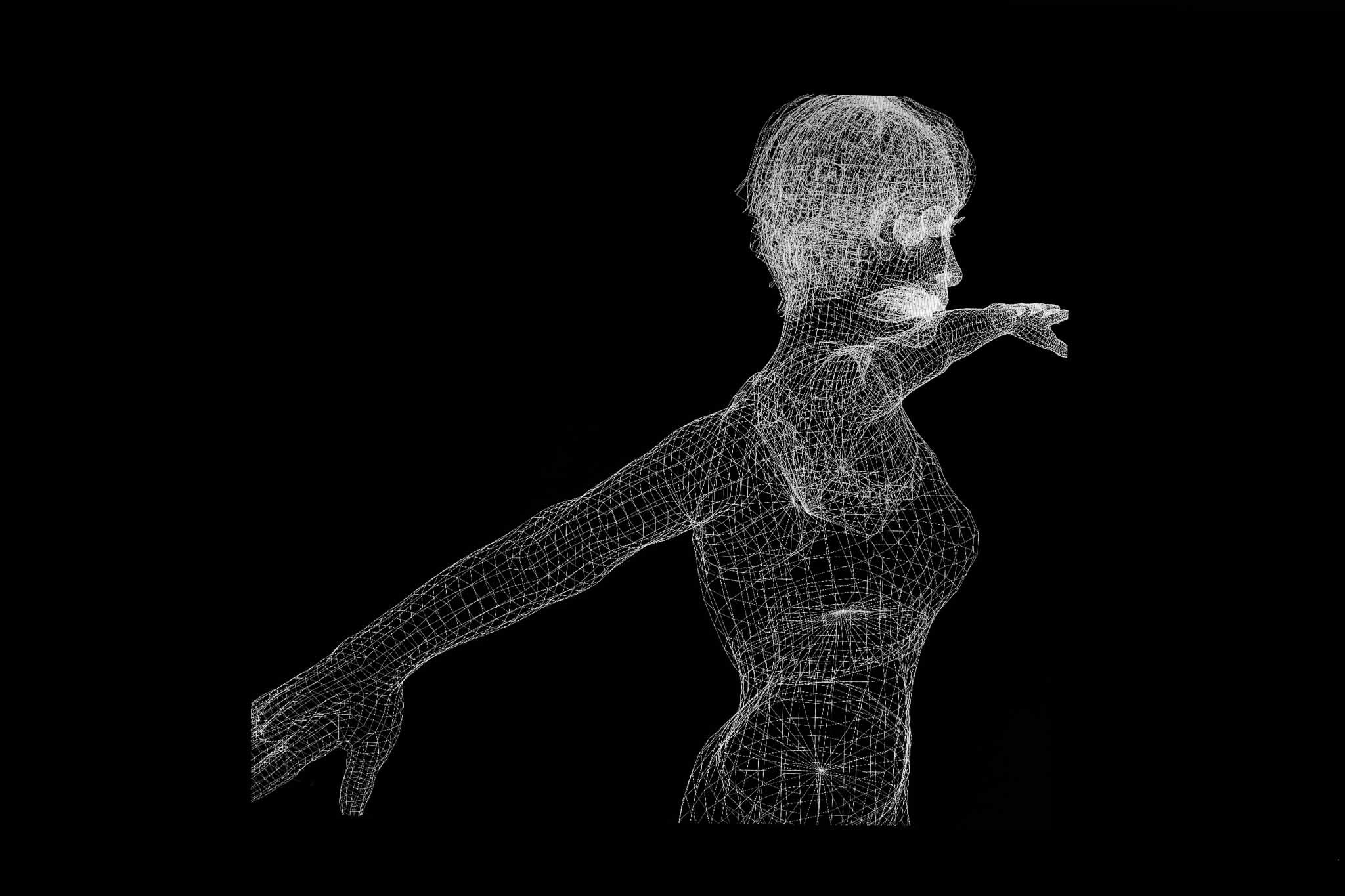
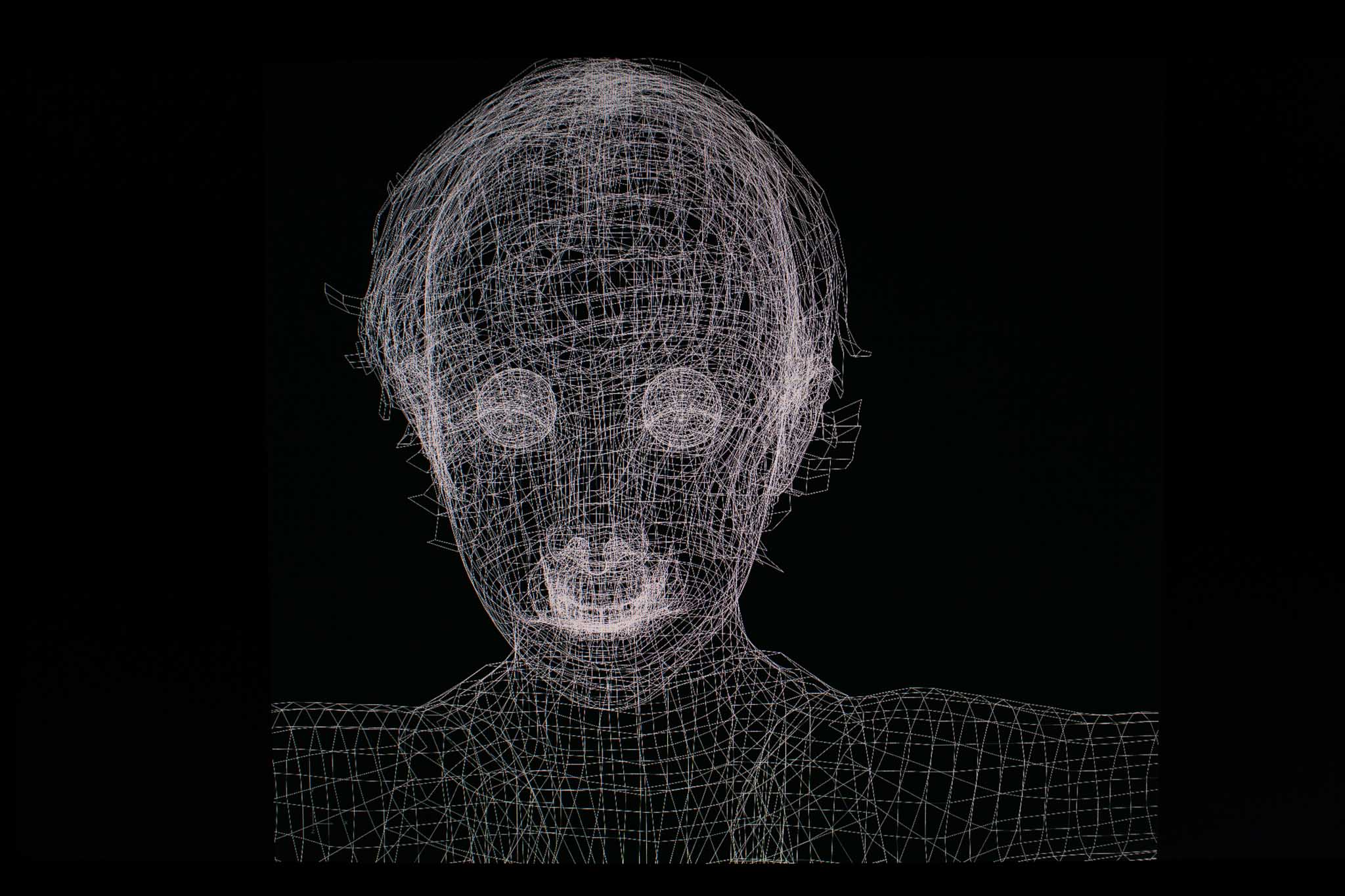
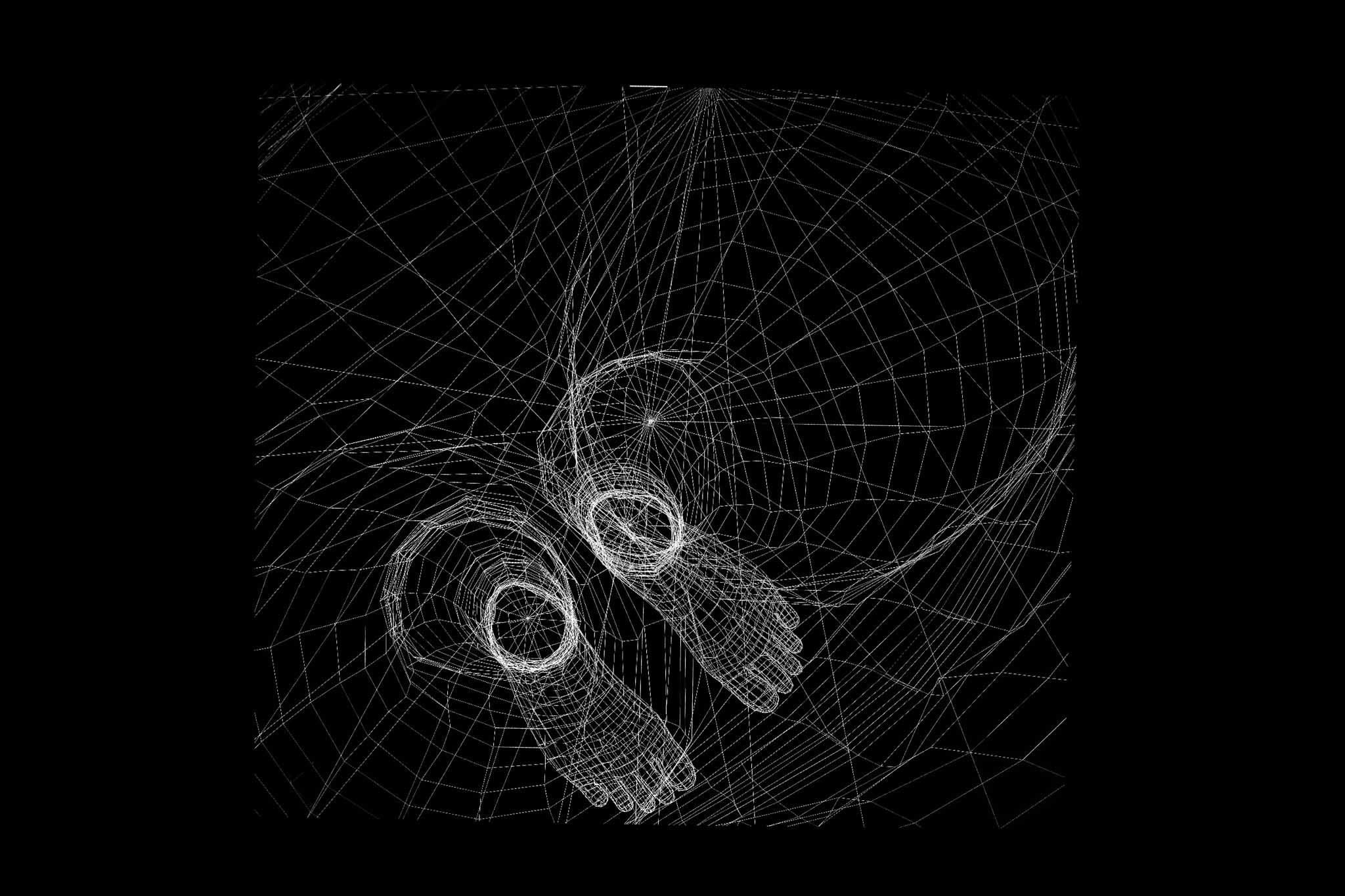
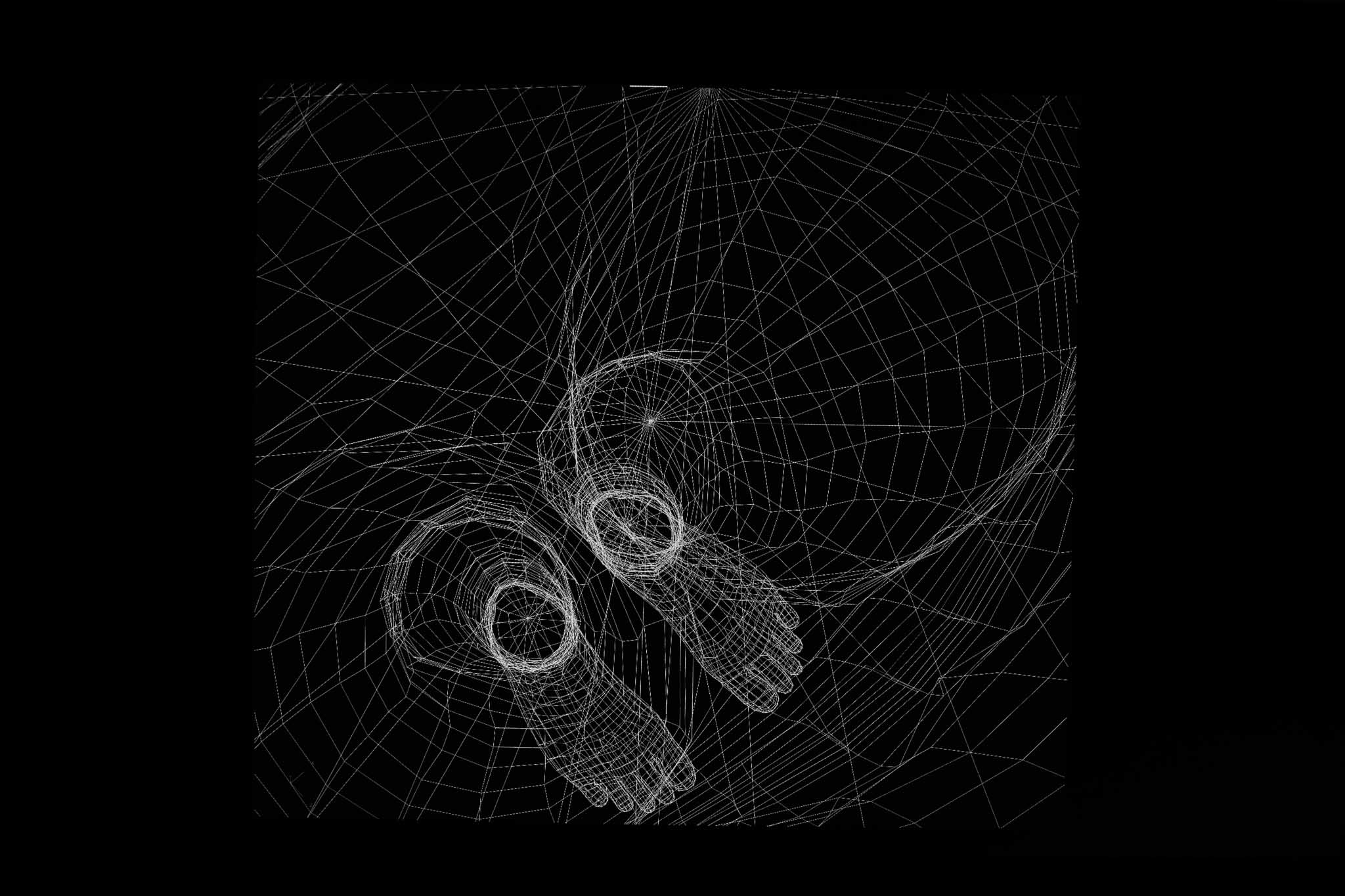
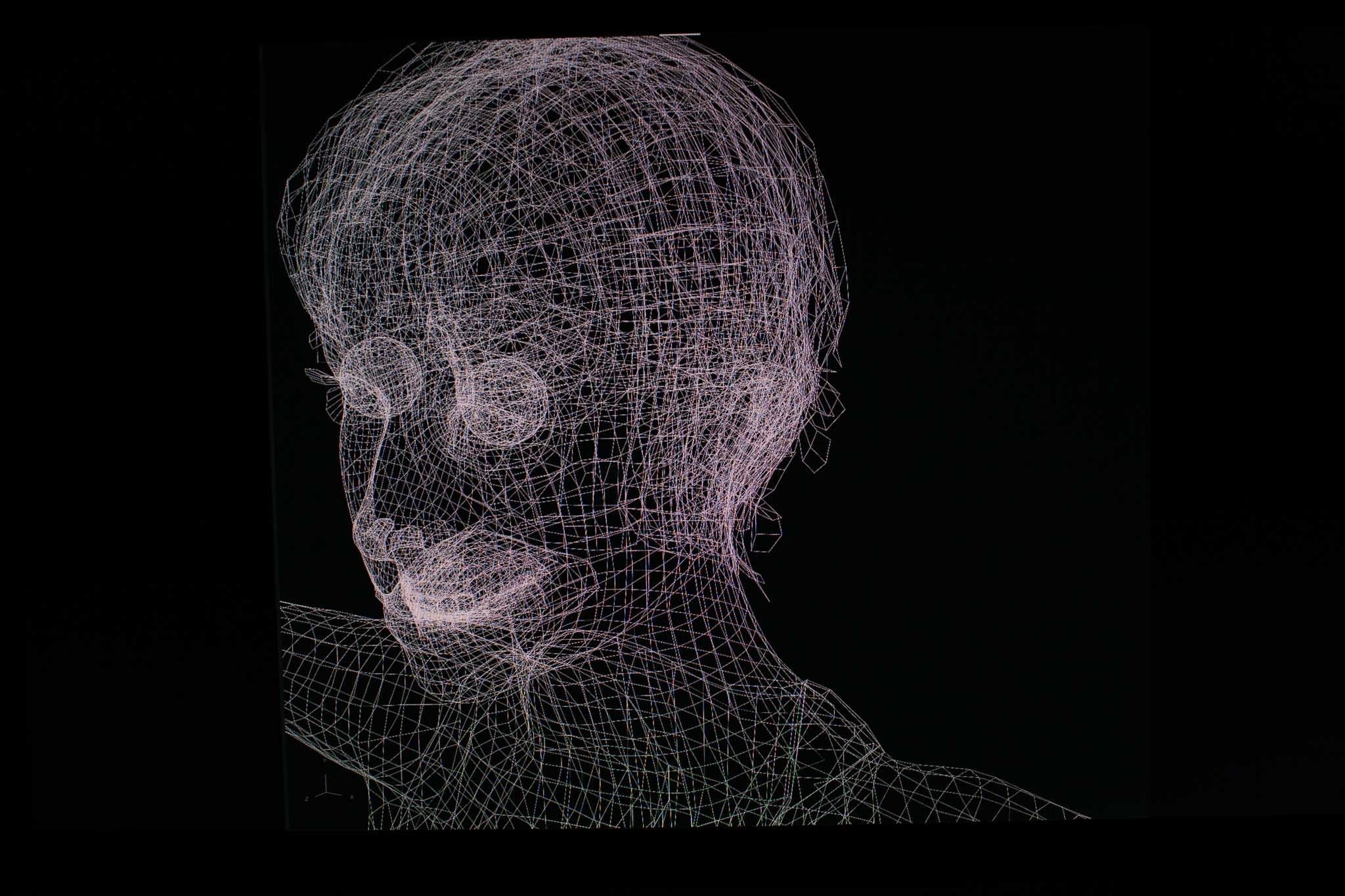
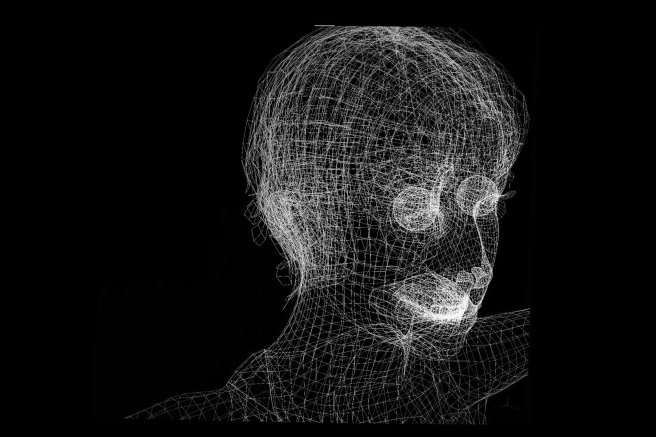
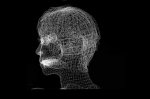
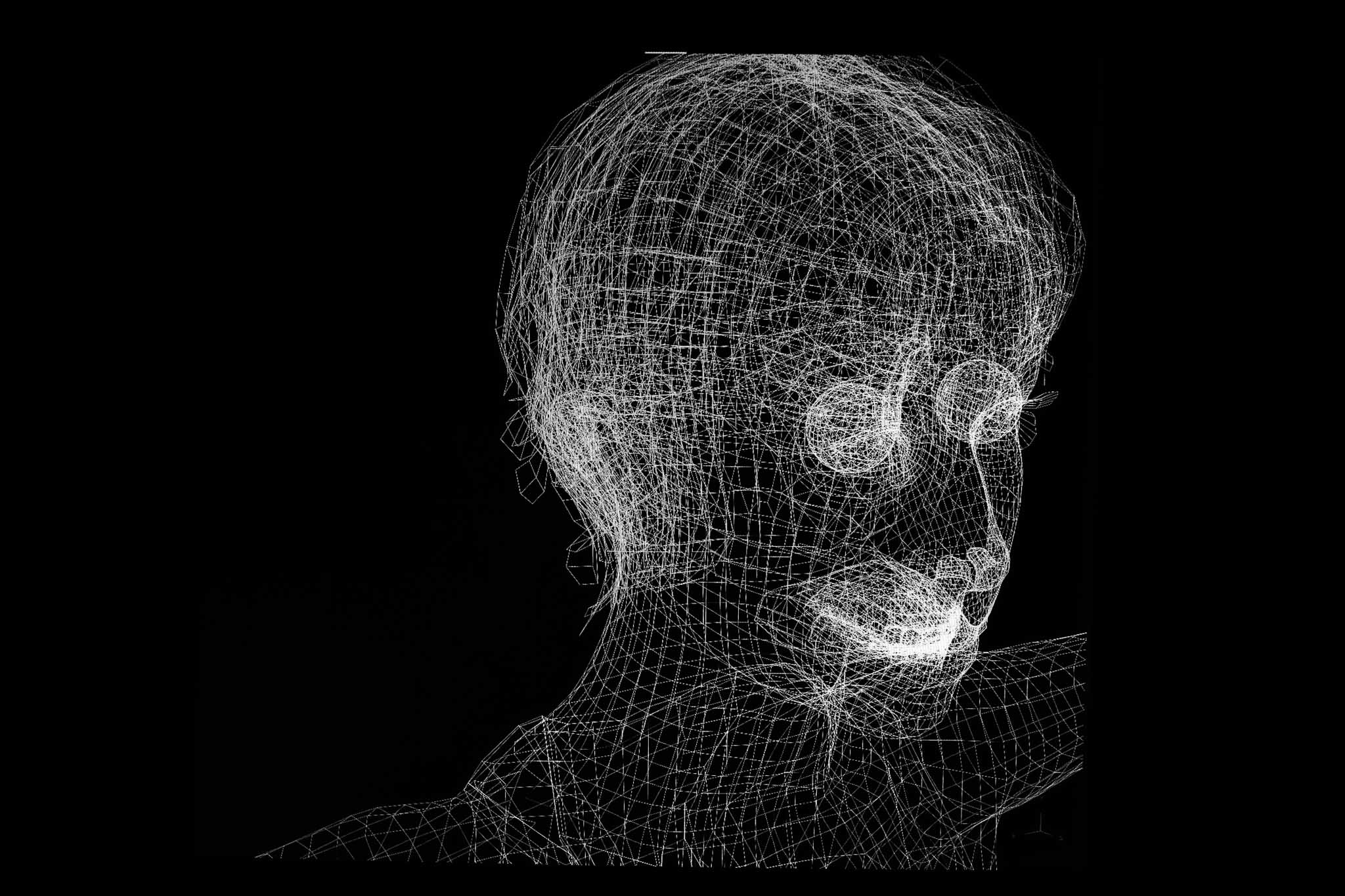
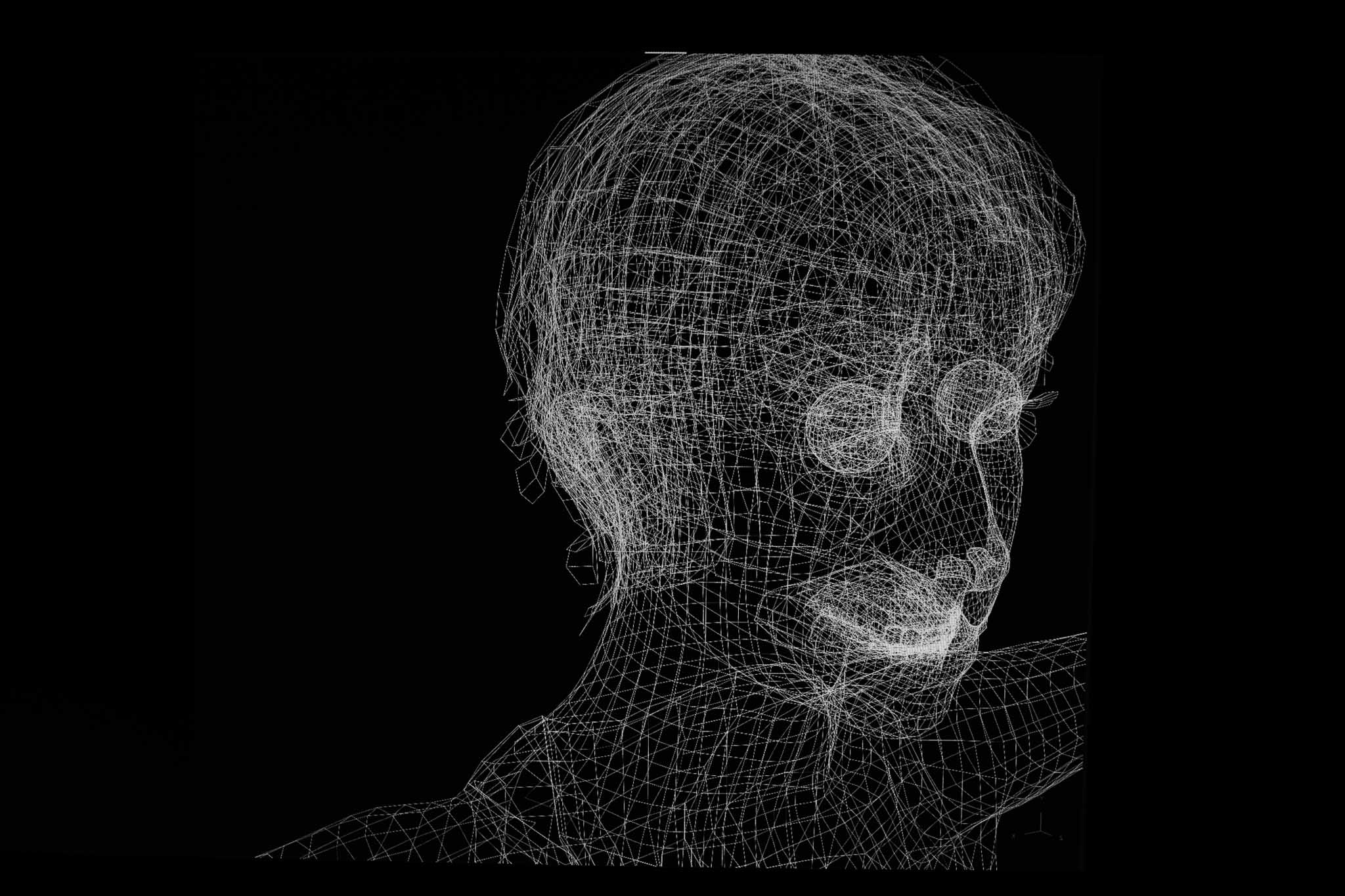
  5. Following my chat the other day with a small group of people, I was reminded of my attempts to create some very NOW looking imagery to counter the overwhleming ‘vintage’ imagery and returned to some software I’d been playing without much luck before  –  I hope these will work in print. I am not sure if they will. They are photographed off my screen. (Click in image)
    Once I have created the above and positioned everything, I will need to write up the Assignment notes and OCA reflection, including a few paragraphs responding to some things in the OCA course folder, and then I will send it over. Hopefully within ten days or so.
I really want to get some feedback before sending the offline copy to print. I don’t suppose we will be sending hardcopy anything for assessment in by September so I need to have a copy of this so I can make a little video about it.

BOWA5 (sizeA440pp) July13

(I need to print and proof)

The only extraneous pagination thing I have held onto is the gatefold. I think it is enough for the amount of content. If it were a bigger project it might have space for more but not as it is.

Summarise:

  1. Make gifs/moving image (Tom’s First Film, Eye, Shadow puppet animation and digital character animation – if possible)
  2. Place in epub
  3. Look at short video that the epub will link to
  4. Images of paper in various states  – crumpled, written on, drawn on, scribbled on.


CS A5: Tutor Feedback

Matt read a recent version which I had worked on following some interaction with a couple of quantum scientists.

I have since, following a chat with Matt, reworked the essay a bit and am now at a point where I need to edit down again – I suspect it is about 1000 words over but am just guessing and so I will need to keep working on it for a while longer to bring in it down to the correct word count. Online CS A5 Image in the age of entanglement – July14th

A5 CS Feedback Form SJFIeld


Written by the student, and endorsed by the tutor.

Key points

  • An interesting, ambitious essay which can be improved with some additions and clarifications.
  • Does the argument suggest we need a “new way of thinking about any form of representation” (MW) altogether?

Summary of tutorial discussion

  • I need to expand on why I have ‘lumped’ photography and moving image together. (Hopefully can be done with a couple of references either paraphrased or cited directly.)
  • No need to undermine myself – believe in the post-structuralist argument I’m making.
  • Do I need to follow through with the discussion about still photography falling short, if so, what comes next, process-led practice, participatory practice, etc. Matt asks, “Is the barrier created by the lens between artist and subject too great to undo? Is the obvious next step to eliminate the use of photography at all?”
  • Perhaps there is a bit of room to discuss the tyranny of Western cinematic montage patterns and conventions being absorbed into our perception of time, personal narrative etc.
  • Be clearer about indeterminism being different to uncertainty (clarify the passage)
  • Temper a couple of overly bold statements.
  • Have not made enough of a case for introduction of imperialist discussion – can it be woven in more fluently or else dropped?
  • From Matt: The anthropologist, Roger Sensi, in his book, Art, Anthropology and the Gift, looks at the relationship between art and anthropology and particularly about the nature of collaboration and exchange. Quoting Marilyn Strathern from her work, The Gender of the Gift, he says, it is at the point of interaction that a singular identity is established’. From this perspective, people are constantly being made and re-made through relations, and things are constantly being created not in contradistinction to persons but “out of persons”. Through gifts, people give a part of themselves. They are not something that stands for them, a representation, but they are “extracted from one and absorbed by another”. This continuity between people and things is what she called a “mediated exchange,” as opposed to the unmediated exchange of commodities, which is based on a fundamental discontinuity between people and things”.

Reading suggestions

See above

Summary

Strengths Areas for development
Interesting and challenging subject  No need to justify or undermine self
 Relevant Explain why putting photography in the same category as moving image
 Ambitious  Be clearer about introducing the imperialist section


Any other notes


Tutor name Matt White
Next assignment due n/a


BOW A2: Feedback

I have shared the Zine and had some helpful comments and answers via email and on Padlet following a hangout session to my questions as detailed earlier on the blog. Huge thanks for all the people who were able to make suggestions.

I am now trying to look at the sequencing again and have moved verse to front and blurb to the back. I need to cut as have 40 pages max for a zine with ExWhyZed who will print a very small run which I am going to try and sell online.

  1. On the intro, I think the shorter intro might be served better if it was just the last paragraph i.e. even shorter than your ‘shorter’ option, though with an added sentence that “places” it. Along the lines of “…made in early 2020 in Italy by a native South African domiciled in England – or some such, that alludes to the narratives you explain more explicitly.
    I too wondered about the images in the book, wondering about the sizing, I thought perhaps being too big. But then I’m not sure about the overall sizing of the book, and I think that will be critical. I don’t think there is a temporal theme going on, which I like a lot, perhaps this is more important when you realise your introduction text more completely. And as for the “Made in China” concern, don’t be concerned, it’ll “spin” your reader and not necessarily in the direction you think.
  2. Really liked the images. Useful comment about the postcard book- I may follow up for my work.
  3. I too loved the images. Agree the fish image is over-dark, also with swapping the text and the poem. Given the nature of the work is there any way to make the poem less linear too? (good idea)
  4. It did occur to me that with everything going on. Trump’s appallingness over the ‘Kung Flu’ will probably be largely forgotten so I wouldn’t worry about it. I think that image works brilliantly as is.
  5. I’m sorry I missed the first part of your presentation due to the problems I was having with audio – the sound just disappeared!
    I’m very interested int he way you aligned the images – the separation between 10 and 11 and then the placing together of 12 and 13 – would love to know your decision-making process.
    As I said, I found looking at the images placed me in a more solemn and meditative space – reinforced by your choice of mono.  I agree with comments about the importance of not having a title so that the viewer can enter the mood
  6. I very much like your zine and believe you should stay ‘true’ and leave the ‘made in China’ as it is. You have inspired me to research Cartesian theory thank
  7. (Hangout tutor) Your zine content and layout does a great job of presenting complex ideas in a creative way that’s both sophisticated and accessible. The zine format carries the work really well.I recommend investing in a copy of McLuhan & Fiore’s ‘War & Peace in the Global Village’ book, as well as ‘The Global Village’ (McLuhan & Powers) – you won’t regret it! For your CS research you might find it interesting to research Heidegger’s theories around ‘Being and Time’, and Foucault’s ‘This is Not a Pipe’ – is a great little book on  phenomenology and how the meaning we take from what we see is subjectively preconditioned (so kind of of Cartesian). Finally, Karl Marx’s interpretation of ‘technological determinism may be be of interest, too

TV Meeting: 21st March

I’ve not been able to attend these meetings for some time. So I was rather glad to be able to now that it’s being held online.

Several people shared work.

  1. Jonothan showed his project about the regular controlled burning of local woodlands. The group talked about spacing out the images, giving value to the strongest ones, honing in on a single narrative, and addressing the cover, which was described as tautological. I would suggest the twin narrative can be made to work but that it requires recognising each strand, then deciding how to weave them together.
  2. Dawn showed us her scrolls which were made with generative deep learning AI. I am desperate to find out more about this and will chase. It was great to see how someone I know has been able to make use of this technology as it has felt out of reach. Everything I have read points to large amounts of memory required – my poor old Mac is struggling as it.
  3. Catherine showed us her reconfiguring of Assignment 1. It’s been great watching her experiments with infra-red and I have sent her Hoffman’s video about seeing just in case she’s not seen it as I suspect it might be useful in some way – related to our evolutionary but parochial human view.
  4. I shared BOW A2 which I plan/hope to prints as a zine and offer or sale. I am not sure I will be able to get it printed though when the lockdown happens and may need to print it myself here – in which case perhaps as postcards – or some other format; I’ll be seeing what I can order. It’s black and white so the printing is completely doable here by me – colour is a real issue on my Canon that I’ve not yet solved.  I have also looked at a postcard booklet which I could get a printer to do but they are unlikely to be operating. Will have to see what happens over the next few days but I’d like to have it ready fairly soon in any case. See separate following post about the work.
  5. Nicola discussed her concern about the first assignment for documentary which requires you to look at community. I recalled this excellent project by John Clang – Being Together and sent it over. Seems this solution will really come into its own now. https://johnclang.com/being-together.
  6. Pauline has the same problem – being locked inside but needing to look at community. She showed us two surreal images both of which seemed to connote separateness, being locked out, boundaries both existing and being destroyed, entropy.

It was an excellent day and I look forward to more sessions like this.

Bow/CS: Life After New Media, Kember & Zylinska 2012

Some useful references: see artists highlighted in chapter below

See  –  https://www.richardgalpin.co.uk – an excellent visual metaphor

See – http://www.ninasellars.com/?catID=30 Final section in chapter provides a useful analysis

Possible inclusion for CS: The compulsion to define photography in an essay (see CS A3 and early drafts fo DI&C essay) is not merely a means of identifying what the inquiry is about. It goes to the heart of the matter which is querying the ‘Cartesian habit of mind’ (Barad, 2007). This can be resolved by seeing ‘the cut’ for what it is – a way of making meaning out of the chaos and creating matter (material or discursive). I do this making words and categories, painting, sculpting – or by capturing photons when creating images – regardless of what I do with those photons thereafter i.e. add traces together to create movement or give the illusion of stillness  – a freeze. What happens thereafter is not is being explored in this instance. It’s complex though because the thing that I do to make order (cut) compels me to want to cut photography up into a hierarchical system.

Ultimately, it is not the material, equipment or medium which is being critiqued – but the mindset.

Backed up by the following which also helps to define the cut. Highlighted sentences from a critical chapter of Life After New Media: Mediation as a Vital Process by Sarah Kember and Joanna Zylinska (2012)

With Notes – 3 Cut! The Imperative of Photographic Mediation

Kember, S. and Zylinska, J. (2012) Life after new media: mediation as a vital process. Cambridge, Mass: MIT Press. At: http://topologicalmedialab.net/xinwei/classes/readings/KemberZylinska/LANM.pdf(Accessed 11/01/2020).

CS: A2 Tutor Feedback

Scroll to the bottom for PDF link or read additional notes first:

I had an extremely useful and relatively long tutorial with a new CS tutor after my previous tutor resigned from the OCA. As is usual with me, I submitted knowing there was still much to do but I reach a point where it’s helpful to get it the work off my hands and receive constructive, meaningful feedback even though I know things are still quite murky.

I have read significantly more since finishing the draft I handed in and am continuing to do so, refining and zoning in on the one hand, but also delving further into such a rich and fantastically difficult/confusing vein of knowledge on the other – that I am still in a thinking place.

I think I mentioned elsewhere that Matt advised me to write my plan/research question (A3) then return to A2 to strip out the unnecessary stuff and focus more on the key topic, not that I know yet what that is, but I am getting a clearer idea. For a while, I thought it was performativity which I have been busy investigating and how that relates to representation and ultimately photography/moving image. I still think that is the case but I keep thinking about boundaries and the collapse of them – also representation,  – a lot of the creative writing I am doing over on Sketchbook is tackling the issues I’m thinking about but in a more instinctive way than one might do so academically. I think that is a better way of working for me. I write, then read what I have and out of that I begin to see what my concerns are.

As far as performativity goes, it seems to have two paths leading to it (Lloyd, 2015) – one theatrical and the other sociological (Austin). One is about acting – playing the role of being a person in the scheme of things, and one is about reaching potential or expectations (or not) i.e. this hoover is not performing as well as advertised; to be a female non-subject one must live up to certain expectations – the  performativity of being a ‘girl’ / ‘women’ = e.g. taking care of one’s looks/physique, acquiescing (don’t be too bolshy or difficult  – that is underperforming  – think Kate in The Taming of the Shrew), having a certain a maternal aura, kind, gentle, quiet when necessary etc. Some women perform ‘well’ (like a hoover – they match up to requirements) others, myself included, ‘fail’ to. I think that is the very basic difference between the two versions of performativity and that needs to go into my Lit Review. Then there is theatricality – dismissed by the modernists and many more besides (Fried, 2008/1967) – especially nowadays when it’s de rigueur to be slapdash or else anti-commodified, or to give the impression of being so even when not.

I need to figure out how to tie (or if I must) this in with photography being ‘boring’ (Elkins, 2011 – and many more, including me.) Incidentally, I don’t necessarily dislike any of those anti -things, and really like them at times. However, I have noticed I can be far more ‘mundane and every day -ish in my writing than I can be in my photography.

I have yet to really get anywhere near to grips with Barad’s use of performativity at the quantum level but I have just ordered her Meeting the Universe Half Way, and I think there will be plenty of direct passages that can help me with my research there.

I am also wondering if I should have a glossary – is that allowed? There are some tricky words that I don’t want to spend too long explaining  – or waste too many words explaining unless it is necessary – I need to find out if this is considered acceptable or not.

Here is the feedback which I wrote up following the tutorial. A2 CS Feedback Form


BOW: A2 Tutor Feedback

feedback-sarah-janefield_tr_2-bow

I have had useful feedback from Ruth about the work I submitted. Attached are her thoughts and my responses, some of which we discussed in our meeting and some of which were written only (from both of us).

Main points –

  • stick to working on my own for the moment. I agreed and had reached that conclusion already. As interested as I am in collaboration because a) I used to act so was used to that way of working – although have found working on my own more productive and the autonomy more satisfying b) I am interested in the collapse of boundaries and boundaries between selves is one aspect of that – from a personal point of view, establishing and maintaining my own boundaries is something I have needed to do and so I have resolved, for now at any rate, to do that.
  • If I were to write down what the book I submitted was about in two sentences how would I do it? I am not yet sure but I know I am looking at nebulous boundaries, a lack of certainty and a move away from ‘fixedness’ in today’s world.
  • The writing I included was written after several weeks of watching the stars and listening to stories wondering why on earth humans are so hubristic and nuts about our egos since all you have to do is look up and see how insignificant we are. A favourite line from Measure for Measure which I have referred to before is;
    “…man, proud man,
    Dress’d in a little brief authority,
    Most ignorant of what he’s most assur’d—
    His glassy essence—like an angry ape
    Plays such fantastic tricks before high heaven
    As makes the angels weep; who, with our spleens,
    Would all themselves laugh mortal.”Measure For Measure Act 2, scene 2, 114–123 
  • My own more direct version is here.
  • Keep writing, keep taking images. I am doing so. I must say that the text I wrote about the mummies took a summer of being in Italy and having relatively little to distract me. Normal life is frustratingly less conducive but I am doing what I can.
  • Look at photobooks and similar themes.


BOW 1.2: Peer feedback

Peer feedback (to be added to as and when it arrives)

MA student, not OCA

Ok, watched it a couple of times and – sort of – in the spirit of your word suggestions:
erotic,
sensual,
creation,
procreation,
recreation,
fragility of the personal,
timelessness/cyclicalness
I think this is the best ending you’ve made so far, I loved it.
I was interested (and happy) to be confused by certain juxtapositions, the narrative structuring that built in my mind. And those confusions are quite important at the length of the piece.

OCA Student

I watched both the Village work and also your Collaborative (music) work and remain in awe of your creativity – well done.
As so often in the past I struggle to understand and this is maybe because I don’t let myself ‘feel’ rather than trying to interpret.  So bearing this in mind the video made me think of the microspores around us all the time and the beginnings of life.  Some of the images are intact quite sensual.  I found that I needed to watch to the end and was not tempted to cut it short.  Overall, thought-provoking and creative.
In terms of showing it, I suspect that if it cannot be projected you are stuck with a screen of some form.  How about embedding the screen in some form of ‘box’ or ‘lightroom.  This could be large or small depending on how you want the viewer to see the screen.  It could be looking at it through peep-holes or fully immersed in the ‘room’  Thinking randomly, the room could be made of some form of black drapes with a few places for people to look in.  Alternatively a form of tunnel with viewers looking in.  Difficult but I am sure somewhere an idea will gel.
OCA Student
I felt that there were elements of: texture, ambiguity, alien, biological, and possibly sexual. Micro to Macro overlays.  I found the appearance of the woman in the red dress very sudden. The colour of your own images is jarring, as is the sudden audio. I liked the overlay of the images and juxtaposition between them. There is a theme of flowers opening – sexual reproduction, particularly when overlain with the cell movement? I felt that towards the end there was an overlay of control / eugenics and possibly abortion? The final feeling for me was tragedy.
Reading your poem reminded me of a book I read a few years ago – Mitchell, D (2014) The Bone Clocks London: Sceptre – there is a quote that I used for a documentary project:

‘Then all those little pale lights,’ whispers Holly, ‘crossing the sand, they’re souls?’

‘Yes. Thousands and thousands, at any given time.’ We walk over to the eastern window, where an inexact distance of Dunes rolls down through darkening twilight to the Last Sea. ‘And that’s where they’re bound.’ We watch the little lights enter the starless extremity and go out, one by one by one.

 I, like Doug, found I needed to watch the film to the end. But if you decided to make it shorter it wouldn’t matter either. Probably the first half felt ‘slower’ to me than the second half.
I think Doug has made some excellent suggestions regarding presentation. You could either project on a wall and go large, or have an ipad or small phone as the screen and make people look up close, with some headphones. Both could work. With the idea of an iMac, it may distract from the piece itself?

2 October Hangout
  1. Version with Game Boy music: Really felt taken back to the 80s and enjoyed it. Imagined it being watched on a small screen reminding her of Nintendo Gameboy further. Enjoyed the sexual angst present in the film. Was confused by the presence of the men – but didn’t mind feeling that confusion. Felt the film worked as a conveyor of a specific feeling.
  2. Felt the film was still in early development and imagined it would be refined further but enjoyed it on the second watching. Felt too confused by it the first time around though.

    There was a discussion about moving image and still photography and how/why moving image is accepted on the course.  I stressed that all tutors have been very encouraging about using moving image and indeed, I’ve seen some of them encouraging others to experiment with it more.

BOW 1.1: Feedback form and tutorial​

Yesterday I had a meeting with Ruth online and this morning I have added to the feedback form and sent it over to her.

An abbreviated version below: 

The film demonstrates technical and visual skills, and imaginative handling of the found footage to draw out its haptic qualities and communicate a critical re-reading of the material. The three sections ‘verses’ have distinct atmospheres. Overall sense of the film: it could be much shorter and thereby allow the viewer to be swept up in the whirl of the imagery and music but not start figuring out what is going on.  The length somewhat detracts from the open-endedness of the film, and suggests a potential narrative. Let’s discuss this, along with choice of film, precedents (similar/related work); rhythms (from sound and visual edits such as speed, image manipulation etc.)

Before meeting for an online tutorial, I sent Ruth a blog post (password protected, available on request or supplied for assessment) which explained why even though I agreed in the main with her about the film, I felt reworking Sirens was impractical and undesirable. I have been working on another collaborative project and suggested submitting the results (or a part of them) for the A1.2 and sent some work in progress. I can see that the course wants us to be prepared for reworking projects as part of an ongoing process. But I have often done this in any case during my time with the OCA and either do so or sometimes choose not to, moving on to something new instead or ditching previous ideas/work altogether and starting again from scratch. So accepting feedback and reworking is not unknown to me. We agreed in the end that Sirens had been a good stepping-stone but that my time would be better used moving forward with the next project.

Extra information which I’ve not talked about on the feedback form

Ruth and I agreed that submitting the Pic London work will be the best use of my time. I had shared some Work in Progress.

  • A film
  • A set of stills taken in the village I was in Italy (some of which are in the film at the moment – WIP – so who knows if they’ll stay)
  • A poem I wrote while making and thinking about this work. The poem will be in a booklet accompanying the installation made by the Pic London group and is a research document rather than a catalogue.

Ruth said as the film stood now she couldn’t make sense of it. But that she thought the poem was strong. I ended the session ready to ditch the film altogether but that feeling had dissipated by the end of the day. The film is important but needs more work. I try to remind myself of Adam Curtis’s comment about showing unfinished work. “I just think it’s incredibly risky to show stuff early on when you’re trying to combine, say, two or three different narratives together to make a bigger point. It’s so easy to get it wrong. Because you can see it in your brain, but they don’t know your brain.” (2018)

https://www.theguardian.com/film/2019/jan/18/adam-curtis-and-vice-director-adam-mckay-on-how-dick-cheney-masterminded-a-rightwing-revolution

However, it was great to have such positive feedback about the writing and I have been thinking about how I might show it outside the book, if at all. Ruth suggested submitting that part for A1.2.

I think the best thing to do is forge ahead thinking in terms of the exhibition and then think about which elements I submit to the OCA, if not all of it. One thing Ruth said which struck a chord was that there will be a lot of work at the venue, and it will be like a graduate show which I have thought before too. How do I make sure my work doesn’t get drowned out? Maybe I can’t ensure it doesn’t but presenting something striking but simple is one possible way of addressing this. The writing could potentially work, as it’s full of visual imagery but isn’t an image.