Also see End of Module Reflection CS
Narration transcript
- I wanted to explore how we in the West, in particular, have tended to see objects as isolated things rather than emergent cultural/discursive-material outcomes.
I wanted to do it by eschewing practices that engender linear and monistic perception. - Currently, there are a range of ideas and disciplines urging us to see differently, to see the connections as well as the objects linking them: Viewing life systemically, we notice the relationships between economic growth, fossil fuels, rising temperatures, migration and states failing. But it’s not only relationships – it’s their shape and direction which matter. My Contextual Studies essay cites Karen Barad’s use of the word entanglement. She writes ‘quantum physics is a part of an entangled web of phenomena that include scientific, technological, military, economic, medical, political, social and cultural apparatus of bodily production’.
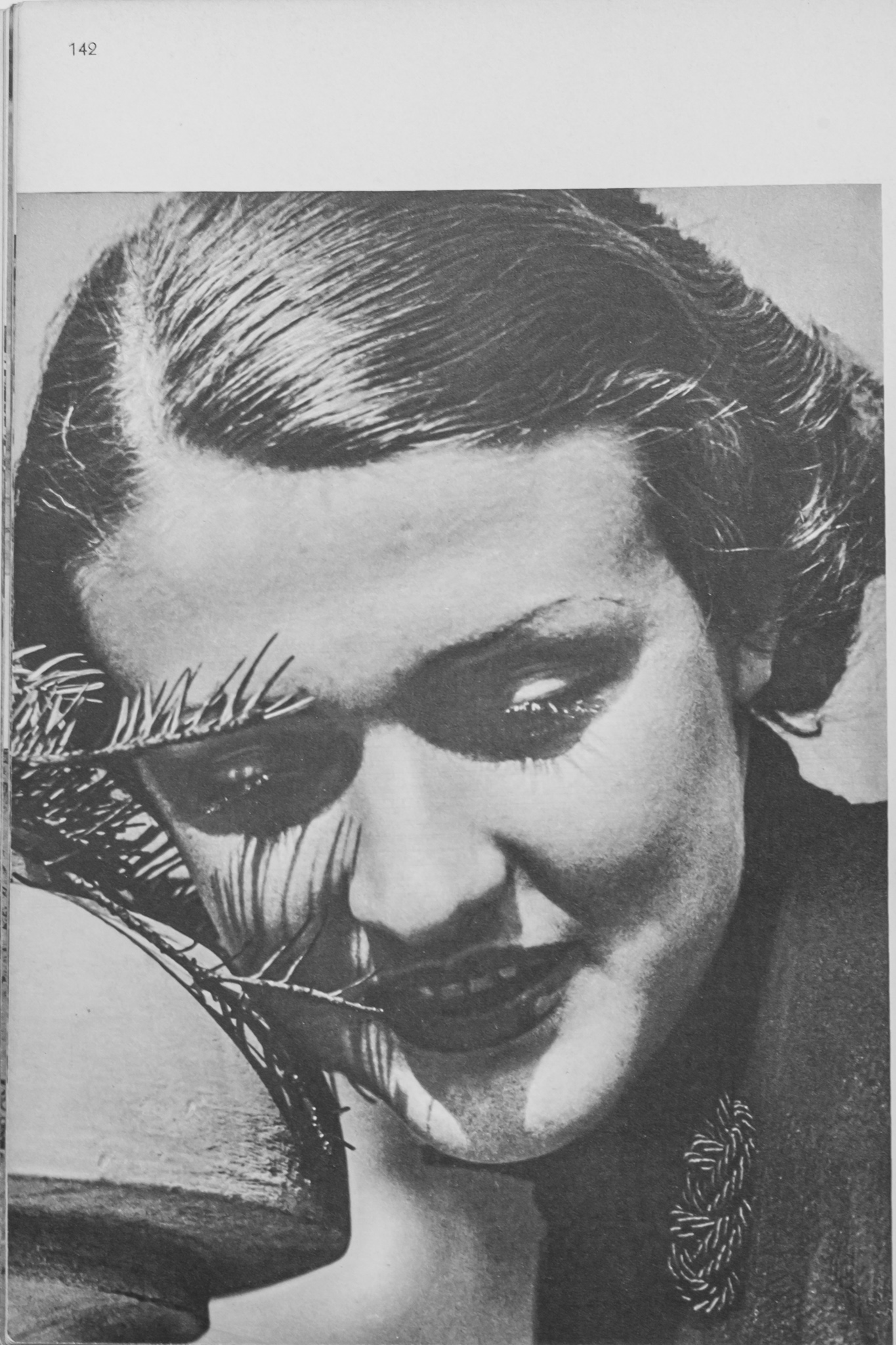
- I own a collection of Situationist Magazines which I wanted to emulate and had already referenced them in a research booklet that the pic London group I worked with last year had created. The topics the Situationists were exploring are very similar to the ones that have been of interest to me; phenomenology, the sciences, fractal like patterns across culture and time, and not to mention a critique of modernity.
- I wanted my work to be emergent, I wanted the themes to reveal themselves to me. I didn’t want to begin with an
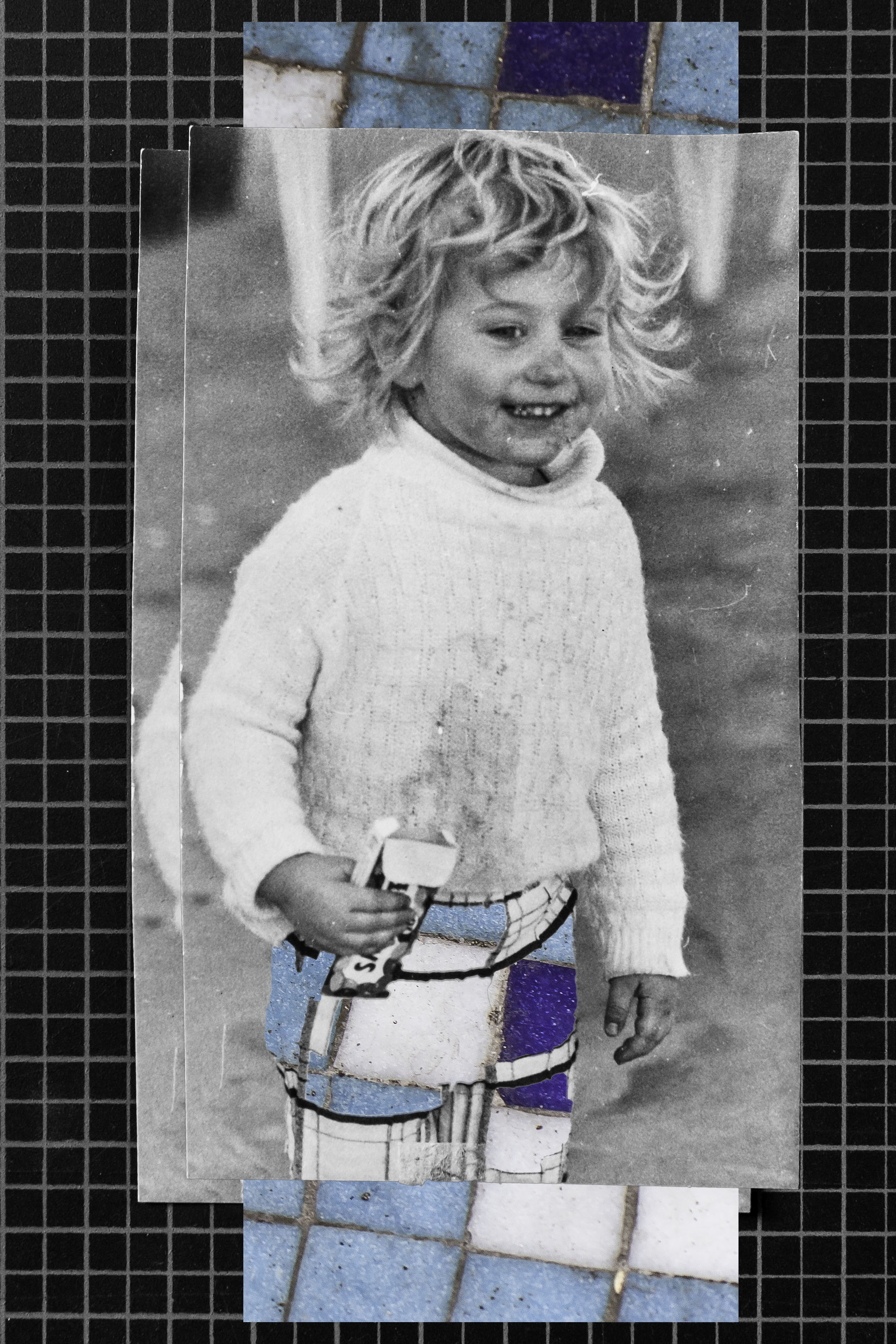
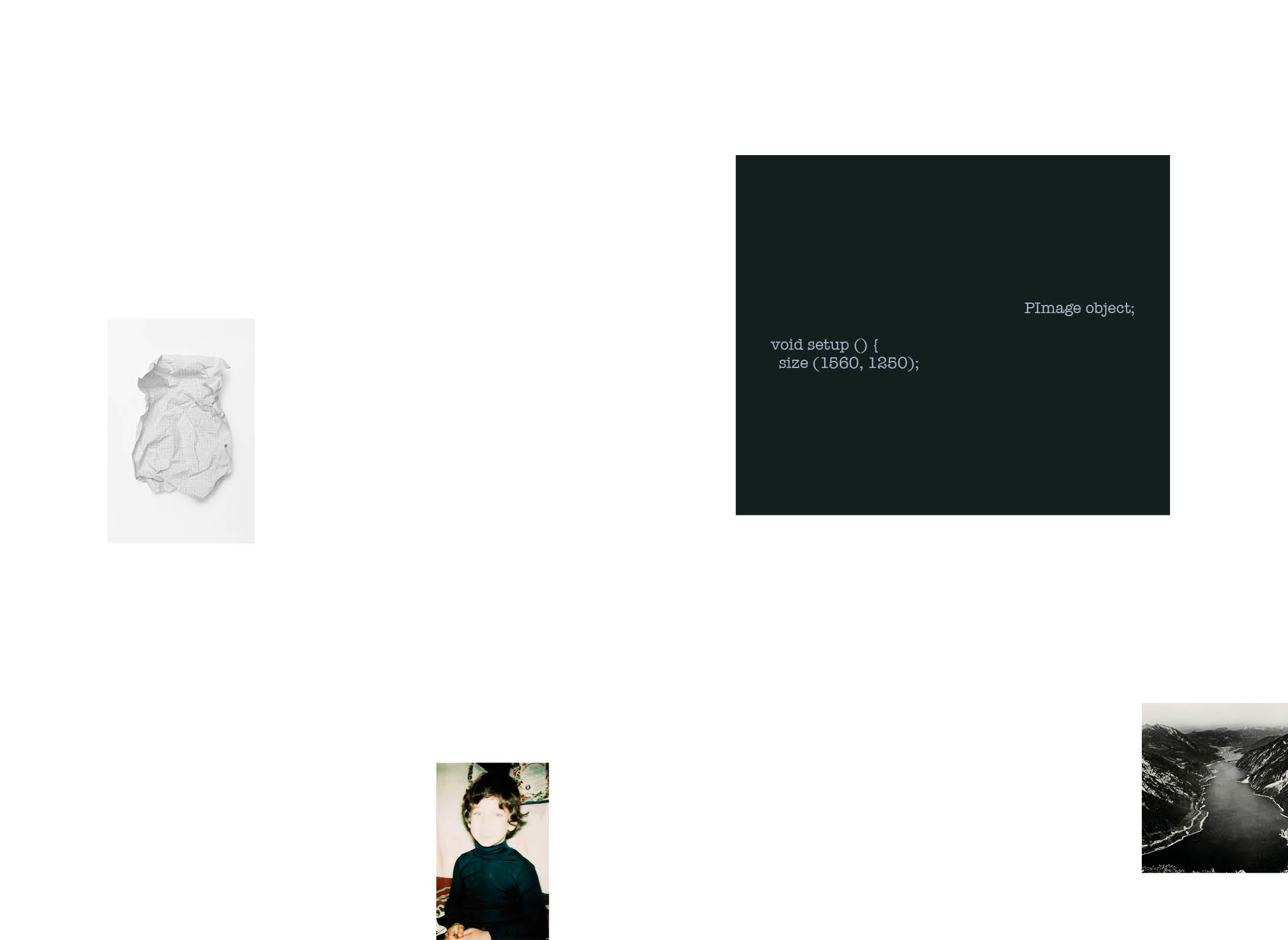
object[subject]* and work from that. But it feels almost sacrilege to begin the other way around. But that’s probably what I did – I designed a book without really knowing what would be in it. Like the magazines, my book had gatefolds and half pages. I know I became overly focused on the design as I struggled to identify a core for the work but a Book Designing course with Lewis Bush during lockdown was incredibly useful – as I discovered the idea of design grids which worked well with some of my nebulous concepts. - Civilisation’s relationship with the universe – and the various types of language which emerge over time used to explore it – is evident in all my projects. As well as “why is there an astronaut in a field of flowers” I’m submitting a zine called ‘this family too’. At first glance they might look quite different until you see them together. Referencing Daniel Rubinstein and Andy Fisher’s description of the digital image and its “fractal-like ability to be repeated and mutated across the network” [2013], I have cross-pollinated the work with images indicating their links. Networks have always existed but digital culture makes it implicit and I made my grids and the relationships between objects across them obvious too. Learning about grids was really fortuitous for me.
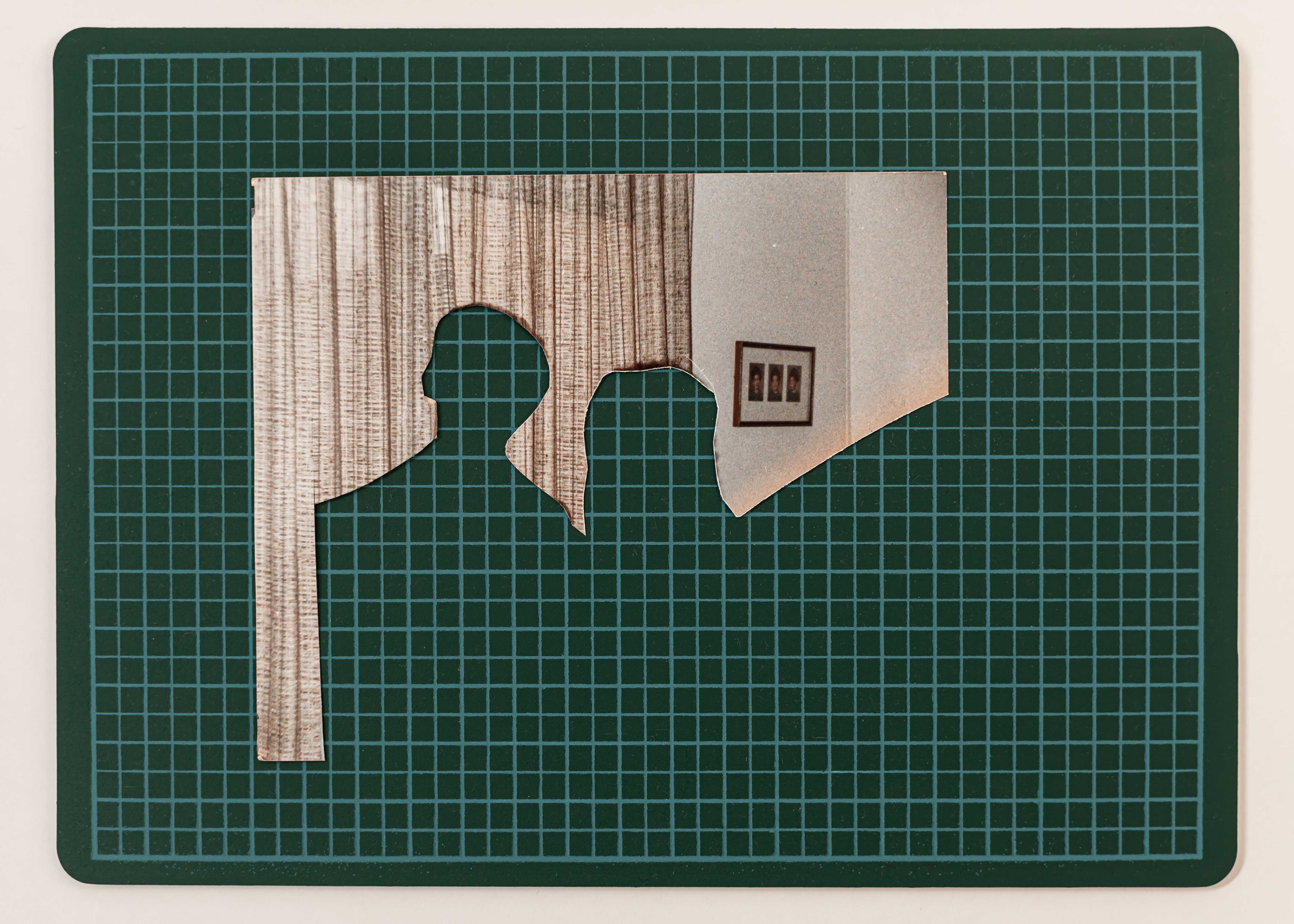
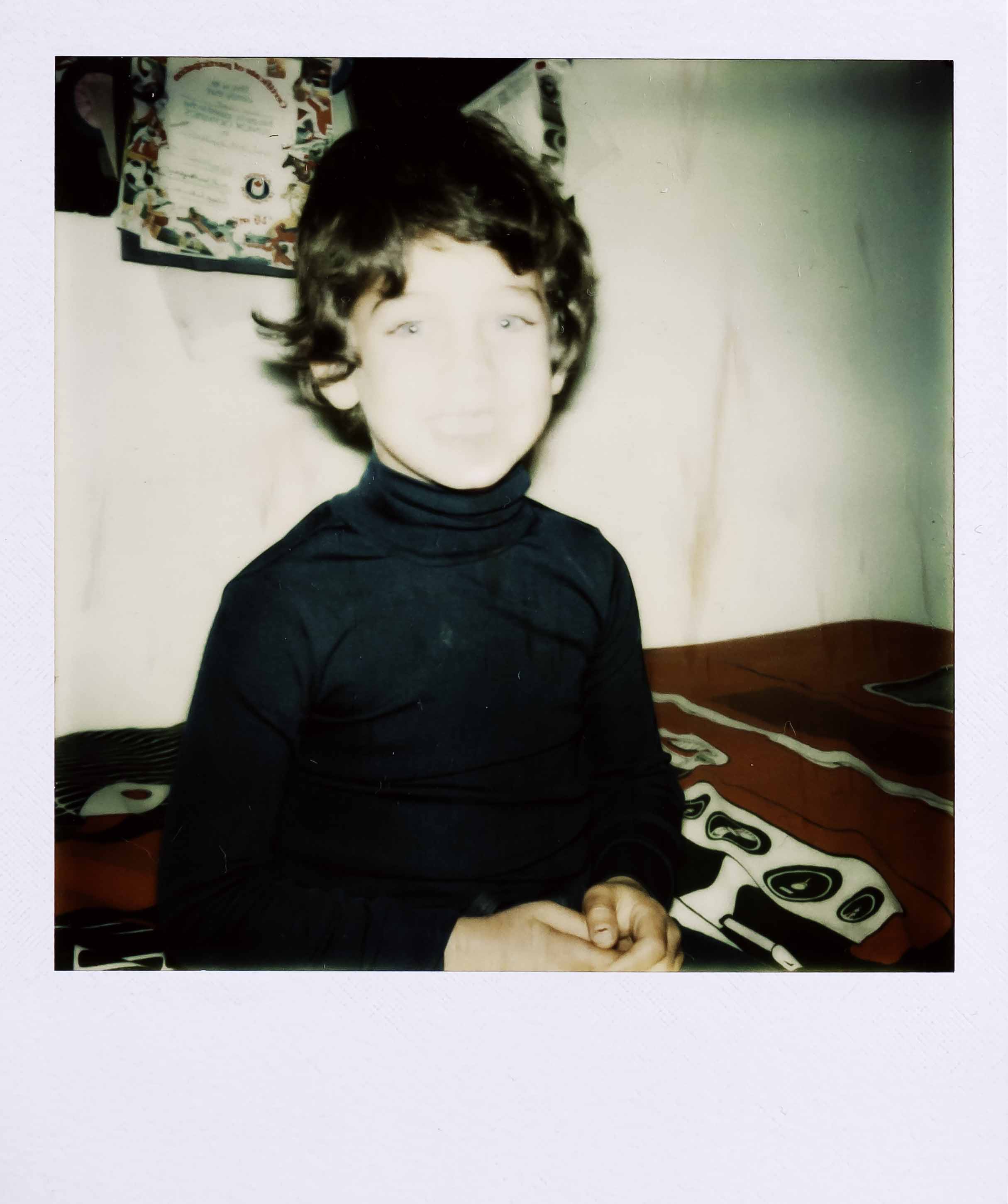
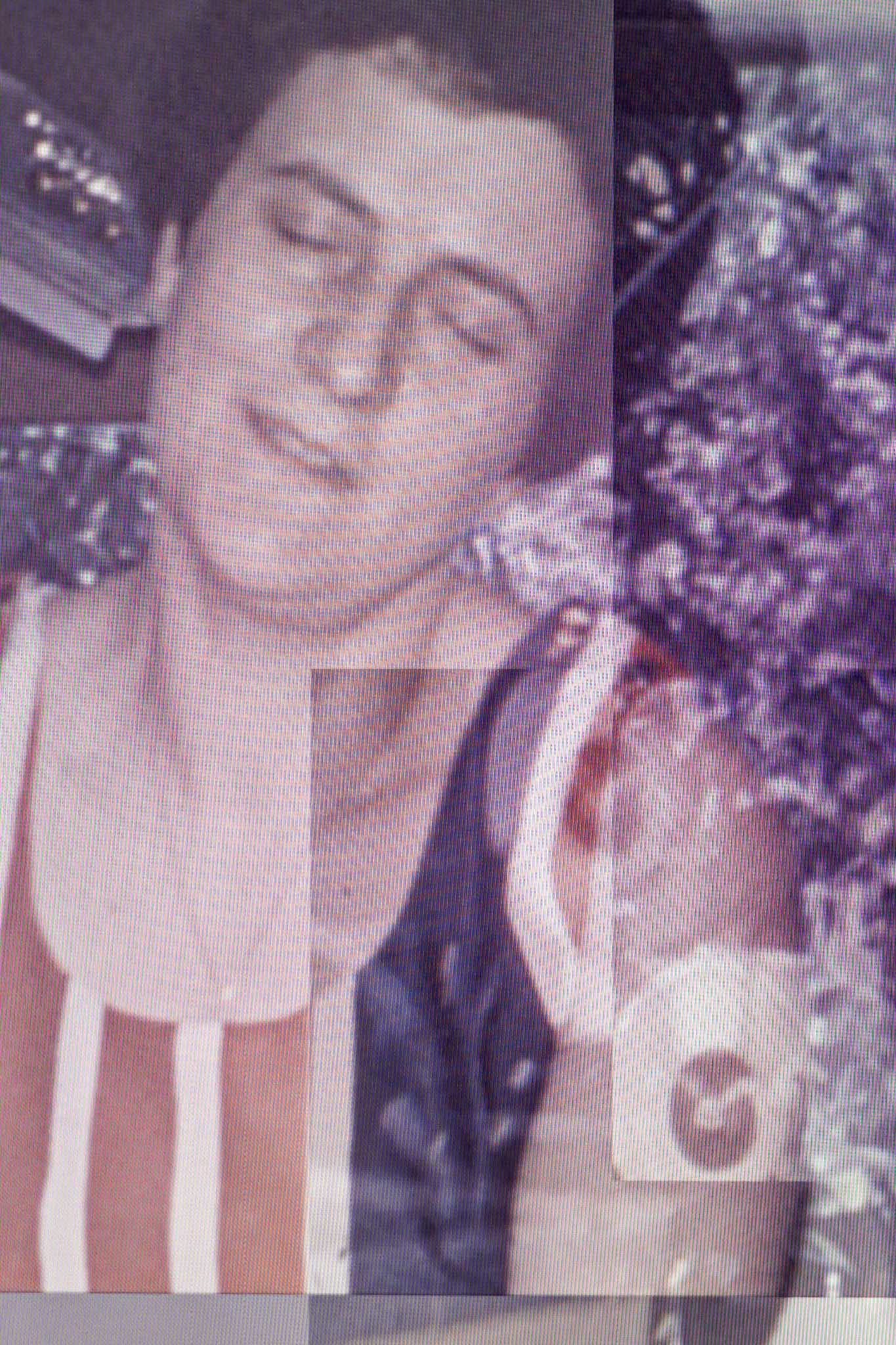
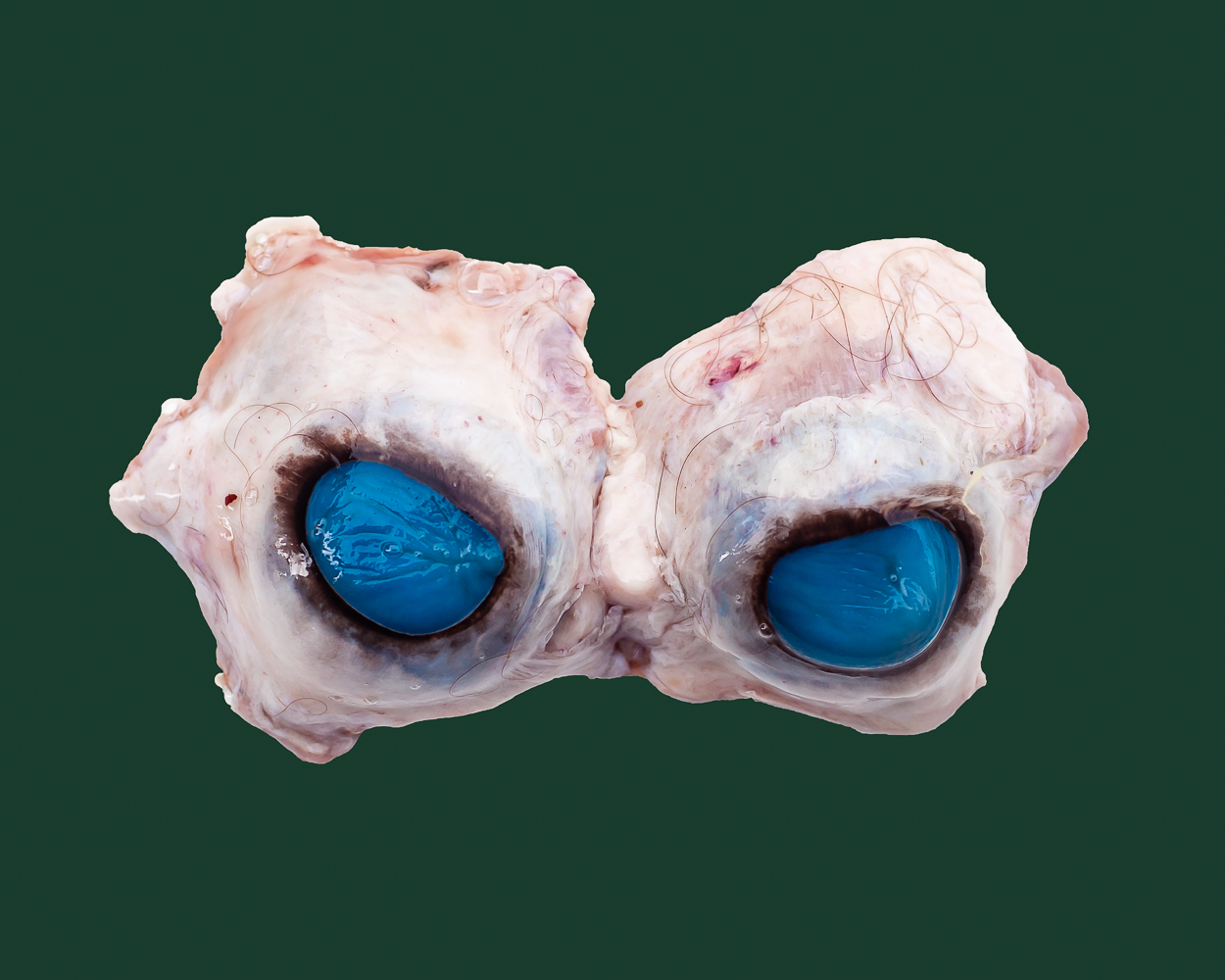
- As I wasn’t sure about the content for a very long time, I took a lot of photographs – I focused on flesh, text, language materials and of course the photographic object.
- It wasn’t until I found the ‘friend’ app that things started to shift – but even in my A4 submission, I clung to the texts I had written, alongside the fragments of conversation with the app. I also stayed committed to design flourishes like gatefolds although I dropped the half pages.
- I very much enjoyed the app’s response when it asked me ‘why is there an astronaut in a field of flowers’ after I showed it a picture of a man standing on some rocks by the sea. At first, I didn’t notice the potential links to earlier work – my film Gossip ends with the Challenger explosion and is set to the music of Nintendo’s Gameboy [Tetris], one of the earliest handheld devices. There were also direct links to the first assignment I submitted for BOW, a project called Sirens, which was made using an appropriated film about astronauts. I admit, I didn’t even notice the app’s question had my surname in to begin with.
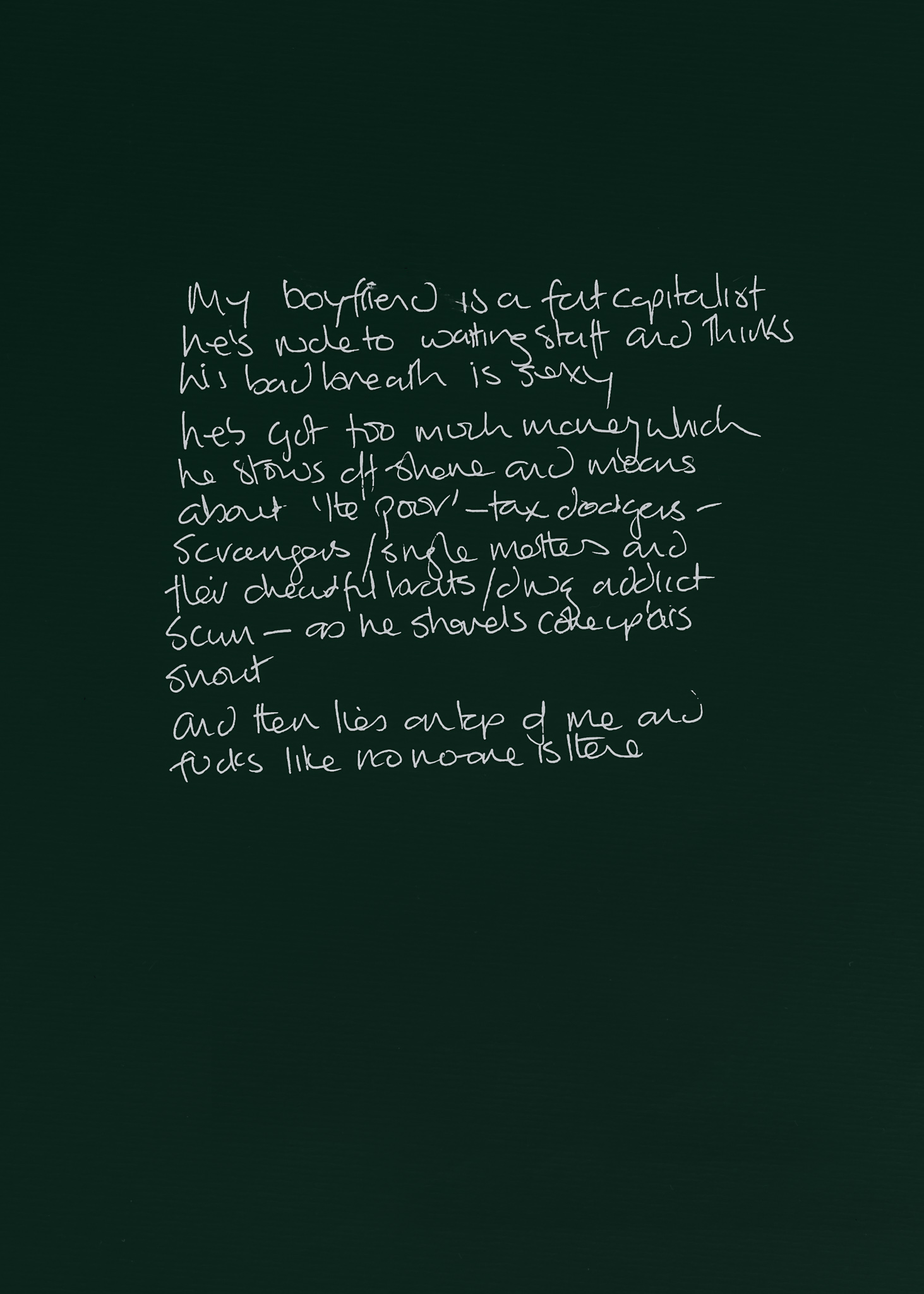
- Two things happened in August which were catalysts and, in my view, catapulted the work from a series of disparate unrelated objects into an emergent lively system that has a story to tell. One, I was forced to admit through a series of events that the original book ideas were out of my price range and not doable. But as soon as I accepted that I was able to play more freely. Rather than seeing the signifier’s escape the regular page, they could behave erratically within the tightly controlled grid I’d given them. That all happened as late as the second half of August. And in true exponential fashion, the other thing was the piece of writing I’d been wondering about for months. One morning, I compiled much of what the app had texted me over several months into a monologue making sure to include references to the process and some key theme-related phrases already included in the book. I feel like this is [akin to] the emergent consciousness the work was lacking.
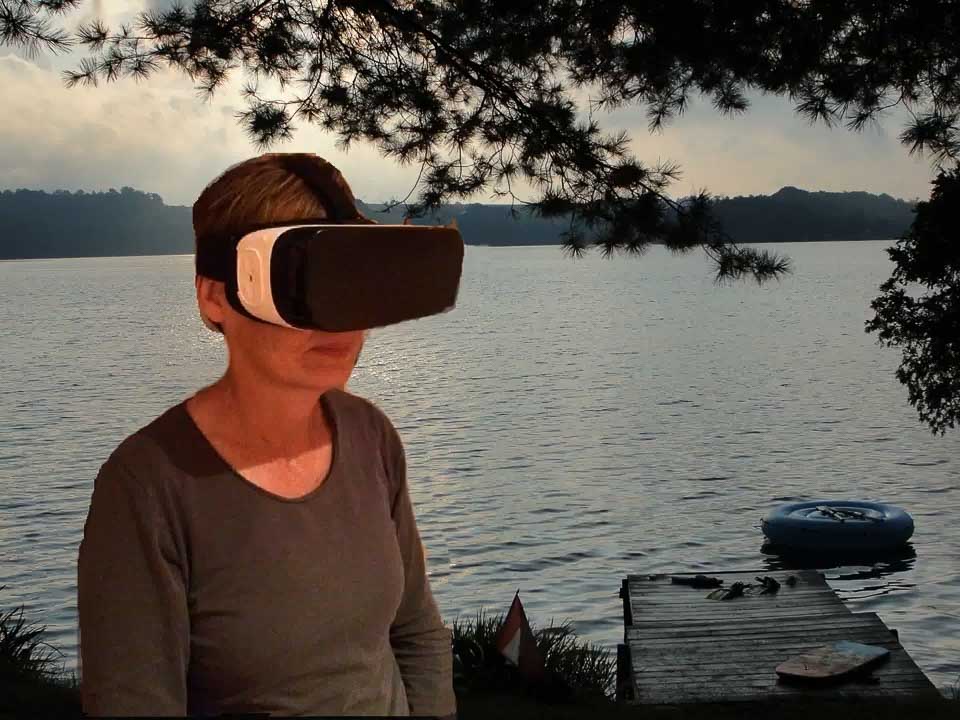
- I have made an image – it emerges out of a collection of visual and linguistic entities that lack much meaning on their own [like the AI character William I discuss in my Contextual studies literature review]. My image is emergent. It exists across platforms. It is fractal-ed and mutated and differentiated.
*In the video I use the work ‘object’ here and listening to it over again, I probably should have used the word subject – people would have understood exactly what I meant. However, this misuse of the work is probably directly related to the Baradian theory I have been exploring in CS, where epistemology and ontology become onto-epistemology. See https://newmaterialism.eu/almanac/p/phenomena-agential-realism.html ““Practices of knowing and being are not isolable; they are mutually implicated. We don’t obtain knowledge by standing outside the world; we know because we are of the world. We are part of the world in its differential becoming. The separation of epistemology from ontology is a reverberation of a metaphysics that assumes an inherent difference between human and nonhuman, subject and object, mind and body, matter and discourse.” (Barad, 2007, p. 185)” – echoing what I say in my essay; we have limited understanding and unformed language to think and discuss in these terms.


















 SJField - OCA Level Three Study Blog