

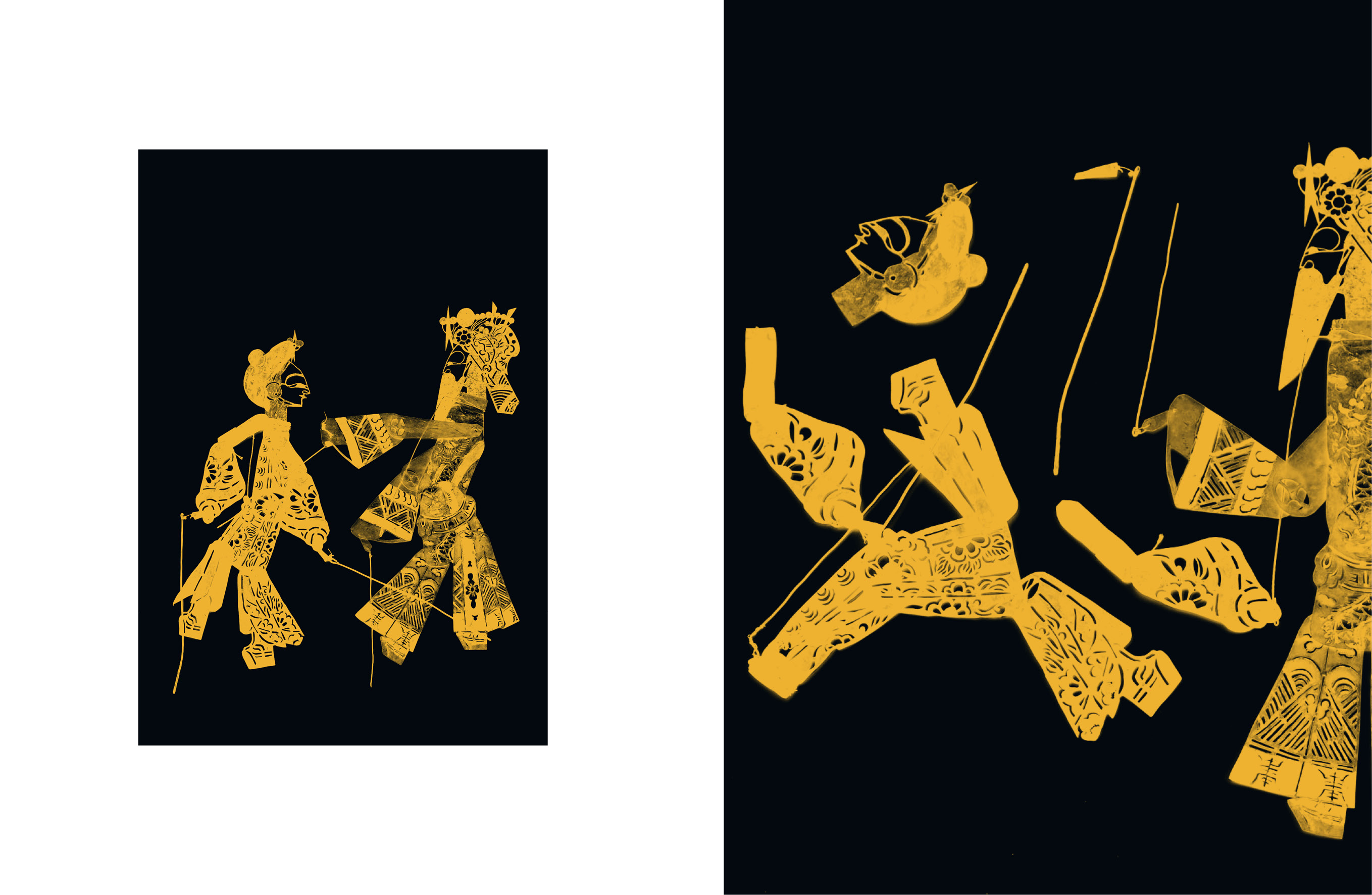
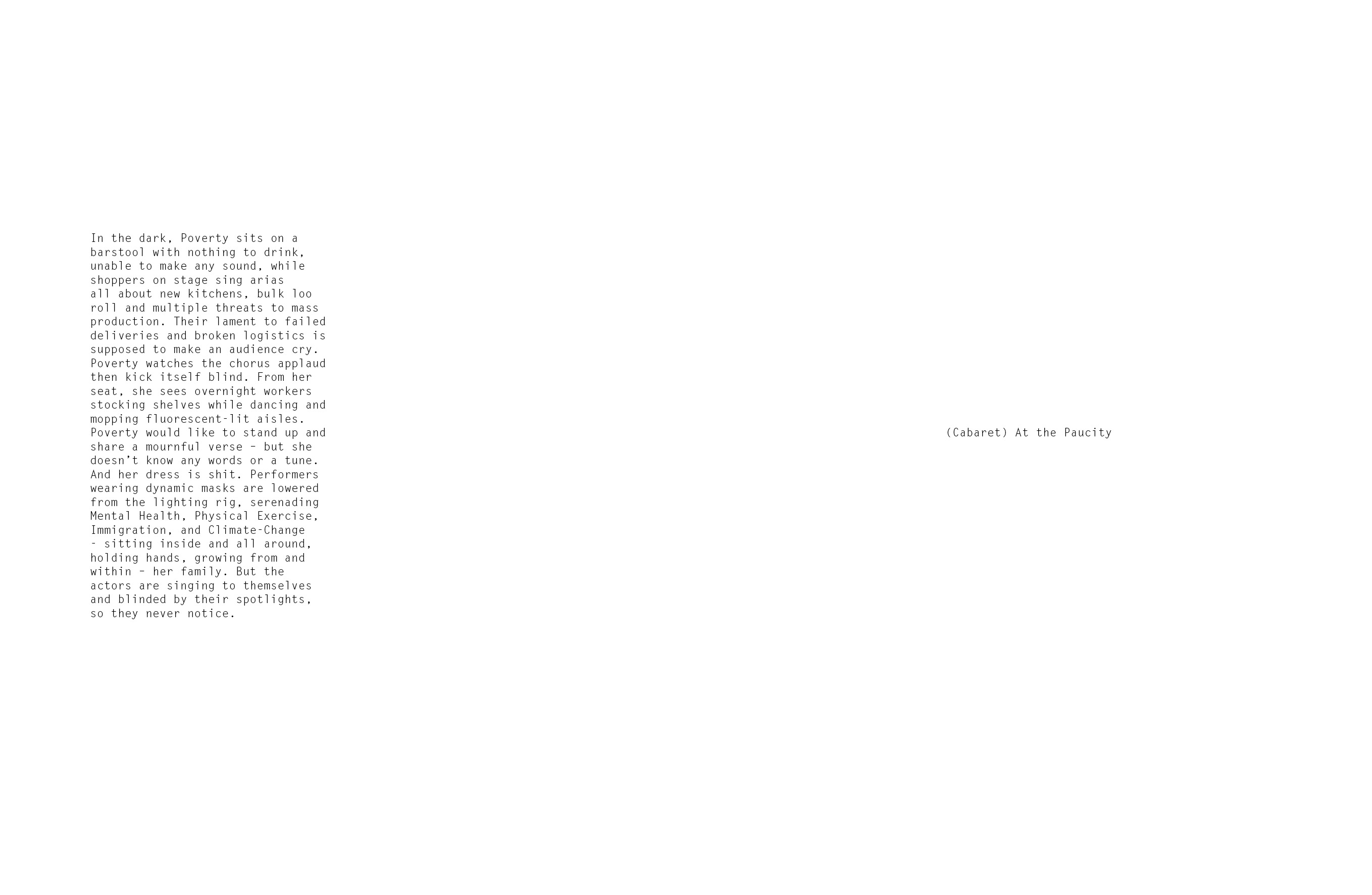
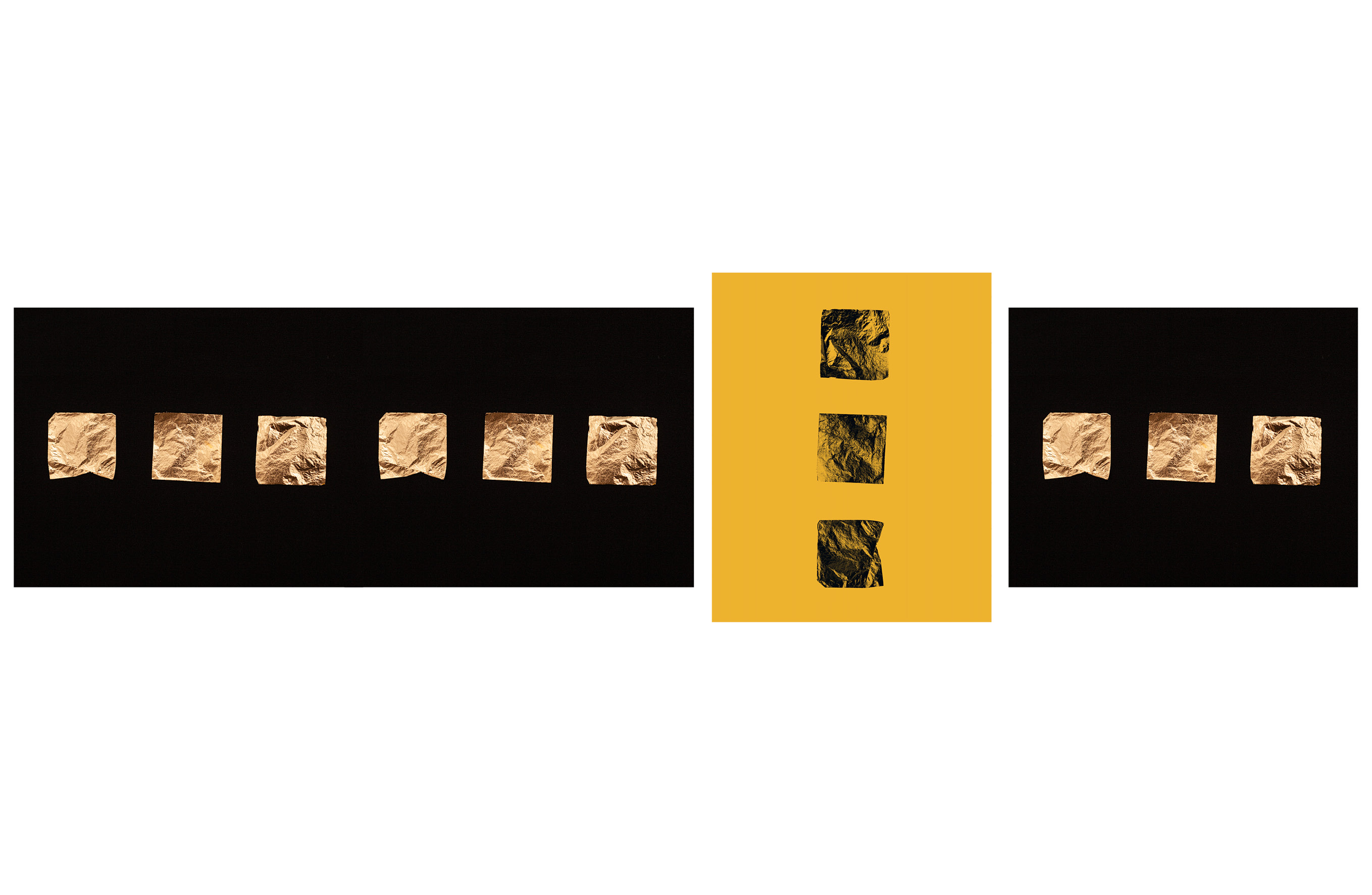
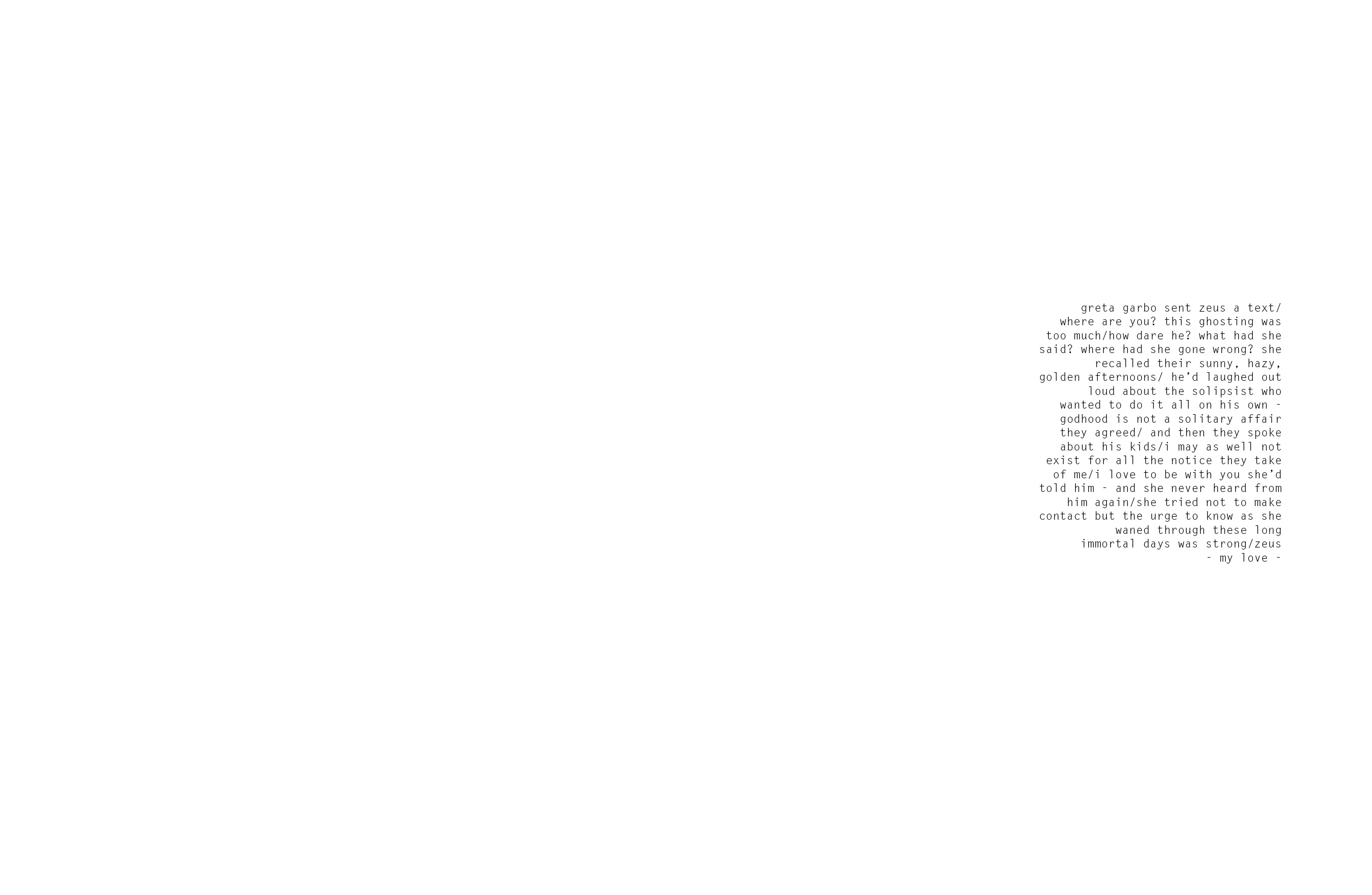


How the work came about:
I think I arrived at the title for this iteration – Cuttings – after reading a relevant chapter from Life After New Media (Kember and Zylinksa (2010). I have been attempting to look at the way we construct reality which is a vast subject and not much of a micro-narrative with which to contain the subject. Edgar Martins and Lisa Bernard both explore the sort of ideas I’ve been playing with but they are contained within precise and potent narratives. I have looked at Martins’ work, Siloquies and Soliloquies on Death, Life and Other Interludes (2016) which is ostensibly about death as it says in the title, but woven throughout is a relatively new way of examining and constructing the world – a non-linear, non-Cartesian way; one that is influenced by a modern form of science which does not see a world filled with discrete unrelated objects. (Even death is viewed somewhat differently through this emerging lens).
In an interview, Lisa Bernard says of her work, The Canary and the Hammer (2019) – (which I have only read about and not seen except online):
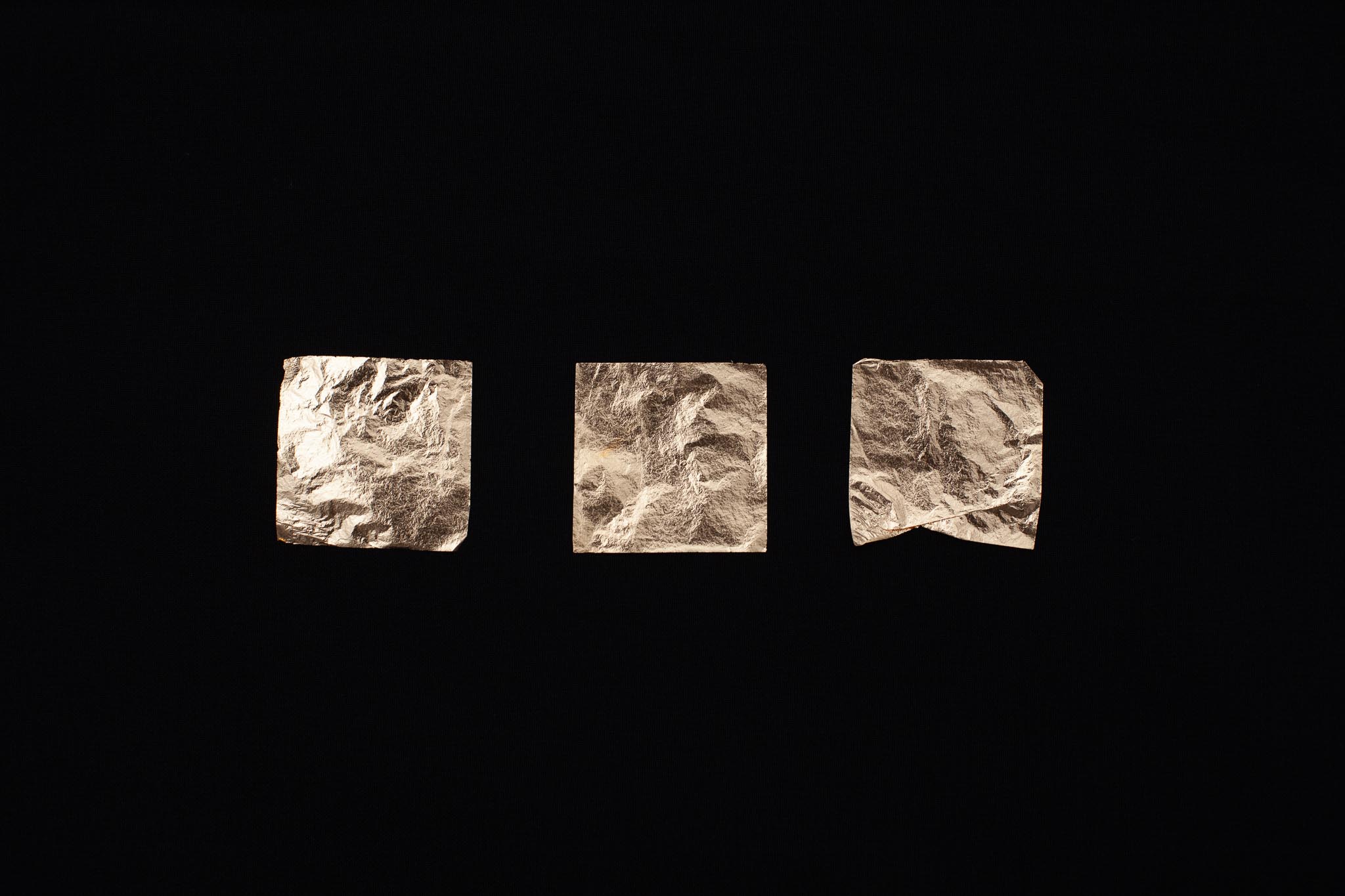
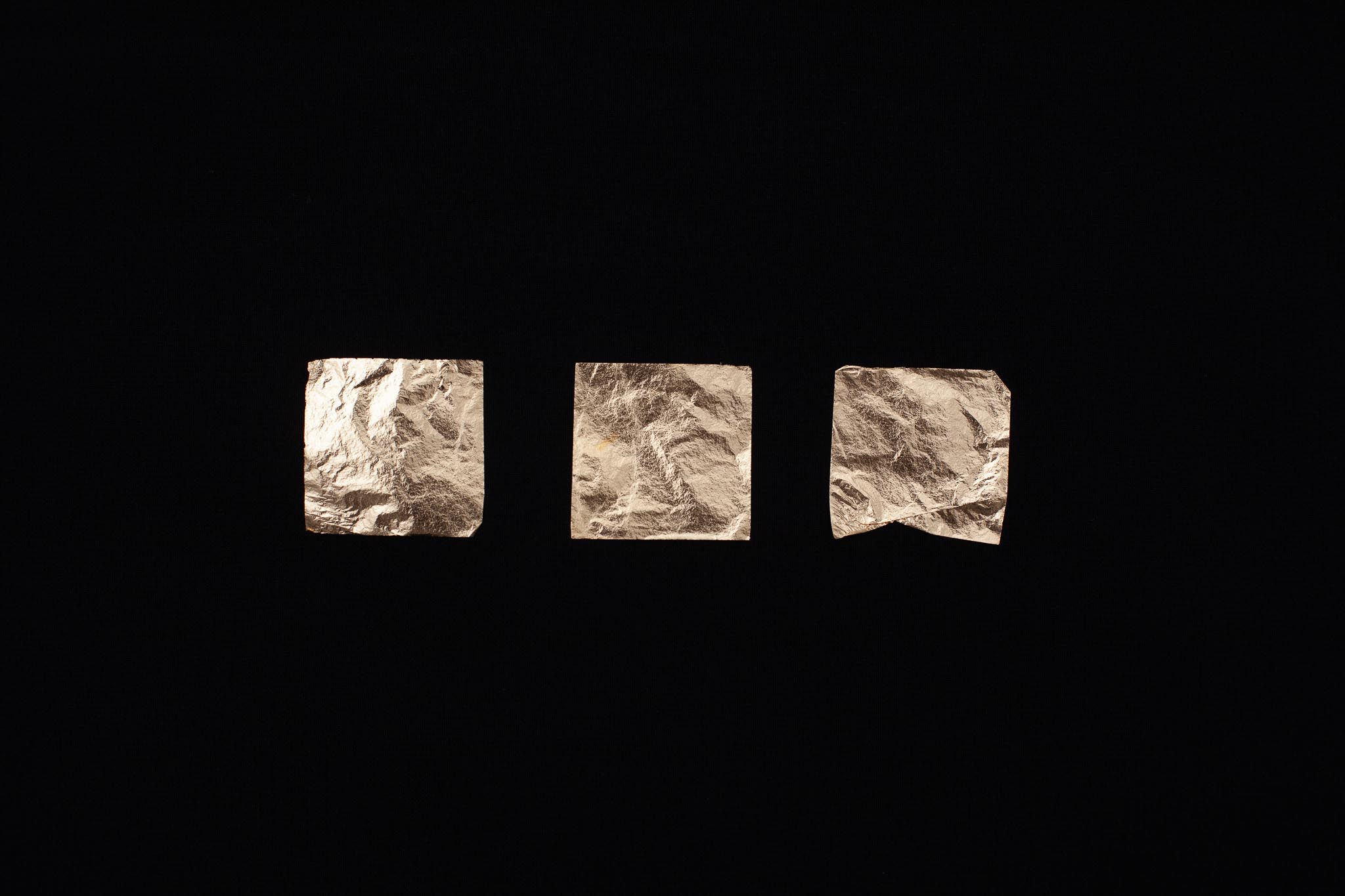
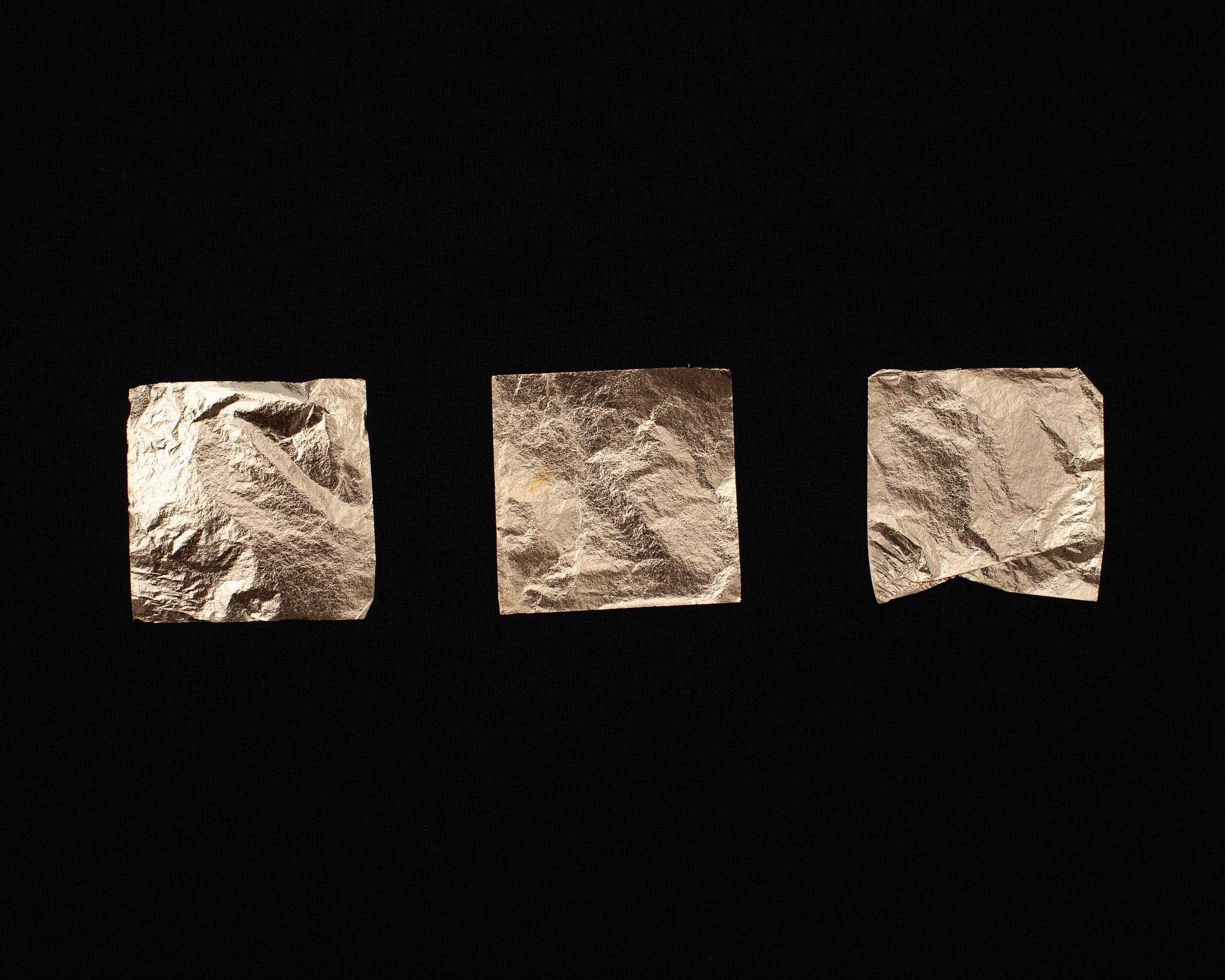
“The art market is so focused on creating a linear narrative,” says Barnard, who teaches at the University of South Wales. “I wanted to do the complete opposite.” Her aim is to showcase “a very fragmented world” that stimulates and excites. Using a range of aesthetics — traditional landscapes, portraits and still life, plus archival material and digital imagery — she goes on “a personal journey” through the troubled world of gold over different periods in its complex history.’ (Raval, 2019)
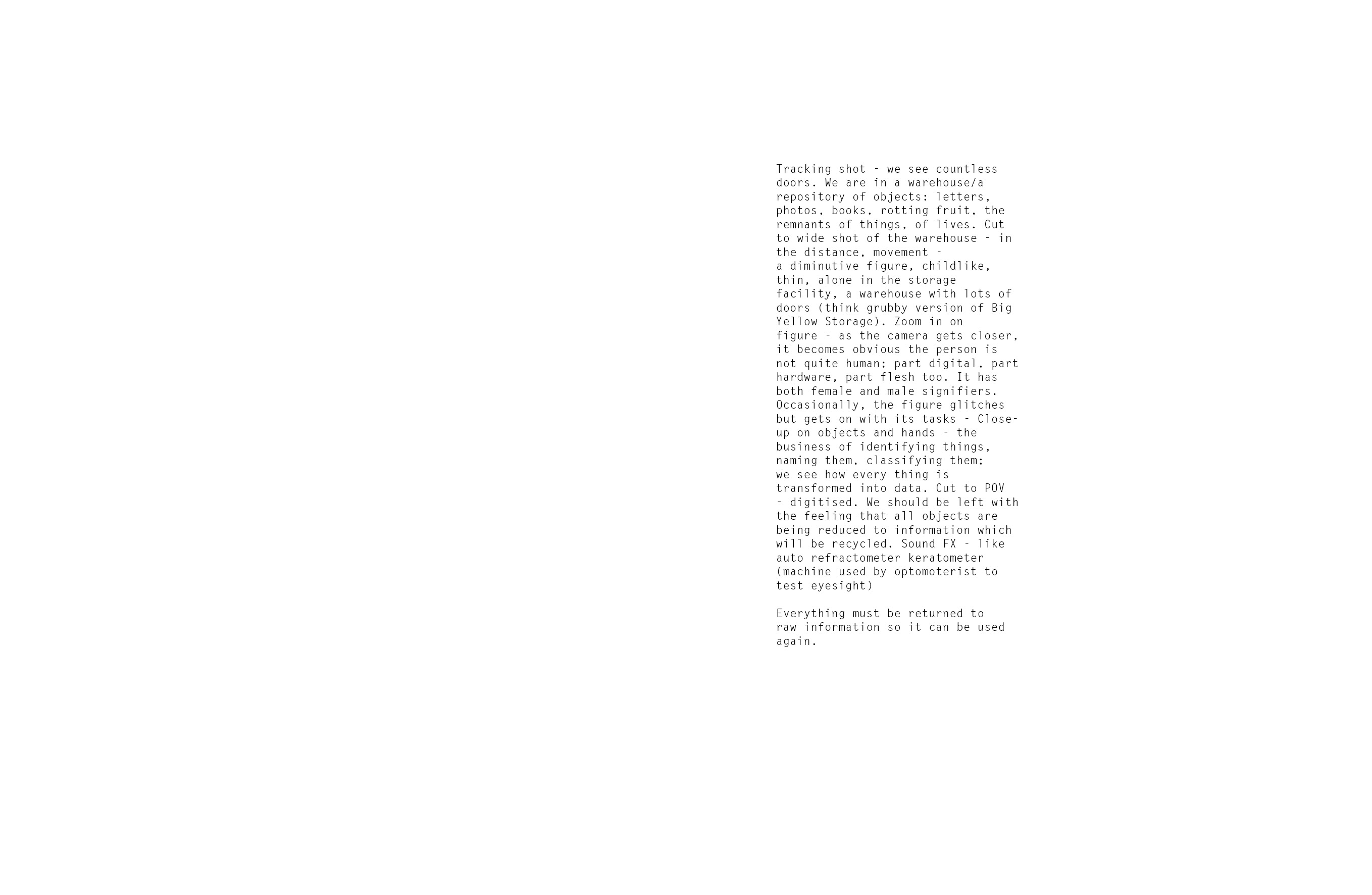
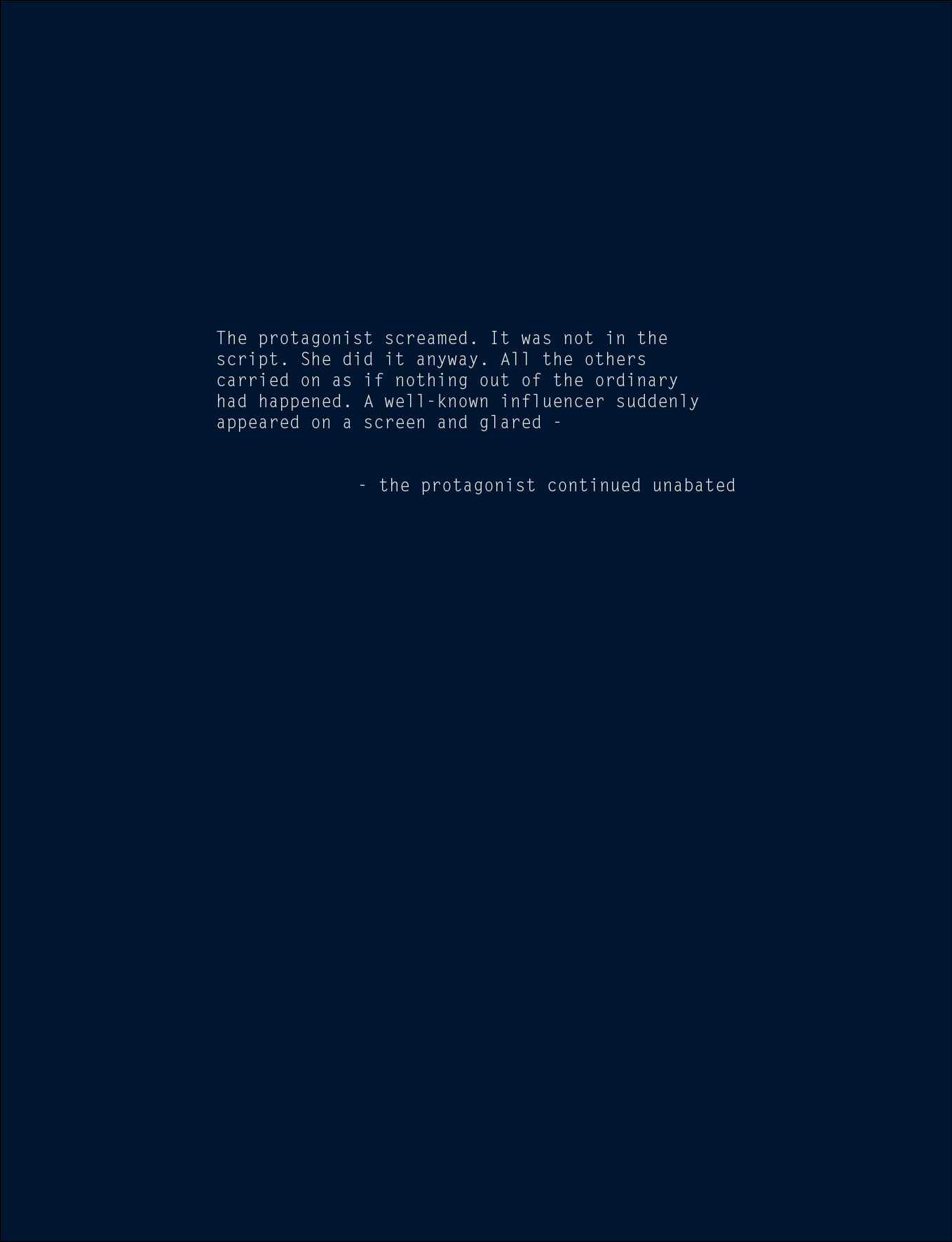
Before settling on Cuttings, I had put together some slides and video. I did it this way to demonstrate the entangled, non-linear view I was exploring. It details vague plans and an original title which I have been thinking about since beginning BOW as I recorded notes/writings on my Sketchbook blog. These were titled Random notes for a short story #(number). Rather than one single narrative, there were going to be many – emulating the fragmented way we receive information nowadays, via social media for instance.
Much of my research for CS and BOW has been based around Meeting The Universe Halfway by Karen Barad (2007) where the agential cut is a key term in her thesis. It is one aspect of her thesis, which she calls agential realism. It’s impossible to summarise her work without being reductive – but there are some crucial elements such as entanglement, diffraction and a rejection of representationalism. This latter concept is the hardest to get my head around and I am not sure if/how the work I’ve made supports or rejects it. My CS essay plan describes these terms in more detail.
The full post with this video with individual slides is available in the links at the bottom of the post
Background and ongoing development:
I have made extensive notes and included contact sheets, rejected ideas, early experiments. Crucial posts are available in the Chance, Research and Reflection drop-down menu item , and a keyword search will reveal even more if that is necessary.
Chance
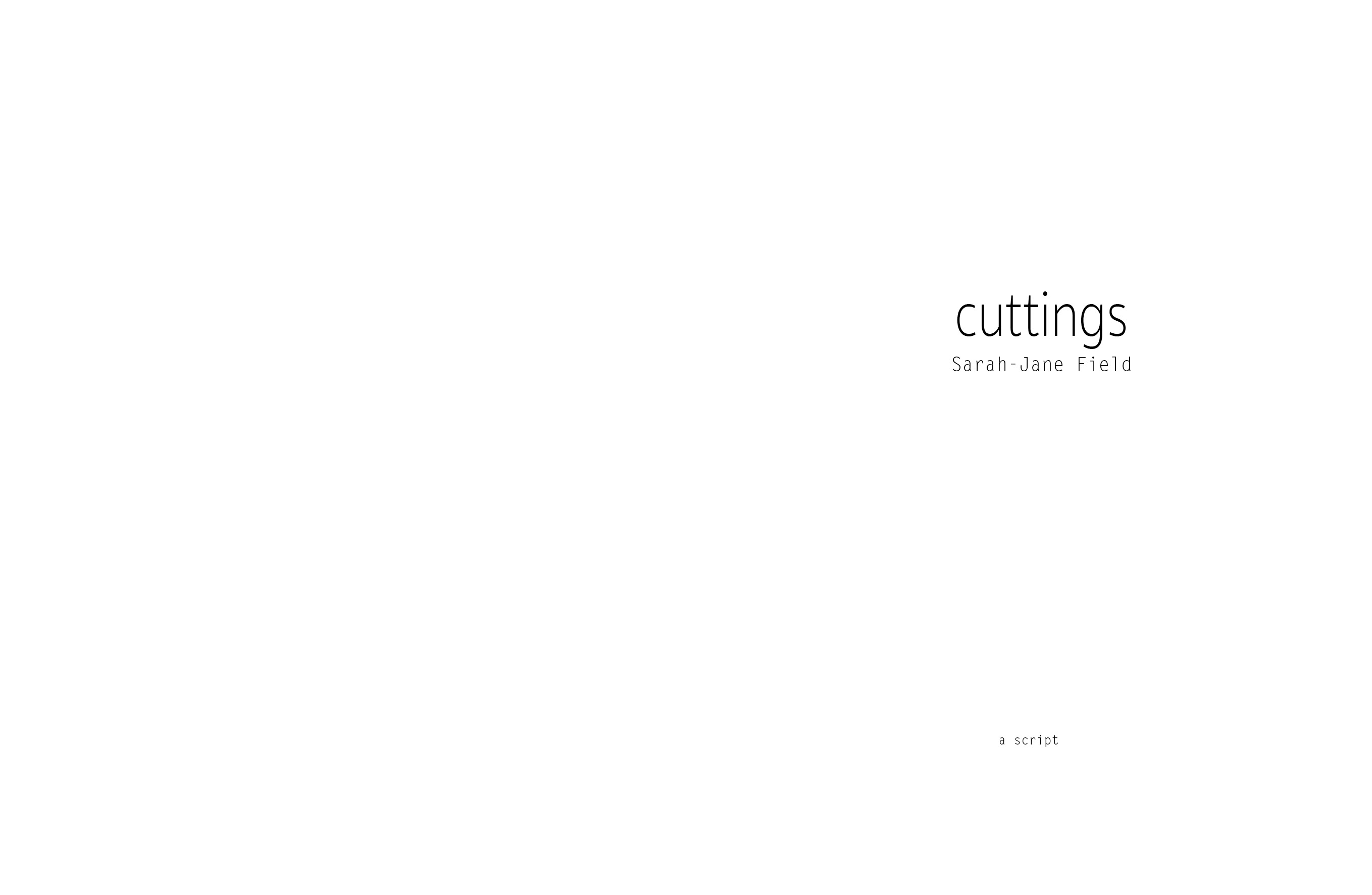
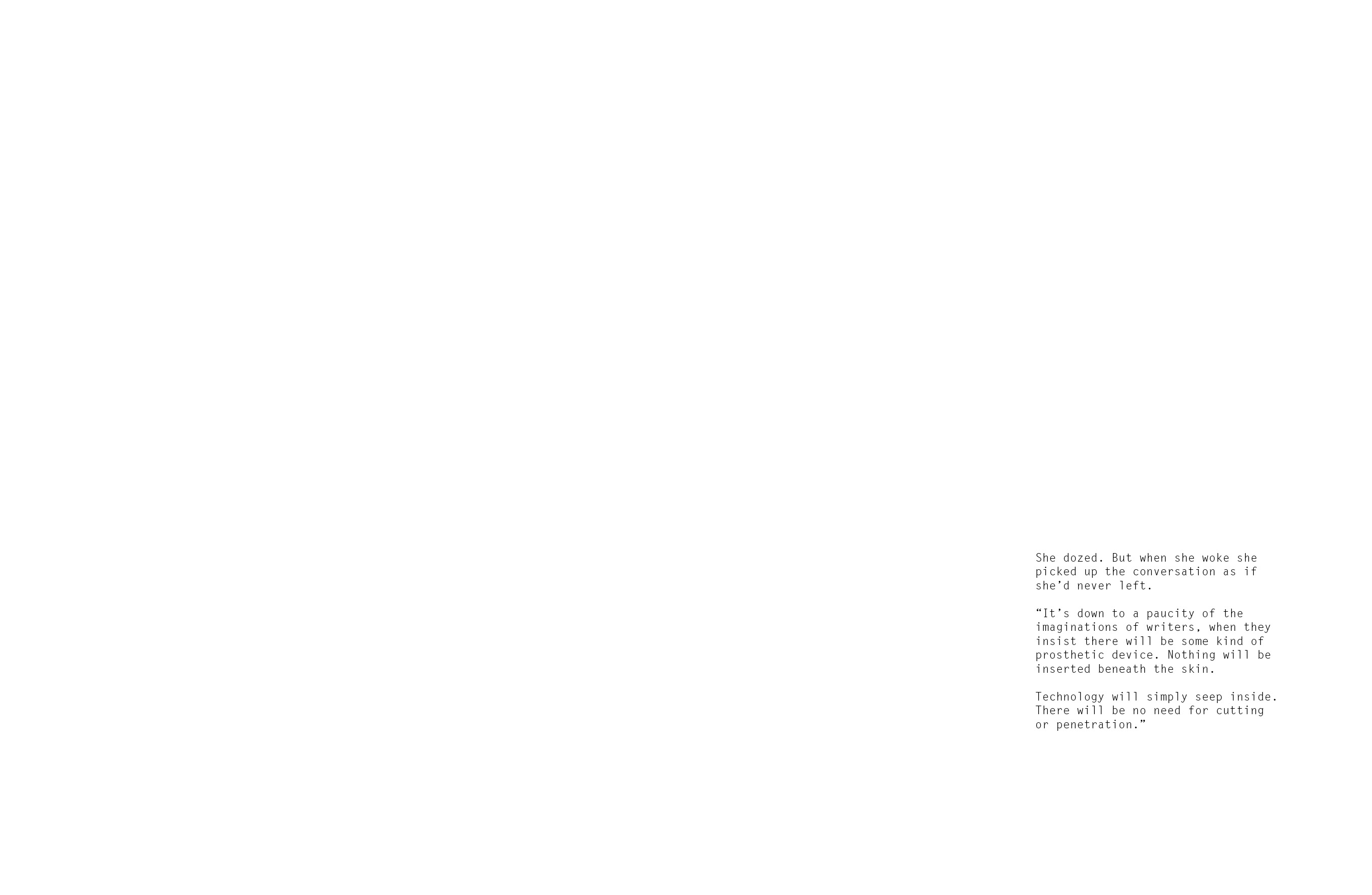
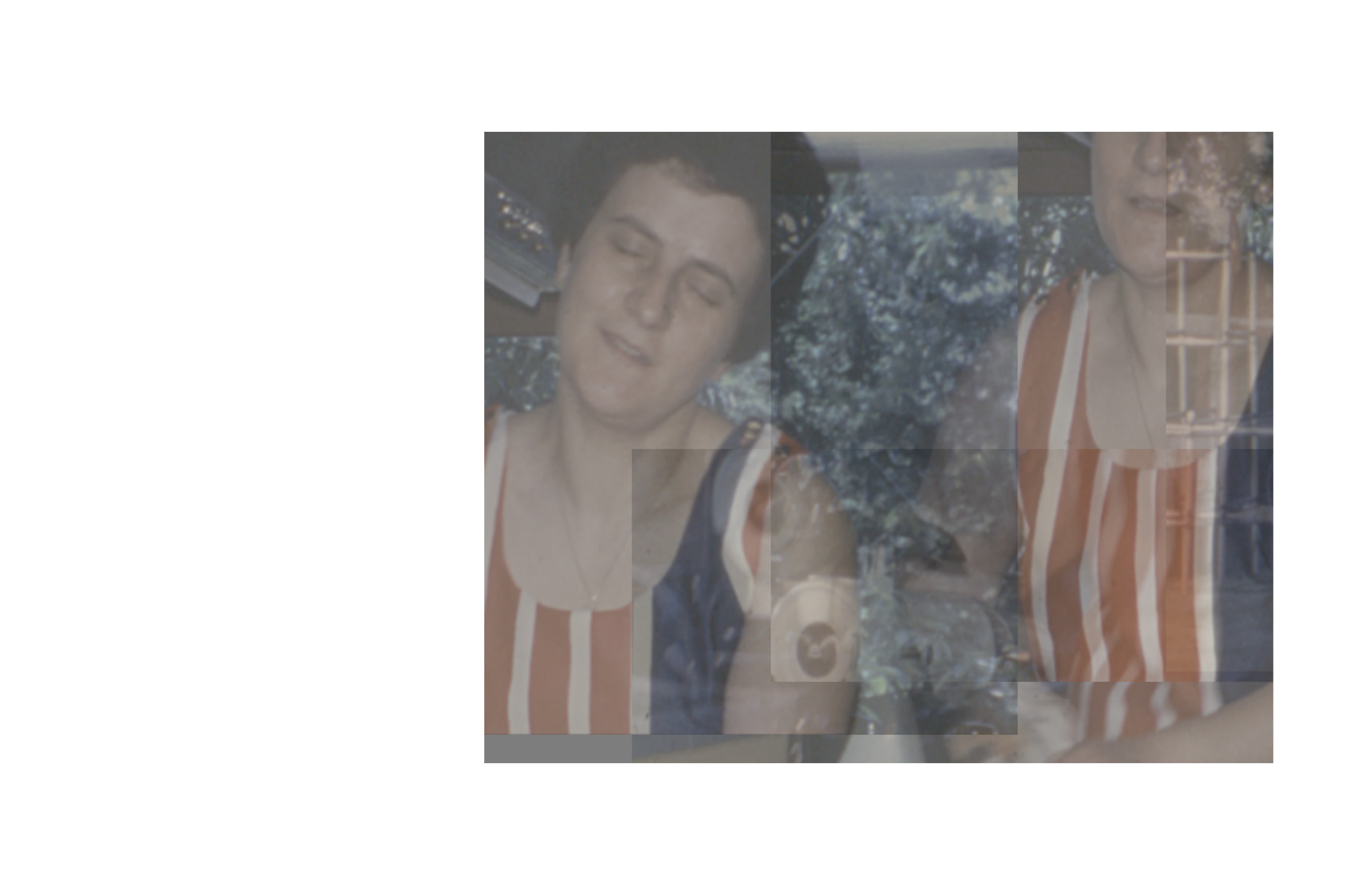
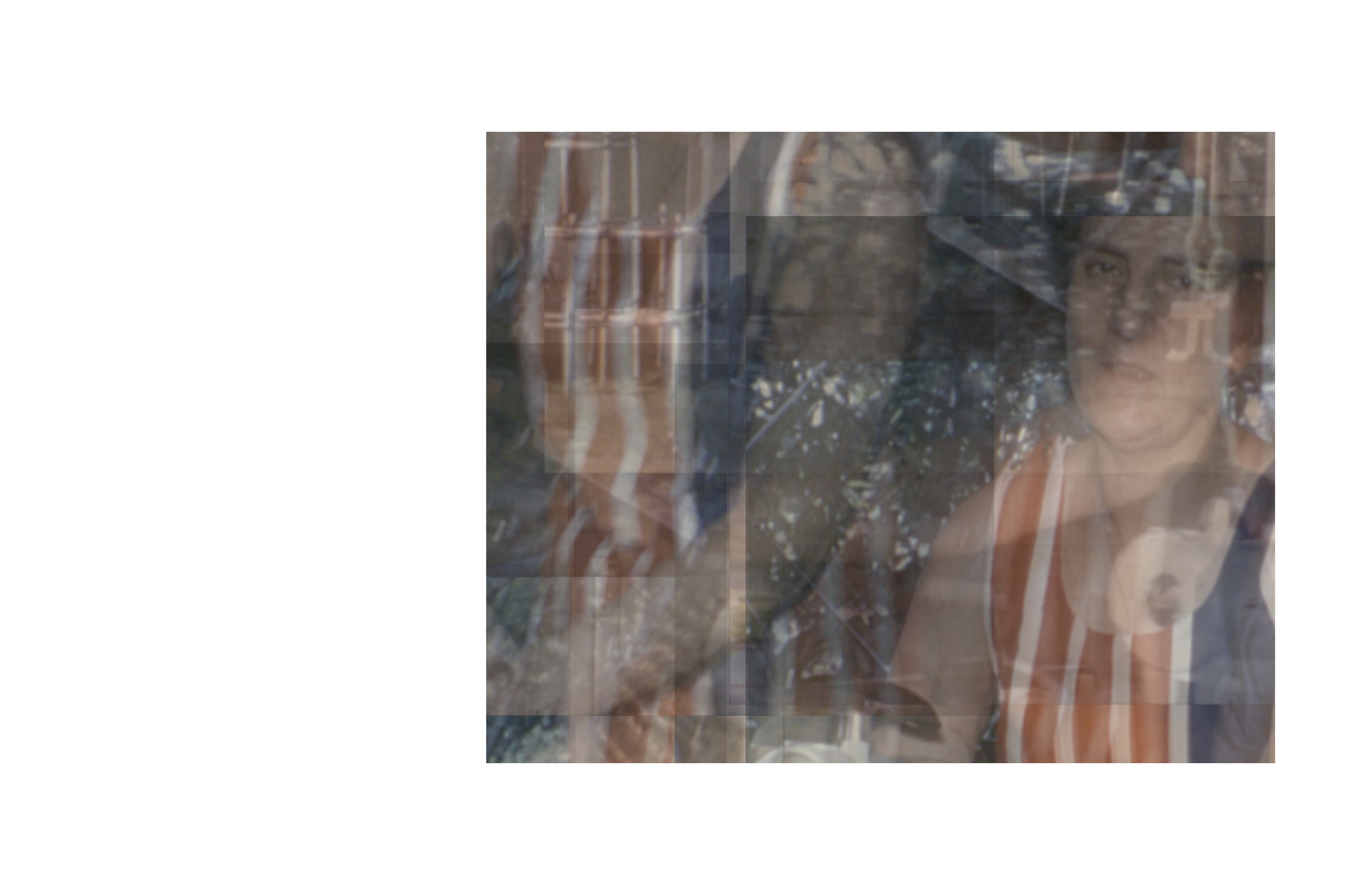
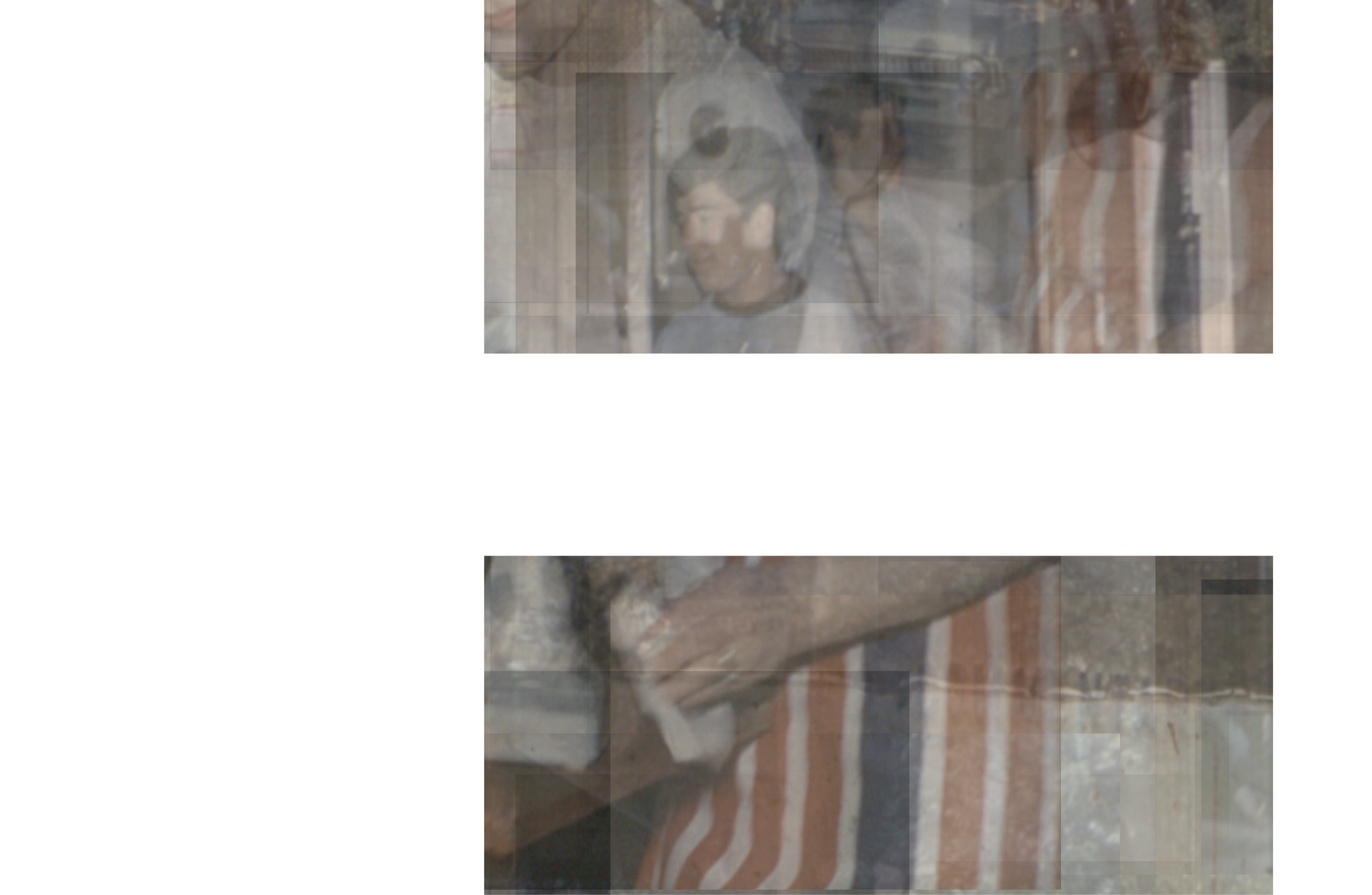
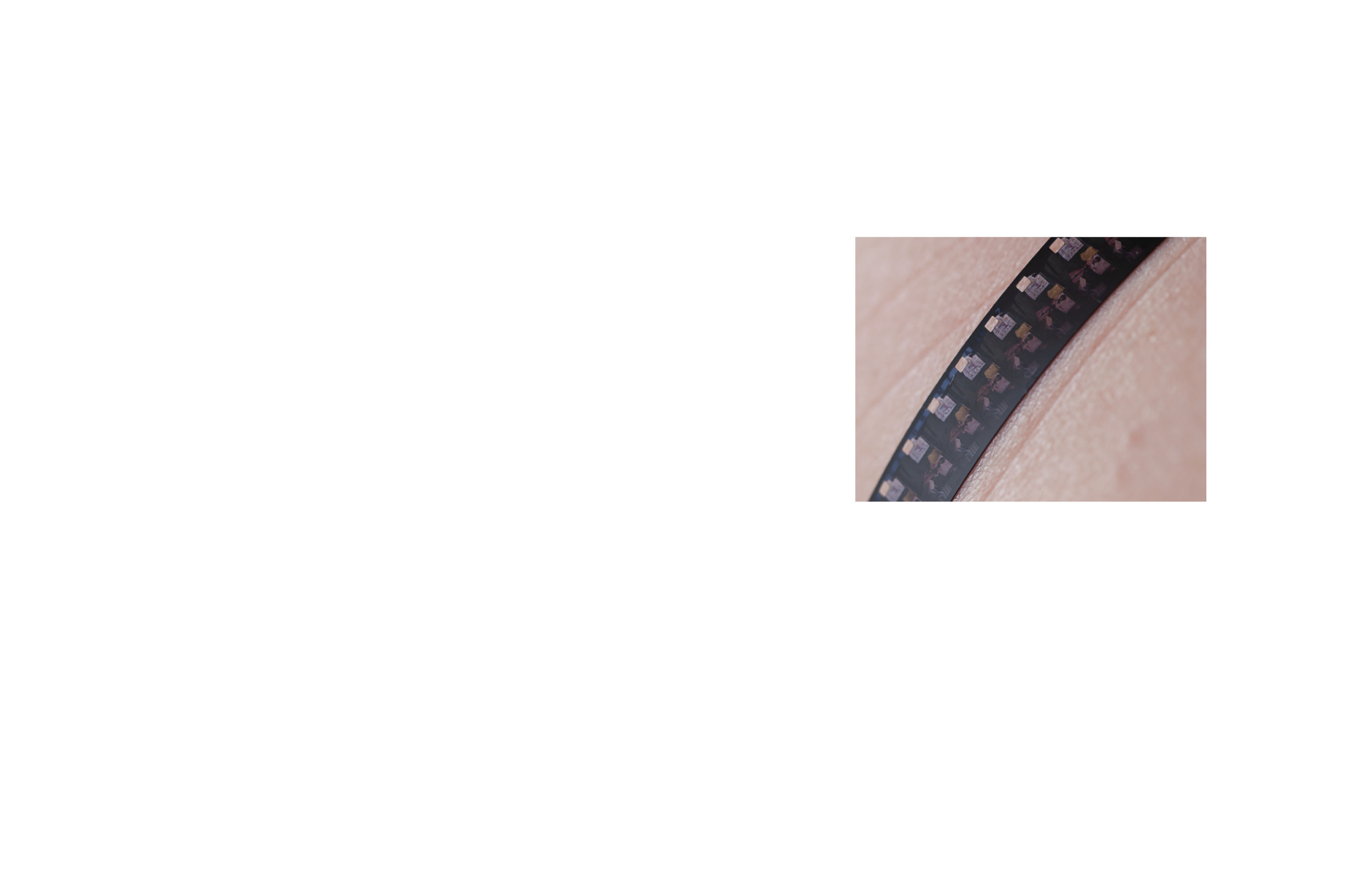
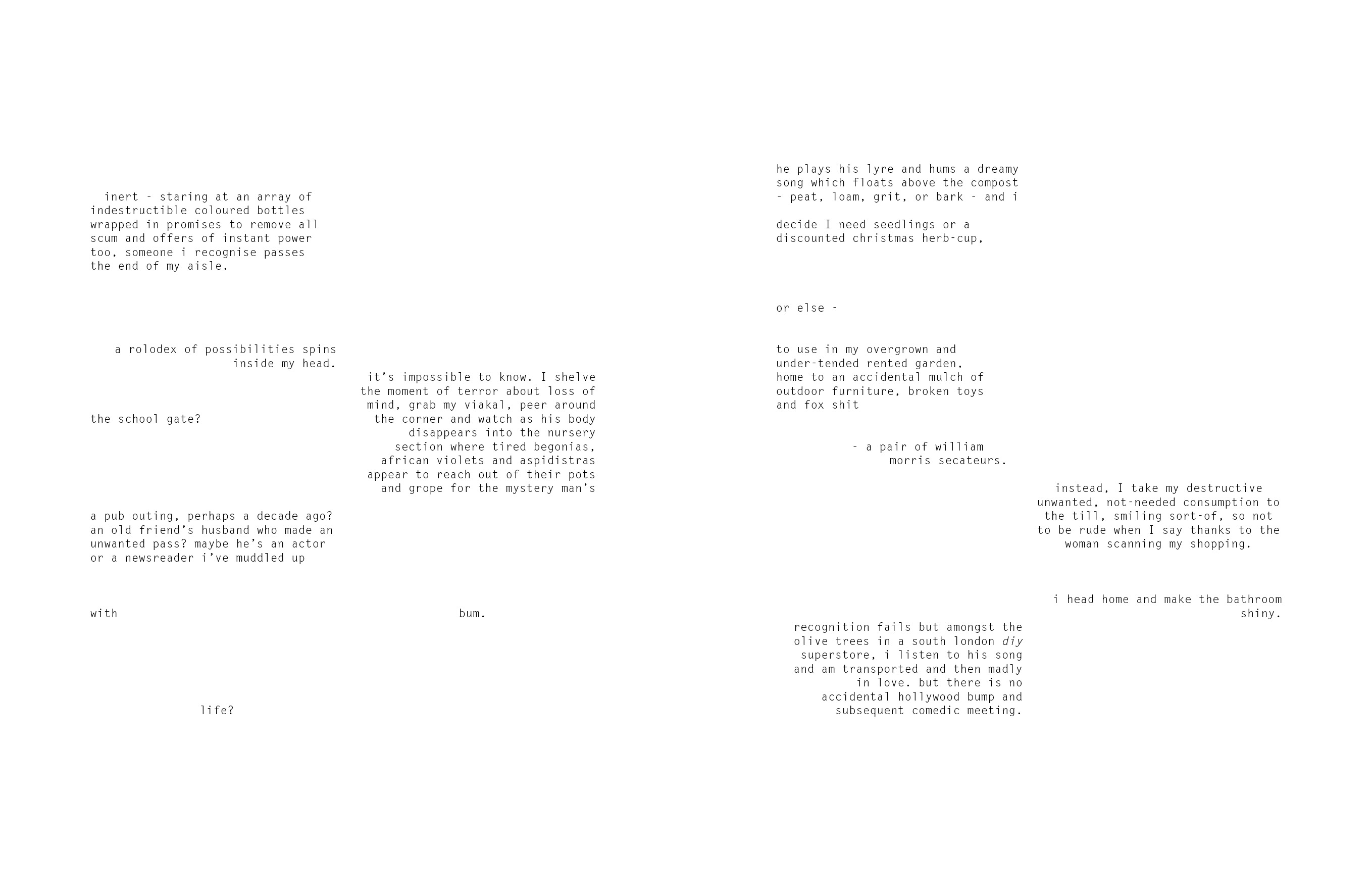
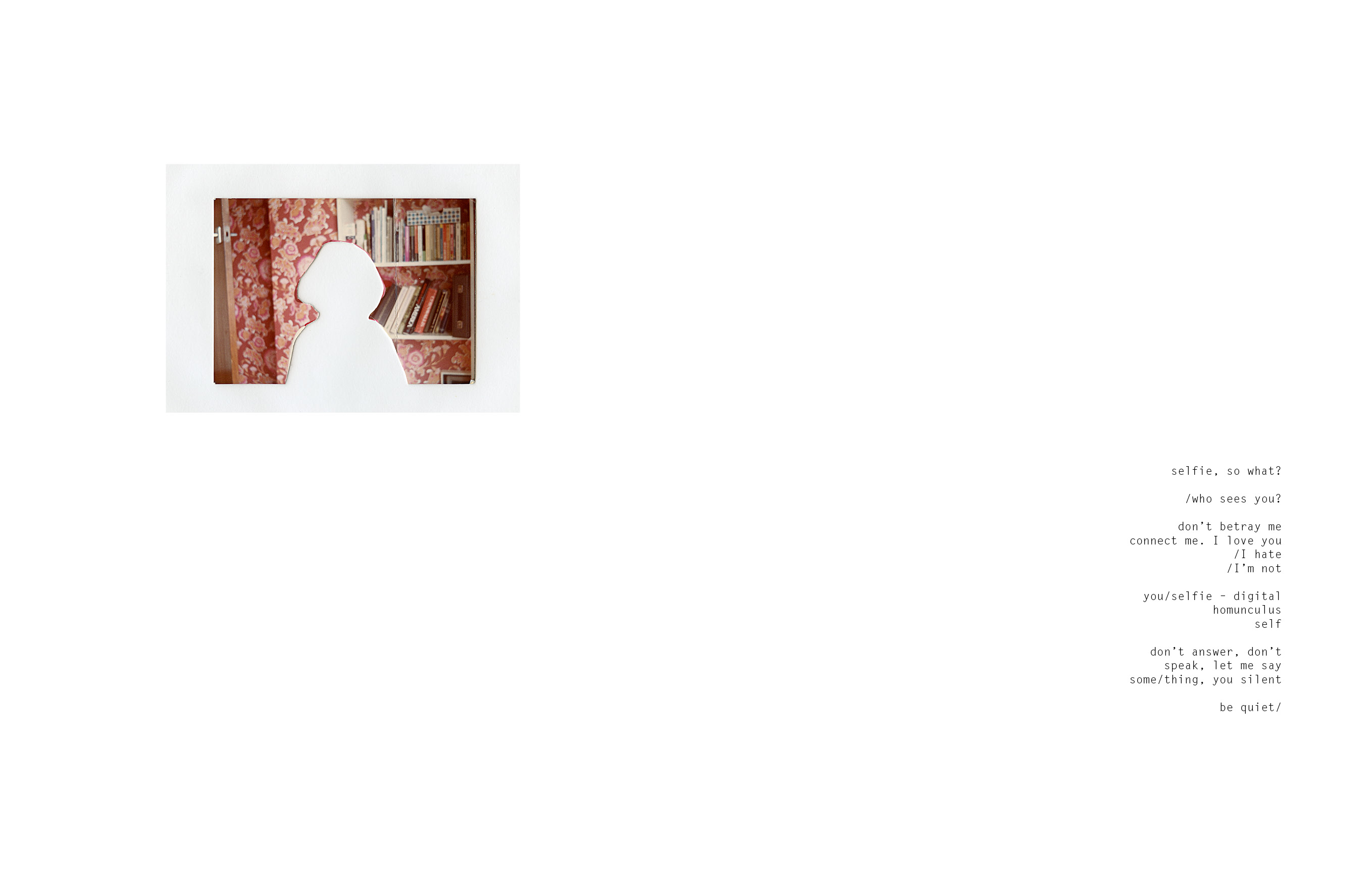
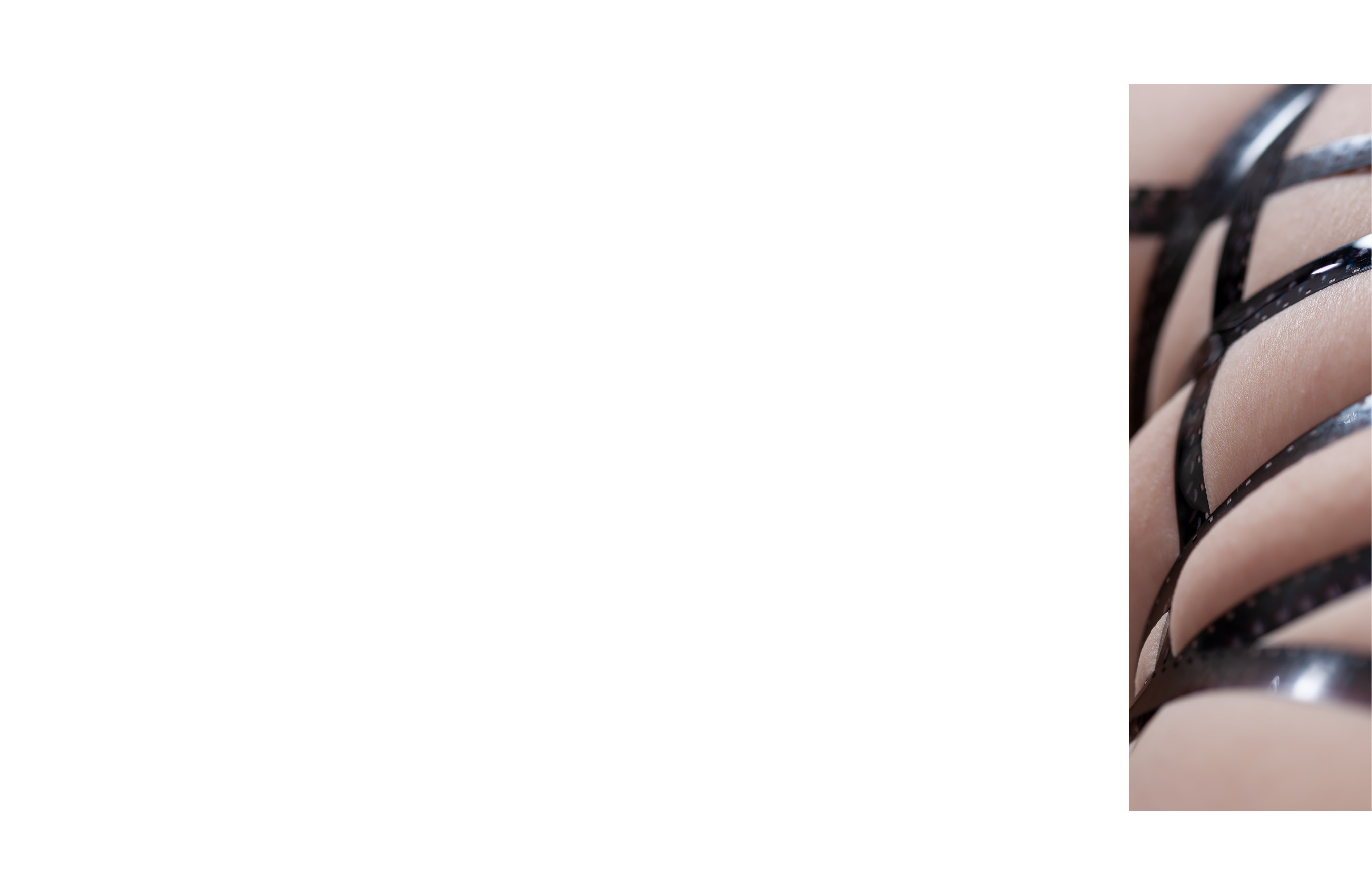
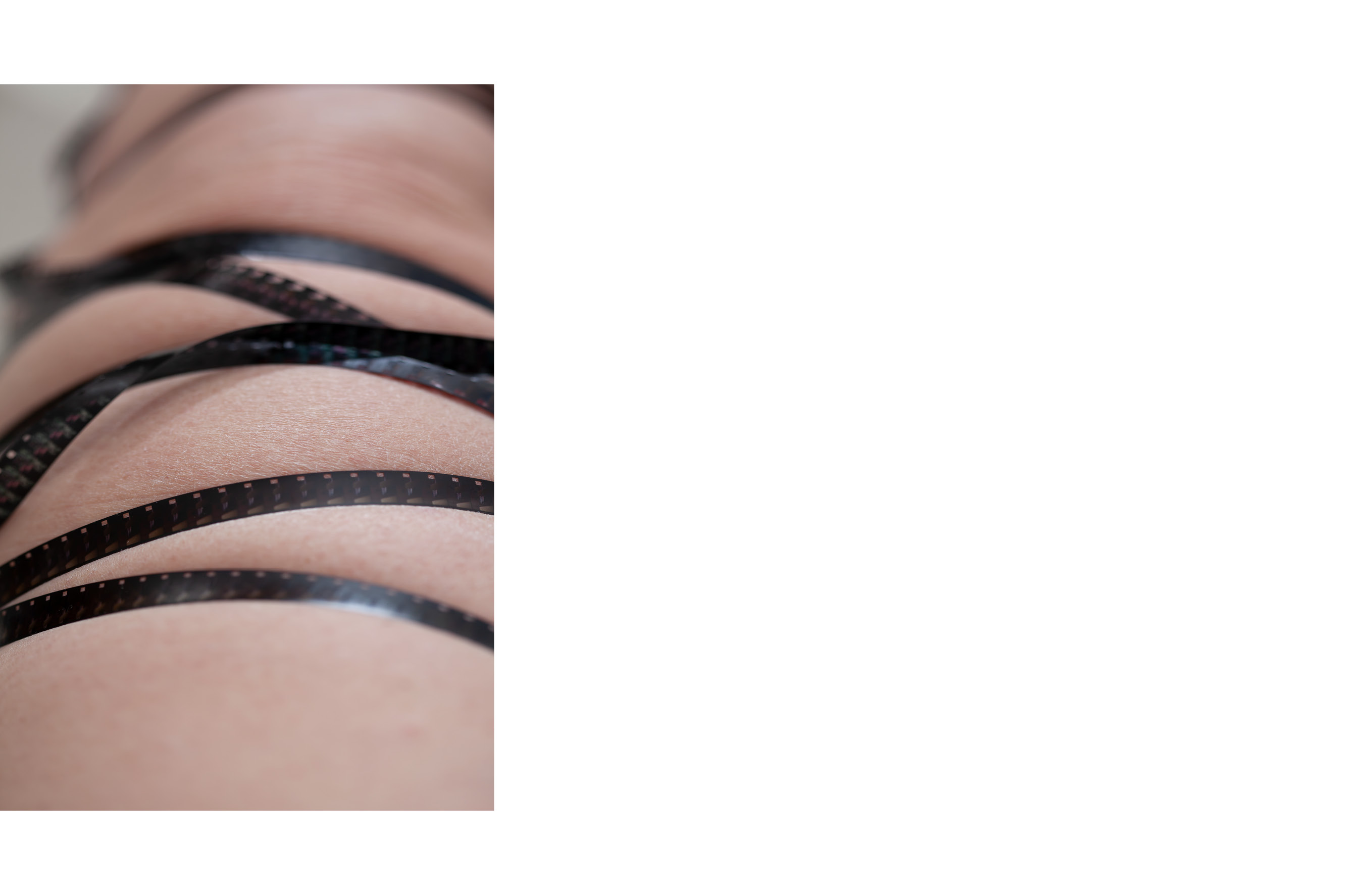
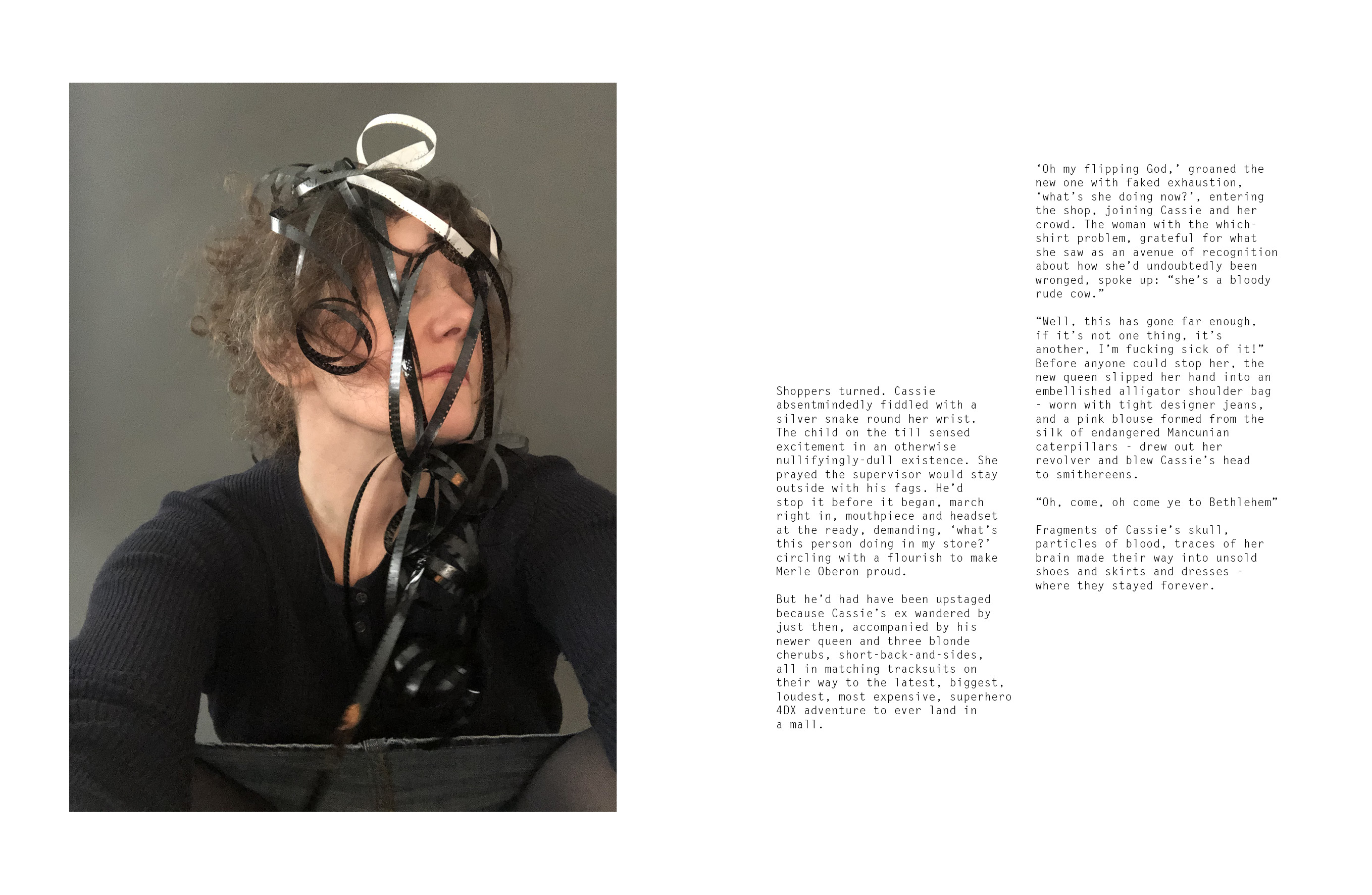
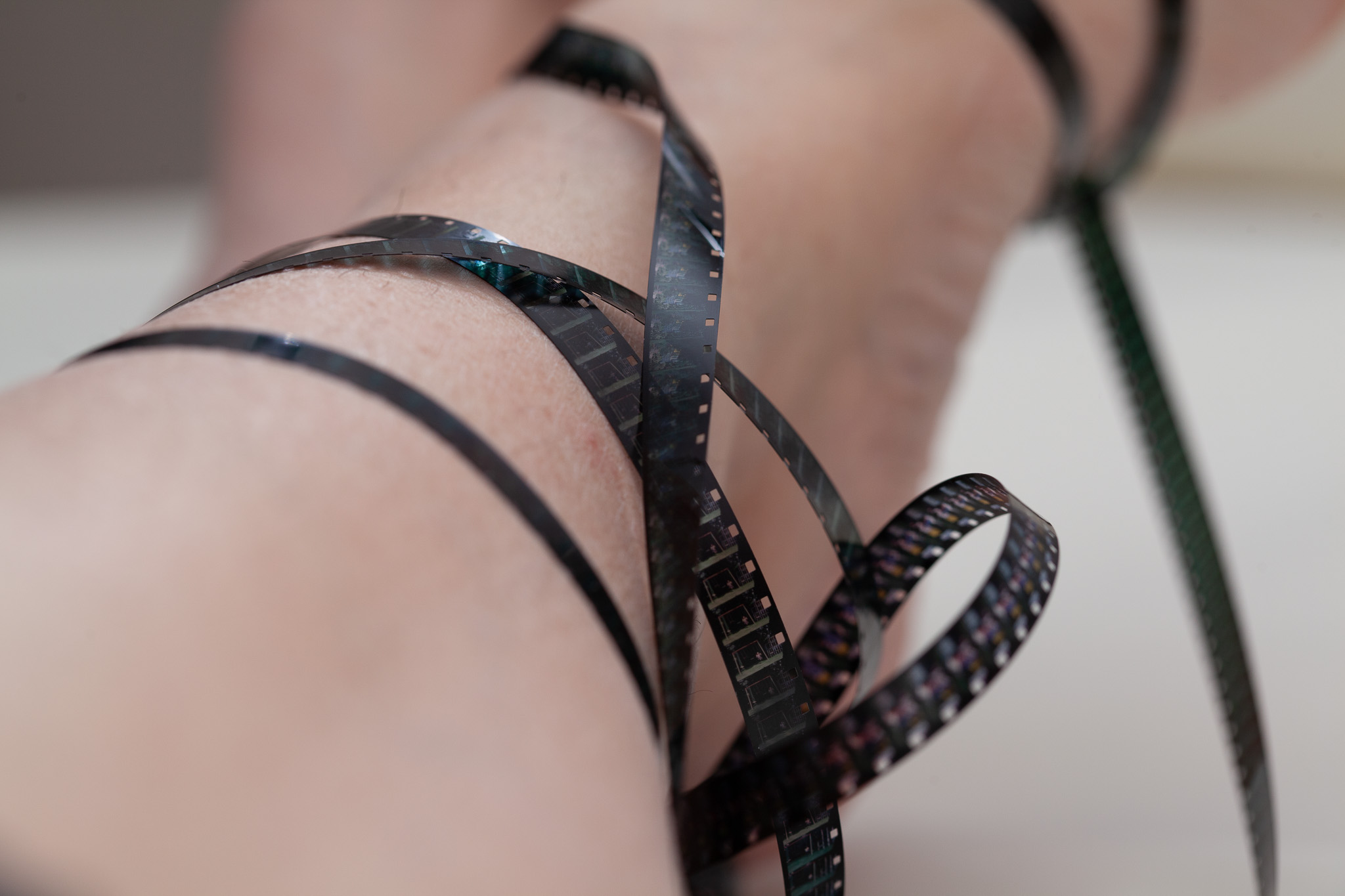
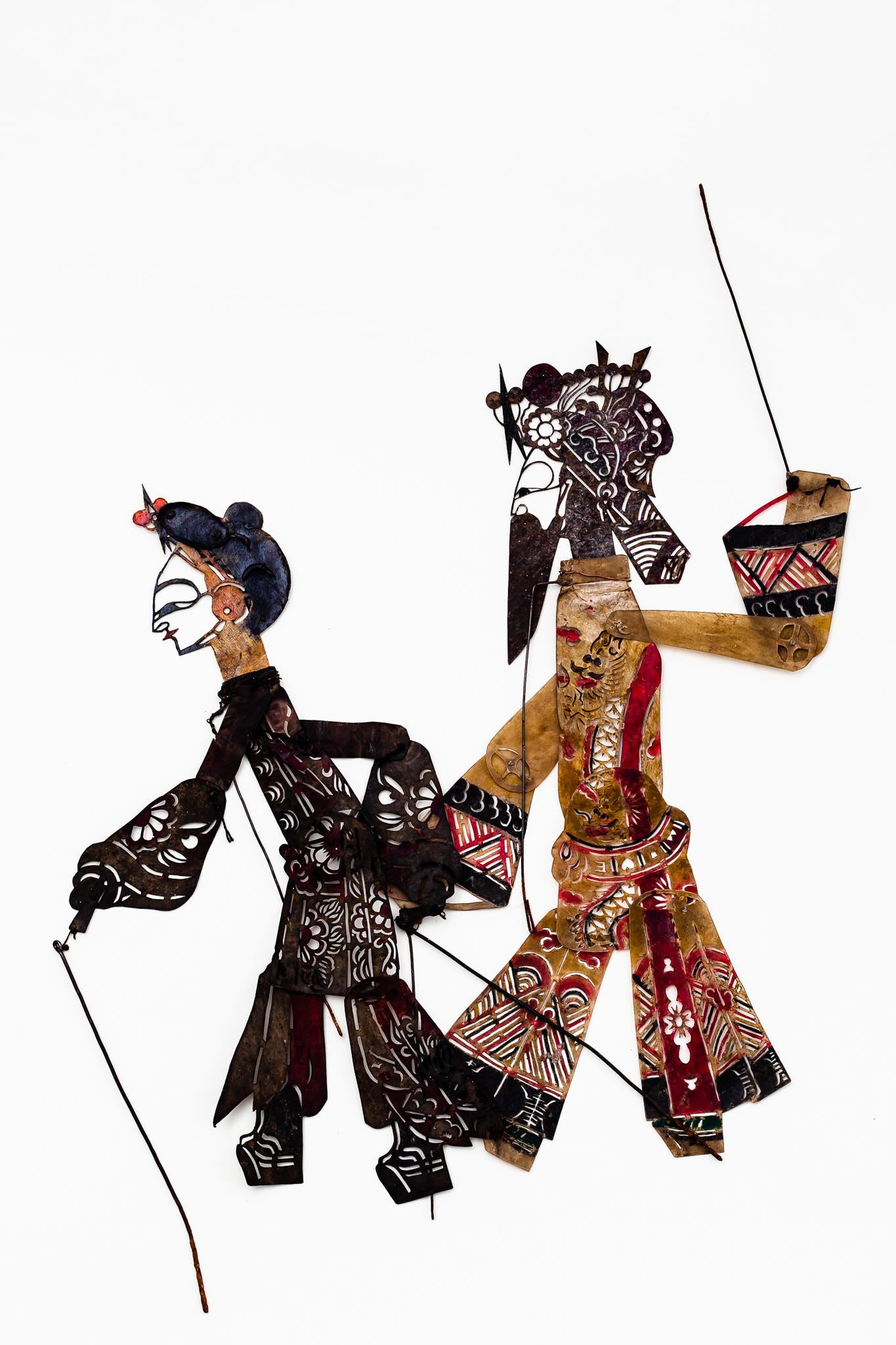
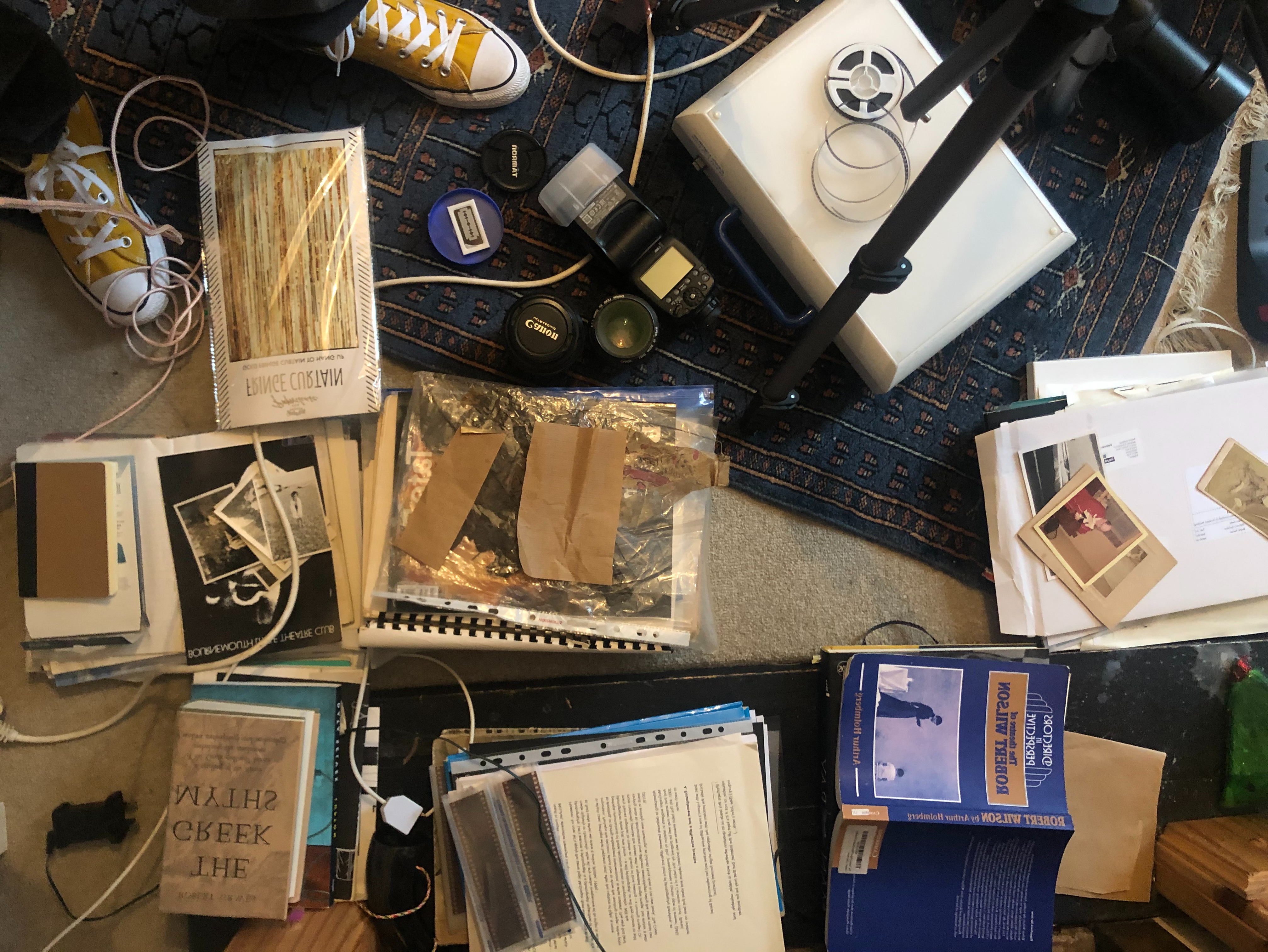
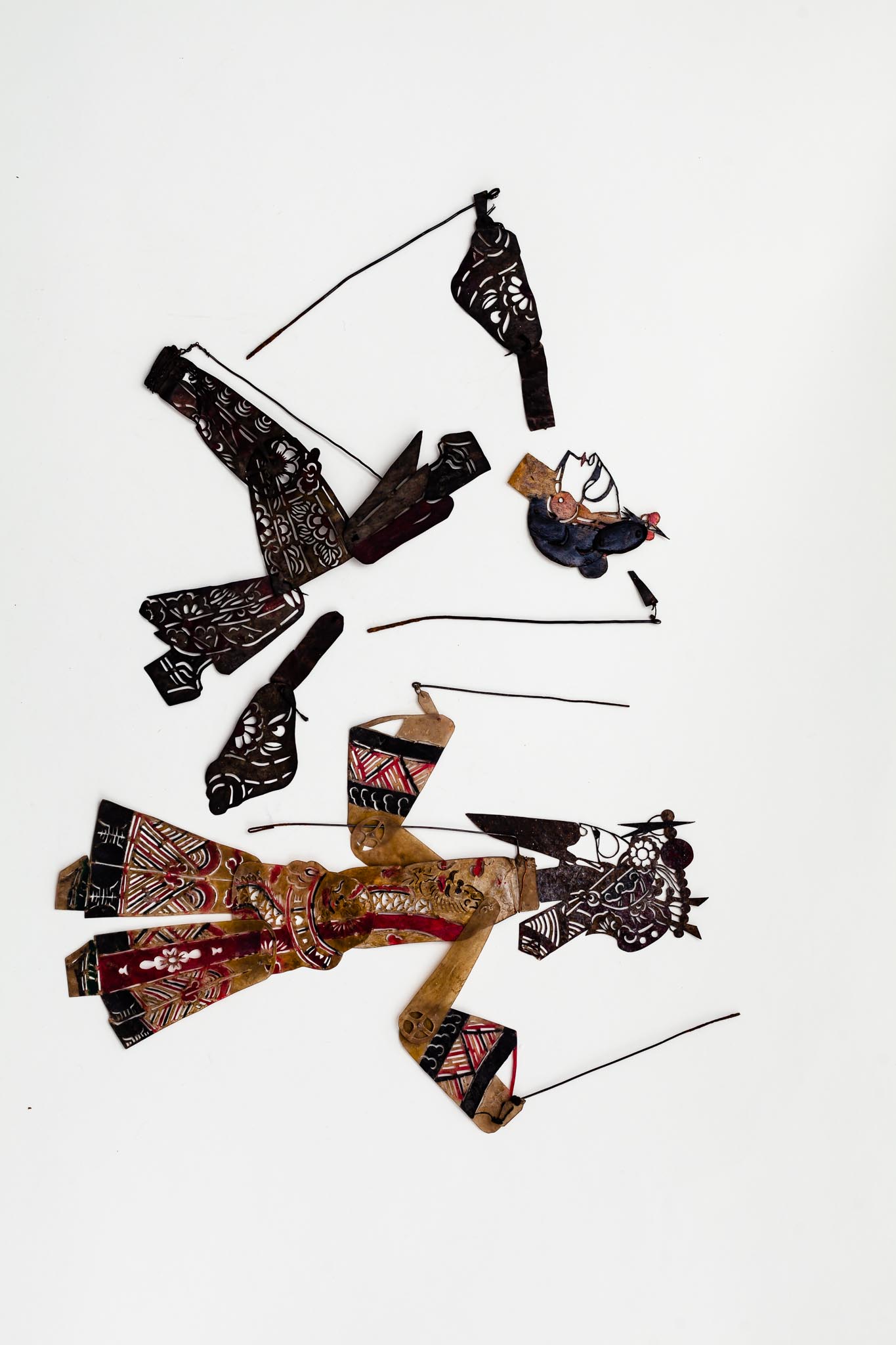
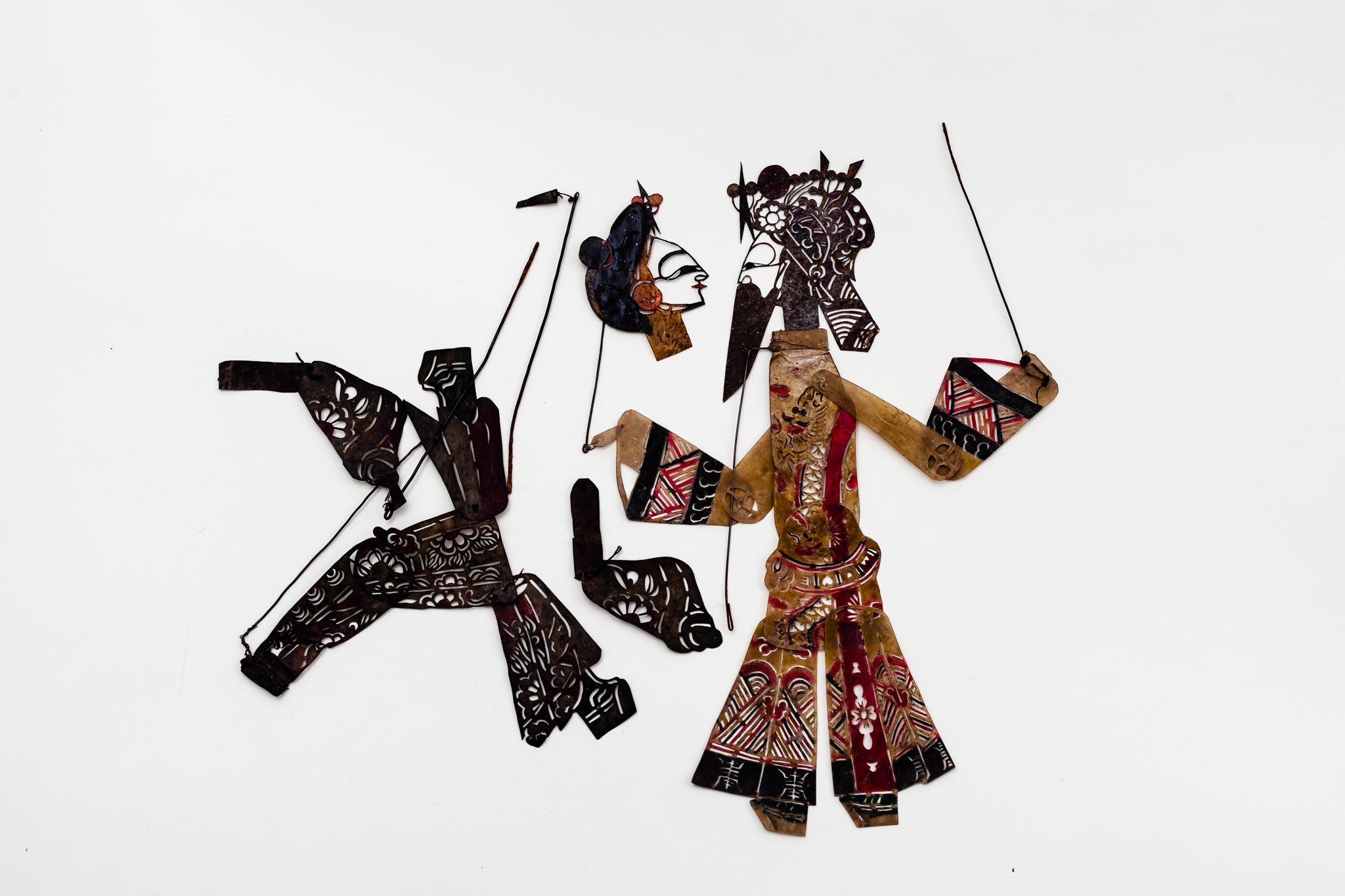
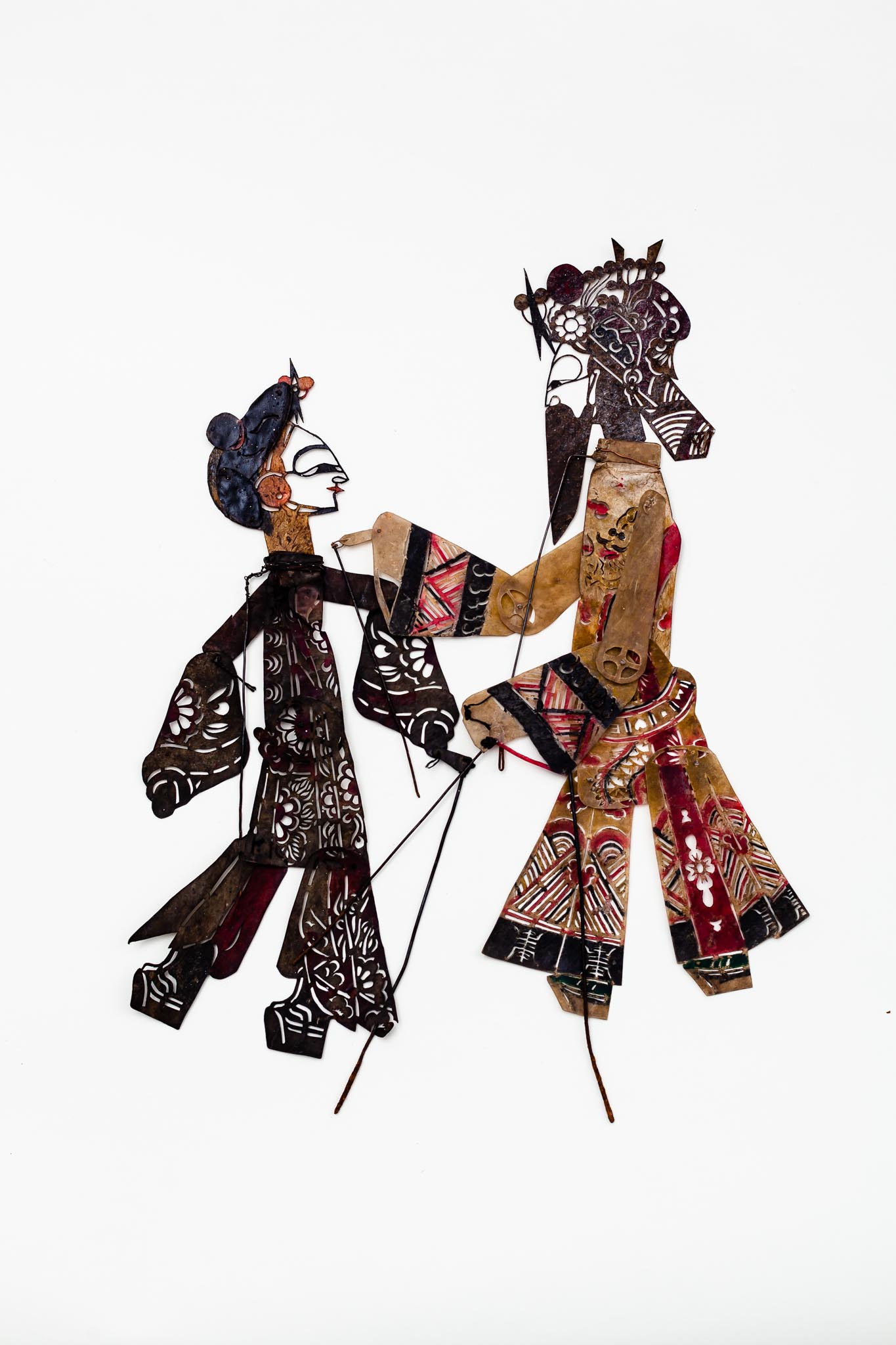
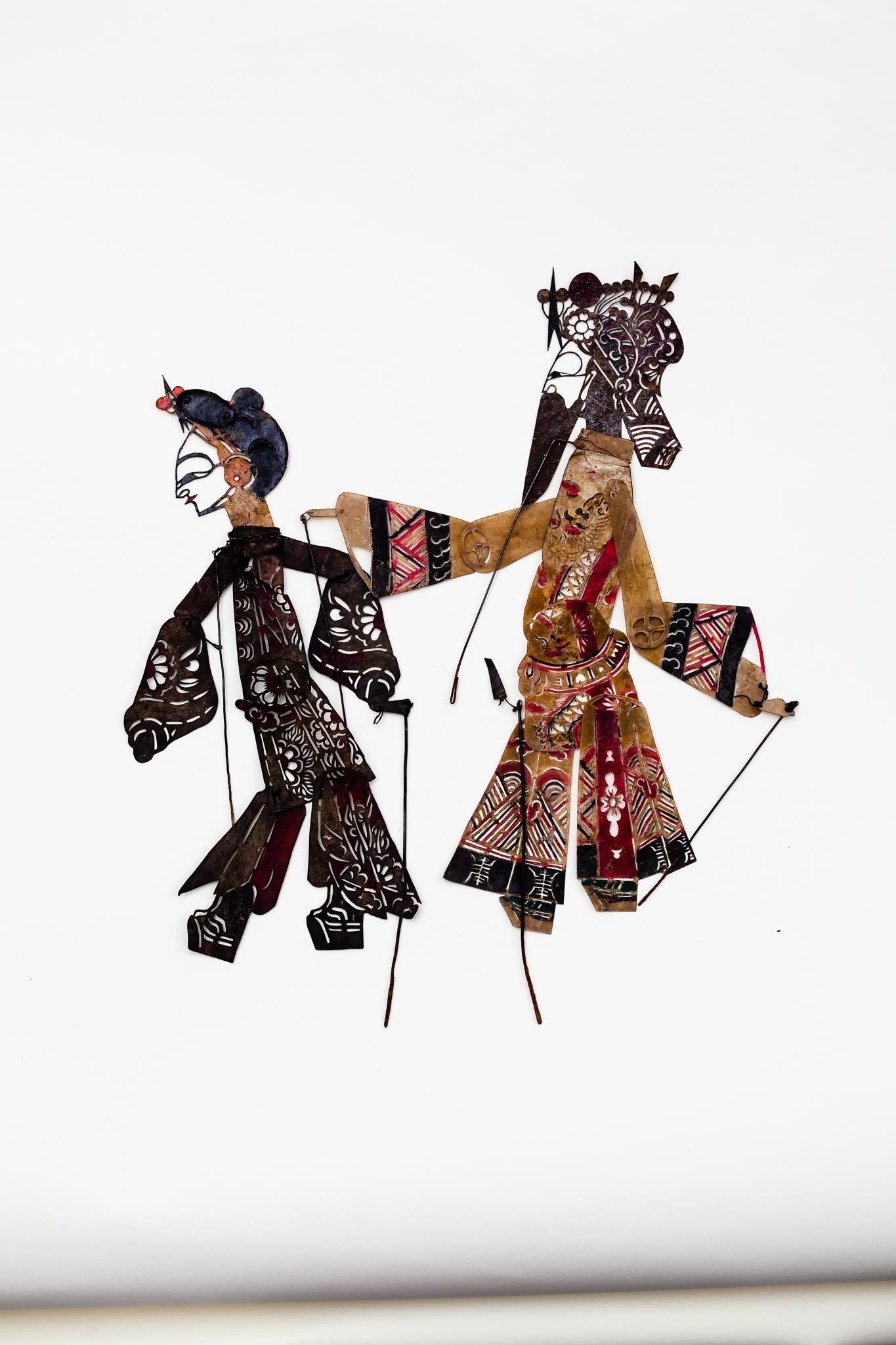
Some of the work included was deliberately made with chance in mind – the 8mm film was ordered from eBay. I had no idea what I would do with it once it arrived. I have photographed it and made new images with it. While making the dummy I made printing mistakes which led to ideas – forgetting to press a button that ensured images were printed on a single page – then used that split in the book. The selfie was not intended for actual use but have used it anyway. Lots of experimenting has led to surprises which are included in the book.
Plans from here:
I feel I have a choice – keep developing this book, or use it as an actual script (rather than a little double entendre about life) to create a moving image piece or several separate short pieces. I am sure the second option would lead to further images and writings and the book would grow/develop anyway as a consequence. But it may be attempting too much. I suspect, keep developing the book and then curate the experiments in SYP if I go for exhibiting rather than book production. Something to think about and discuss with Ruth.
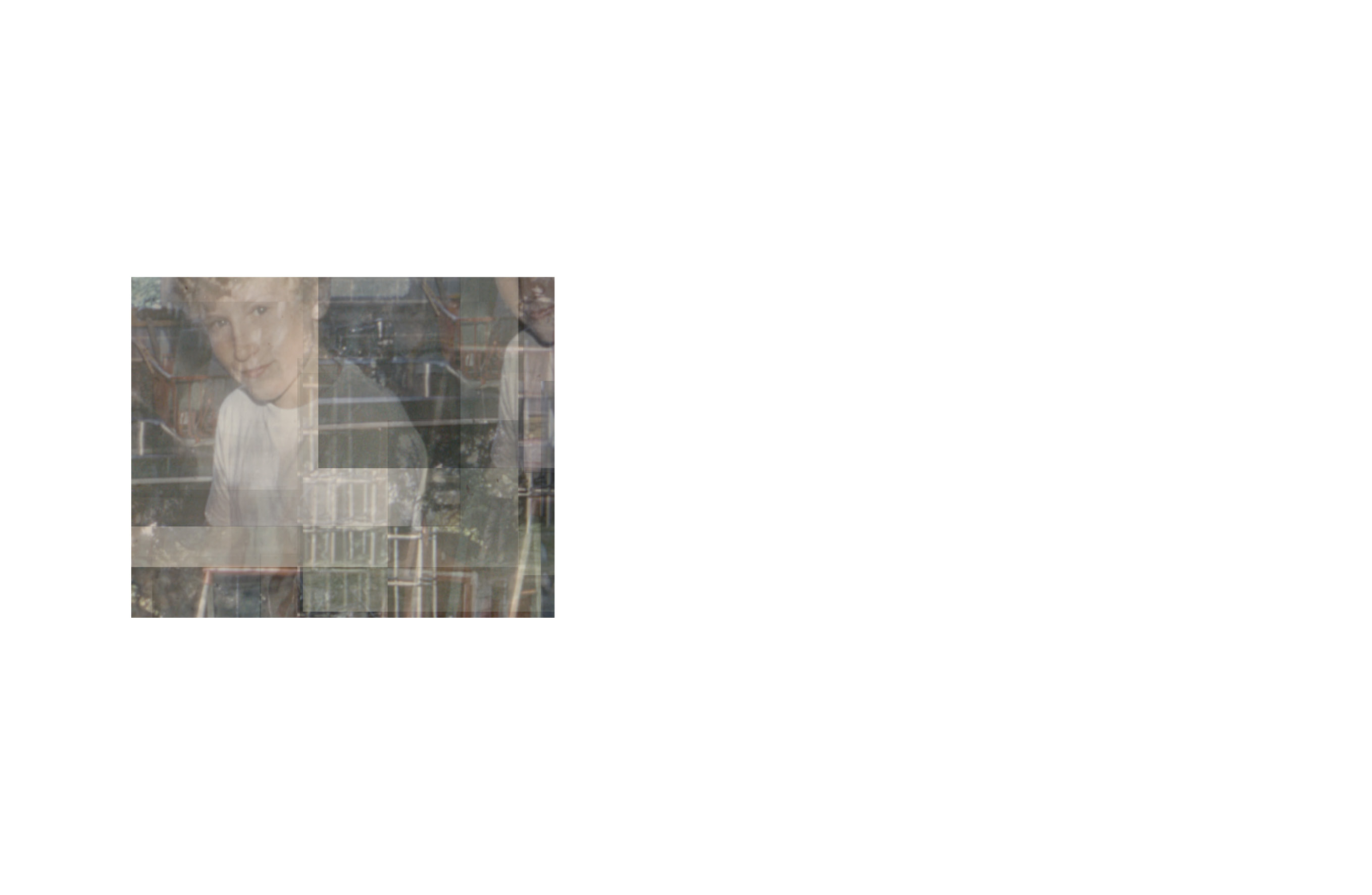
I have used Processing – a coding programme to create some of the images that appear in the book now. Early moving image experiments are available on my Vimeo feed and posted on my blog – and I hope to find ways to make short looping films which could go on a web page with some of the texts perhaps.
Some people found the tiny handmade book development tool I made ‘enchanting’. For a moment I was almost tempted to go down that route. Melissa Lazuka’s Songs of the Cicadas, a handmade book with a very limited run for obvious reasons, looks a beautiful object but it is terribly romantic and I don’t think it’s the right direction. I have tended to make digital newspapers in the past – I like the utilitarian democratic nature of them but I do like the idea of a real book too. Something to contemplate.
Issues with this version:
I think there are some things I can do to this version of the book before submitting, reshoot a couple of things, add a bit more maybe – I have other ideas I’d like to play with, and the image of me at the end was a phone pic I did before attempting my first shots with the film – it’s a ridiculous picture which I dismissed but when I looked on my phone for something else, that’s what I liked about it -it’s ridiculousness because selfies often are. I would probably also reset the text to give it a thicker margin, look at decisions that will be affected by print choices – but I feel I need a bit of time away from it now, and to get back to the essay.
Peer feedback
I have not requested feedback yet but will do after submitting to Ruth and take any useful comments forward to the next stage of development/assessment submission.
Reflection
Demonstration of technical and visual skills
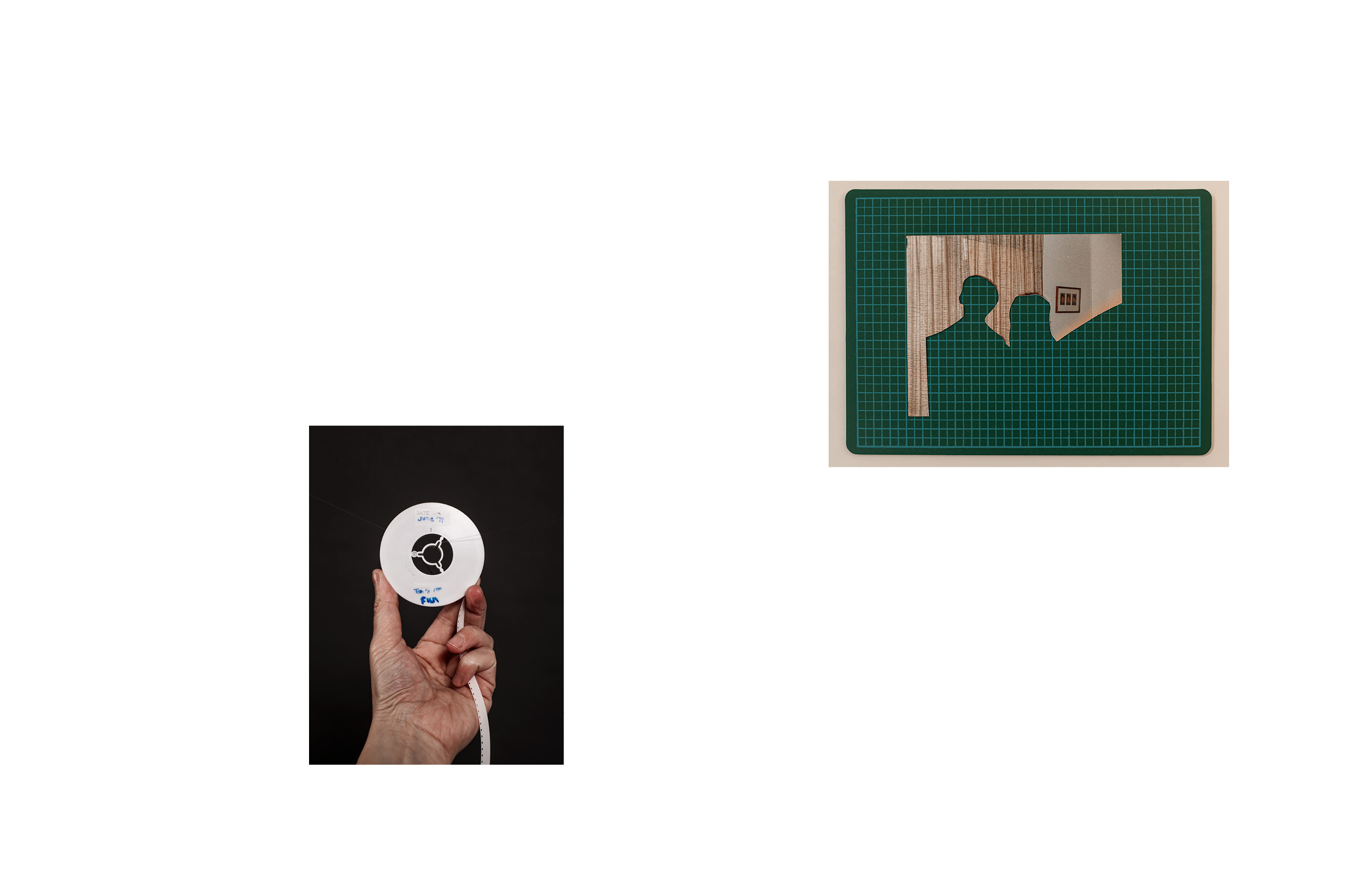
My everyday photography is not still life and I find it tricky – it requires the kind of skill that doesn’t come naturally to me. The image of the photograph on a self-healing mat with lines nearly didn’t make it – if I couldn’t get it straight it wasn’t going in. It’s not perfect but I think ok. My Processing skills are extremely limited. I wanted something to look like it had been through a digital process. I think there is much more scope but balancing out the time to find out how to do things (I am currently at the stage of copying and pasting the code I picked up in class and am grateful for Simon Chirgwin’s help as he attended it too and is far abler). But overall, I think it demonstrates a good level.
Quality of Outcome
I think this work is ambitious and carries a level of risk with it. It feels like the sort of thing that needs to be longer, needs more substance than it currently has to be able to do what’s it’s aiming to do. But at the same time, it already has a lot going on and so although it might need to have something else, it’s always going to need refining and balancing – and simplifying to allow for the complexity to live/breathe. I can see where Martins succeeds in using a range of sources. For me, there is the added element of the writings. He has text but it’s not the same kind of writing. Its presence probably means I need to pull back with the multiple sources of images.
Demonstration of creativity
Even if someone doesn’t like the style, subjects, tone – it would be hard to say its not creative.
Context
The CS essay plan and research along with the related context for BOW is strong – and I am very much enjoying that aspect of L3. (A very hard thing for me on L3 is keeping on top of two modules at the same time, even though I know there is a reason for this and am benefitting – it’s nevertheless a challenge with time.)









































 SJField - OCA Level Three Study Blog