BOW A2: Assignment reconfigured

31/08/2020

From this family too

A PDF copy of the zine I am including as part of my final submission can be found here:

As well as providing evidence of my experience producing a zine, this project should not be viewed as a separate appendage, but rather part of an ongoing discussion/exploration addressing deep and seismic structural changes in Western society. My inquiry looks at the move away from a Cartesian view of reality towards one that is more rhizome-like, I have cross-pollinated the work with images that appear in the zine and again in the later BOW publication, as well as taken a frame from a film I edited while making this work, shown at a group show facilitated by pic london (an OCA Blog post about it can be seen here).

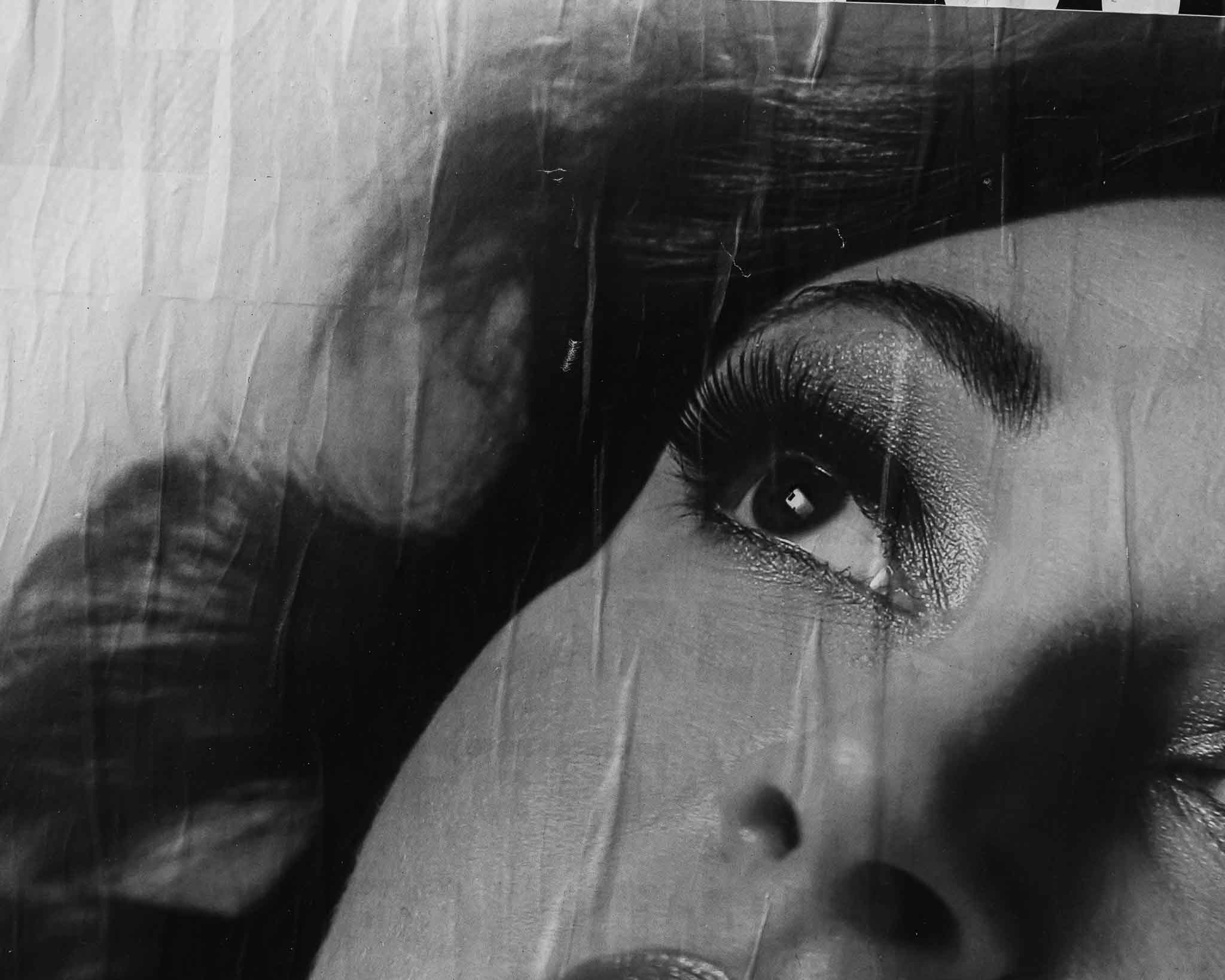
This image appears in this family too and why is there an astronaut in a field of flowers

22/03/2020

I am submitting a zine which includes black and white images and text for A2. It will be roughly A5 (dependant on what options are available to me at this time).

Background

After submitting final DI&C work to Pic London, I was pleased to have it accepted. I was put in a group with five other artists and we worked across time and distance using the internet, following three workshops, on a group project. I was in Italy for much of that time.

Three strands of work emerged for me and I had to make choices about what I did with what.

i. a film made with found footage inspired by conversations that had taken place between all of us in person and via FB messenger.

ii. a sequence of colour images taken with flash (which I personally prefer compared to the black and white ones)

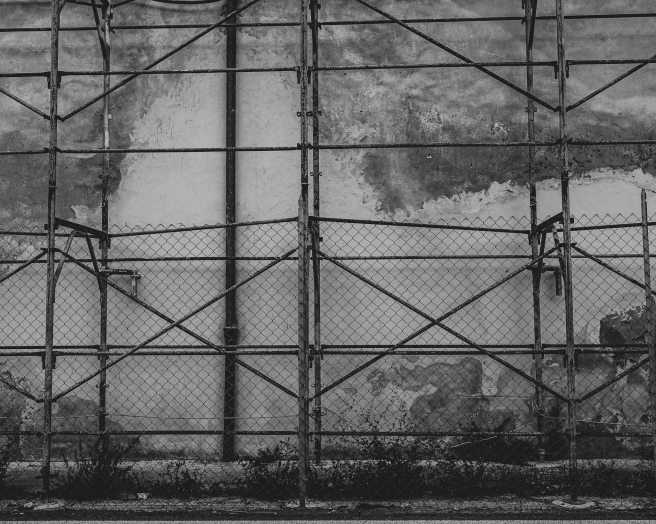
iii. another sequence of images I rendered black and white in LR – it suits the mood best, sombre – see below

As well, I wrote something which was inspired by my time in Italy and the conversations I had with the other artists and how the project made me feel, included in the Pic London show, then point ii. above which I’m not submitting.

  • The inclusion of the text is an important step for me – and shows development in further work where text plays such a big role. Text has long been critical in my work but the creative rather then essay-like style is a step in a new direction.

At the moment, I am NOT submitting each of these elements for the OCA. Just the Zine but including background information to show how it came about. I have chosen to do this as it shows steps towards the development of the anthology I’m creating for my main submission – i.e. creative text and image in book form.

While all of this was going on, Trump’s government was on shutdown and the tragedy of Brexit being argued about. There were fires, dreadful heatwaves and fascism was showing its ugly face in more and more places.

BOW Assignment 2 original 

There was so much work coming out of this collaboration and not all it sat well together. I ended up submitting the writing and the coloured images (see above) to my tutor for A2. I like them but after some time, I felt they were not sitting with the writing as well as they might. I played around with the black and white images and decided they should be valued and put them on my website. A little while later I started thinking about putting them in a zine format. And shared an early example on this blog. This week I have written the introduction and reset the text.

After chatting about the work yesterday with the TV group, I have decided several things

  • The cover will simply be an image, no title or other text.
  • I am thinking of moving the intro to the back or elsewhere  – need to experiment – to break with linear convention. In A4, I am opting for a very strict structure that follows traditional anthology inside of which the signifiers will be allowed to rit and party. But here the signifiers are less chaotic so there may be room for containing structure to be more flexible.

Questions

  • Please compare intro texts and let me know which is stronger. The short one in the PDF doesn’t give away too much but maybe it needs more.
  • Does the longer text spoonfeed people?
  • It’s currently called This Family Too.  This links to This Family – my very first assessment project – which linked to Family of Man. I have the book still. But I think it might be better called On The Edge of the Village
  • Finally – I am concerned about the image with the swimming ring. It is plastic made in China and says so in text on it – the sequence and edit was made before Trump started spouting his shite, and for me referenced shifts re the West’s global consumerism and the East’s increasing power. Like the later (currently A4) work, this project looks at entanglement  – time, culture, waves, intra-action of phenomena, walls – manmade and natural. We discussed this at length yesterday  – people reassured me, it did not seem like I was suggesting Trumpian xenophobia, although I could choose to clone out the Made in China to be safe, which I had considered. But we also discussed dangers of self-censorship. I recall Rachal Maclean saying when she made her film pre-Scottish referendum that both sides of the debate assumed her film was on their side due to its ambiguity. If my own work can contain an element of that ambiguity, that would be good. But if it just seems like an accusation I will need to remove the wording at the very least. I’d like to know what others think, please.

Current edit of the book  – Mono only 2 full

Things to do –

  • Add the cover image to the sequence inside.
  • Make sure no title on the cover.
  • Play with text/pagination – not linear.

Alternative longer intro

This project emerged while working on a collaborative project titled A rumour reached the village. While the poem was included in the resulting exhibition, these particular images were not. These various manifestations were made when I visited my mother in Ferentillo, Italy, for the duration of the summer school holidays in 2019. While there, it was impossible not to consider the political uncertainty affecting Europe, along with increasing levels of tension and fascism being witnessed globally.

The United Kingdom’s transitional exit period officially began in January 2020. By March, all of Europe was in lockdown due to the Coronavirus pandemic. Italy has, at the time of writing, been one of the most severely affected outside of China. The UK was one of the last European countries to introduce severe restrictions on movement and social interaction but looks to be heading in the same direction as Italy in terms of loss.

The village of Ferentillo consists of two wards, each with their own crumbling, medieval hilltop castle built for observation, protection and a place from which to call the alarm in case of danger. It is known for its museum beneath the crypt of the Church of Santo Stefano, where naturally-mummified bodies are displayed in glass cases. Some bodies are nearly four centuries old, the youngest is from the nineteenth century. The preserved inhabitants include birds and animals, villagers and visitor’s from afar, including China.

The work is made to acknowledge the fragility and ingenuity of humankind, and the entanglement of past, present and future, as well as financial, cultural and organic systems. It emphasises the fleeting moments of our personal experiences; and celebrates, as well as recognises, that which is greater than the individual. It focuses on cultural structures and natural phenomena, growth, and the vastness of existence. It is the third project I have made in the area.
CS A4: Tutor feedback

PDF here 

Written feedback and learning points in orange

A well-written, constructed and ambitious essay. The questions you are asking are (too?) huge (yes too huge but see end of report for rationale for sticking with it) and you offer a genuine attempt to answer some of these difficult and pressing questions about the nature of perception and the difficulties of the shifting photographic (and beyond) landscape.

The specific examples of art work that you give to try to unpick your ideas are really useful for the reader and help to emphasis your philosophical points. I, for one, would have enjoyed more of these to help me get to grips with some of these ideas! I do plan to add more, including more of my own – the work is in development. There are some minor grammatical and spelling errors that I have circled that are easy to remedy. Thanks

I am left with a couple of critical points that you might like to address in your final draft, if you think appropriate.

 1 I know that you are specifically addressing photography (and at times the moving image) in the context of this essay but on a couple of occasions when reading through (I have scribbled comments in the margins if you can read my writing!) I felt that you were distancing photography from other modes of production that do not suffer from the same Cartesian problems (performance art, participatory art practice?). This is problematic because you are, in part, discussing huge problems, ideas and world views that if critiqued solely (or predominantly, at least) through the photographic lens, can lead to a falsely narrow view – the very thing that you are suggesting is problematic with the way that we (in the West) think about and represent the world. This is a good point – and I will find a way to underline the discussion could apply to various ‘isolated objects – i.e. disciplines’ within the arts. And, of course, to politics, academia, and economics – to a general mindset in the West. But, that due to my course, I am looking through the lens of photography (of the academic art sort), which as it happens, is particularly guilty of the charges laid. There is probably too much to say about the split in western consciousness (logic vs ‘feeling’) – rationalised in the Cartesian era, and eventually expressed in photography, hence the inclusion of Cassandra as a figure – so maybe worth finding a way. Photography (of the academic art type) often seems incredibly myopic. And whatever flaws it has in relation, are compounded by what comes across as a fragile ego and the subsequent manifestation of that, a horrible superiority complex – which leads to work that claims to be about universal issues but often seems about little more than its own insecurities.  

It may be that you haven’t emphasised your reasons for concentrating on photography in the essay (because you are studying on a photography course? See above). As well as continuing to be the most dominant form of representation for consumers, the photographic community all too often alienates itself from other modes of representation. This is not, unfortunately, as a way of creating an objective distance to help the debate, rather as a way of protecting itself from intruders as well as for commercial reasons (see above). Interestingly, the very people who seek to critique the medium from the inside (Hilliard, Arnett et al.), arguably do the opposite; the further alienate photography from a wider discourse?

 2 I say the following reservedly, wanting to avoid a panicked inclusion of unnecessary material, but: You have done well to avoid bogging yourself down with too much of a description of quantum theory but I wonder if there is room for a little more help for the uninitiated reader? I suspect a few tweaks here and there could shift this impression. There is also a very good bit from Barad where she stresses classical and quantum models do not describe two different worlds. They describe the same world but from different points of view/perspectives. I already identified I should probably make sure that’s in there somewhere.

 3 Does your conclusion adequately sum up your argument? Do you need to refer more to quantum theory here? Yes, I should. Or will this confuse rather than illuminate?

I agree with comments made on the document by hand that the conclusion needs to be longer. I will also delete the bits you say you got lost in – I have clearly been unable to describe myself properly there and am looking for areas to cut: the bits I can’t explain properly for lack of thorough understanding is probably a good place to start.

The main ‘flaw’ with the essay is that it is too big a subject to be dealt with in 5000+/- words. However, the issue is so pressing, so unbelievably important that the disadvantages of sticking with it are outweighed by the need. The hubris of the ‘single-authored’ hero mentality that dominates our culture has completely destroyed our habitat. Barad’s theory (which has been so important to New Materialism – a term I purposely didn’t mention in the essay as there were enough new words and categories to contend with) underpins a way of thinking that promotes the rejection of human (white/male/western) exceptionalism. Today, that is so pressing – and it cannot be stressed enough. As I write it, that mentality is being played out in the worst way possible. Perhaps my essay will not change many minds, but it will influence my circle of people and I have already seen some of these ideas have an impact on others. It’s vital that we all find small ways to shift the destructive mindset we Westerners have assumed is natural and fixed for too long.

Useful for BOW : Art/Writing – John Douglas Millar on why experimental writing thrives in the art world

From: Art Monthly is the UK’s leading contemporary art magazine.
— Read on www.artmonthly.co.uk/magazine/site/article/art-writing-by-john-douglas-millar-september-2011

“So what are the consequences of this for art? What trends or symptoms can we delineate? The most startling is the rise of so-called ‘art writing’, as both a recognised practice and an academic discipline, and with it the growth in the market for the quasi-literary journal. F.R.DAVIDDot Dot Dot2HBThe Happy HypocriteCabinet and a wealth of other eccentrically named journals/magazines/collections/ catalogues/zines reflect a burgeoning interest in the written word – and not just the written word, but the word transcribed in a perishable material object, a book. The rise of this bibliophile tendency has come hand-in-hand with an increased interest in archive studies and it reflects a renewed Foucauldian concern with how knowledge is produced and logged, who owns and interprets it, and who speaks and on behalf of whom. It has also paralleled the rise of the internet, the blog and the portable digital reading device. The relative safety of the paper-bound book within contemporary art circles may suggest a negative reaction to the digitising of artistic production, a skewed romanticism where books are the final ruins of modernity, a Tintern Abbey for the digital age.” (Douglas, 2011)

I found this article particularity interesting in relation to the experiments I have been doing – attempting to work as an interdisciplinary multi-media creator who uses images and text, along with digital processes – especially digital as I abhor the skewed romanticism we apply to older forms while denigrating newer forms. This is made even more unpalatable when you consider how accessible and potentially egalitarian the newer forms are. (See my DI&C essay).

BOW & CS: Research SEM

Yesterday as I travelled to the Optical Science Laboratory at UCL (thanks to the generosity of one of my son’s friend’s dad who works there) I was reading about Brittlestars in Barad’s book, Meeting the Universe Halfway (2007) which is over ten years old so slightly out of date  – but she was very excited about then new research which stated that the Brittlestar is one giant eye. By 2018, what was being reported was subtly different but still entailed an alternative way of ‘seeing’ ( to ours – or else ascertaining what and how the surrounding environment is understood by other beings). The following was reported more recently in Nature

“There’s a growing understanding that the ability to see without eyes or eye-like structures, called extraocular photoreception, is more widespread than we thought,” says Julia Sigwart, an evolutionary biologist at Queen’s University Belfast, UK, and a study co-author. Many animals, including sea urchins and some small crustaceans, use this mechanism to sense their surroundings3. Brittlestars are just the latest addition to the list.

“Sensing the environment and responding to a stimulus without having to wait for that signal to go all the way to the brain can save a lot of time,” Sigwart says. And the idea could inspire the development of robots and image-recognition technology that don’t rely on a central control system, she adds.

As for the crystal structures that researchers thought acted as microlenses, “they’re just part of the skeleton,” Sigwart says. Their transparency and ability to focus light is “completely coincidental”, she adds. [This is what Barad was describing in her book]

But Hendler disagrees. “They could still conduct light into the skeleton,” he says. “I’m not ruling out the possibility that they have some optical function.” (Gugleimi, 2018)

Gugleimi, G. 2018, How brittlestars ‘see’ without eyes, Nature, [online] Available at: https://www.nature.com/articles/d41586-018-01065-7 Accessed 19/02/2019

I have been thinking about Hoffman’s book, The Case Against Reality (2019) a lot and how its hypothesis needs to be included in the CS essay – and can’t help but wonder, what if we humans could live as a brittlestar for a few moments – and then return to this human life to compare notes.

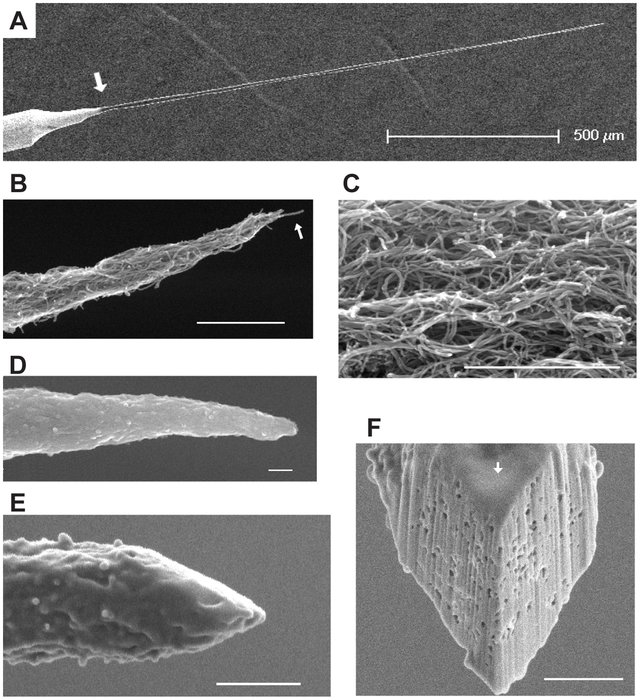
At UCL I and got to spend the day trying to figure out how to use an SEM machine (there is an SEM image in the Brittlestar article above – it’s MUCH better than anything I achieved). As Barad explains when describing STM, the bigger more powerful microscope out of the two  – the way the machines ‘see’ is almost like a blind person might with their white stick. It feels, or in the case of the SEM reads the electric field at the end of its probe, sensing the terrain and sends the information back to the computer which then renders it to an image our brains recognise.

I learned that the hardest thing, working at this level, is to get the probe cut correctly. We had to cut it ourselves and unless you do it well enough it simply won’t work. Or it will render the image poorly. The tip of the probe needs to be one atom wide. And it can be easily damaged which is why you have to cut it yourself with plyers.

SEM-images-of-CNT-probes-A-Low-magnification-view-of-a-CNT-probe-Tungsten-wire_W640

The example I was shown was more like a mountaintop, but here are some other probe points from https://www.researchgate.net/publication/248385439_Intracellular_Neural_Recording_with_Pure_Carbon_Nanotube_Probes/figures?lo=1

We spent hours trying and failing to get anything at all. Apparently, the students get marked quite highly or not for this experiment.

The other SEM images on the computer were all far better than my own one and I don’t think I will use mine in the book –  but I was fascinated by the process and it will definitely feed into the book/work/essay. However, I will I hope return to do a still life of the tools we used as the colour of the handles is rather strangely the very same blue as the cows’ eyes (which I’ve not posted here yet – planning to do a contact sheet at some point soon). I think this may make a worthwhile juxtaposition.

Here are some of my efforts. Huge thanks to Peter Doel and his colleague for allowing me to explore this different way of seeing.

We did get an image of a range of atoms (I think) although it is not even, which is the ideal aim.

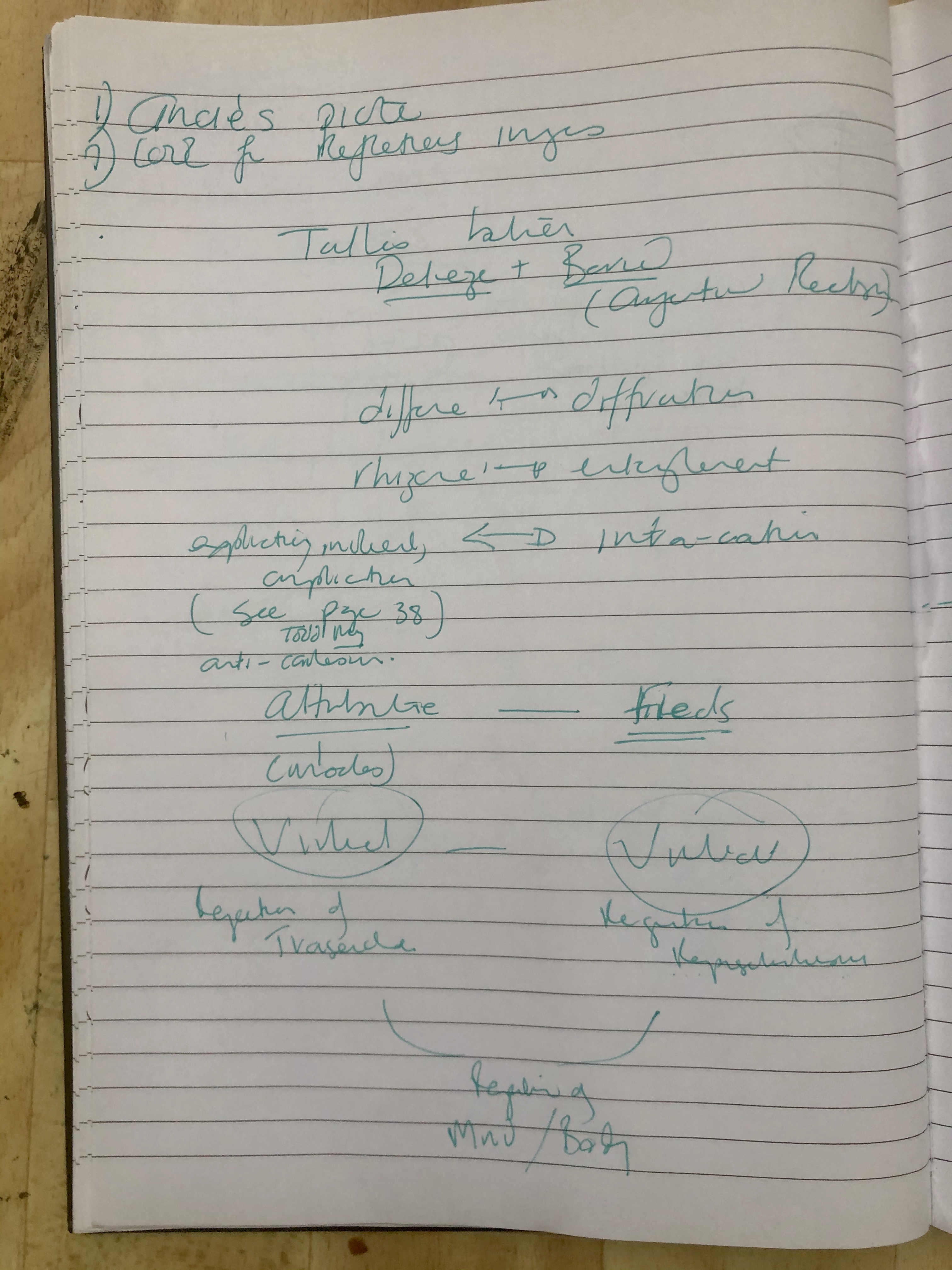
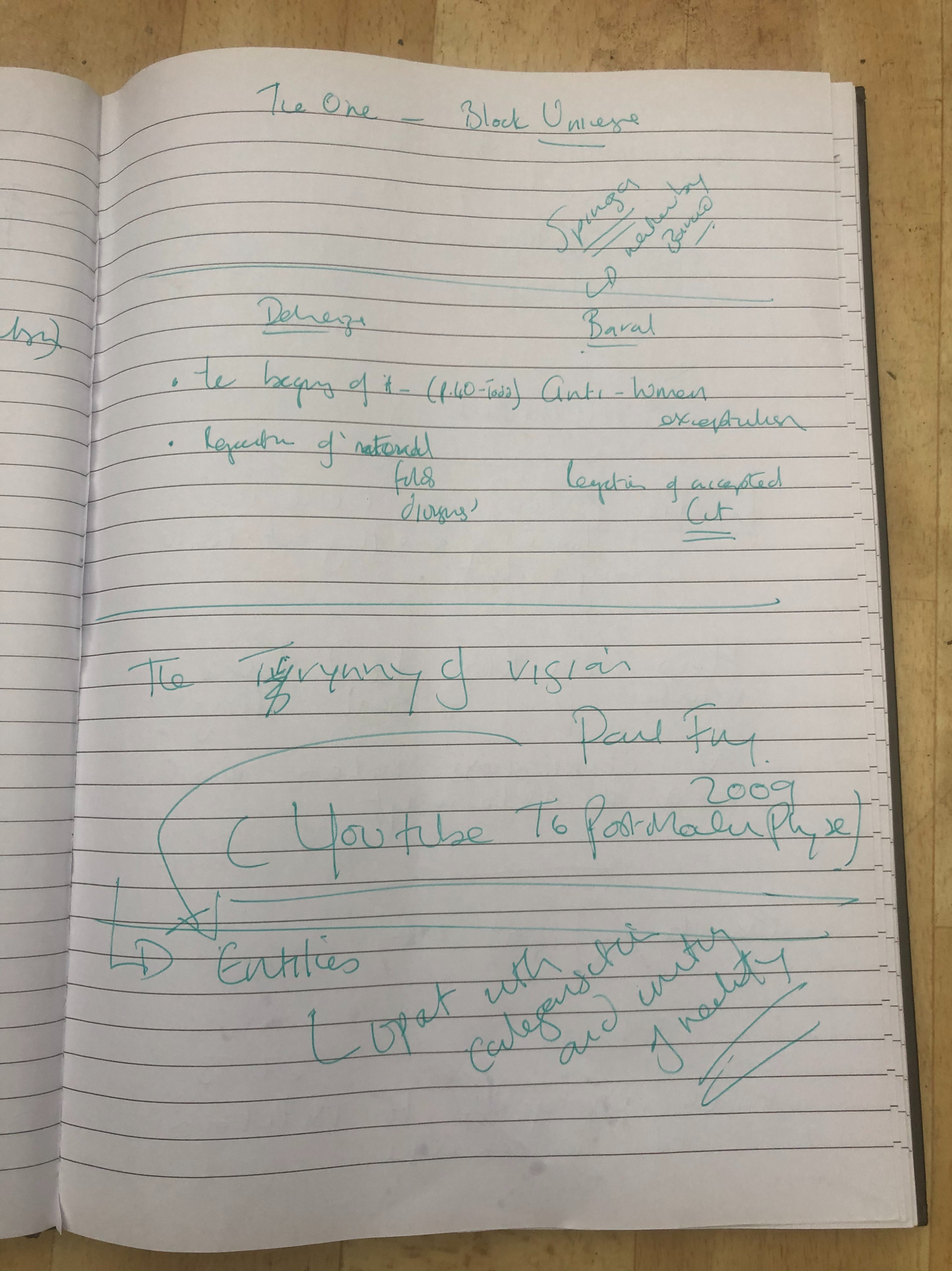
BOW/CS: Research , Delueze ‘difference’ & Barad ‘diffraction

Barad quotes Deleuze once in her first chapter at the top of a section, referencing language (words) and the problem of representationalism, and later, he is relegated to a sentence in her notes which mentions how his view on entities interacting – which are so similar to Barad’s ‘intra-action’ is irrelevant (2007, 437, n80). She writes ‘possibilities are reconfigured and reconfiguring’ (177) For Deleuze, there is folding and refolding and unfolding and refolding (May, 2005). I find Barad’s neglect of Deleuze surprising and wonder what it’s about. She tells us she is a Derridian – maybe it’s just about preference, but I suspect there is more to it. Can’t believe it’s related to views’ like Scruton’s dismissal of Deleuze.

Regardless, there are lots of correlations, and in any case, neither’s views are entirely new (suggested by Professor Paul Fry, Harvard) since the overemphasis by humans on their separability  – rejected by both Barad and Deleuze – is explored by Walter Pater in his 1873 book The Renaissance: Studies in Art and Poetry. The difference with Barad is she has the language of science backing up her arguments (although even then, they are contentious in some circles). Fry says Deleuze’s writing style is excitable – maybe it’s that which puts Barad off.

I have recently been reading Todd May who is recommended by different people as being good on Deleuze – and was thrilled to see morphology discussed in one of his videos as that links directly to my DI&C work. In the meantime, some notes taken while istening to Professor Fry’s lecture (see below):

IMG_2171IMG_2172IMG_2173IMG_2175IMG_2174


Barad, K. M. (2007) Meeting the universe halfway: quantum physics and the entanglement of matter and meaning. Durham: Duke University Press.

May, T. (2005) Gilles Deleuze: An Introduction. (s.l.): Cambridge University Press.

The Postmodern Psyche Explained (s.d.) At: https://www.sam-network.org/video/the-postmodern-psyche-explained(Accessed 16/02/2020).

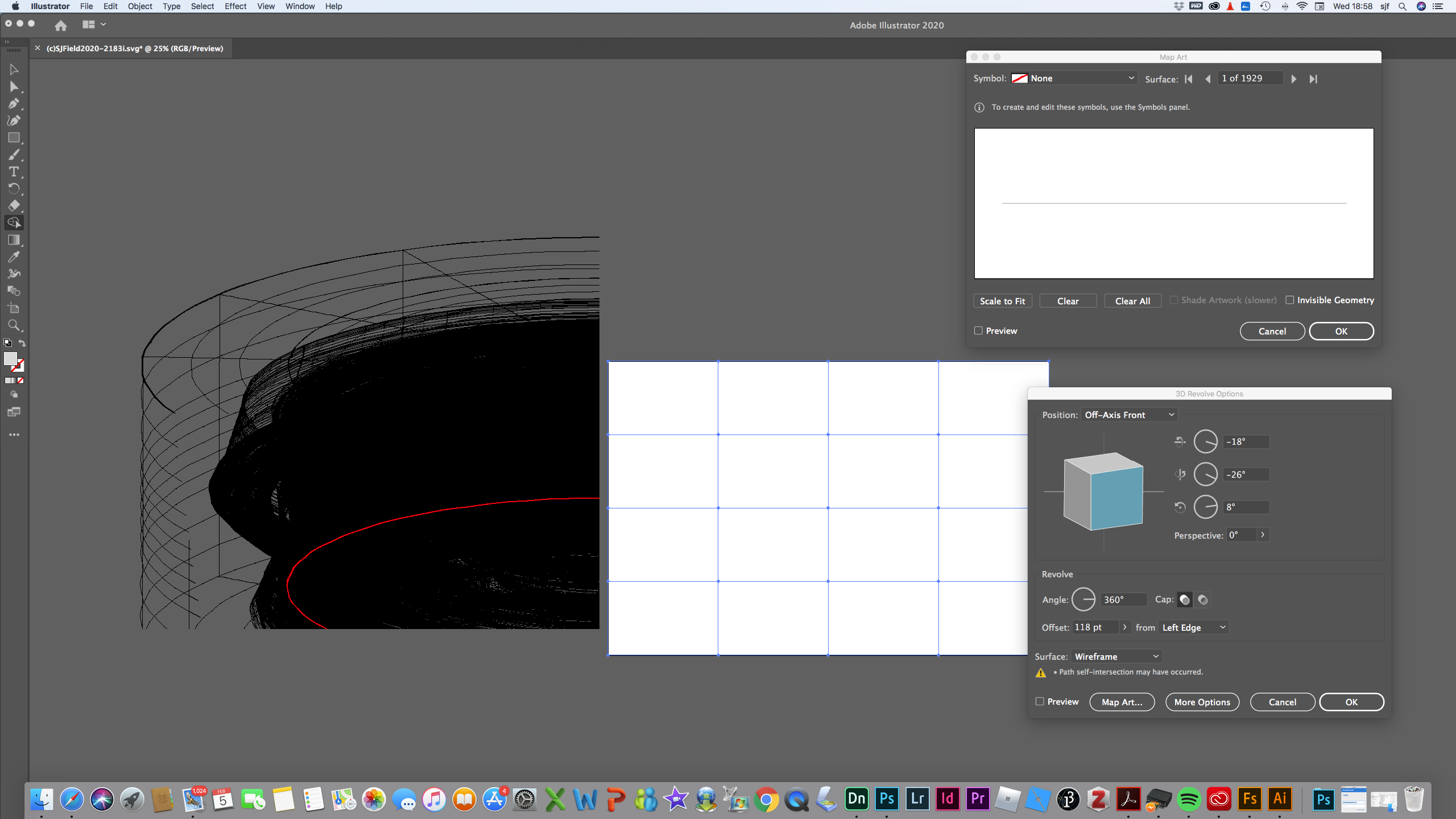
BOW A4: First attempts at 3d rendering

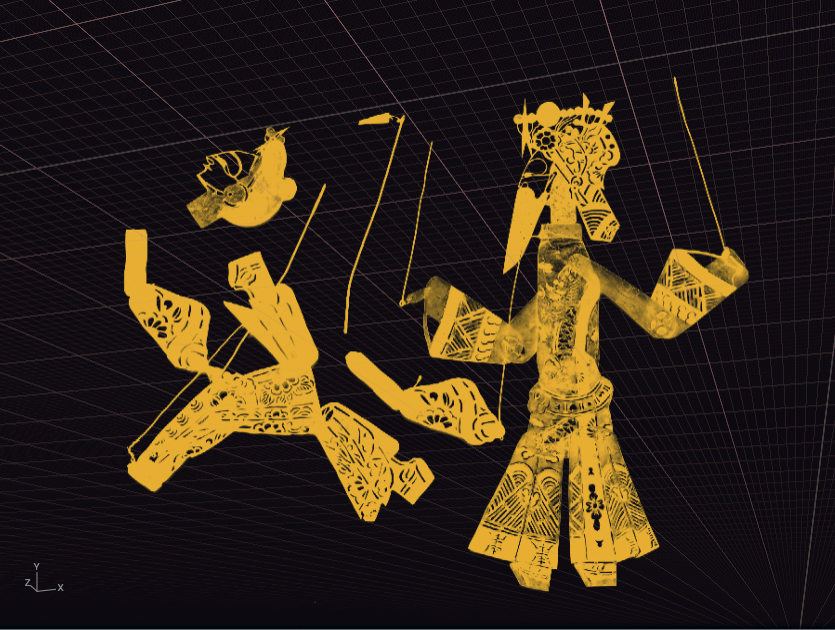
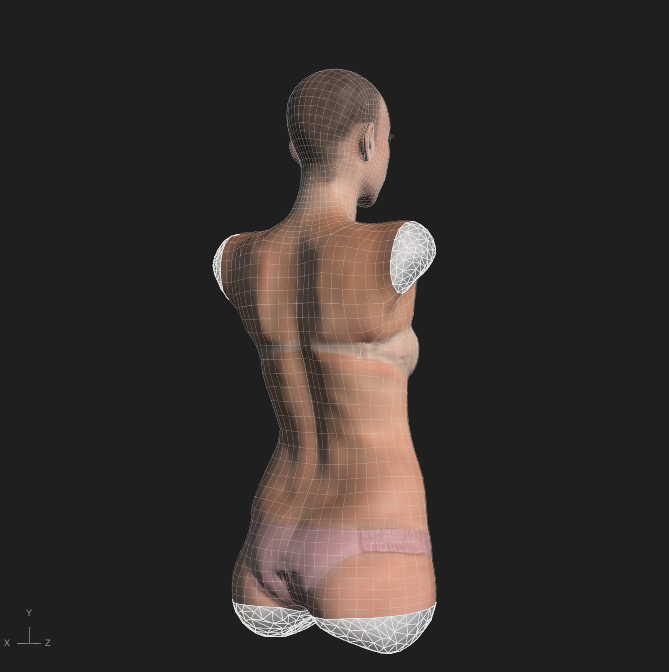
This did not go well!

Screen Shot 2020-02-05 at 18.58.11

No idea what I’m doing in Adobe Dimension but this was all I managed… :-/ It’s a background worth thinking about I guess…
Screen Shot 2020-02-08 at 12.42.56

Literally no idea what’s going on with this one  – but am keen to have something included that denotes this constructed /simulated aspect of narrative-making. Will need to really figure this out – far from it right now. Asked an artist on Ig to point me in the right direction but was categorically ignored! Will do best to find time to figure something out in the next few weeks. Would like to have a sequence of deconstructing so-called real

Screen Shot 2020-02-08 at 12.48.07

BOW: A3 dummy booklet

Making this  – bringing the work off the screen was incredibly useful. I was asked if it will be this size… no. (This booklet was handy – I owe my son a stocking-filler though). I will make the book in ID over the next ten days or so and fix a size but whatever happens in the making of it is open to need and further development.

This is not a fixed sequence, in fact, I scanned it in the wrong sequence because I’m tired and kept missing pages – it’s not a fixed anything, just a step in the journey. There is lots more writing which I never got to include in this initial manifestation plus some images but that is what I need to work on some more. The writing is driving this at the moment rather than photography. That’s ok. I have countless notes on my phone, phrases and thoughts, sentences, ideas which keep coming (see example below) and so I have to let that continue. No, this colour scheme is not it. The book is from Tiger…


Dummy book 1001
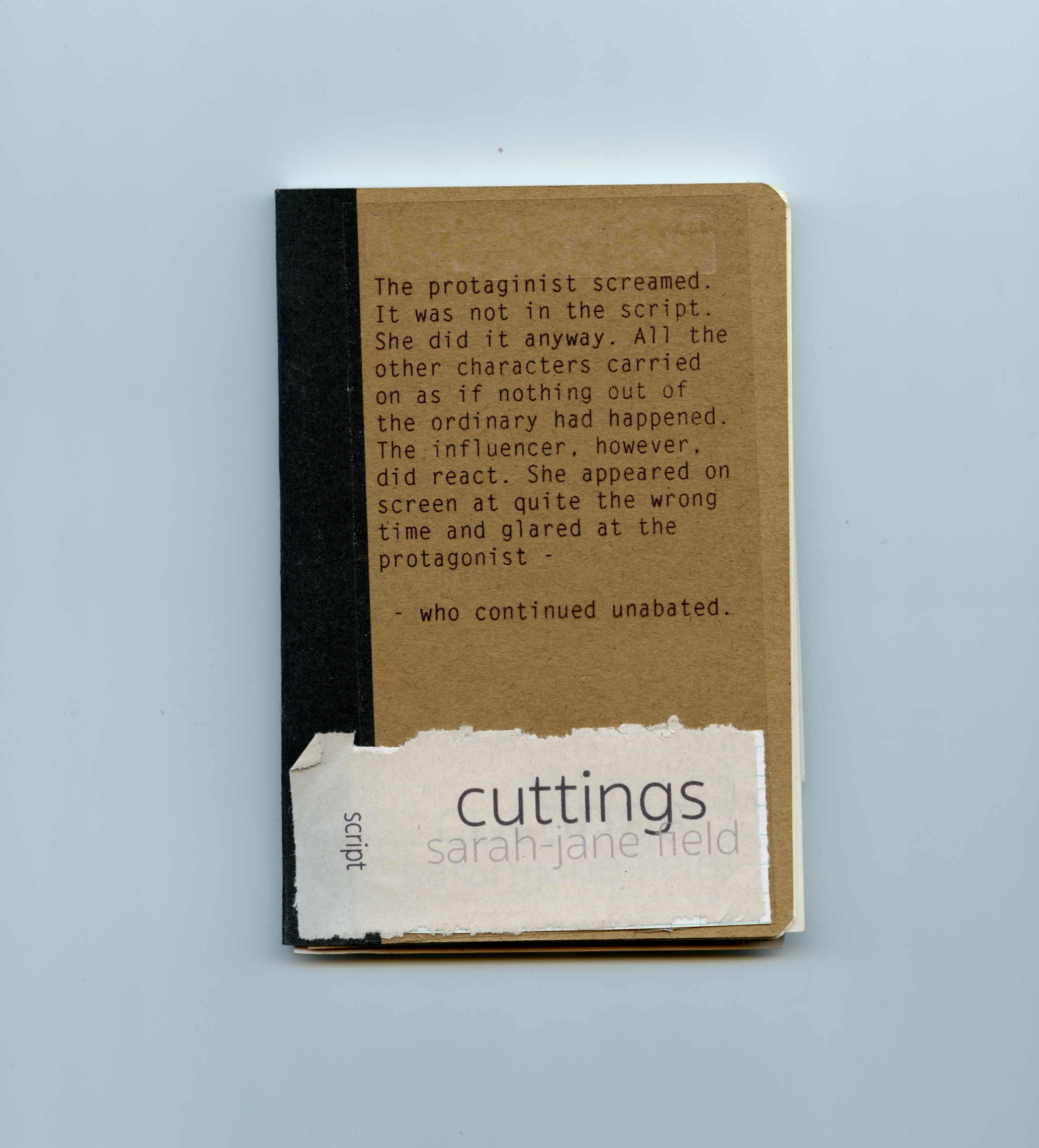
I like the idea of having a random paragraph on the cover and no title in fact. that can go on the cover page. It breaks the boundaries and establishes the fact of the alternative cut immediately. My son (interested in design) liked the raggedy cut due to a borrowed guillotine –  which I now understand is in the cupboard not being used for a reason. But I will try to photograph a tear with the macro in daylight as a result of our conversation.

Dummy book 1002
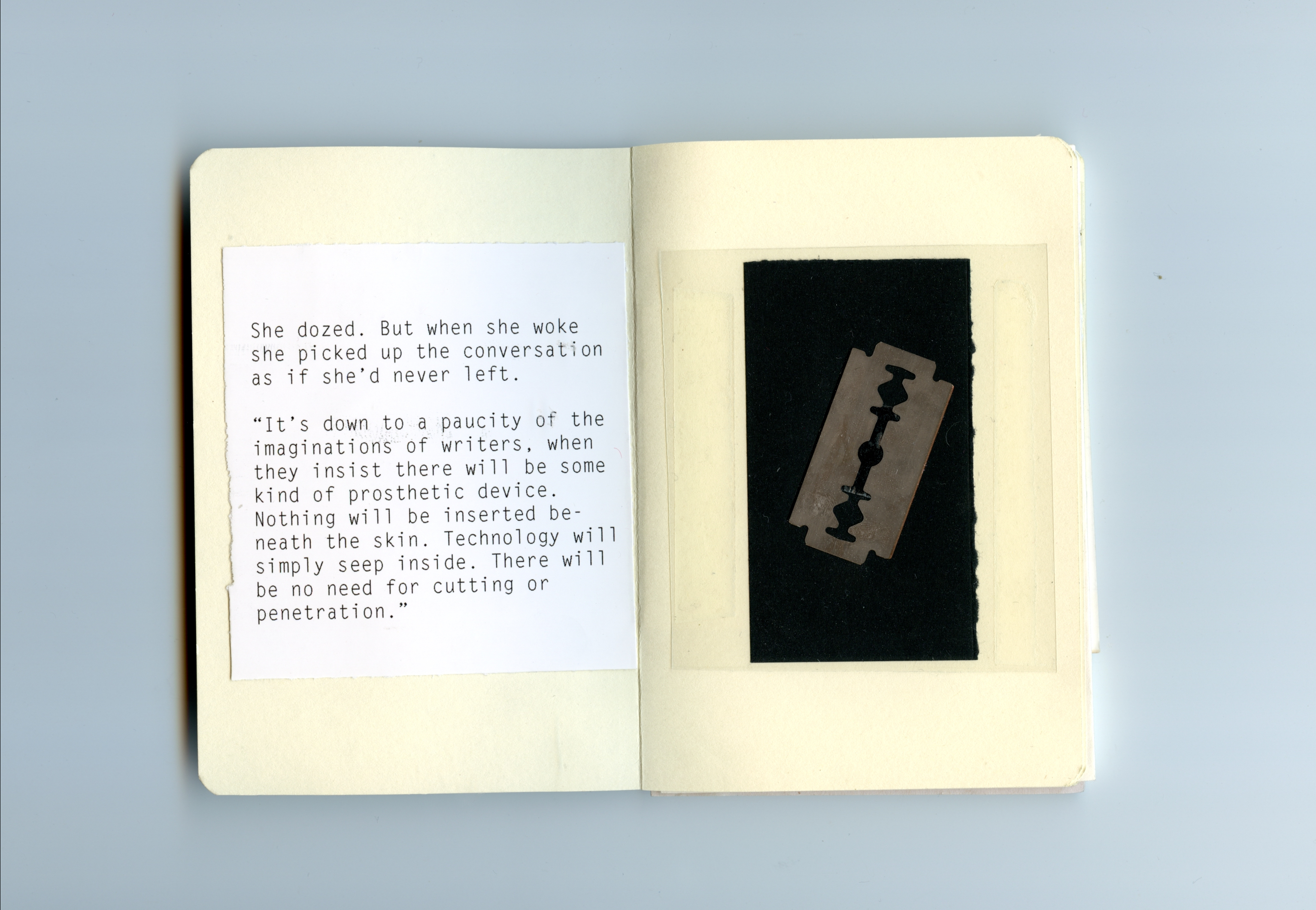
This is a real blade and I would very much like to include it as such in a version. I wonder about making an expensive version of the book which has this and other interesting things like a fold-out page  (see below) for assessment but if/when exhibiting make a zine run which will need it to be a photograph. I would need help with a book and have mentioned this to another student who made a very beautiful book. I know where my skills lie and bookmaking is not one of them.

Dummy book 1003
I am likely to use either a frame from processing for this or the shot with the female scattered. or a sequence

Dummy book 1004
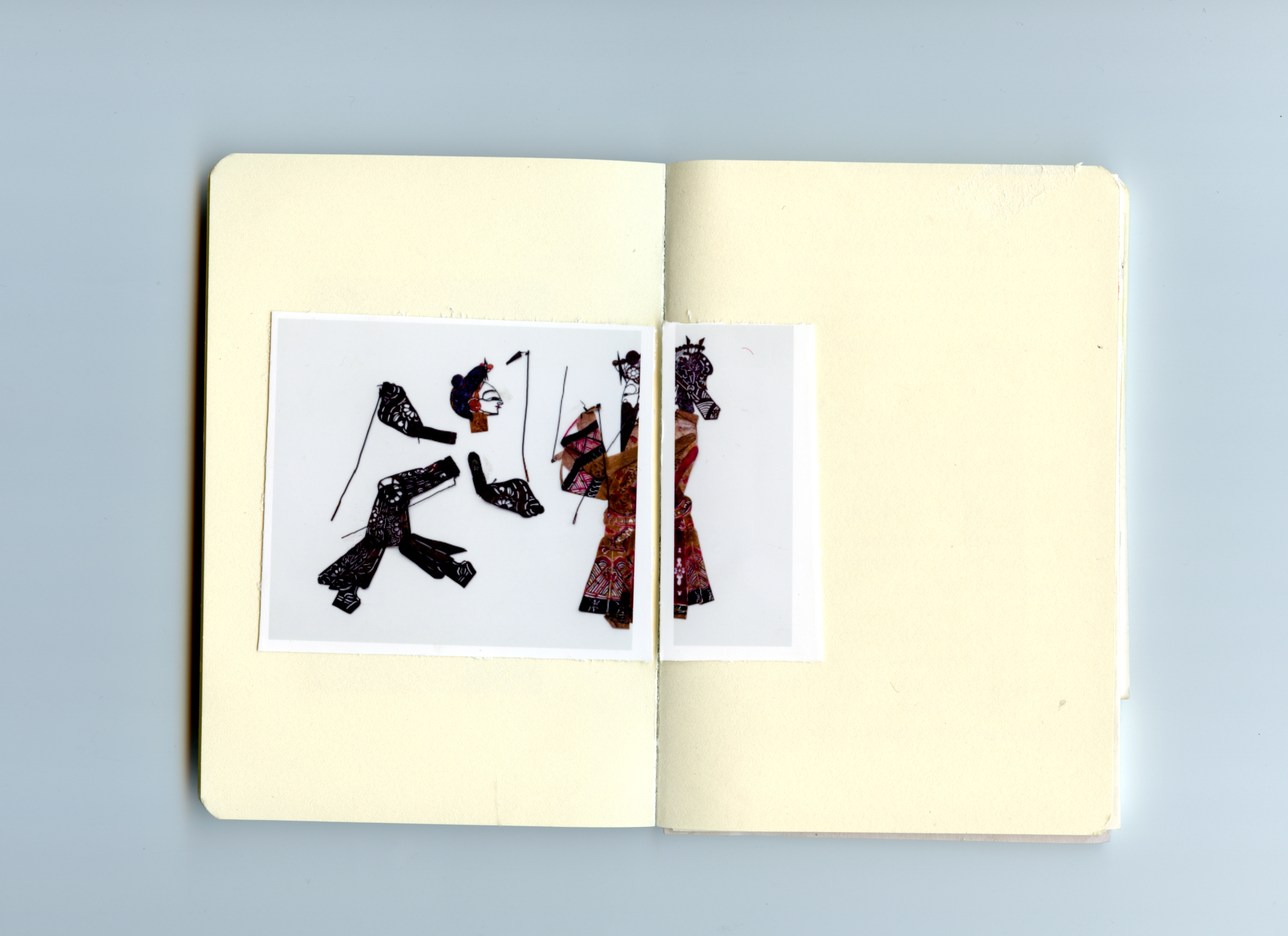
Folds out because of the size but in a finished product would not.


Dummy book 1006
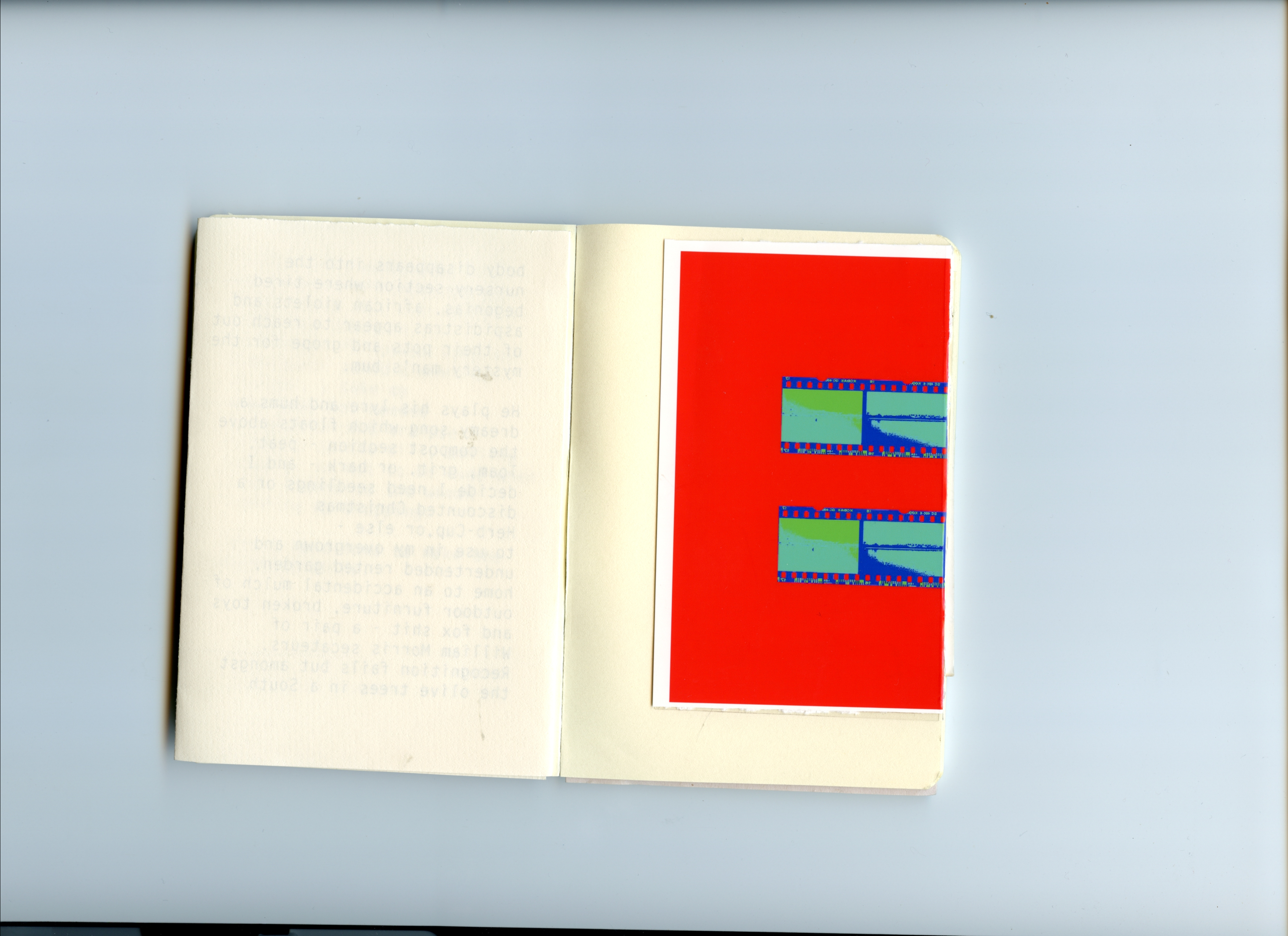
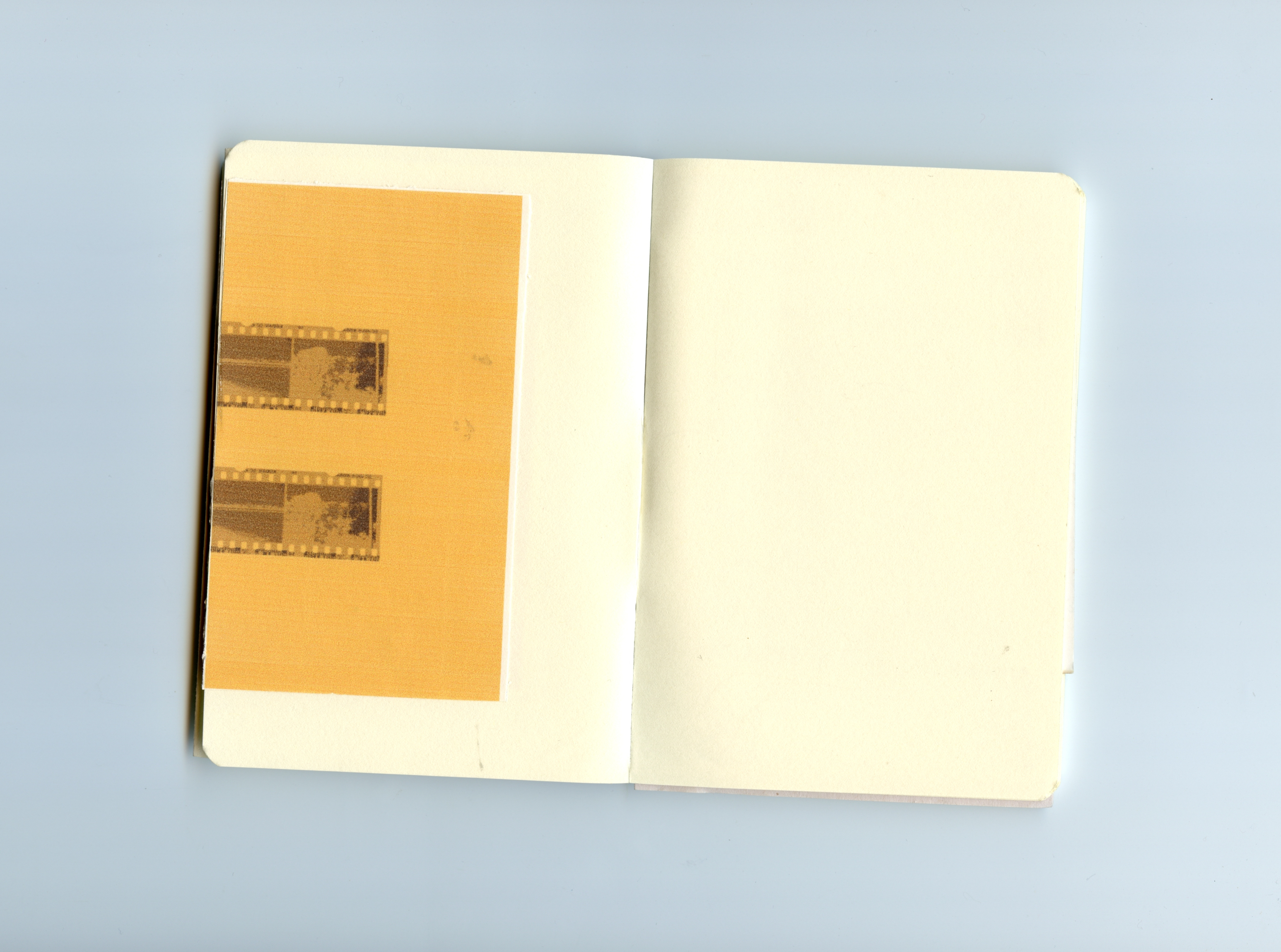
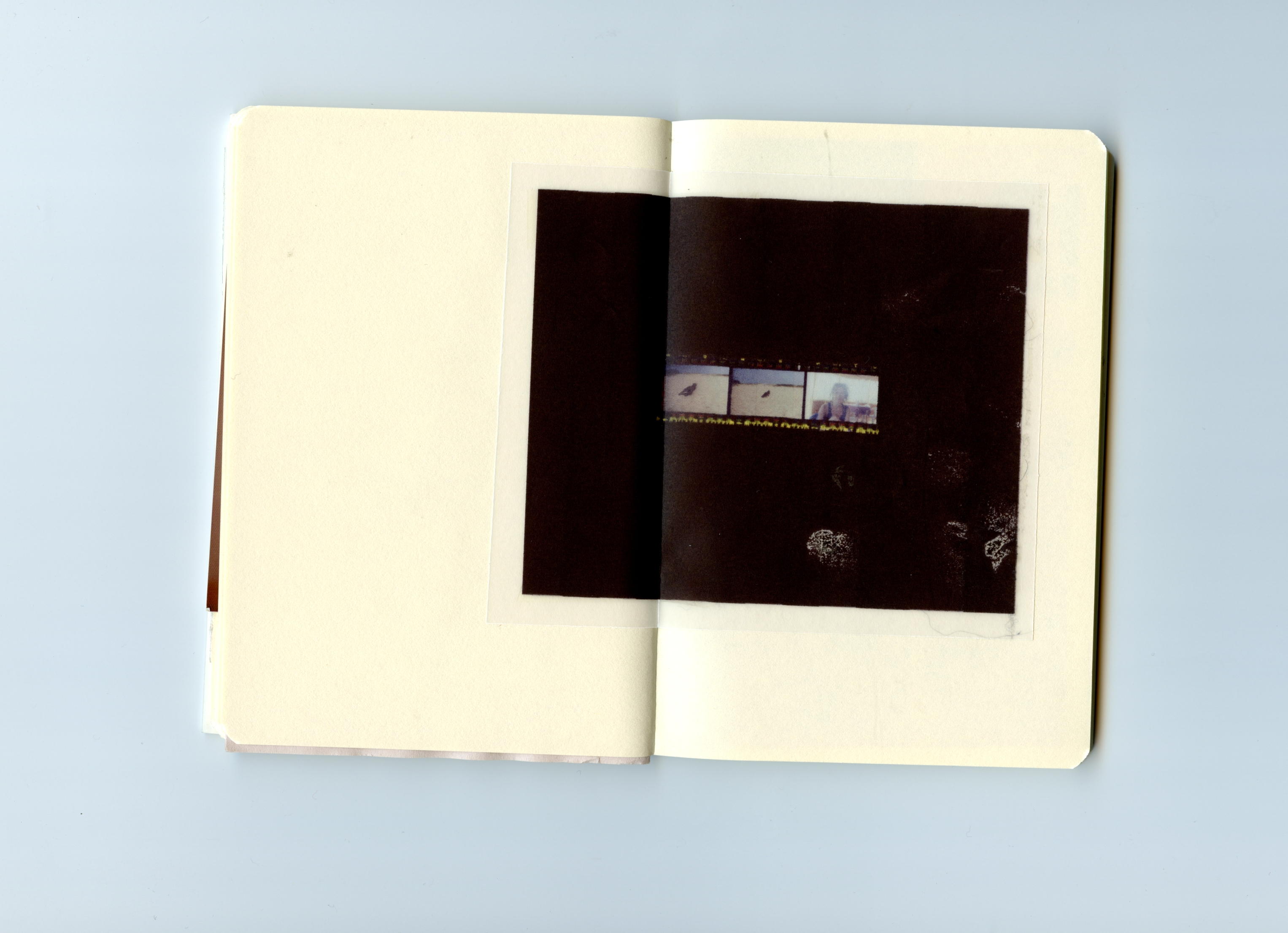
Mistake with printer which I liked split over two pages in fact, then didn’t like all the yellow on this and next page, so tried the red. My son loves this colour mix, I don’t, and will remake using specific negs I have identified. Scanned.

Dummy book 1005

Dummy book 1007
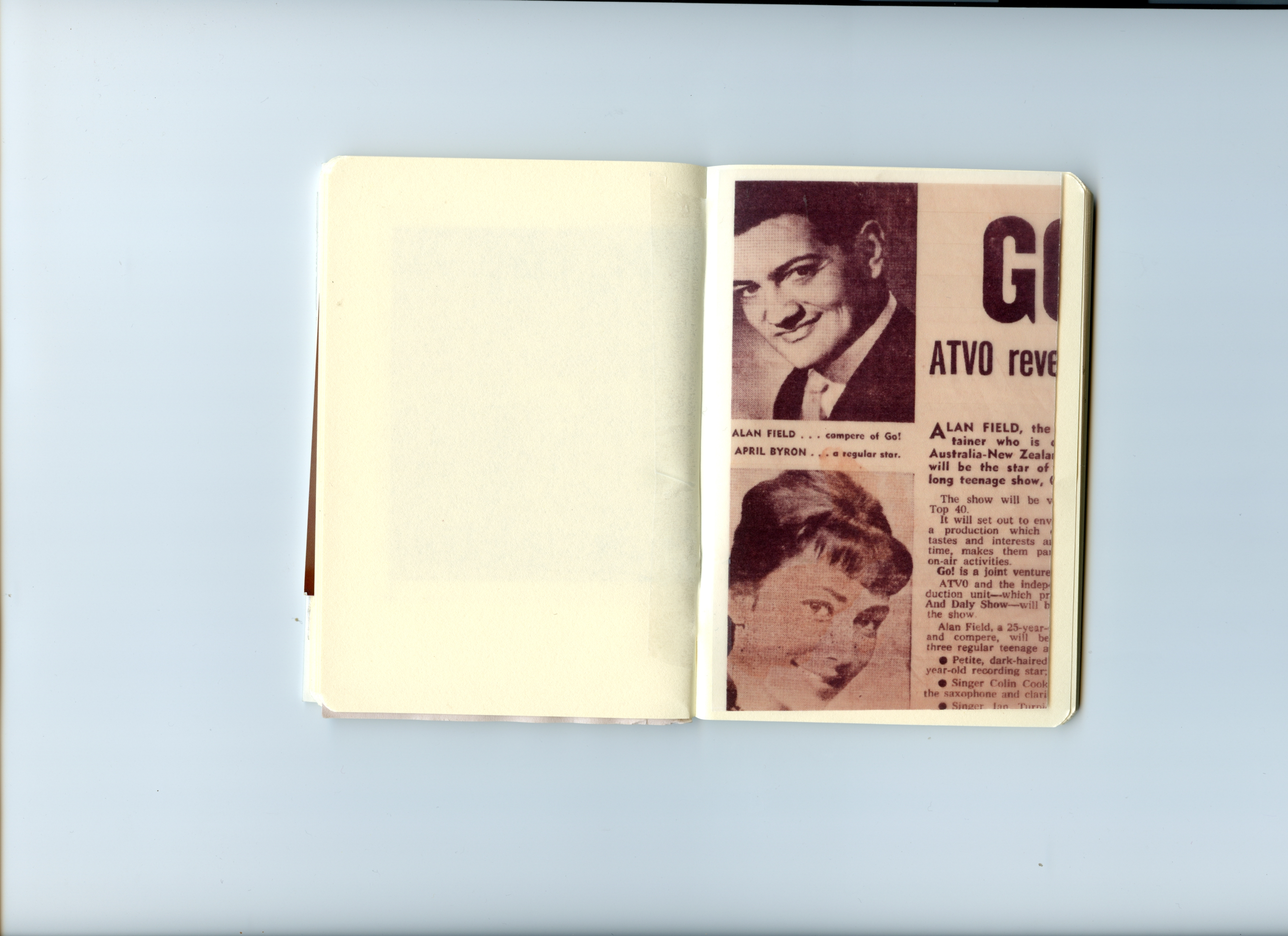
Will use something from Three Sisters or Uncle Vanya. Wasn’t sure but then realised the unconscious entanglement meant something – this book is about meaning emerging out of entangled interactions so will keep but not sure what passage.

Dummy book 1008
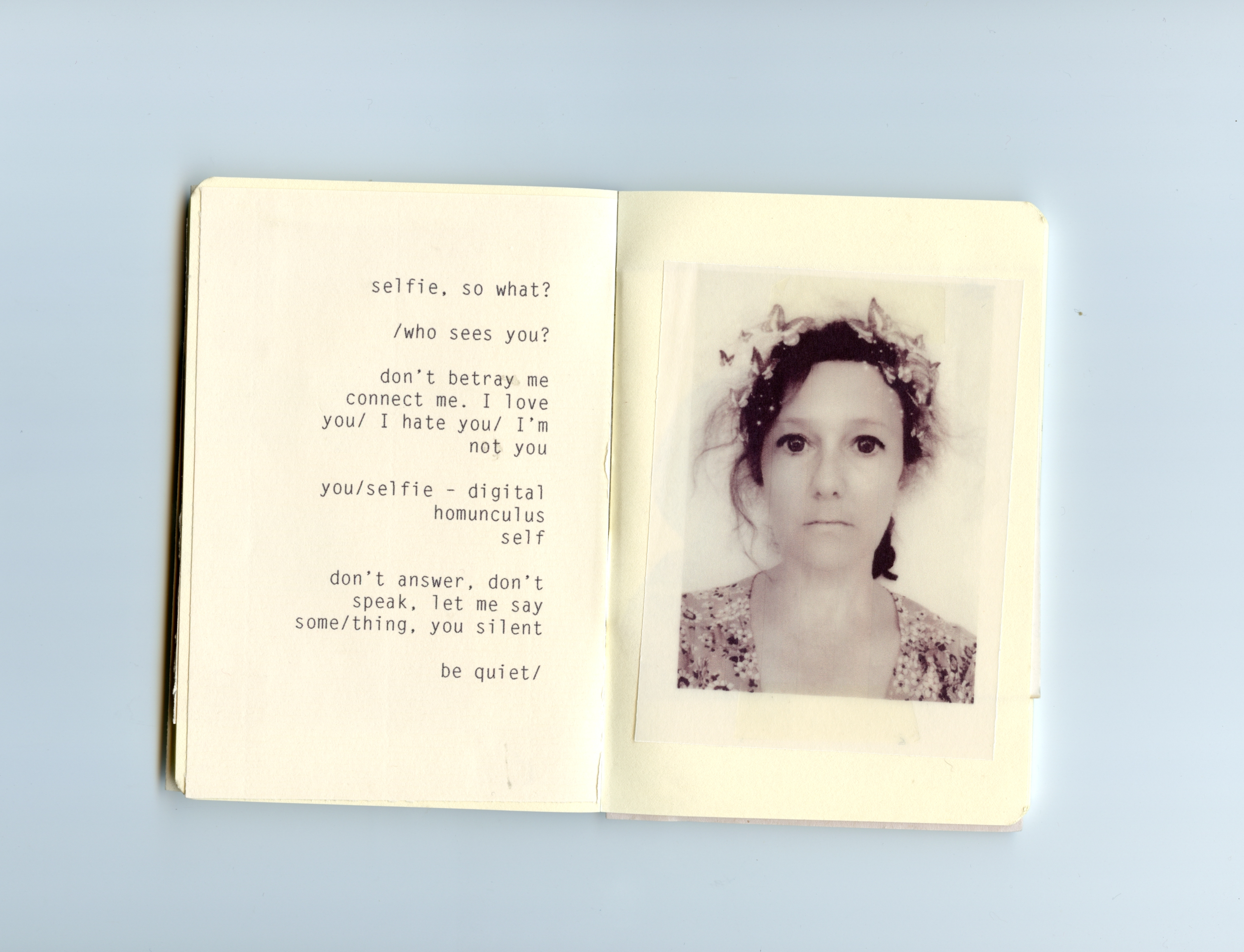
Like this combo but will play with other versions of selfies

Dummy book 1009

Dummy book 1010
Mistake covered up with something lying around  – like it. but need to find another or make sure I can take this out and scan it well enough. I do like these colours and wall paper.

Dummy book 1011Dummy book 1012


As mentioned, some notes from my phone with ideas, writing, things I’ve heard etc. I actually like the randomness and unstructuredness of some of this as-is, there is a freedom to it that isn’ in the earlier stuff:

The traumatised grown up

Sons hand me their hatred to carry around 

To the academics who fail to recognise their privileged booty 

Manifesto for the digitised self/age 

/ Alexa I’d like a wife

Sure, it’s fine for Philip Larkin to peer out of his train window and scoff at cheap fabric and gaudy hats 

Behind the shopfront, beneath the surface  everyday consumer 

Transactions – film world 

Trapped inside these words which cannot entertain a different world  

Split atom

Colonialism 

Sum

Of

The

Time 

&

Other 

Entanglements 

Reality is fucking with you 

Void realm 

Simpering 

Deity, divine, godhood, diabolical, decapitation, apotheosis, Ex rain god, enchantment  / Zeus sat down with Greta Garbo  – they don’t know how to create gods anymore, they worship objects. Laughter/ Zeus, my children don’t listen to me, I might as well not exist, I despaired then you and your friends came along, but then it was like the old days, not like that guy who wanted sole charge. He got it all wrong, 

There are no photographic records of my Czechoslovakian relatives, brewers who perished under the Nazi’s, in camps and ghettoes – missing images 

Mushroom, beige, magnolia 

Cut advert, cutting room floor, shiny nose, cut hair, terrible ‘boyfriend’ jerk, more money than any other job, least money with the BBC – most recognizable.

Floor, my entanglement with Tom 

CS: Alan Sekula’s The Body and the Archive part 1

Sekula, A. (1986) ‘The Body and the Archive’ In: October 39 p.3064. At: http://chnm.gmu.edu/courses/magic/sekula.pdf (Accessed 23/11/2019).

Field, S. (2017) Notes: The Body and the Archive Allan Sekula. WordPress [Blog] At: https://ocasjf.wordpress.com/2017/06/12/notes-the-body-and-the-archive-allan-sekula/ (Accessed 05/01/2020).
Heimans, J. and Timms, H. (2018) New power: how it’s changing the 21st century – and why you need to know. (Kindle) London: Macmillan.
Blatt, Ari J. 2009 ‘The interphototextual dimension of Annie Ernaux and Marc Marie’s L’usage de la photo‘, Word & Image, 25: 1, 46 — 55, 27 – Alain Fleischer, Mummy, mummies (Lagrasse: E ́ ditions Verdier, 2002), pp. 15–16. Translations mine. (Blatt) Available at: https://www.tcd.ie/French/assets/doc/BlattOnErnauxMarie.pdf [Accessed: 24/04/2018]
Quantum Fields: The Real Building Blocks of the Universe – with David Tong (2017) In: The Royal Institution. Royal Institute. At: https://www.youtube.com/watch?v=zNVQfWC_evg (Accessed 05/01/2020).

I looked at this essay during S&O and will look at it again here – Sekula’s essay along with John Tagg’s talk on the filing cabinet both provide plenty of useful references, which, combined with Barad, Lupton and Rubenstein’s thoughts/thesis’, are probably the key sources of information through which I’ll explore at the topic I’ve chosen.

  • The essay opens with the paradoxical status of photography in bourgeois culture (3)
  • He quotes a song which ‘plays on the possibility of a technological outpacing of already expanding cultural institutions’. (4) This rings true today (see New Power, (Heimans and Timms, 2018))
  • You could replace the work photography with digital for the first two pages and it would all sound relevant and fair.
  • However, by page 6, the veracity of the photography is being discussed, as seen by contemporaries – ‘Only the photograph could begin to claim the legal status of a visual document of ownership’
  • ‘a silence that silences’ (See muteness and photography – ‘Ernaux reminds us, initially ‘all photos are mute’’ (p.73).) Blatt, Ari J.(2009))
  • (6) ‘the criminal body’ and therefore the ‘social body’ invented
  • ‘a system of representation capable of functioning honorifically and repressively’ (6) how does this work with representationalism and the unpicking of that? There are no entities waiting somewhere to be represented, rather there are emergent intra-active phenomena (Barad, 2007) (criminal and social bodies are made/formed)
  • again photography can be replaced with digitisation when discussing how portraits are degraded and extended at the same time – see selfies, phone pics
  • (7) ‘Photography came to establish and delimit the terrain of the other, to define both the generalised look – the typology – and the contingent instance of deviance and social pathology.’ So much to say here – See Azoulay (2019) and photography’s intra-active position/role within a much wider non-linear narrative. See Tagg and ‘fixity’ of the photography and Victorian culture – the desire to catalogue everything according to ordered and identifiable rules, (2011) i.e. the periodic table of elements  – a Victorian System compared to today’s quantum fields, a modern system/model of reality which we are informed in most accurate to date and is far more nebulous and difficult to comprehend, no doubt in part due to our Cartesian ‘habit of mind’ which is desperate to label and file everything neatly and ordered (Barad, 2007) as well as being counter-intuitive, shrouded in academic mystery and just really impossibly hard. The Victorian system and hence our dominant one (although this is changing hence the entrenched reaction of a conservative mindset), seems desperately naive in comparison.
  • (7) See quote about ‘possessive individualism’ which I’ve already inserted into CSA2
  • (7) Relate photography ‘a means of cultural enlightenment’ and ‘sustained sentimental ties in a nation of migrants’  – compare this to digital tech/culture in today’s culture. Beneath both Carlyle and Aurelias Root’s comments is a dreadful patronising tone however which is surely avoidable. See images ‘of the great’ = ‘moral exemplars’ ??? (Imagine a photograph of any of our current crop of erstwhile leaders providing such?)
  • Sekula writes of the utilitarian social machine, the Panopticon – think today of social media/ Surveillance Capitalism (Zuboff, 2016) (9)
  • The archived body – ‘begins’ here see page (10) begins is not the right word, becomes visible perhaps.
  • 911) physiognomy and phrenology  – ‘surface of the body’ ‘bore the outward signs of the inner character’  – Compare this to Professor Plomins deterministic genetic code thesis which Cummings et al relied upon to justify changes they made to the Education system. Cummings claims that people misunderstood the work and have since retracted their negative comments. However, I think Christakis’ comments on genetic coding is probably more honest  – both I suspect, however, show how deep and far-reaching social construction and their associated embedded epigenetic markers can be. Whereas some can see the need for more positive and profound structural changes to take place, there is a mindset which believes we should further entrench these realities which Sekula is talking about that continue today. I was also struck while reading this by the similarities in an article I read today some on FB (I think) which claimed the more bitter and cynical you are, the more likely you are to age quickly and get sick. Lots of scientific data support the thesis – the way it’s been framed, but I am quite cynical indeed and look about fifteen years younger than some of my friends  – so I felt a little doubtful  – we people seem to enjoy deterministic narratives even today.
  • (11) borne of ‘attempts to construct a materialist science’  – compare to Barad’s performative/discursive/material emergence of meaning, far more complex and lively but nebulous so hard for people to engage with
  • Maybe time to revisit Szondi who I discussed in my first reflection about this essay – an early psychometric tester, he defined people by their reactions to faces rather than by the shape of their own faces/heads. Many companies today use much more robust psychometric tests which are extremely powerful but one wonders about the wonderful aspect of chance being eliminated. And so we enter the discussion of AI and how it can be so much more accurate than human power but how much agency do we give it? Currently watching Travelers (Netflix) which explores this in typical pop-culture fashion – first series better than then the rest and lots of references to .
  • Sekula identified ‘idealist secret lurking a the heart of the putatively materialist sciences’ – how is the AI screening of CVs and psychometric testing any different? And you should see the John Lewis video that you must watch before taking thier tests   – madly idealist in quite a scary way, reminded me of Logan’s Run (In HR terms, humans do still get involved: I know this as AI testing identified me as potentially suitable for a well-paid relatively high-status job but my lack of experience ensured I was rejected once a human looked at my CV in one particular application process!) Perhaps I will include some of the resulting descriptions of me, having taken part in this process in my BOW… 
  • TBC

CS A3: Tutor Feedback

Full document: Sarah-Jane Field CS A3 Feedback Form

 Key points

  • What do I mean by photography? A perennial problem and one which I spent many words trying to address in DI&C drafts before abandoning. Will discuss below.
  • I am asked; without being patronising, will there be a type of glossary for some of the more unfamiliar words/phrases/concepts? (I have wondered about including a glossary for the tricky concepts in the indices as well as inc. Chapter 1 as planned – would this be acceptable?)
  • Choose the right examples, this is imperative – I agree.

Summary of written feedback:

You are beginning to bring together these complicated ideas into a coherent piece of writing that asks questions about the way that we perceive photography. Your sample text section is well written and is an indicator of a highly polished, informative and interesting piece of critical writing. Good, I’m pleased to read that.

  • Need to be clearer about what I am critiquing – formal traditional photography (inc. moving image)/ or am I including or omitting practice that moves beyond the frame? My big challenge is our language system – I am critiquing the habit of a Cartesian mind which seeks to separate these things in a world still dominated by it – which I think is particularly *exemplified in photography – the recording and fixing of photons (there is much more to say about this but not here). How I overcome the challenge in the essay is yet to be seen and I may not succeed. It may not even be possible because the language we use today, and how, may not allow for it. A friend studying at a much higher level than me recently said, we desperately need consciousness to evolve away from the Cartesian urge to isolate and separate. But it’s not going to happen overnight or even this century – however, lots of people seem to think it is taking place, beneath the surface all the time without our awareness, due to digital culture for good and bad – and having an impact on how we perceive everything, from photography to far beyond. (*See John Tagg’s Filing Cabinet talk 2011, Vimeo, which though hard to follow has useful references)
  • I agree with Matt’s point, the artist examples should clarify things. I was glad to be pointed towards Christian Boltanski and Alfredo Jarr. I have identified that Edgar Martins is exploring the relationship between photography and perception, and his work is heavily influenced by quantum-informed concepts. Lewis Bush’s Ways Of Seeing project may also be an excellent source.
  • Since submitting A2 I have identified further written work which will help to support the discussion – essays in Martins’ book on death and suicide and by Daniel Palmer, Associate Dean of Research and Innovation in the School of Art at RMIT University, Melbourne. I have also continued to read Barad’s work making sure I understand the ideas as best I can and can apply them to photographic theory.
  • ‘Is the quantum world view that you suggest closer to certain modes of photographic expression than others?’ I suspect traditional photography can and does express the emerging view I’m exploring but it presents challenges. I think our understanding of how meaning comes about through intra-action, relation, and context – between all elements including the presence of a conscious mind is what matters most. As Palmer writes and I agree, ‘Cartier-Bresson’s style of photography is still possible, still practised and celebrated, but its importance is marginal. [Because it represents the mechanistic world in which it came to the fore.] With the digital universe, other types of photography have become more culturally significant, ones which often involve a shift from the single moment of capture to the expanded moments of post-production.’ (2015) Expanded moments of post-production make us think of a continued, phenomenological process. A Cartier-Bresson ‘capture’ aims to kill the moment and stick it up on the wall. He did tell us he was a hunter. For Barad, and Bohr, reality is all phenomena. Others don’t buy this, I’m aware. But from a structural point of view – in a world underpinned by continuously lively data – the notion of phenomena is critically important.  Algorithms, code, intra-active materials express today’s process of making meaning. It’s important to state I do not think all things digital are the Holy Grail – far from it.  
    (Ref: Palmer, D. et al.(2014) ‘‘Lights, Camera, Algorithm: Digital Photography’s Algorithmic Conditions’ in Sean Cubitt, Daniel Palmer &; Nate Tkacz (eds.),’ In: Digital Light. Fibreculture Books. pp.144–62. At: https://www.academia.edu/30168558/_Lights_Camera_Algorithm_Digital_Photography_s_Algorithmic_Conditions_in_Sean_Cubitt_Daniel_Palmer_and_Nate_Tkacz_eds._Digital_Light_London_Fibreculture_Book_Series_Open_Humanities_Press_2015_144_62(Accessed 08/01/2020).)
     
  • I am very interested in Matt’s inclusion of Jaar’s The Sound of Silence, not least of all because I lived in SA until I was 16, my mother was a journalist there in the 80s, her late husband knew Carter and his group of fellow photojournalists and the Bang Bang Club(2000) made me homesick and heartbroken for the people and country I knew – I read it a good while before studying with the OCA. In my own practice, text and its relationship to the image, our response to both forms, has been crucial since S&O when I exhibited a series of images and writings on the wall – giving both the same value. Since then, text has always played a role and at the moment my BOW includes just a single image and about ten pieces of writing – although I do currently plan to add more pictures. But the relationship between both forms is absolutely key. I will need to look at the work in more detail and think about your question – but it could be an excellent example. (This bullet point is sheer entanglement – but we might also call it serendipity or even an inevitable happy culmination of events/things/people/information.) https://sjflevel3.photo.blog/2020/01/07/bow-a3-texts-rewritten-and-placed-in-a-suggested-format/
  • ‘I am not that familiar with Muholi’s work but can you be specific about how she manages to move away from the Cartesian view beyond questions around Colonialism (how important is colonialism to your argument?)’ Colonialism is crucial. Barad never stops mentioning it. Azoulay’s thesis in Unlearning the Origins of Photography (2019) is clearly influenced by similar ideas to Barad’s – the entangled activities of taking, extracting and destroying – in which photography’s history and practice are firmly ensconced (See my DI&C essay). In an article about her earlier book, The Civil Contract of Photography (2014) she discusses how the meaning of a colonial image of an African man, originally intended to show how ‘savage’ the man was, today expresses the savagery of the photographer and the dignity of the subject – context and relation are key to quantum concepts/philosophy as well as photography. (‘relata-within-phenomena emerge through specific intra-actions’ (Barad, 2017: 334)) I will need to make this clear in the introduction, and I suspect quotes from Azoulay will help. Muholi’s work might provide evidence of a non-Cartesian, transformative, lively, relational view of the world – at the very least her work rips apart the Colonial habit of white European men cataloguing black skin (and women).

Finally, after submitting A3, I came across a useful paragraph in Barad’s book which settled something for me, where she discusses how the quantum world is not a different world to the Newtonian one (of course). Newtonian physics describes the parochial space we inhabit. Quantum ideas go beyond that and describe the world we have not evolved to ‘see’. But our growing knowledge of it affects our understanding. The maths (according to every documentary you watch) is the most accurate description of reality we have today and that there has ever been. I will need to include this, I think. Plus, why I think this is all so very important for photographers/artists.

(See original tutor text at end of document)