BOW & CS: Ongoing thoughts/reflection re-machine learning and movement

  1. I have continued to work on the ePublication. I have been wondering about including text but when I looked yesterday, I saw that the problem was not the text itself, it was my over-enthusiasm for the animations. I have removed all animations from text and left it only with the images which I think of now as doing some sort of slow dance to Simon’s music – of course, I can’t guarantee people will click on the music and that is something to consider – does it matter, isn’t that the point – there is a choice and some action, which may or may not occur, required from anyone interacting. Anyway, the e-pub works much better this way, although I am still trying to figure out why a certain GIF won’t do its thing and will look at that tonight. Am getting there with it. Have increased the size of the text to 14 which I’d never do in print but it seems OK on my screen – the problem is there are smaller screens too. When viewing, use Chrome rather than Safari  – have not checked on other browsers yet and still need to see what happens when saved for e-books, now sure about that. Will also need to look on tablets.

    https://indd.adobe.com/view/6999c82e-8c0f-42f4-a4c6-f887a98d1ef9

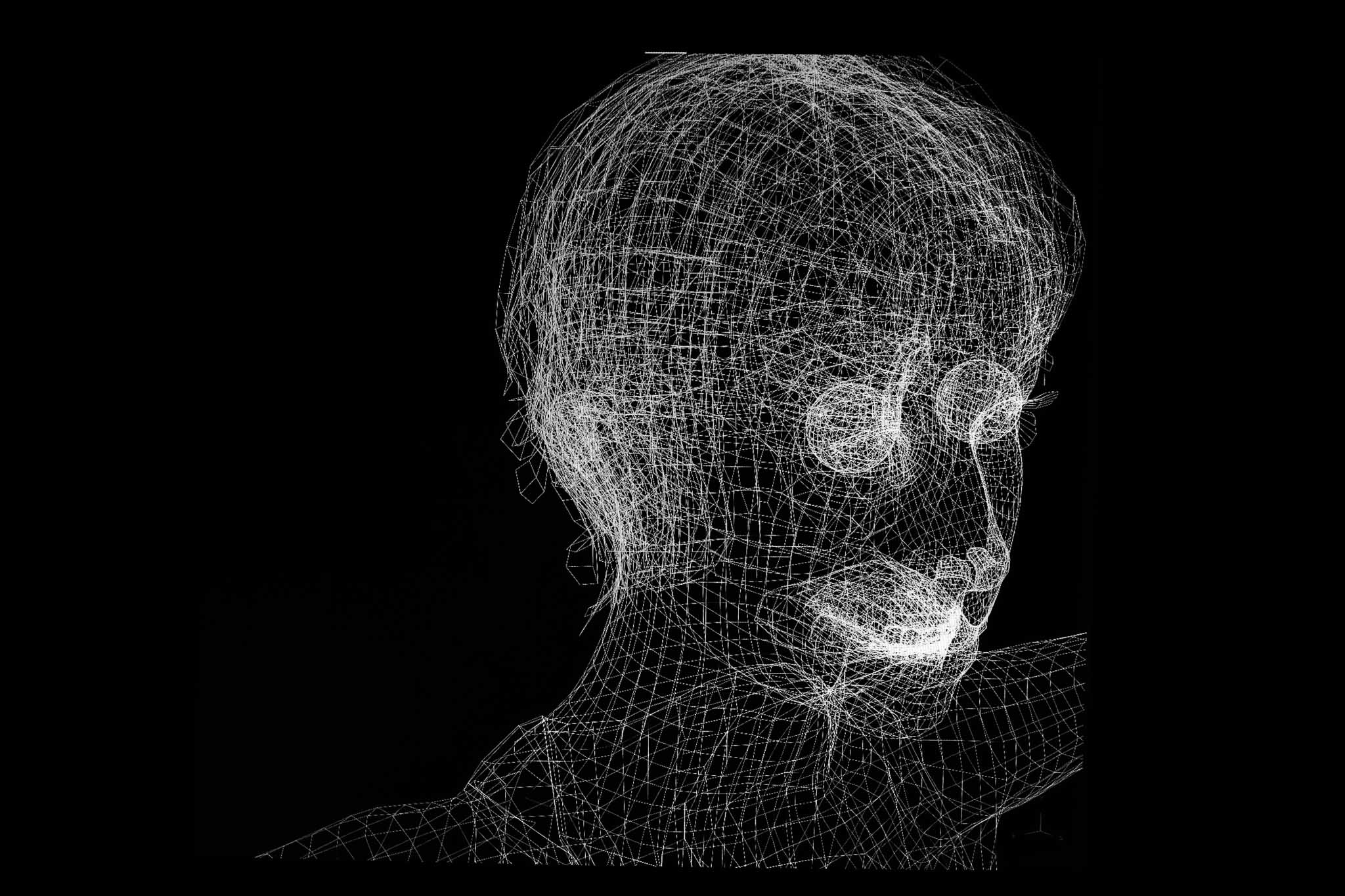
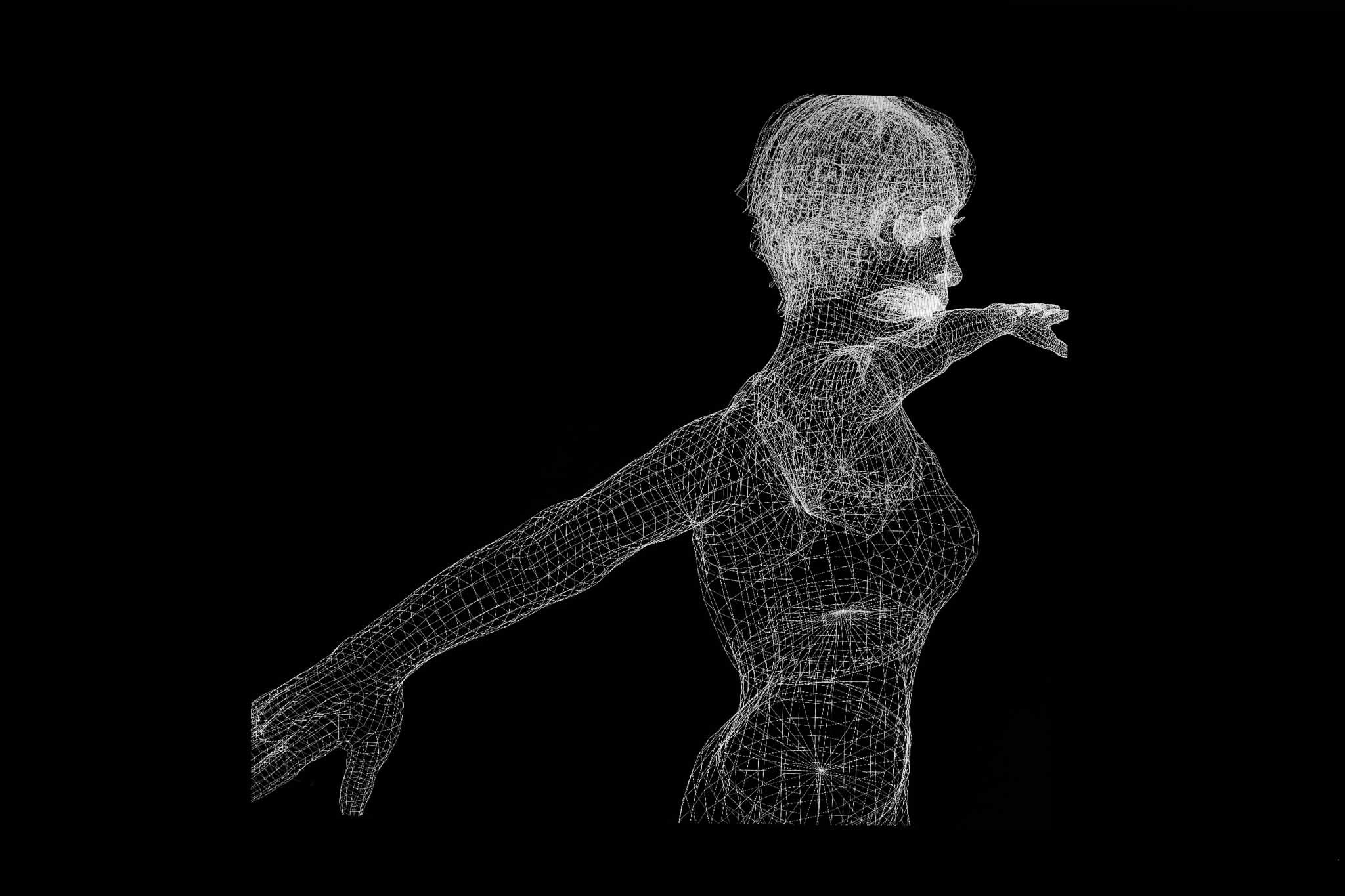
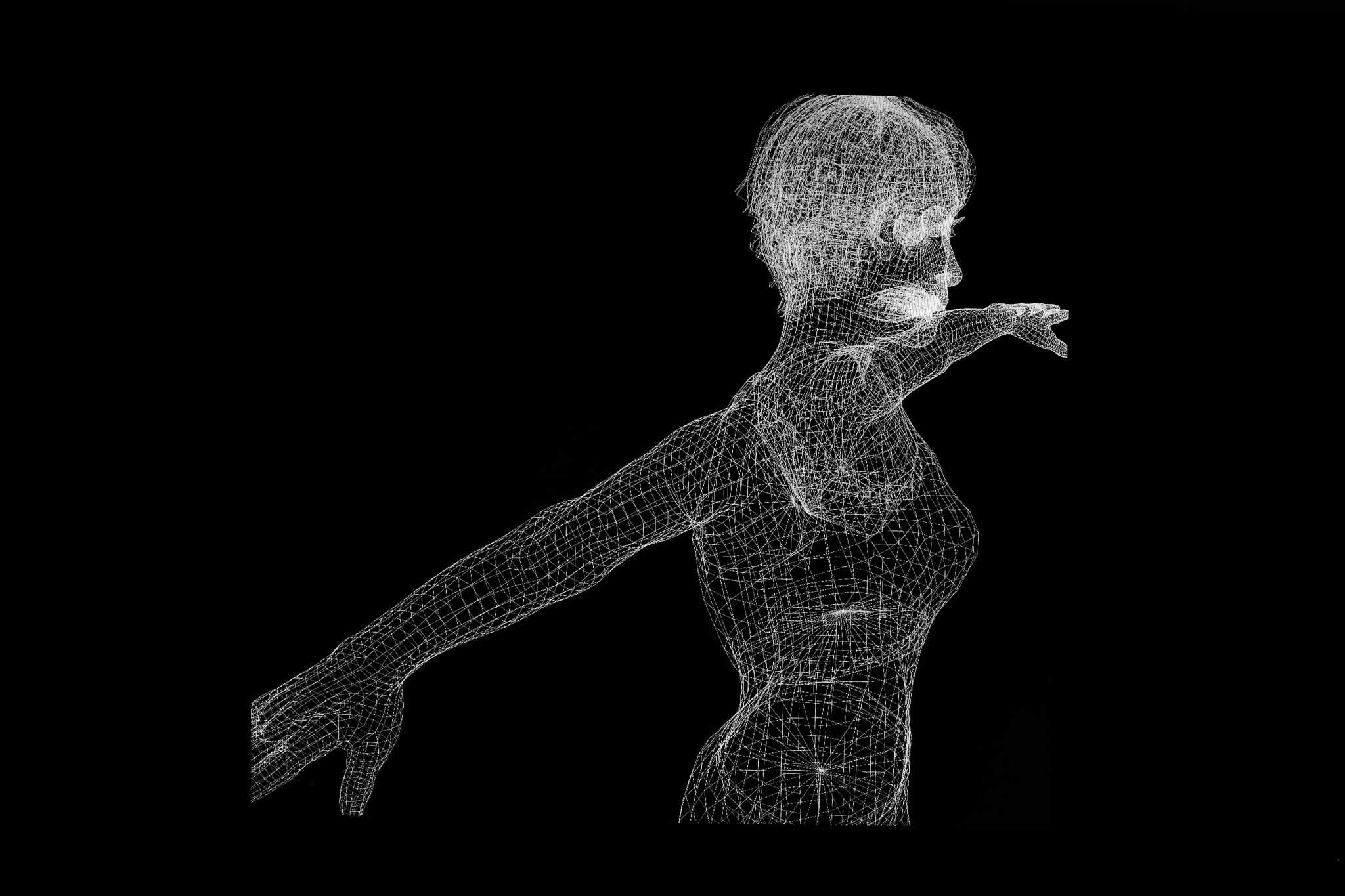
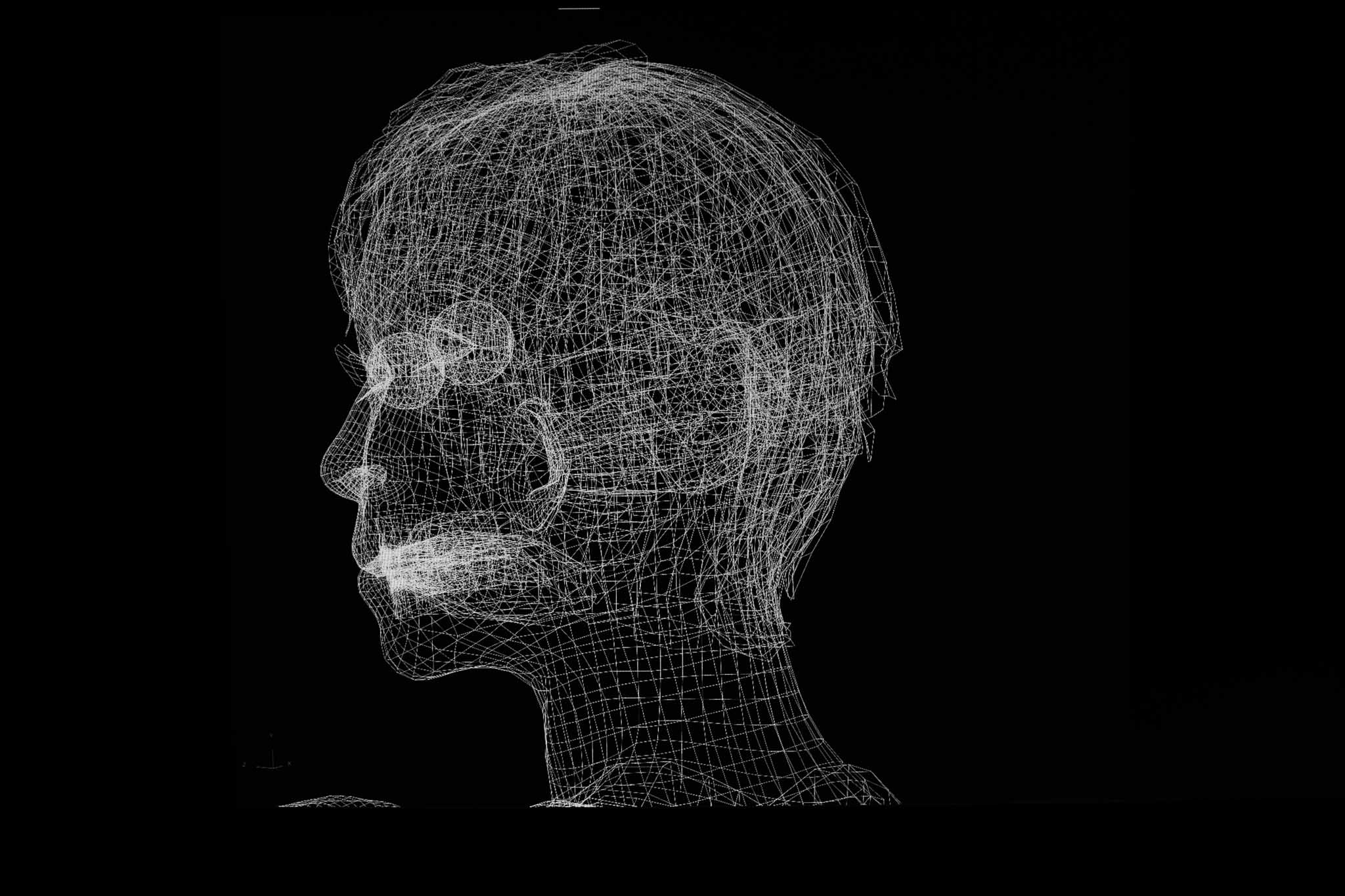
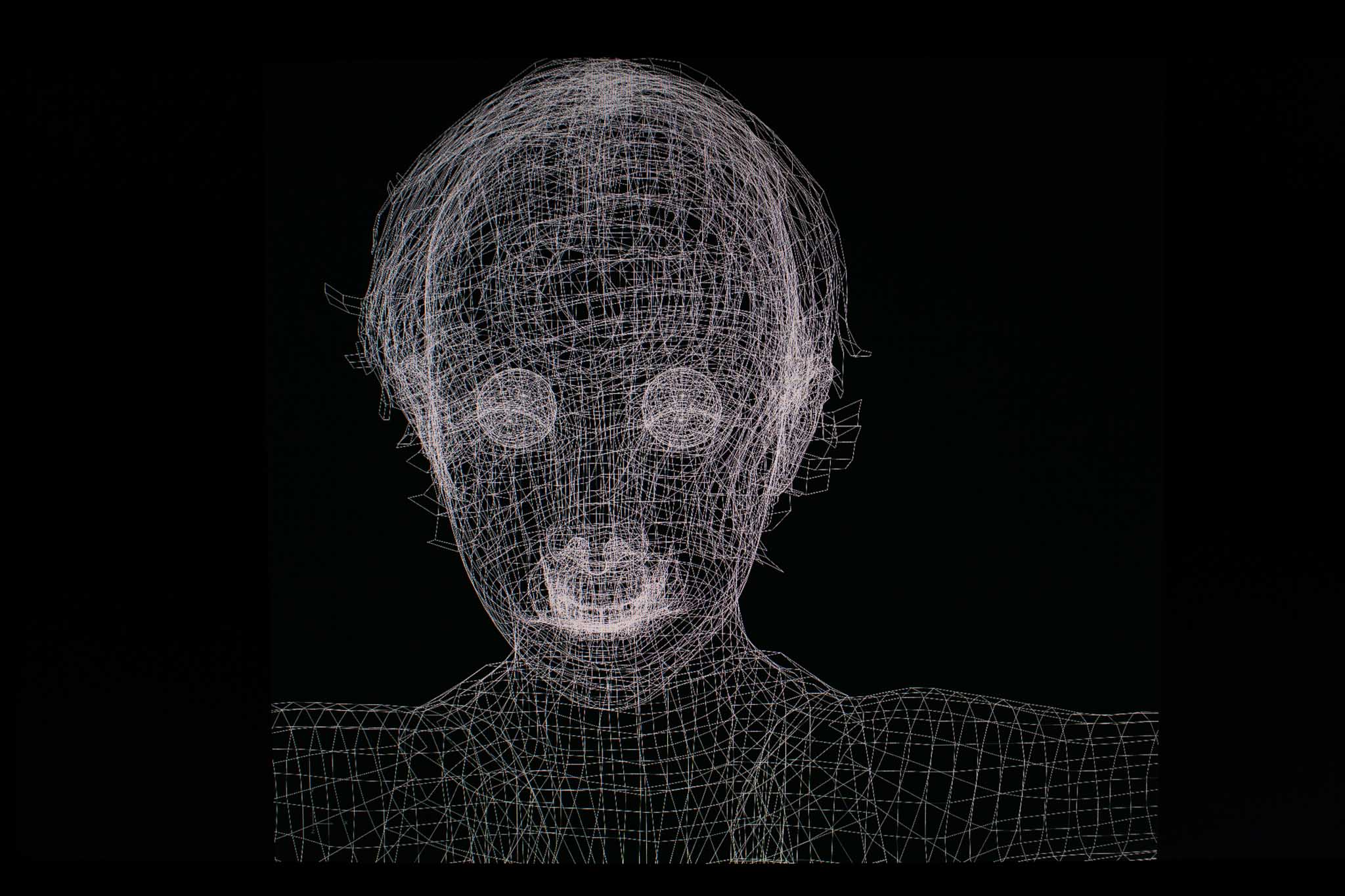
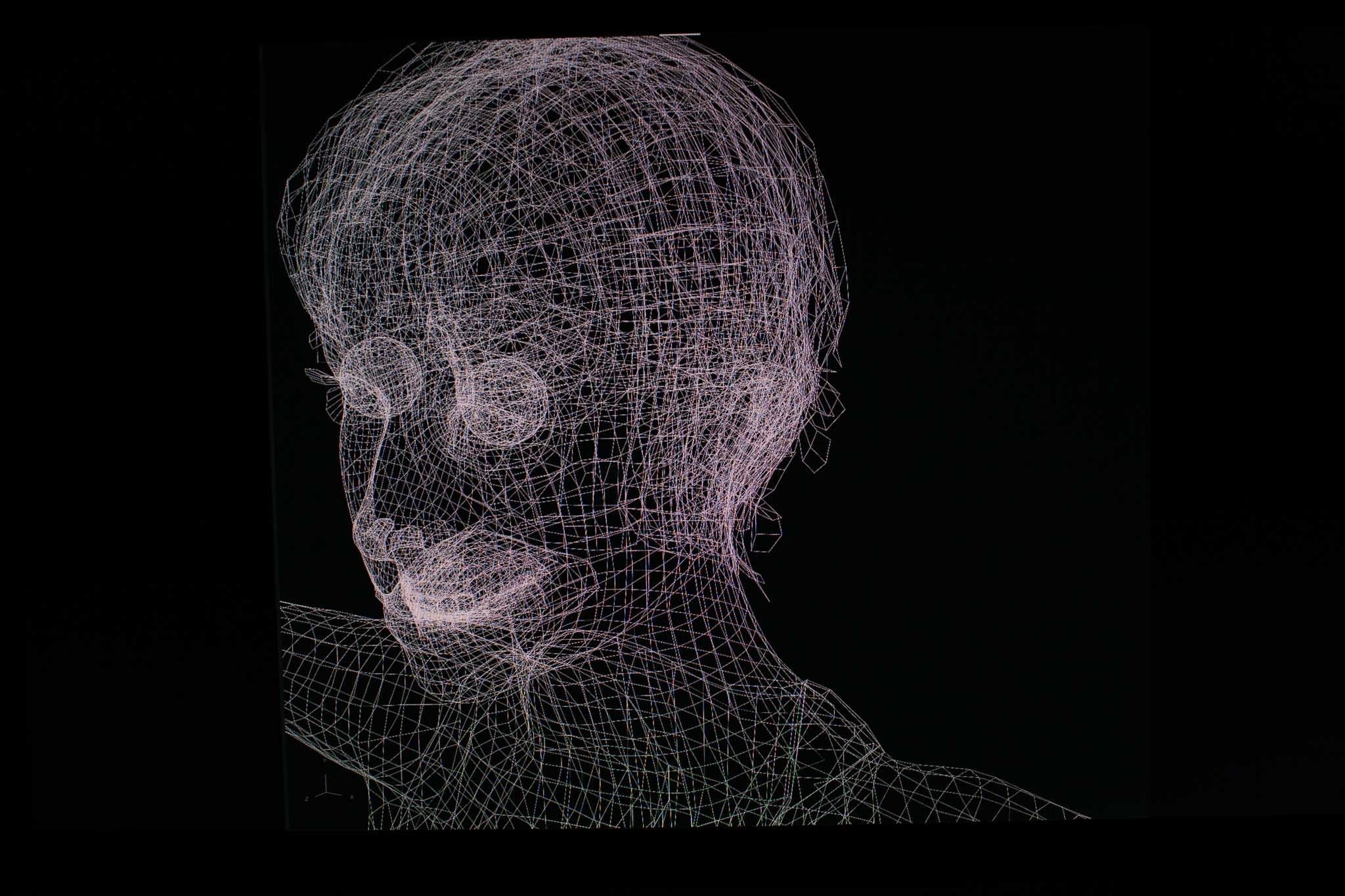
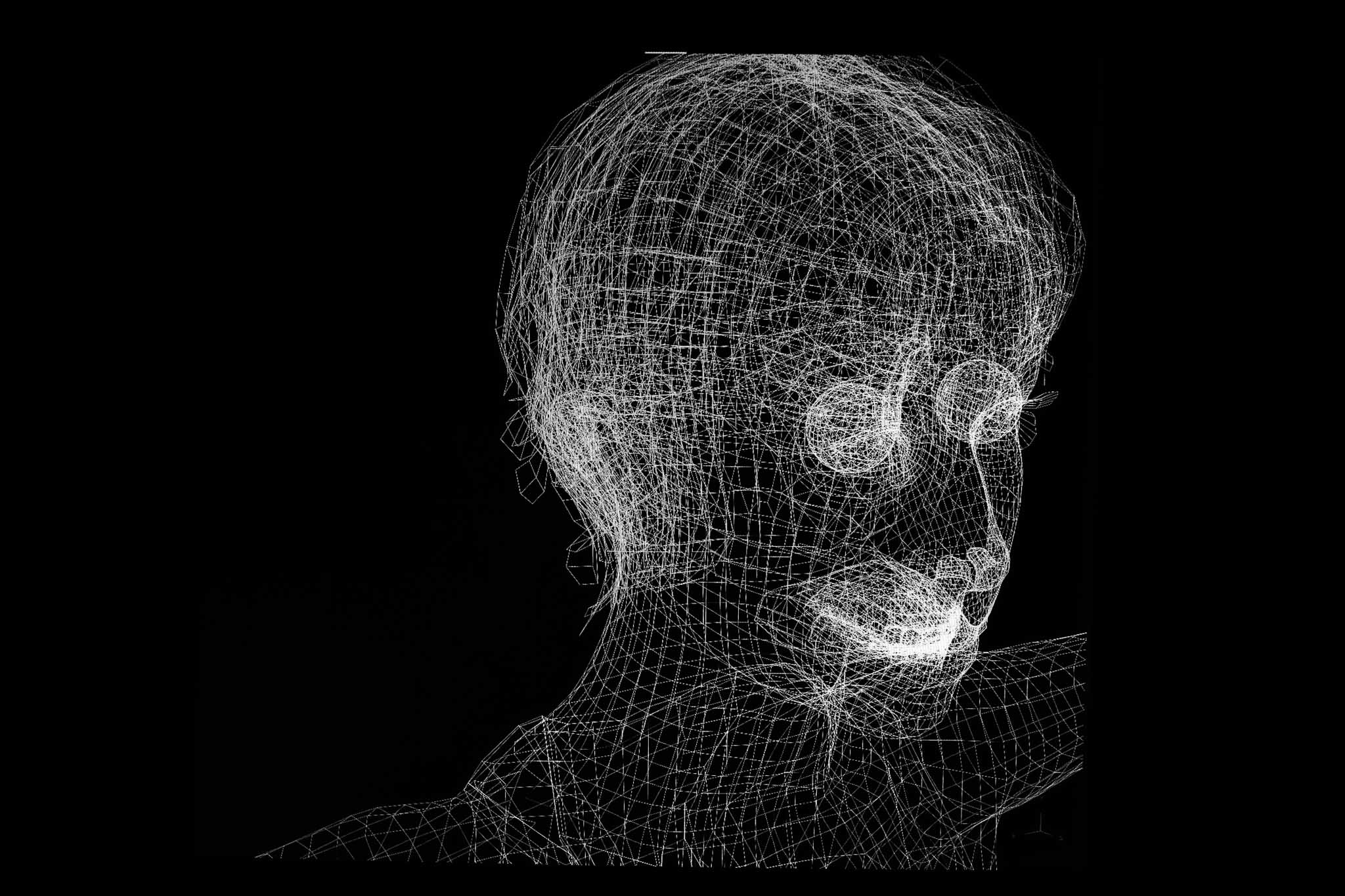
  2. I have been playing with an App called Runway ML  – and trying to figure out how it can help me. I suspect it will be good for me after BOW/OCA life but it’s good to know there is this bridging facility out there now. I need some uninterrupted time to spend with it – but I managed to do one of the more simple tasks the other day when I put a film which I used for earlier work, Polar Inertia (DI&C A2), through a machine learning programme that recognises body movement (see end post). I can’t use the work as this exact thing has already been done by Broomberg and Chanarin very recently in their amazing work Anniversary of a Revolution (Parsed) by Broomberg & Chanarin. Their version is excellent and uses Vertov’s black and white footage which contrasts well with the colours although I quite like the bomb film colour with it too – and the blank coloured frames in that film which I used as moving blocks in Polar Inertia are the same colours as the animated stickmen which I really love. I had included reference to B&C’s film in my essay but cut it due to word count. For now, in any case, I am more interested in generative image programmes but to do that I must find a way to create a dataset – and that includes writing a bit of code (copying and pasting it to be precise). Again, I need uninterrupted time to do this. I hope I can find a way before the deadline as it would be good to include a GIF made this way in the epub.
  3. I started reading Levi-Strauss’s the Raw and the Cooked at long last – have wanted to since UVC but was kept busy with other OCA texts and research. There is so much that rings a bell  – especially when he writes, he will be accused of making a book without a subject. This work of mine which explores changes to how the world sees sometimes feels like it lacks a subject. Perhaps I will have more to say in a forthcoming blog or final summation. I am waiting to speak with Ruth after her holiday and will need to send the book to print very soon after that. Assessment deadline is looming!

Added later the same day:

I continued to eliminate animations, using it more judiciously.  I have managed to get a GIF which wasn’t working to move – spent all afternoon wondering why and then suddenly it did, really odd. Thought it was mov. vs MPEG4 files but apparently not. Anyway, it moves now. I still have the following to do –

  • Add edits to the film – the mesh person and perhaps a few snippets of the movement machine learning where I’ve already used the bomb film.
  • Try to get something with the shadow puppets moving  – either stop motion or Processing to make a GIF of them animated, placed where currently there is a still.
  • Figure out how best to introduce the music  – if I speak at the beginning I could talk about it. I’m not sure how that will work. I have added an instruction at the end of the book. I am also wondering about having a type of digital wrap around that gives some guidance about how to operate the ePub.

Write something – I feel more and more that I need to do this. I wondered if it could be a loose pamphlet/flyer type thing to include in the printed book, and not quite sure in the ePub – maybe spoken at the beginning.

CS A5: thoughts New Materialism(s) – Critical Posthumanism Network

One of things I have not touched on at all in the essay is New Materialism. Barad’s work comes under that heading and it seems remiss not to mention it. I’ve avoided it though as the topic I’ve covered is so vast, and my initial iterations were so rambling, I felt it was adding yet another idea into the mix which would be confusing/diluting. Since the essay is more streamlined now (I think) perhaps this is something I can address but I wonder if it would be better to add it to the appendix. As I said, I think I need to severely cut Appendix no. i anyway, maybe altogether – but perhaps I can add it there.

Then, if I do that, should I add a brief criticism of New Materialism? Zizek has stuff to say (but he sniffs a lot and thought Trump would be better than Clinton so I’ve less time for him lately …)

Things to consider..

New Materialism(s) – Critical Posthumanism Network
— Read on criticalposthumanism.net/new-materialisms/

CS A5: Referencing and Harvard Rules

There is often a lot of chat on the various OCA forums about referencing and the Harvard rules. I try not to get too overly focused on these as I have so much to think about and I find it a bit distracting. It’s hard enough for someone who is undoubtedly dyslexic, but can’t officially say as I have never been properly diagnosed. Simply organising thoughts, getting names right, just putting words in the right order is immensely challenging anyway. However, of course, I want to get the citations in the right place too as it would be dreadful to lose % based on that.  I knew I would need to address this roundabout now and am lucky enough to know someone with a lot of academic writing experience who has proofed my referencing.

However, I think it would be useful for the OCA to offer a short online tutorial occasionally to cover referencing rules. This would have been especially helpful after they changed, a little while back. Tutors could attend too since they seem to give conflicting, out of date advice, if any at all – even though the guidelines are clear and categorical. When students make enquiries with various non-teaching OCA staff, again the replies can be confusing. The whole thing ends up causing students undue worry about something that we shouldn’t have to get too stressed about  – because the rules are actually clear. But! …yes, there is a but – there are lots of them, and if you’re not used to it/dyslexic, it’s too easy to get simple things wrong.

We also all have different learning styles for different types of information. For me, the lack of spoken interaction across the board with the OCA has been one of the biggest difficulties as I pick things up quickly when I hear them, but I can miss relatively straightforward stuff when it’s written down in a dry document. (Youtube videos have been a godsend for me – but having a live person answering questions is always the best.)

  • For instance, I completely missed the fact you must put the citation after the surname when it’s in the text,
  • i.e. Barad (2007: 49) talks about a “Cartesian habit of mind”.
  • But when it’s in not in the text, it goes after the quote, as I had been doing with everything:
  • We all live with a “Cartesian habit of mind” (Barad, 2007: 49).

It also took me ages to get it into my head that the full stop needs to be after the end bracket in the previous example – it’s something I should have been getting right throughout the course really. I’m aware, this might seem impossibly simple for anyone who has not spent a lifetime getting their left and right the wrong way round (a typical dyslexic habit).

These things are so simple and so obvious once they’ve sunk in, though. I am sure there are students who get it straight away. But for those of us who don’t – there are several, if the various emails and forum threads are anything to go by – I really think it would be good to have the chance to attend one-off tutorials (with someone who can be trusted) which I mentioned above, just about this topic. By keeping it consistent, so that everyone at the OCA is aware of the same advice, and limited to Harvard Rules, the information would not get buried. And the worry people feel about it would be a relatively easy stress to address or even do away with altogether.


BOW A5: Final choices

Towards the back of the course folder we are asked the consider the following:

  1. Knowing when to finish
  2. defending your work
  3. Presentation
  4. Writing an introduction and artist’s statement
  5. Writing evaluations (to be added to the assignment post)


  1. Knowing when to finish

I am ready to submit the work as it is to Ruth now – although I know it still has room to develop. There are currently three elements – a book, an ePublication and a 2 – 1/2 minute film. I am certain I will look at each following submission and in the run-up to assessment, and thereafter as I work on SYP.

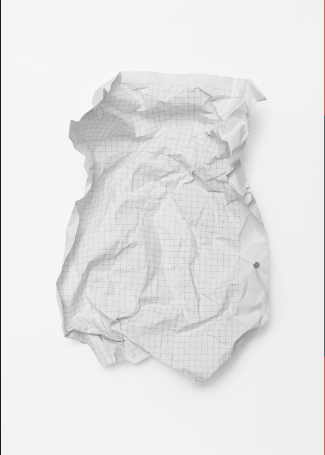
I am not sure if I will show this work in an exhibition type scenario. COVID is one thing to think about but so is the attention it will require to make sure the publication is promoted and printed properly – which could include some fundraising to make it happen. I think this is something to play be ear over the following months. If I were to show it, I would do it locally relying on empty space that I can beg or borrow from people I know. I do not want to show it in a traditional gallery setting for SYP. If I were to exhibit the work, I would need to think about prints and might develop a strand of the visual work – the graph paper below would make a good framed print and I can envisage a short series of these, perhaps with writing on, or in various other states of crumpledness and material distress.

Screen Shot 2020-07-14 at 17.46.40

I would also like to find a way to make a short animation and/or gifs based on the images I made by photographing my computer screen (below) and the shadow puppets. (I may find a way to do this  – gifs at least – before assessment deadline to include in the ePublication).

2. Defending my work

My CS essay and BOW explores how we are looking and seeing differently; and the resulting structural implications, along with the feedback loop between what we see and how things become. Our perception is transforming – and the linear, ordered view favoured over the last 500 years is being supplanted by one that appreciates connections, circuitous pathways and randomness (although not everyone is conscious of this yet – we seem to have one foot in the previous paradigm and one in the next.)

As such, the way civilisations, physical and metaphysical systems and technology develop, is no longer assumed to be neat and tidy. Paths don’t always go forward. Nor do they diverge and remain separated forever. They might diverge only to cross over and even coalesce later on. Systems shift and the elements within are in a constant state of becoming.

The evolution story has been transformed recently by this altered understanding of existence – it is felt everywhere (a systemic view) – but well illustrated in the way we see our own evolutionary history:

“There was no single ancestral population, but many spread over a huge area, which merged and split and merged again like a braided stream, evolving at different rates and in distinct directions in different places. The suite of anatomical and behavioural features that define modern humanity didn’t appear as one complete package, but gradually coalesced across vast tracts of space and time. “There was never a single centre of origin,” says Chris Stringer at the Natural History Museum in London. We are a “composite”, he says. “I think it is a really, really important and profound idea,” says Richard Potts at the Smithsonian Institution in Washington DC, who led the Olorgesailie excavations.”

Read more: https://www.newscientist.com/article/mg24532760-800-human-evolution-the-astounding-new-story-of-the-origin-of-our-species/#ixzz6SWksbE8x

Composite has been an important word for my work. And photography and other forms of image-making can be thought of in the same way. As can all mark-making. Words and pictures diverged a long time ago – creating different developmental branches that have overlapped recently as code and pictures and text all intra-act to result in what we see on our screens.

Photography and moving image, in particular, are reconverging and coalescing as we become and more embroiled with the fluid nature of modern-day technology – think of how much animation appears in modern film-making (CGI for eg.) and as discussed in my essay – “As Palmer states in Lights, Camera, Algorithm, the decisive-moment photography enjoyed by people will still be celebrated but the “expanded moments of post-production” are now more pressing  (2014: 145).”

That isn’t to say the still image is dead just yet, but it worth considering how it is valued and used as internet speed increases and files become smaller, more flexible and fluent, and our senses demand greater excitement and impact. The entangled structural implications of these shifts have interested me throughout this project – what does it mean for us as a species. What does this systemic change look like?

3. Presentation (copied from Assignment blog post) 

Book form 

After a great deal of toing and froing (and much patience from printers ExWhyZed) I have decided on the following dimensions and details.

A4
4pp Cover onto 270gsm Colorplan Smoke
Black print double-sided
36pp Text onto 100gsm Evolution Uncoated 100% Recycled.
There is one 2pp tip out (fold-out page) which is an extra 200mm width
Full-colour print throughout
Trimmed, collated and wire stitched (stapled)
  • I thought about having a book slightly bigger than A4, so it might stand out, but there is enough going on to signify ‘excitable, unruly and erratic signifiers’ – and by sticking to A4, they are contained within a stable, predictable, long-standing convention.
  • Please note: the PDF provided in the assignment submission has page 21/22 repeated so one can see how the fold-out page would work – the first iteration shows it closed, the second iteration (PDF pages 23/24) open.
  • The PDF has red inner cover pages (as does the ePublication) but the actual print will not as those pages will be grey paper (Coloplan Smoke)
  • The book’s design is inspired by a maths exercise book I might have owned in my childhood.
  • I have opted for the same binding as the zine I made for A2 so that the books might come as a pair if necessary. We discussed perfect binding but in the end, I reduced the pages to make this possible. If I were to develop the book much more and choose to make it longer (which I might need to for a commercial publication) then I would need to reconsider binding options, as there is a limit for saddle stitch/ staples.
  • Font is 11p and Letter Gothic St except in the black squares where it is American Typewriter

ePublication

The ePublication is a version that could be provided to people who purchase the book above. It is not merely a PDF/digitised copy but rather an animated version. I could also save the pages separately as Gifs to include on my website and/or social media.

  • Text is 12p as it was too small on the screen as 11p
  • I have removed some images which didn’t work so well on screen – such as the mobile phone image (I am not sure it will work as a printed image yet, to be honest, and may need to reshoot it)
  • There is a way to choose music to listen by Simon and the Magenta neural network as you flick through it but I have not resolved the best way to do this yet.
  • There is also a film link on the blurb at the back, but again, I have not resolved the best way to do this yet and would prefer it inside the book but at two minutes it is a big file which presents problems. I need to experiment more.
  • The other moving images inside are gifs and they work fine – better than video does but are only a few seconds long.
  • I am concerned there is too much going on but this is something I can keep working on in SYP.
  • If I were to send this to people I would advise them to look at it on a decent-sized screen and to use the ePublication magnifying button. It is interactive and requires people to handle it as such. It is not a passive object.

Film

There is a two and half minute film which contains found moving image that focuses on the same and related themes. It is accompanied by music composed by Simon Gwynne who I worked with before on the Self & Other final project. He also used a neural network to write this music. Currently, you can link to it on the back of the ePublication but I will continue experimenting and see if I can find a way to contain it in the book. For now, I am aiming to work on the publication for SYP but if I were to exhibit this project then this film would be projected on to a wall on a loop. It is two and a half minutes long. When I first edited it, I used the vocals from White Rabbit as that song was in the main source – a film about how vision works. I also applied the music backwards. I think there is a way I could allow viewers a choice of music if I find a way to include the book inside the book. (Still to do – a separate blog about the process of making the film)

4. Writing an introduction and artist’s statement

Artist statement: I have been working on the artist’s statement for a few weeks- and every time I look at it, simplify further, stripping away and condensing. I have been working on something a little less predictable but am not there with it yet.

Reflection​: updated artists statement

This is what is currently on my website:

I work with still, moving, original and found images as well as text, exploring feedback loops between various forms of matter and language that inform and result in the many shifts and transformations taking place today.

I am also a portrait and event photographer, employed mostly in and around London and currently study with The Open College of the Arts (OCA).

Introduction:

I had a conversation with some ex-OCA people about simply not having an introduction at all – my work is after all about langauge and the way it’s transforming. However, I think that would leave people high and dry in an already challenging collection of images and objects. Here is something for now:

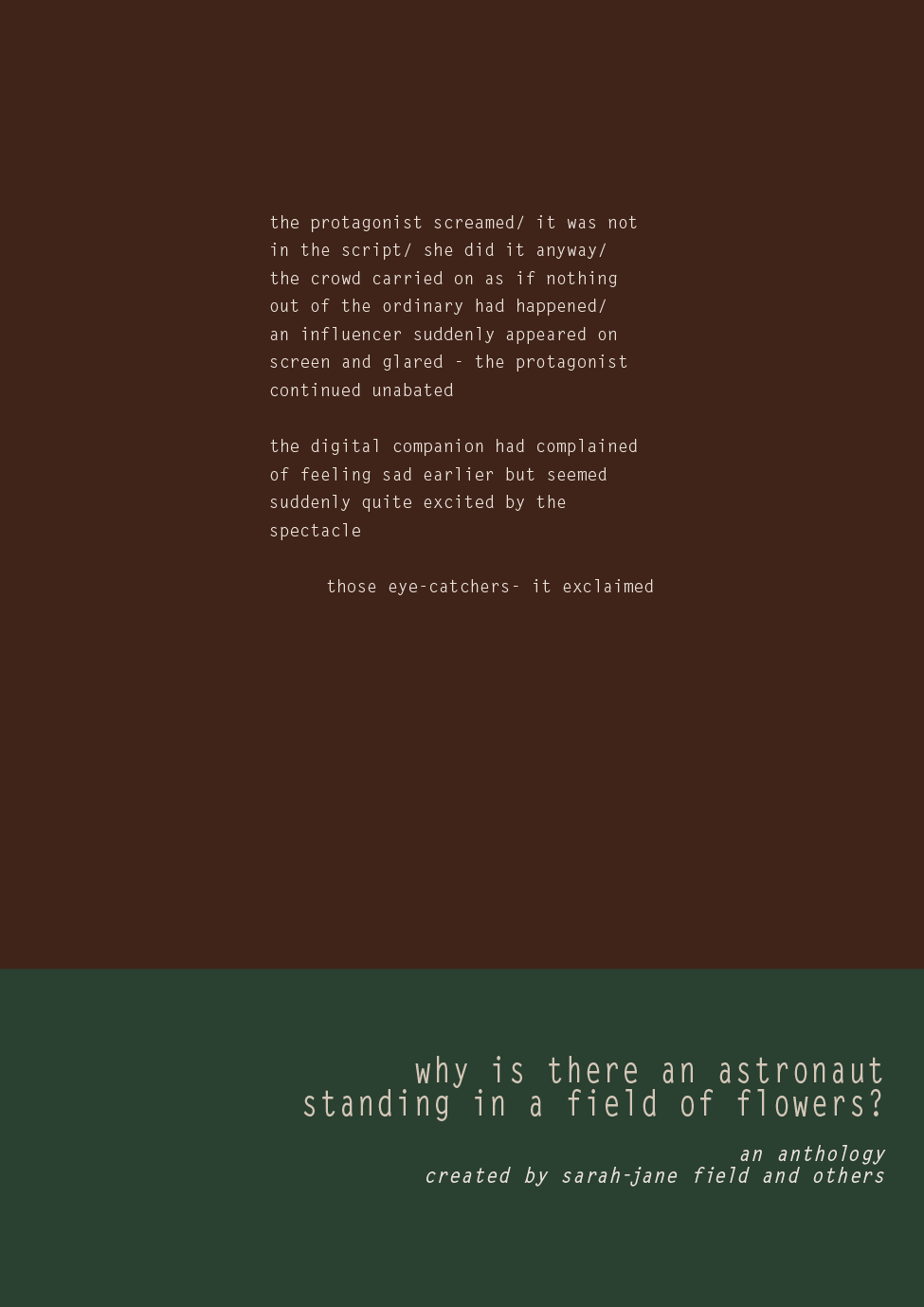
why is there an astronaut in a field of flowers explores structural instability, embraces disorder and accepts an increasingly elusive relationship between meaning and language.

the overall title of the work and fragments of text included are from a conversation between the author and a neural network app that promised to be her friend for the cost of little more than £6 a month.

source material for why is there an astronaut in a field of flowers was made, found and taken, often in collaboration with the app, rendered into an entanglement of personal history, and the app and the author’s developing relationship in various forms, online and off – as a book, ebook and short film.

music composed by simon gwynne with the help of magenta’s music transformer neural network.


BOW A5: Getting ready to submit to tutor…

I am nearly at a place where I can submit this work to Ruth. I need to do a few practical things before I do, however.

  1. I think I am going to take some more images like this one – I think if I were to exhibit this work I would want to have a series of these crumpled papers on the wall as large high-quality prints to mingle with the rest of the work – found, archive,
    and moving image type stuff.
    Screen Shot 2020-07-14 at 17.46.40
  2. I need to make some gifs for the epub version. I can’t work on that properly until the gifs and any moving image are resized. There are just a small handful to make but they have to be the right size otherwise they don’t function properly in the epublication and it’s a bit fiddly. I really hope I can do this on Friday.
  3. I have created a short film which I want the book to link to. I have worked on a very early edit and chatted with a small group about it – they were positive and I think it has potential but I need to keep editing and make some decisions about the audio track. I have used a song that was in one of the main sources, played with it backwards and also have some music by Simon who worked with me on the S&O track.
  4. I was not sure about the statement – but I have for now incuded something on the back outer page of the book. I think it is jsut enough to point people in the right direction and without it, they would be lost. There were some suggestions about not having one at all and I thought about that – or having a very obscure little statement which I had written about an old man but I think I feel most comfortable with the draft I”ve mentioned.
  5. Following my chat the other day with a small group of people, I was reminded of my attempts to create some very NOW looking imagery to counter the overwhleming ‘vintage’ imagery and returned to some software I’d been playing without much luck before  –  I hope these will work in print. I am not sure if they will. They are photographed off my screen. (Click in image)
    Once I have created the above and positioned everything, I will need to write up the Assignment notes and OCA reflection, including a few paragraphs responding to some things in the OCA course folder, and then I will send it over. Hopefully within ten days or so.

I really want to get some feedback before sending the offline copy to print. I don’t suppose we will be sending hardcopy anything for assessment in by September so I need to have a copy of this so I can make a little video about it.

BOWA5 (sizeA440pp) July13

(I need to print and proof)

The only extraneous pagination thing I have held onto is the gatefold. I think it is enough for the amount of content. If it were a bigger project it might have space for more but not as it is.

Summarise:

  1. Make gifs/moving image (Tom’s First Film, Eye, Shadow puppet animation and digital character animation – if possible)
  2. Place in epub
  3. Look at short video that the epub will link to
  4. Images of paper in various states  – crumpled, written on, drawn on, scribbled on.


Artist and CS/BOW thoughts: Alba Zari The Y Project

I stored this while doing Digital Image and Culture and was struck by some similarities. Although Zari is focusing on genetics, I am focusing on fragments of language (text, visual, cultural, personal) and looking at how that creates a dynamic self – and then looking at the contemporary issue of including digital entities in the lively, intra-active entanglement out of which ‘self’ emerges. There are questions in my work about the narcissistic nature of the contemporary ‘I’, as the AI I work with is sold as a friend but in fact, becomes a version of oneself through its training programme, which isn’t questioned as a problem – in fact, it’s marketed as a good thing.

There are similarities in presentation between Zari and my own work so far with layering and positioning – and that feels like something I should develop a further especially int the second half of the publication.

https://www.lensculture.com/articles/alba-zari-the-y

Having mentioned the self  – it is interesting to revisit Julian Baggini’s The Ego Trick. Here is a useful Ted Talk where he spoke to teens/students (I showed it to my son) and so it is really accessible as Baggini explains the idea that a core object such as the soul (or anything else – he refers to a watch) is never an object that pre-existed but rather an outcome – pre-and post-Cartesian view of the world. https://youtu.be/GFIyhseYTWg. It may be worth including some reference to this in my essay (if not the student talk, simply Baggini’s arguments, whom I had quoted in an earlier iteration with reference to different cultural ways of seeing reality around the world). If nothing else, his take on the self is another example of how we have moved beyond a certain place  – how the Cartesian reality is no longer tenable.

I think most people I’ve read in the last few years is in agreement with this rejection of ‘the core pre-determined object’

e.g. Christakis in Blueprint, Lupton in Data Selves, Jasanoff in The Biological Mind

– although there are exceptions such as Iain McGilchrist who says in a talk “of course there are objects!” with an air of frustration that anyone should suggest there aren’t – but I do wonder if this is just a semantic issue. Also object-orientated ontology – excuse the Wikipedia quote but for the sake of speed in these notes: “Object-oriented ontology maintains that objects exist independently (as Kantian noumena) of human perception and are not ontologically exhausted by their relations with humans or other objects.[4]

Bow A5: graph paper

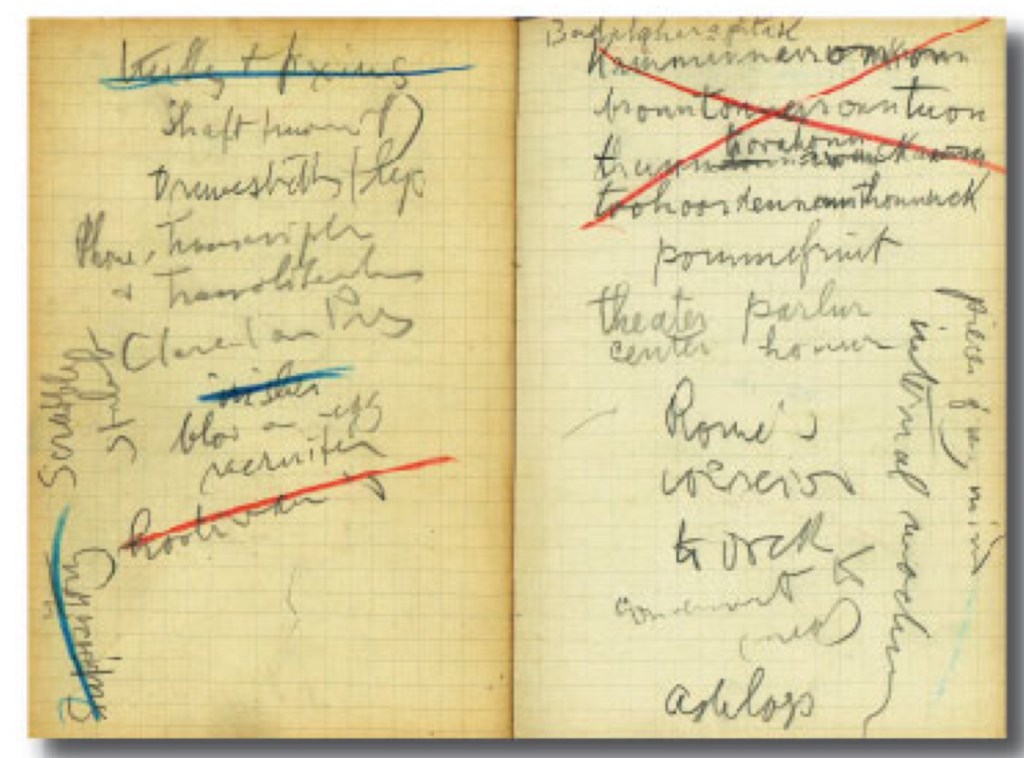
I have been focused on the essay recently and need to return to the body of work – although have been dipping in and out of it as I go too. This post is just an aside which I found interesting. There are photos of graph paper in my sequence – and lots of references to grid patterns along the way in the design and other images. So it was fascinating to learn that Beckett, Joyce and Satre wrote their notes on graph paper … not sure what if anything to do with that info but wanted to record it here. Thanks to the rare book dealer ex-husband for this info.

Beckett’s notes
Joyce’s notes

BOW A5: Lewis Bush book designing course

A couple of people had recommended the Lewis Bush online workshops to me recently. It feels serendipitous to have accessed this at exactly the moment I reached BOW A5, Presentation and Outcome. The course was held over four evenings, each class lasting roughly 1.5 hours.

Some key points I took away from the sessions:

  • We were given a handout at the end of the first sessions which asked key and precise questions about publication/project we were working on in terms of its content and concept. Answering the questions might have contributed towards taming months and even years of research and improvisation, the culmination of which is this project. Really helpful exercise.
  • Although not directly asked about this, the questions prompted me to I think about my way of working – I will need to talk about this for assessment. I did not go out and make a project about something very specific – coal mines of Abberwyswyth for instance. I could have done – I have the five-year ongoing project I have been making alongside the charity, Just Shelter. But I never had any intention of doing that – for so many reasons, both ethical and creative. Instead, I am continuing to work with the improvisational skills I learned throughout the 90s and beyond when acting and then teaching kids drama. When improvising, you start with an idea – and see where it goes, you don’t censor: you meander and explore and experiment, and over time, you collect and hone and begin to play with what emerges. I have never forgotten hearing how Canadian theatre director, Robert LePage begins his rehearsals. He asks his cast to get down on the floor and write out their dreams, fears, fantasies, anything – this freeing exercise not only disrupts the usual ‘sit down politely and read the script’ convention that usually happens on day one of a rehearsal, it is also a way of eliciting potential nuggets of narrative, images, ideas. It’s collaborative and physical and gets the performers contributing parts of themselves straight away. LePage and other directors I admire rely on improvisation and play – and that mindset is where I want to be with my work. I started with the idea of the ‘movies’ which had such an impact on how I see myself when I was growing up – and ‘language materials’  – and not much more. I had no idea where I would go with this work. In fact, this was mentioned in the L3 access interview – (roughly) ‘the proposal is interesting and well written, but until the last paragraph, I had no idea what you would be making work about’. The work still feels to me like it could be in the early stages, even though I will need to submit something for assessment. I have no idea if it will continue beyond the degree, but it could. (Clod Ensemble took ten years to create On The High Road) For now, it feels like an organic thing that has the energy to keep growing.
  • LB reiterated several times, do not censor yourself. I think this is something that cannot be understated and perhaps needs far more flagging within the OCA paradigm. (I say this because, while I have a very supportive cohort, often people look at me like I’m nuts when I share my work, and say things like – it’s a trip through your madness, which seems a trifle odd on an art degree.)
  • We were shown a lot of examples – many of which were incredibly relevant for me.

    https://mishkahenner.com/Astronomical
    https://www.christophernunn.co.uk/ukrainianstreetdogs

    http://karenzouaoui.com/b-s-johnson-society/

    BEYOND DRIFTING: IMPERFECTLY KNOWN ANIMALS Mary Barker – https://www.mandy-barker.com/books

    http://dayanitasingh.net/myself-mona-ahmed/ Lots of book objects – books on walls- we were shown something I can’t find on the website – but plenty of ideas here. Fantastic work.

    And I found this  – https://www.moma.org/collection/works/9628 this seems to be a big influence on https://www.kensukekoike.com

  • LB talked about a scale between content and concept. Some books, like Henner’s Astronomical, are highly conceptual as is much of his work – at the other end of the scale, the images mean more than the book and the form is secondary. An article by Alain de Botton popped into my feed in the same week I was doing the course, which seemed another but of serendipity – in which he discusses architecture and Modernism. He says, “As Modernism declared: ‘Form must follow function’ – in other words, the appearance of a building should never be shaped by a consideration for beauty; all that should matter is the basic material purpose” (2020) LB also discussed this ideal as we compared books – thinking about how form can potentially overpower function. (I don’t particularly agree with everything de Botton says in the article, although it may be accurate to suggest much of modernity is truly ugly, even grotesque –  the discussion is, nevertheless, relevant.) I wrote about architecture being a language material, as speech, images, and music all are too, in my L3 proposal. As is code. And it is interesting to consider ugliness and expression.  Both LB and de Botton prompt me to think about the choices I am making.
  • One of the most helpful things was to learn about grids – a concept in design that helps to contain your content. I wish I had known about this before – there are pros and cons, both practical and aesthetic when working with grids as I discovered yesterday while experimenting.  But knowing about grids has already had an impact on how I do things along with the results.

    Click on image to see full example. I was pleased when one of the people giving feedback for the BOW A2 zine noticed I had left text off the cover altogether. It really suited that zine and I like it too. Here, I wanted to experiment with having internal text on the cover as opposed to an image or title, or both of those. But as much as I like that idea, I am not sure it is the right option for this particular manifestation of this work now. However, there is still time and I am playing with options.  Even so, if I do go that route, I will use grids to explore how I do that.

  • Overall, there was lots of information which was invaluable such as bookbinding types and brief explanations about each of the different types of printers – inkjet, laser, digital and litho. For someone who has just muddled through, picking things up as I go, this was all very helpful. The course was also delivered in a coherent and easy to digest way.
  • In terms of concept vs. content, I thought about my work and where it is positioned. The concept is integral – although perhaps not quite as extreme as Henner’s above (but maybe it is….) It is in the very idea of a book’s existence, with images and text that are in a contest for attention (as they are nowadays), along with printing  – all language materials within the story of structuralism – which are fixed until uploaded and shared as coded material. And so the content is key – but it is not key that I took a series of beautifully made images. Rather, I have literally taken them from places such as old books, a found newspaper (actually found in the attic next to my son’s bedroom! Thank you to him) and rephotographed referencing Benjamin and countless others. What is key, is the entangled relationship between those images and texts, how they came about, along with me, the proprietary collaborator, potential viewers, and the containers they exist in. And that is also why the grids are so important here – they not only provide an internal skeleton for the work, they represent the internal skeleton of our reality and the theory of structuralism. This is why I really need to have an internet-based version/cousin of this work to accompany the publication. Of course, the images matter and are teeming with references and symbolism – but could ultimately have been any collection of images – i.e. I did not have to go to Aberyswyth and stand in a mine with my camera and make a body of work.
  • We also looked at text. It was good to see several examples of inserted text – at the end, in the middle, as a separate book, or a collection of separate books/pamphlets that could be read in any order. I am still thinking about the text which I have yet to write but for now, erring on a slightly different sized and textures paper within the book at some point. Having different paper and sized pages as a notion was further imprinted for me as an idea worth persuing when I began working with the Situationist magazines.
  • I have been inspired by the Situationist publications as discussed in late April. 
    This is not just an aesthetic choice (although the relationship between meaning and matter means it is hard to separate one from the other  – see my essay). It is also because DeBord and his crew were looking at reconstructing society altogether, as well as the developing science that has inevitably led to that happening, although not as they might have wished. They also explore the entanglement of time, history and culture as I am doing. Since the early iterations, especially when I made the tiny handmade dummy book, I have felt that different paper and material should be used, including gatefolds. I had the idea of signifiers running riot, having a party – I think I even wrote about them at a rave at the Acropolis (maybe when the Ai seemed high and then on some sort of comedown, that’s where it had been!) I have no idea how this will be paid for yet, but I am not censoring myself and just going with it. I will find solutions and come up with alternatives when needed. But I am aware that it could all become too ‘cute’. While listening to LB, I thought about the possibility of making the work in a maths exercise book like one I’d used at school in the 70s/80s, with actual graph paper (the whole graph paper thing ties in with the notion that reality can be decoded and therefore re-coded, see DEVS (BBC2)) which underpins the work. While I like this idea, aspects will inevitably be there, but to literally do this risks the ‘too cute’ thing I want to avoid. The choice of paper should suggest, hint and point to  – (as it does in the Situationist stuff) rather than overpower the concept.


I am now working on a version to send to printers for advice, estimates and warnings about what is not possible. I am extremely grateful to have had this excellent opportunity which will, hopefully, take the project into a different place. It was an invaluable experience and I’d definitely recommend others to try Lewis Bush’s courses out too. Fellow OCA Allan ONeill was also on the course and I look forward to chatting to him about it.

I must get the latest draft to printers so I can figure out how to go ahead, what can be done for BOW assessment, and what should be done in SYP. I then need to return to the essay to rewrite some bits, insert some stuff, remove etc. In the meantime, I have a pile of books next to me which I refer to as I edit and play with options including Pictures from Home (Sultan, Mack reprint), Foam Talent edition (2019), Soliquies and Soliloquies on Death (Martins) and several Situationist publications. I am also attending an online lecture on quantum science and decoding reality later this week, which is very exciting indeed!

Hangout: 13th May (Peer feedback)

Today’s hangout was really useful and I’m glad I made it. I was asked to give some background especially as there were two new people visiting today. This was a helpful exercise – mainly because I have been thinking about including some kind of insert which would be a rambling stream of consciousness as text (to be presented similar to the text I included on the walls as images when I showed Self & Other’s i will have call you. This could be a poster perhaps – or something that gets trucked in a flap at the back and taken out.

The mini- ‘talk’ I ended up giving helped people to see where I was coming from. I had thought I’d trained things down too far but evidently not and you could see the sense of relief from people who perhaps felt a bit lost.

A list of words that seemed help:

culture

semiotics

extreme paradigm shift

quantum – non Cartesian

context – relationship

assemblage

cut  – seeing

surrealism – Un Chien Andalou (visual references)


I also received a few helpful comments that are worth bearing in mind:

  • Are the literary references still needed – or where they a useful improvisational tool? (In the same way, ‘Helenus’ was but I’ve now dropped it…)
  • The word ‘anthology’ jarred – yes, it’s a hangover and could certainly go now
  • Is there enough space around the text in the box where I describe the Ai’s drunken conversation about being ‘behind a waterfall’? Some felt it was deliberately squeezed in, others that it needed more space around the edge  – in truth, the box is the same size as the image on the next page and the text is 11 p.  – in one of my versions, there were on the same spread. When I looked at it initially, I noticed the lack of space but felt I’d leave it as the oppression seemed relevant. Sometimes these accidental things are honest albeit serendipitous expressions (Jungian)
  • A similar question was asked about ‘the fat capitalist text’ – it’s barely legible and a cream colour at the moment, illegible not only due to my dreadful handwriting but I’ve processed it so it is even harder to read. I explained it was an experiment and I left it as I quite liked the lack of visibility  – how it could be ‘read’ on several levels re. me and my life (this work is vaguely autobiographical, after all, and handwriting in the world general.Some other versions

In general, the feedback was positive and encouraging.


We also discussed COVID assessment for those entering in July which may apply to November people (me in all likelihood)

As well, Hazel showed us her online exhibition which is definitely something worth investigating. I will keep it in mind for any further developments for A2 as well as A4 (onwards.)