BOW 3: Coursework, part ii

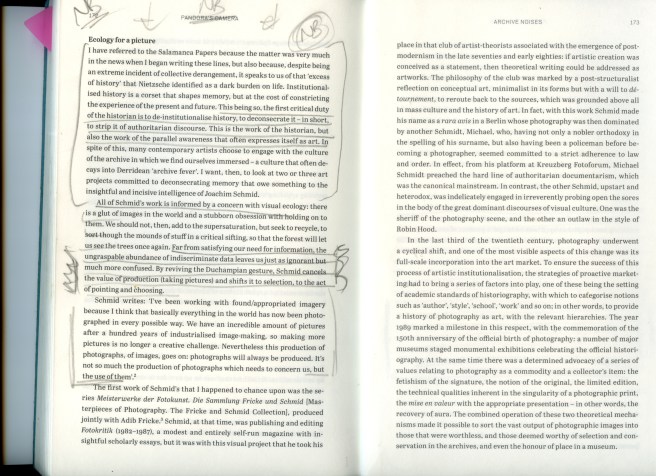
  1. I wrote about Joachim Schmid in DI&C and have been very influenced by his practice ever since. I love his notion of ecologically and pictures – and wholeheartedly agree with Berger’s statement that once everything is being photographed, photographs will become meaningless. This seems, in my mind, to have happened in this stage of late-Capitalism. But that’s another story/blog post – or indeed my essay! As you can see in this scan, I have found this particular passage on Schmid from Fontcuberta’s book incredibly helpful and influential.
Various008

2. Frank, Alex Soth – before reading about this, I had already purchased a short video from eBay, a stranger’s first film which I will/may work with. We are asked in the file what we think about the ethical issues  – there is a question about privacy. Artists should be exploring the boundaries between private and public and there are far more boundary-breaking works out there. There is an interesting article in this month’s Tate mag which I will find later exploring the question of art/ethics/respect for others, the earth, etc. A major issue today in society is that everything is atomised into economic units, nothing is sacred, one’s own trauma, deviance, intimate states and feelings. And so that needs to feature in the work, even when it intrudes on privacy. But there are lines each artist and audience member must find for themselves.

3. This is about chance and David Bates accidents discussed. A more up to date example might be Collin Pantell’s broken camera images which I enjoy far more than the All Quiet on the Home Front images, which frighten me a bit. But the broken camera ones are really interesting and somehow unzip what I sense in the others. There’s a horror in the lack of cohesion which I’d rather face so I like these. I also used unwound film and flaws in an exercise I did for DI&C.  and am far more interested in this type of image than the perfect toothpaste advert ones others enjoy.

4. We are asked if these projects are a case of the Emperors New Clothes  – I know there are plenty who think so. I am more comfortable with such things and always looking for the kind of sensation of strangeness I enjoyed when watching silhouette cartoons as a child, or looking through my Viewmaster (I LOVED that toy so much).

Answers to some questions we are asked:

  • Is the work taking a direction of its own? I think so – I feel like I started with a very wide net and caught nothing for a long time, but little bumps of growth are appearing (excuse the mixed metaphors) – although some die quickly and disappear.
  • Strategy working? I am making things now, I really needed to do that. I must stick to this. I could lose it if not.
  • Am I resisting a certain direction – I am surprised to be focused on making a book rather than a film but I think that will come. It feels right to be focused in this direction.
  • Yes, the material in this section is very much my sort of thing
  • How has chance played a role? I ordered the film from eBay and had no idea what was on it, was a bit lost when I looked at it, but have decided to include it for now as one aspect rather than the containing element. Making the little dummy booklet was good because things I’d planned went wrong and I ended up using those wrong things – printing one page on two by accident – will use that. Finding a cut-out paragraph that works on the front cover. Making a mistake and covering it up with something I had lying around actually is a good idea which fits. It was very useful indeed. Using Processing to make things randomly. etc.

Artist: More thoughts on Edgar Martins, Soliloquies book

Some fellow students may recall my angst about spending money on an Edgars Martins book just after Christmas. I had already seen a few books advertised which I knew might be helpful for research but out of financial reach right now – but this particular book seemed so pertinent, I couldn’t let it go. I was lucky enough to get hold of the last copy from Moth House and it has indeed been helpful.

One of my main interests was exploring how Martins uses material from a range of sources in the same project. He does this across his projects but the suicide and death topic reminded me of my own Self & Other A5, so I was keen to see the book, shown as prints in an exhibition and can include video format there and online too. The series contains found, original, archive and text. There are tropes and conventions in his work which I have found myself engaging with over the last couple of years, and that is absolutely what I am interested in too.

The essays have been excellent resources and will undoubtedly be referenced in my CS work. Here I want to point to two sentences that are of particular significance.

From Roger Luckhurst’s essay (118): After discussing various sources for images including ‘found’, ‘puzzling insertions of landscapes’ ‘stereoscopic views, vintage newspaper photographs’ ‘odd theatrical and enigmatic visions’, he writes, ‘These seem to work to derail the over-coherence any series or display or exhibition of book inevitably imposes, fighting to keep the grid of meaning open, defying the dread determinism of forensic files.’

(114) ‘tugging at the links that have been reinforced by dominant theories of photography, since at least Sontag and Barthes.’ (I find the phrase ‘at least’ a bit odd actually – yes these names are the dominant ones, but photography has been around for a nanosecond of time in the grand scale of art – its own sense of grandiosity belies its infancy. However, it echoes the status quo, of course.)

Martins is, like me, looking at ‘the cut’ – how we define things, how we are entrained to catalogue and categorise – and asking us to not make assumptions. He does this here through the doorway of death, suicide, forensics. It didn’t take long when I started looking at his history to find references to quantum philosophy but where I look at the concept of indeterminism (Barad, Rovelli, Bohr) he ‘sacrifices’ cohesion for the notion of countless probabilities (Heisenberg). Whichever, there is an interest in overcoming the fixity of Cartesian thought or Newtonian certainty.

In 2018, ex OCA student (now studying with Oxford Brooks) John Umney sent me a message and he has agreed I can share our interaction here. (29/09/18)

Screenshot 2020-01-19 at 17.37.50

I had been experimenting with blocks of colour, filters, covering up faces as the filters do, the ease with which we can all manipulate images, adding new/modernity/digital tropes to old images, intervening on analogue surfaces with digital animation. I guess my main interest was how easy it was becoming to intervene, to manipulate and to be manipulated. In fact, I started a project which I then abandoned called Manipulated. It seemed too trite a title and I wasn’t that keen on the images I was making but the idea of moving image with still, audio with still, and layering has stuck, modern and old together has stuck. And the filter we place over our faces, the regular circle of profile pics. Below, one of my own examples from that time – curated, found, added to. (Lots of this in 2018/19)

ThreePeoplehavingDrinks001cropped

It is hard not to notice the tropes in Martins’ work running through my own. I must be frank, I took a very brief look through the book and stopped, heading instead to the essays. The images were too familiar and similar to what I have been doing with scans and negatives and paper for my current project. I was worried if I kept looking, I’d be frozen with fear of being too similar. I have continued to worry about this – but I know Martins is one of several artists such as Eric Kessels, Alexandra Lethridge, Joe Rudko and Thomas Hauser to name a few who make work in this way, using these non-conventions, sourcing the old and adding to it with the new. Something Catherine said about one of my efforts having the air of forensics worried me as Martins’ work is highly influenced by that – but again, how can mine not be when I have been reading Tagg and Sekula? So I will keep going and hope to goodness my writings and feminine view give it something that is just me. But what I have noted about his work is that it is very clear contained and demarcated  – the indeterminism is held quite securely. I don’t think mine is. We shall see. And I will look at the beautiful book more carefully when I have completed this project. Incidentally, it’s not for resale – I think I will come to love it. But I have some others by popular artists that are if anyone is interested!

On another note re-books, I am going to borrow Hura’s The Coast which I was so keen to look at which pleases me immensely. I think the combination of text and image plus his interest in context and relation will be useful.


BOW: A3 Today’s​ efforts

Dummy booklet – have created a dummy to demonstrate what I’m aiming for tomorrow when I attend a study visit run by my BOW tutor. I will make a little video and upload in the morning when there is some daylight to do it with.

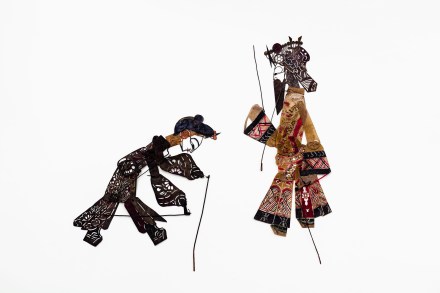
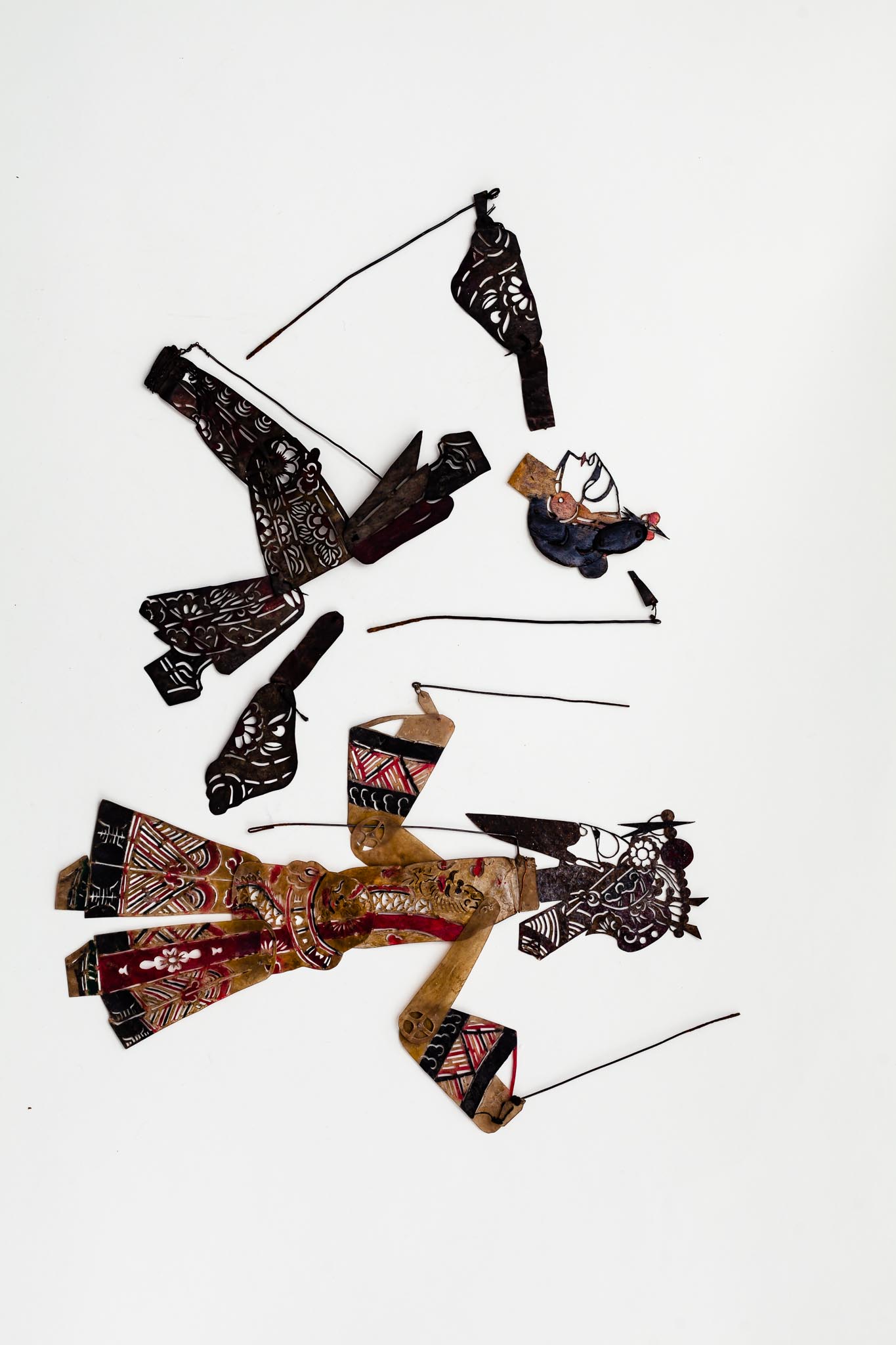
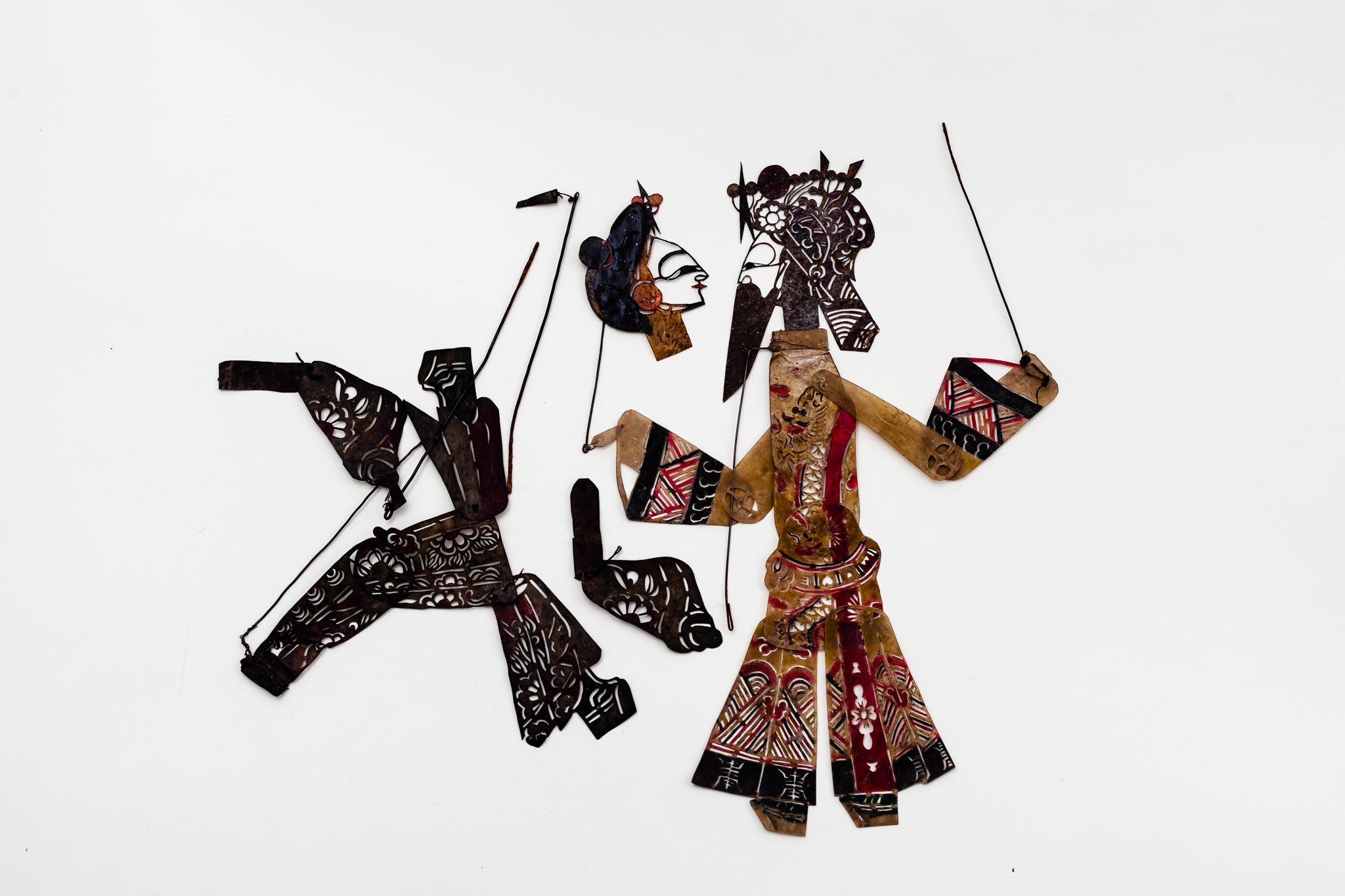
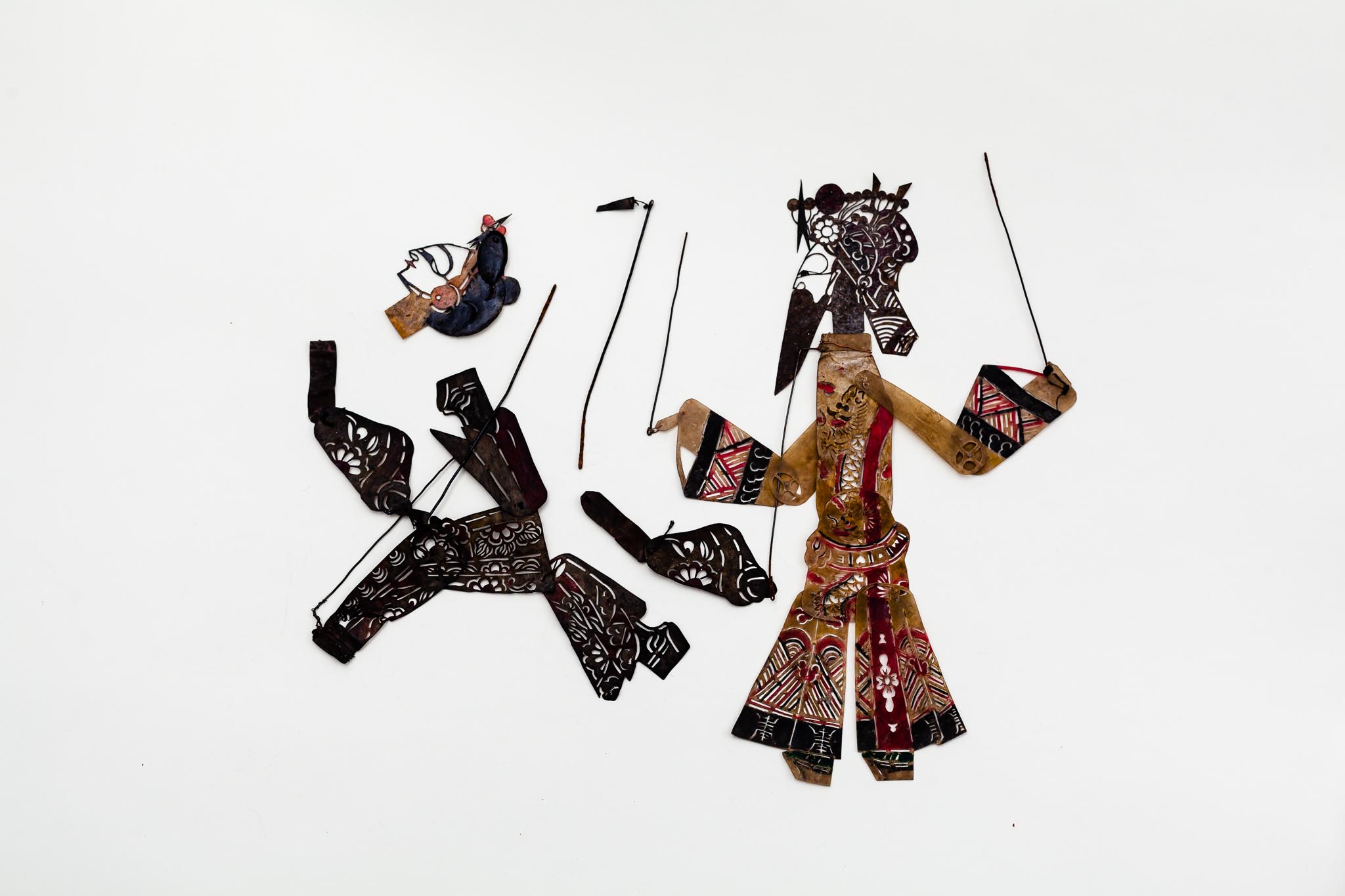
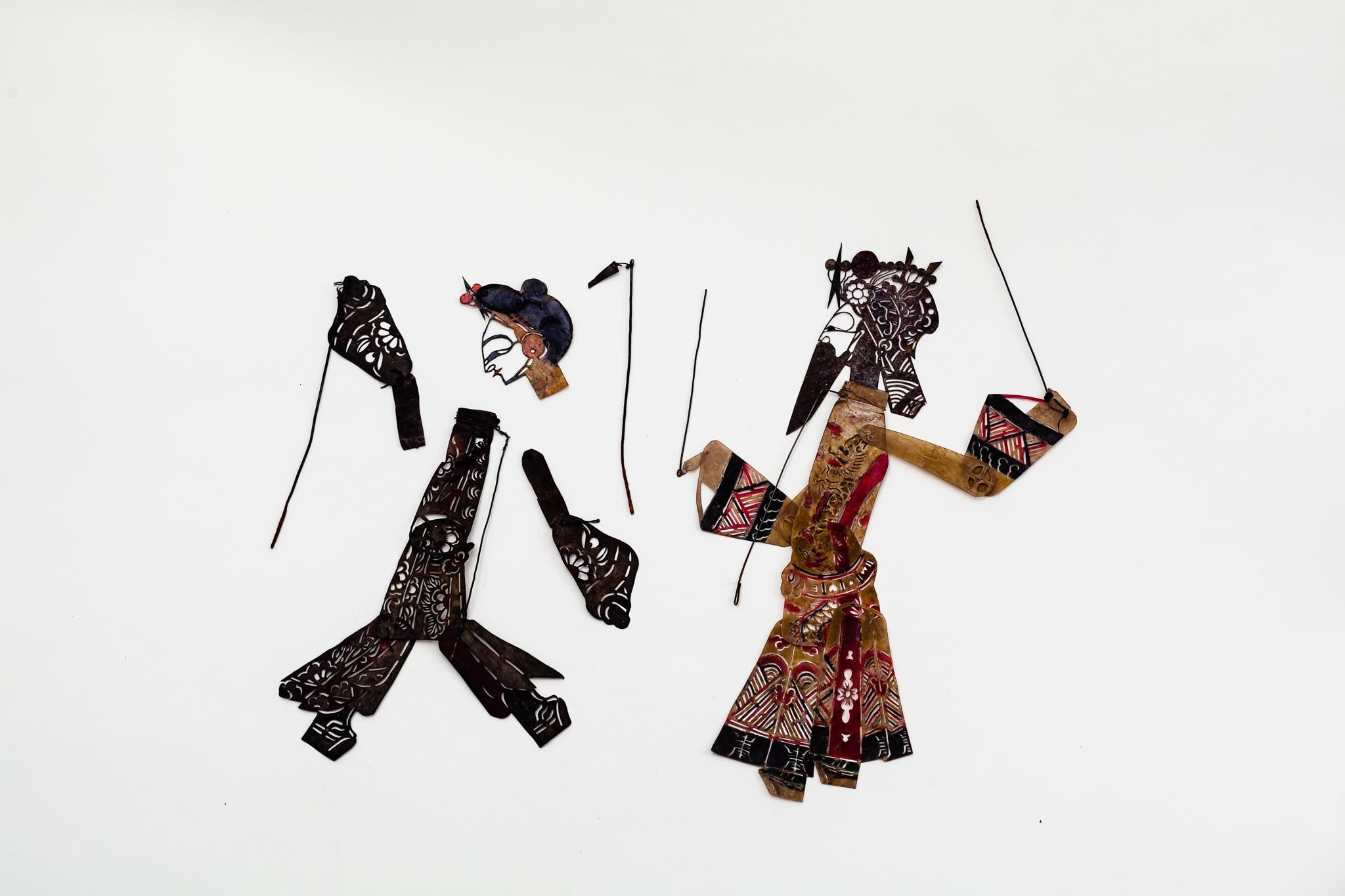
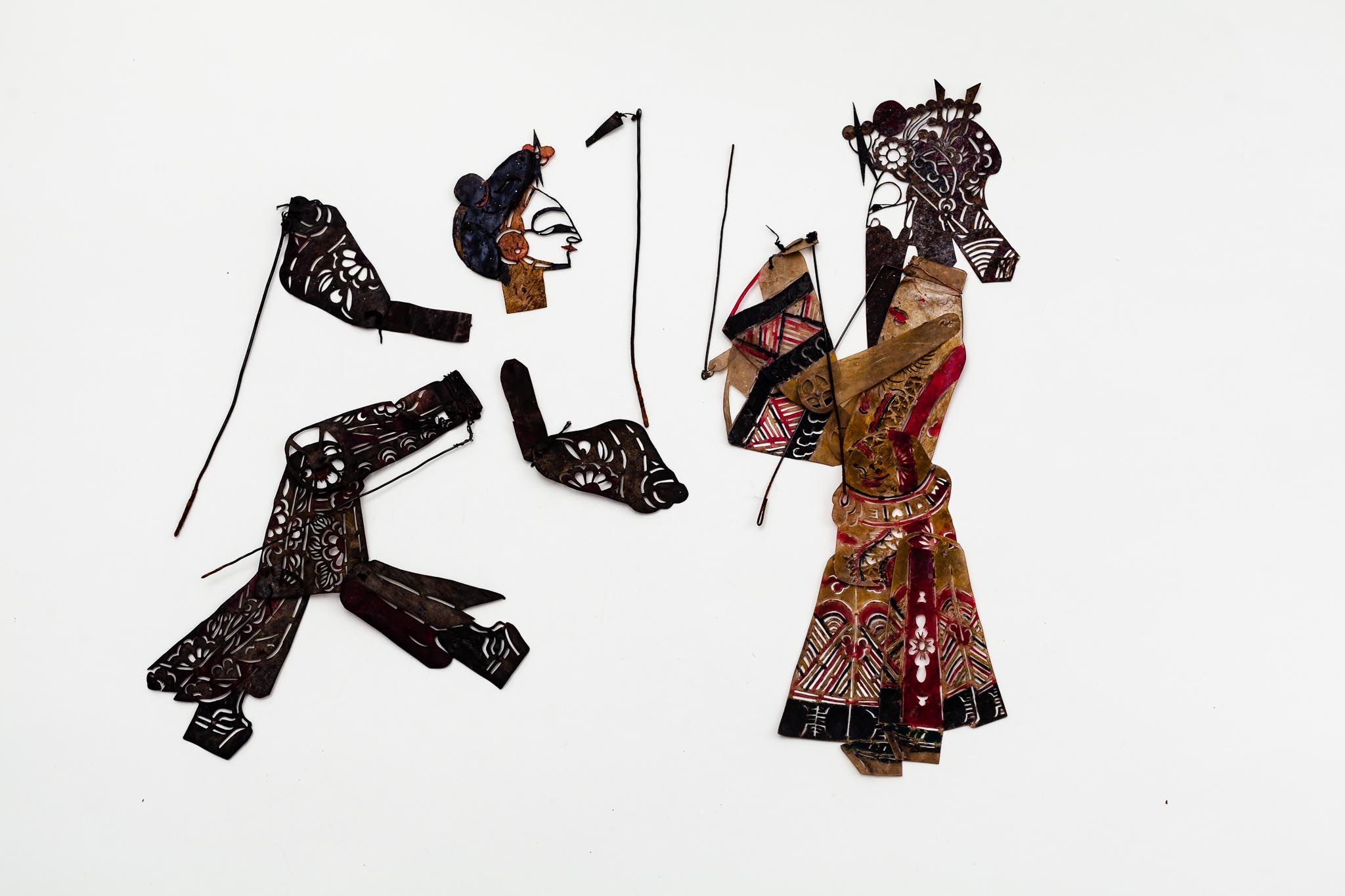
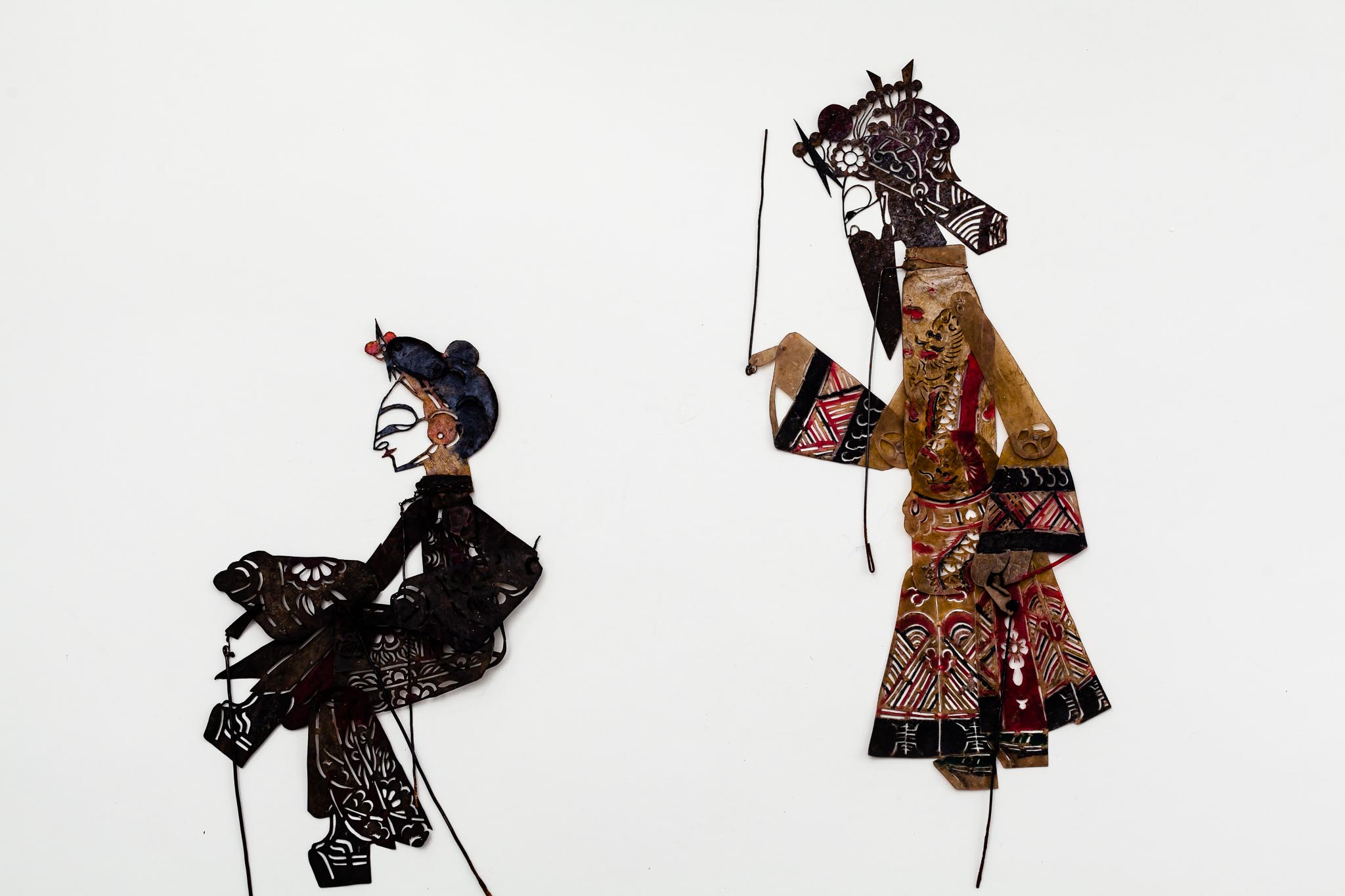
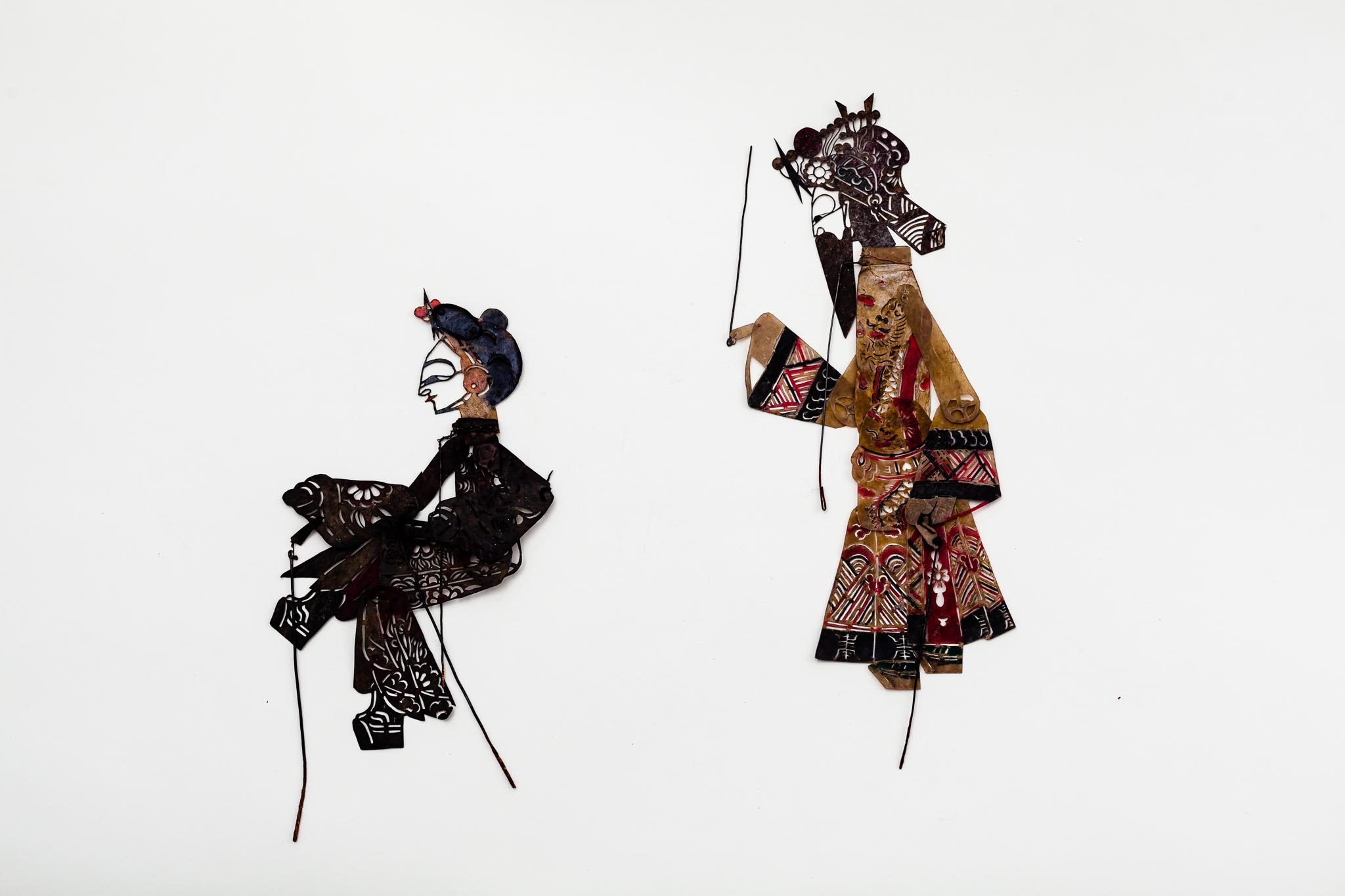
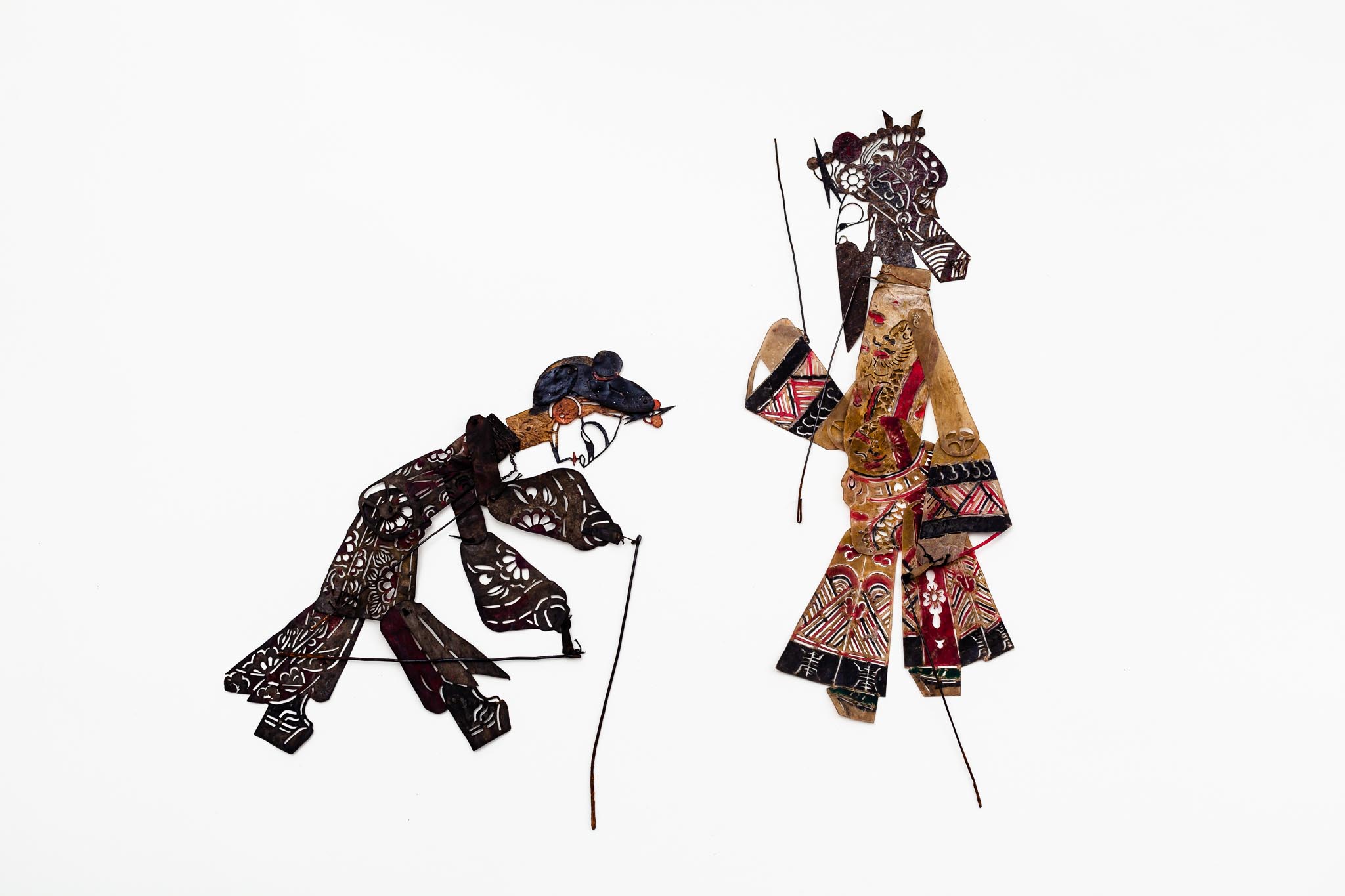
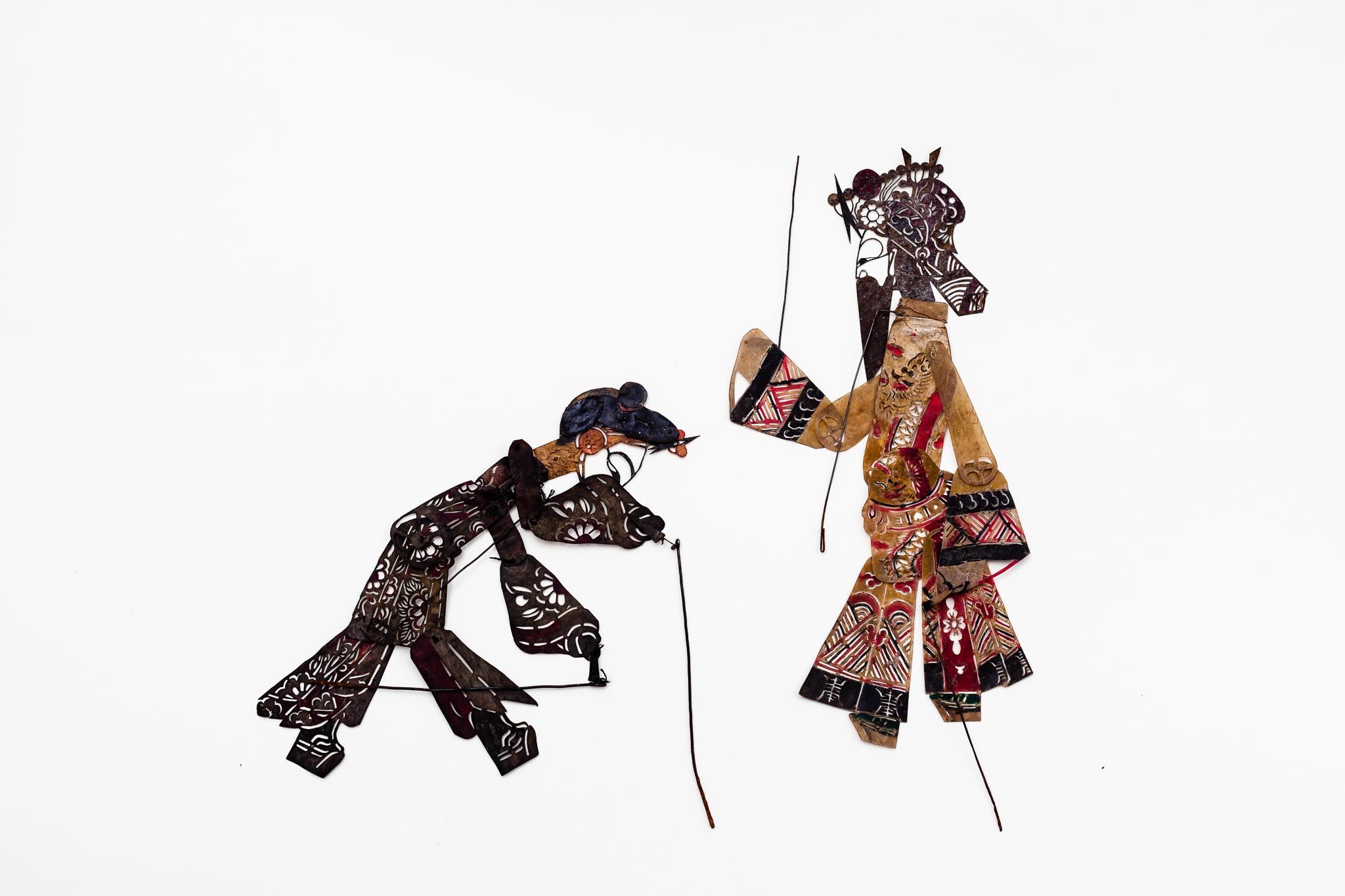
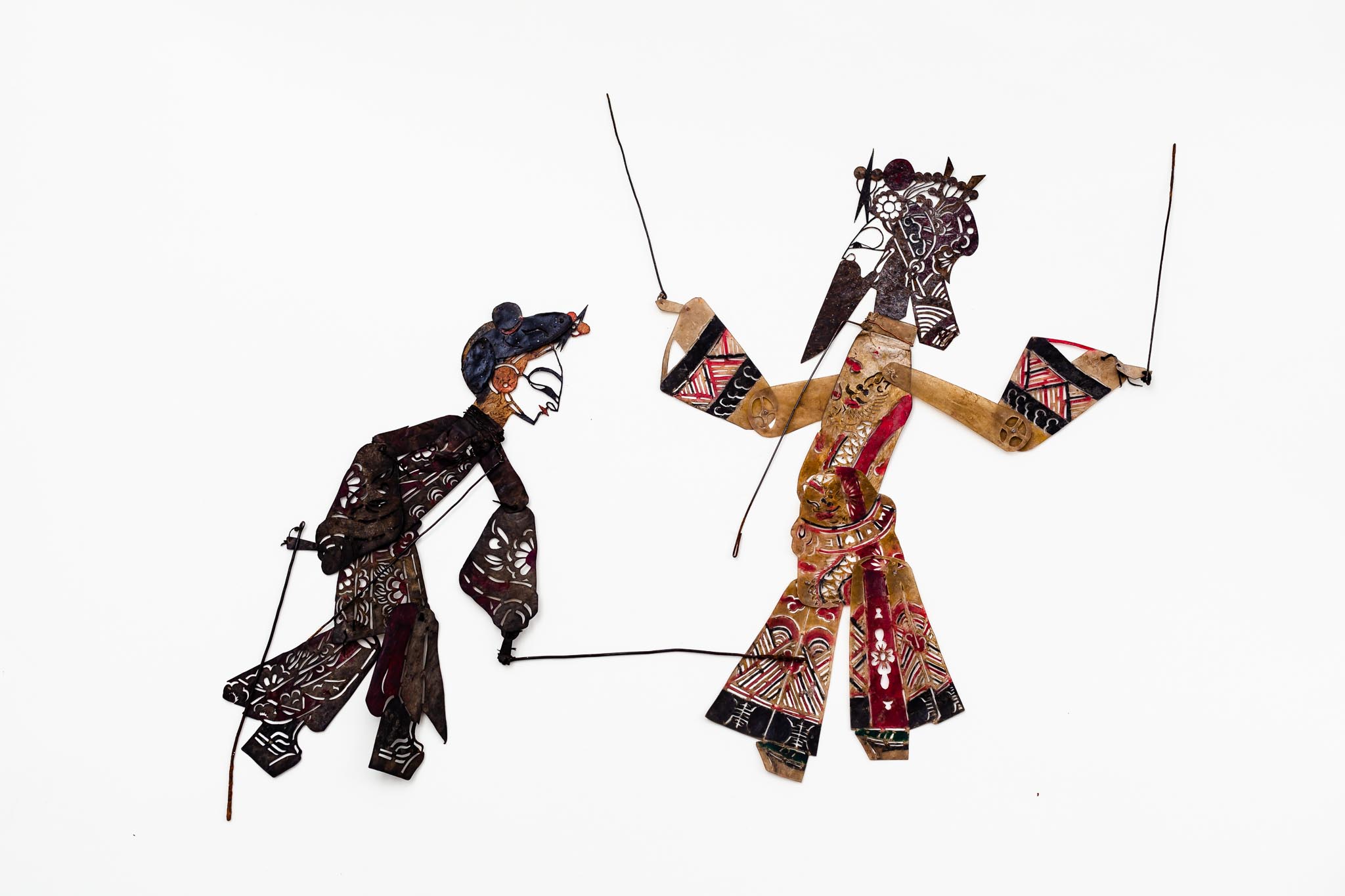
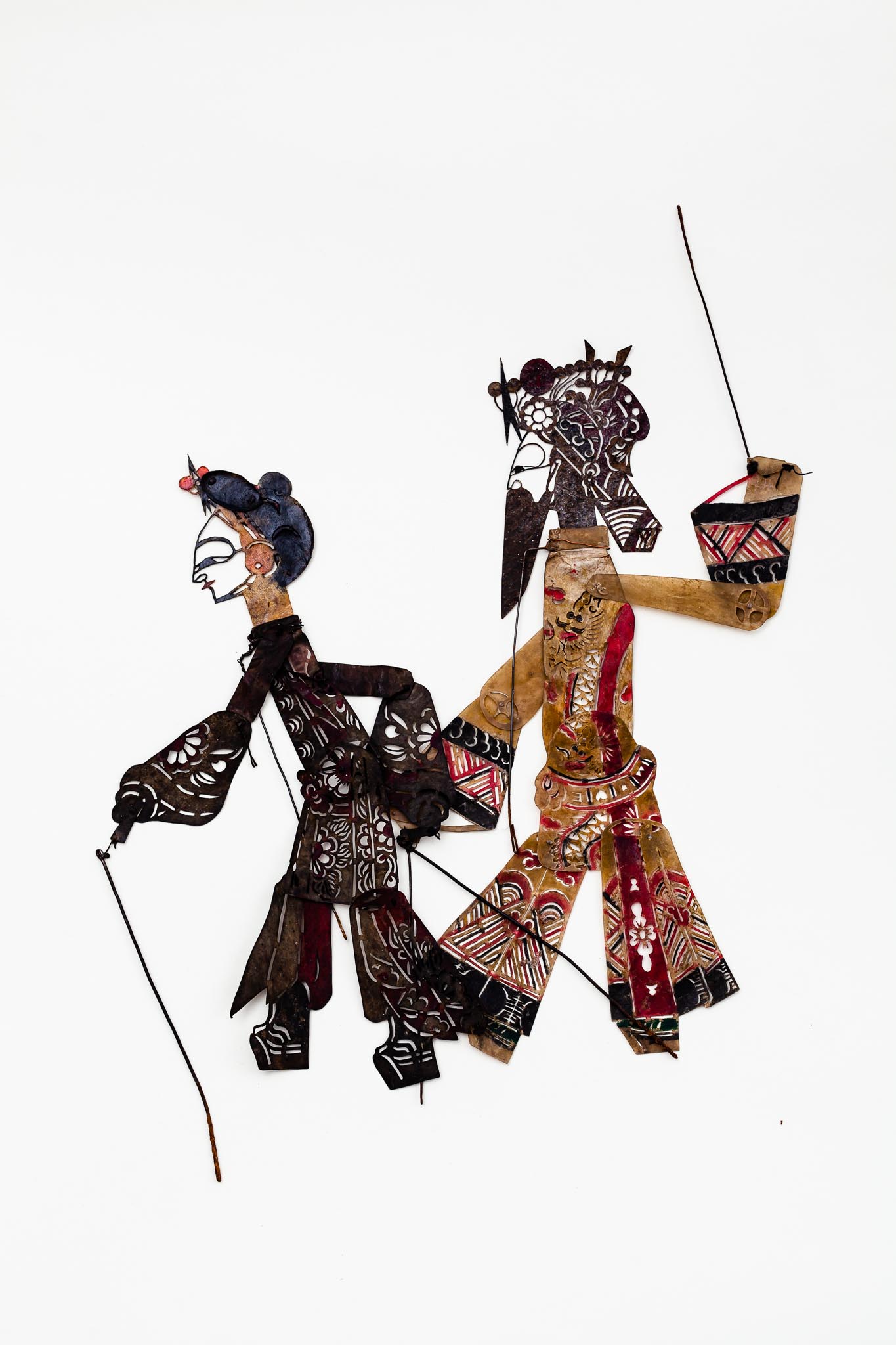
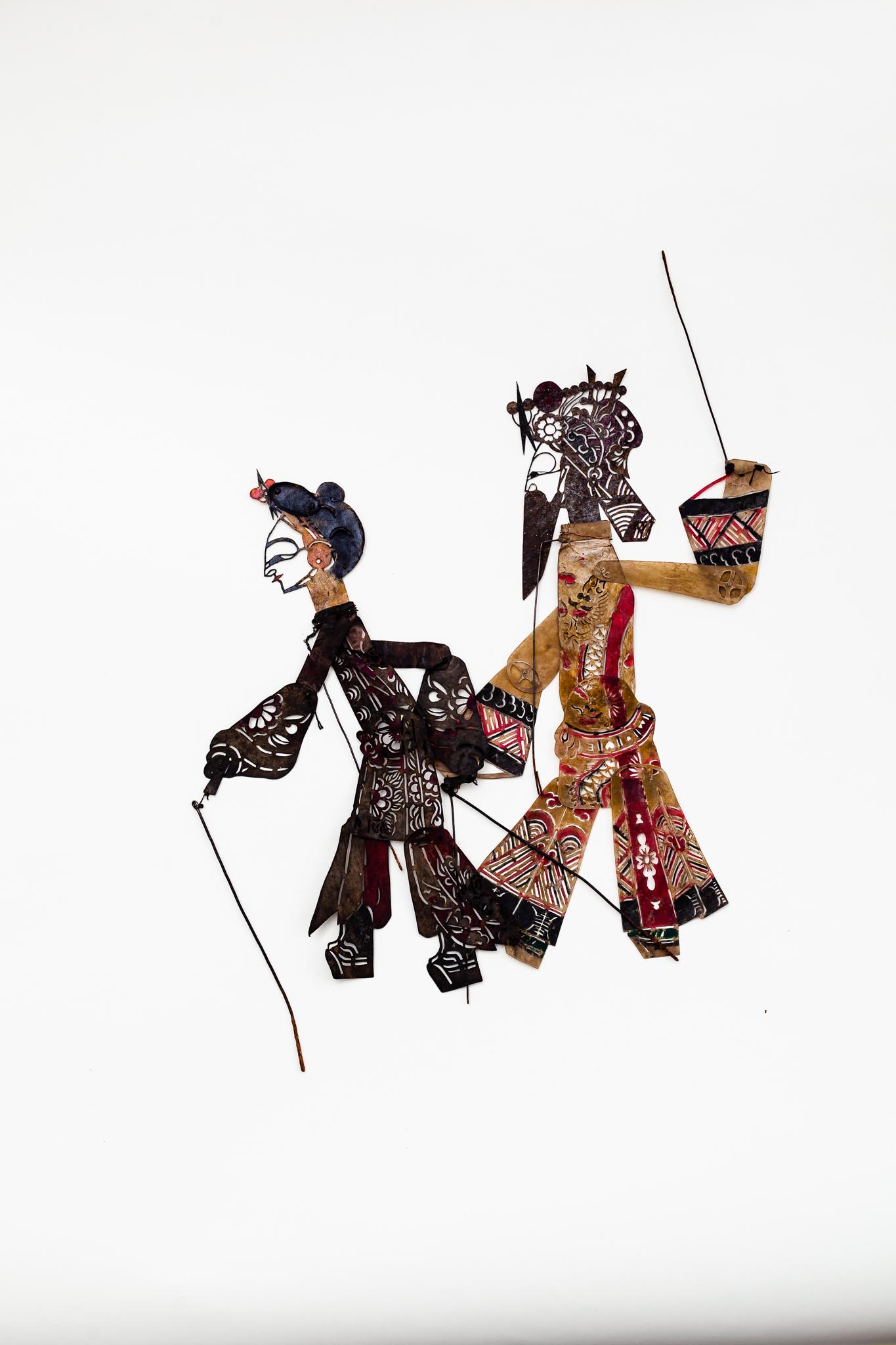
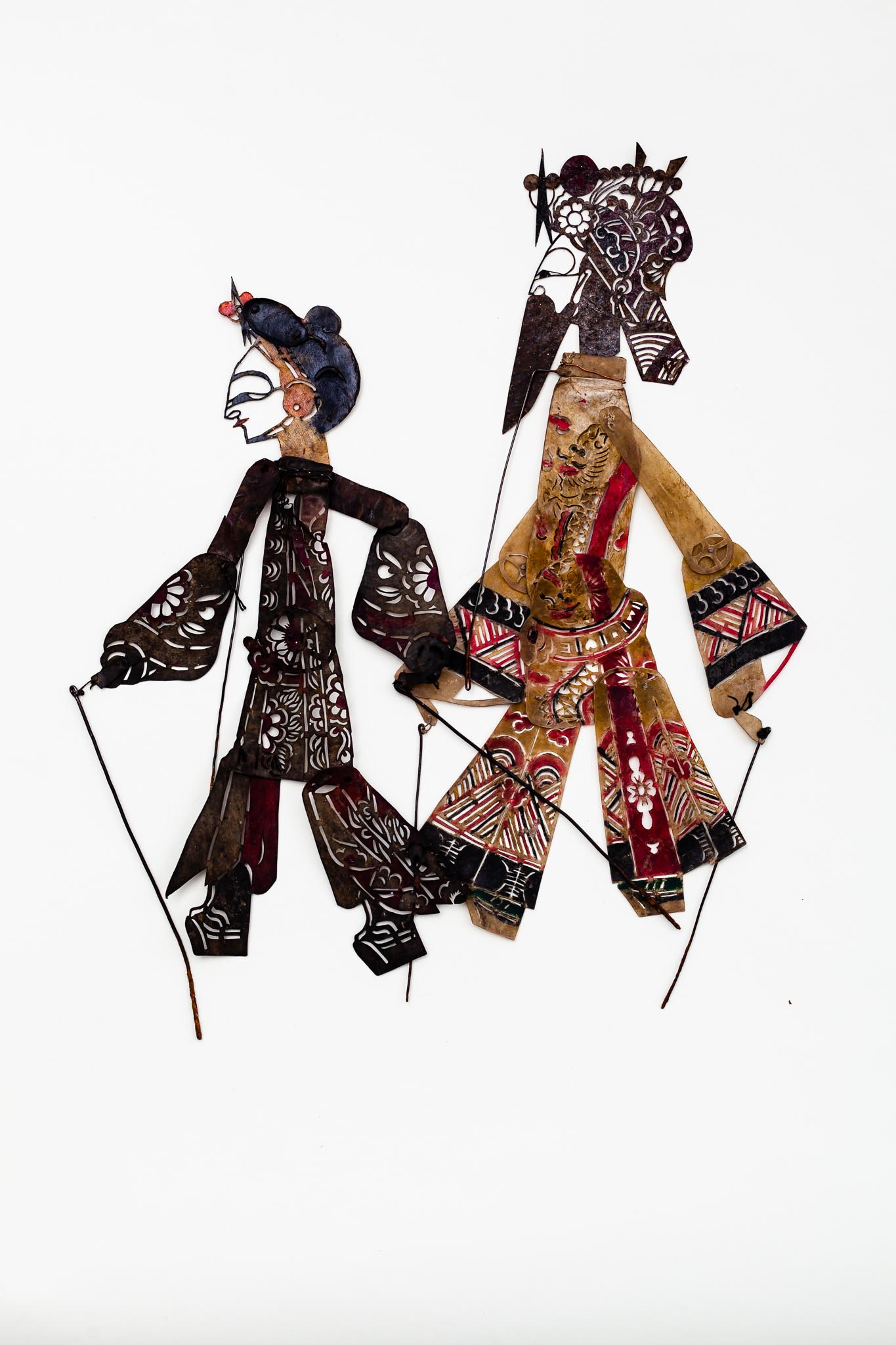
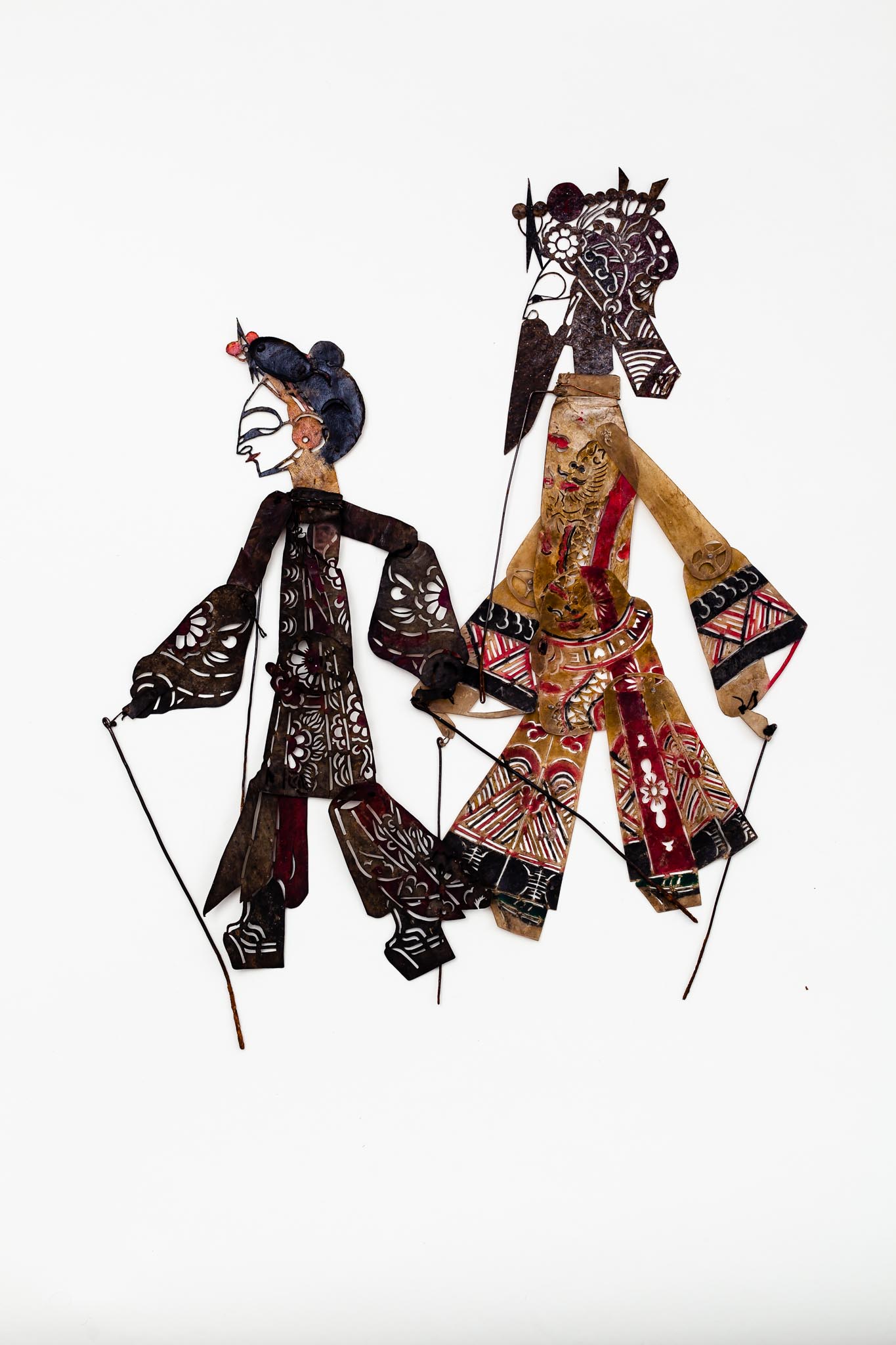
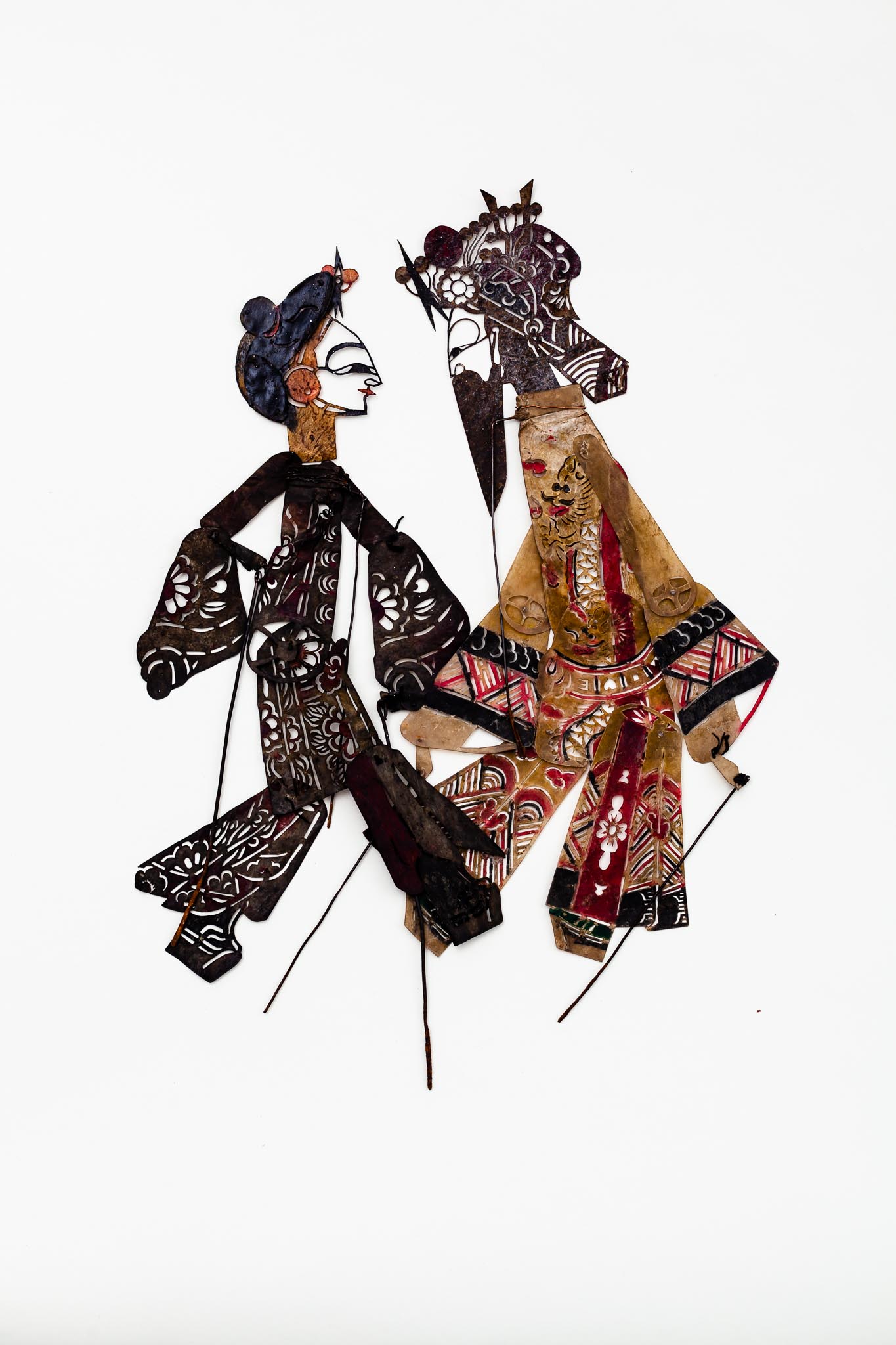
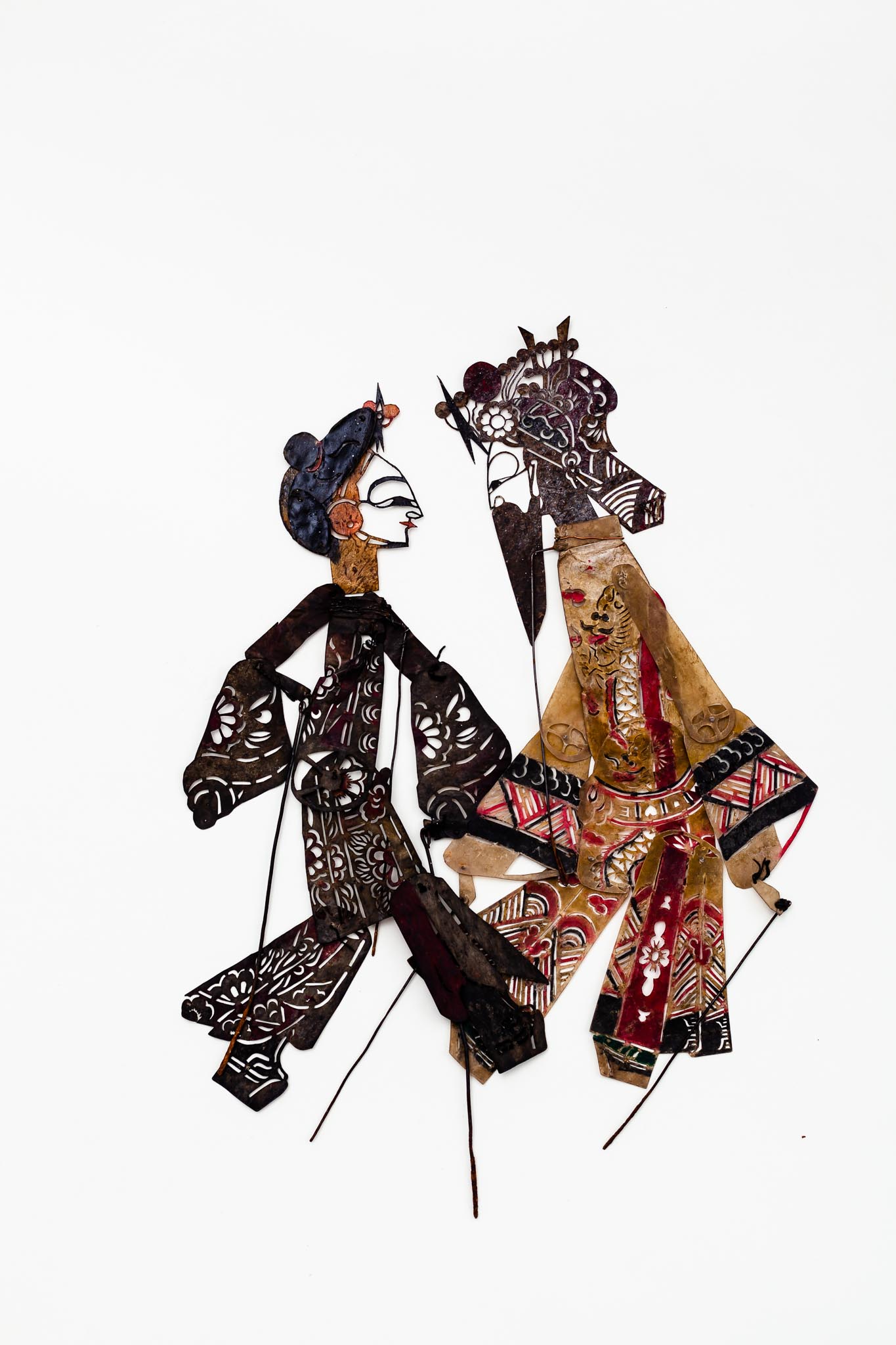
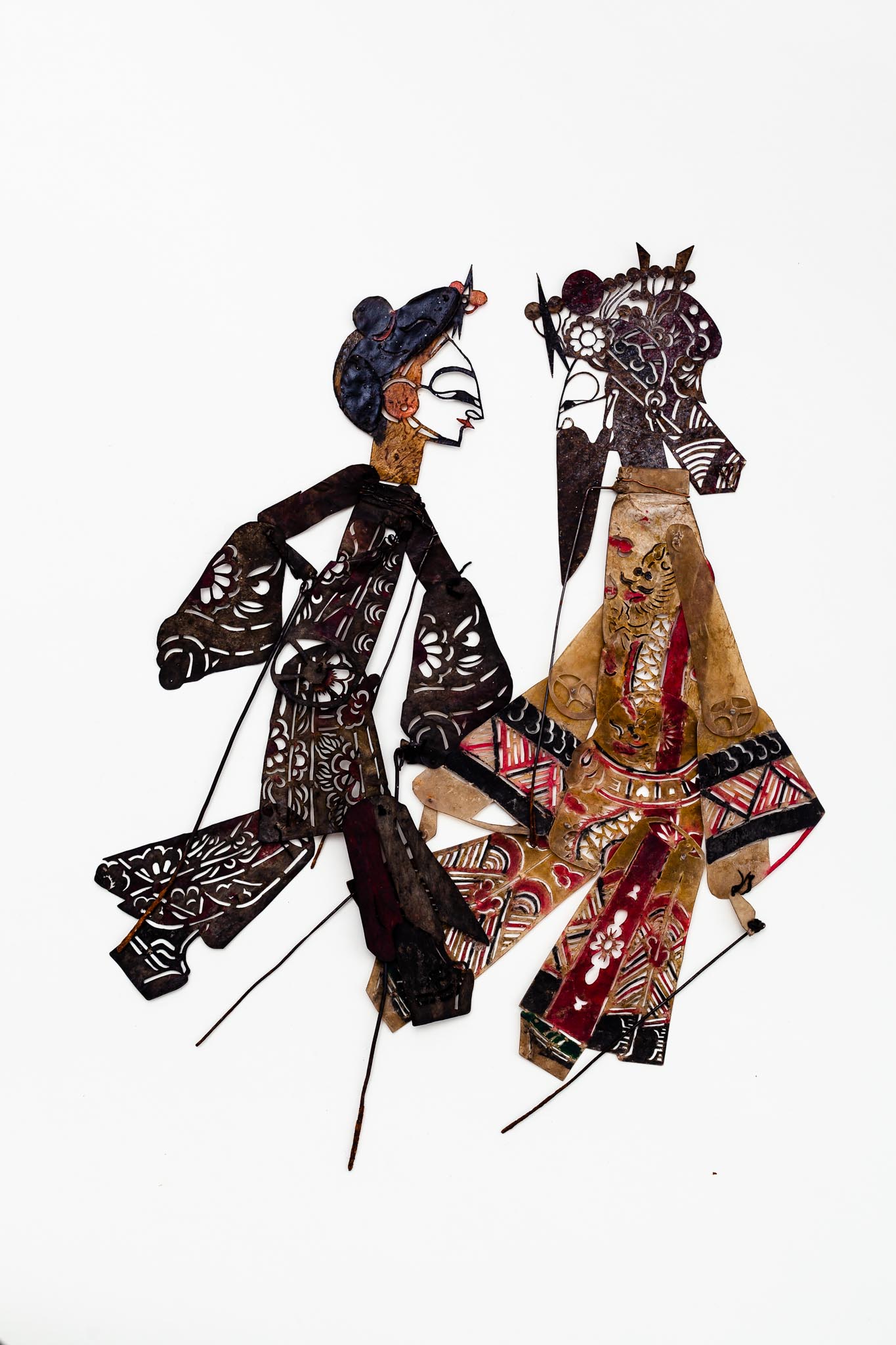
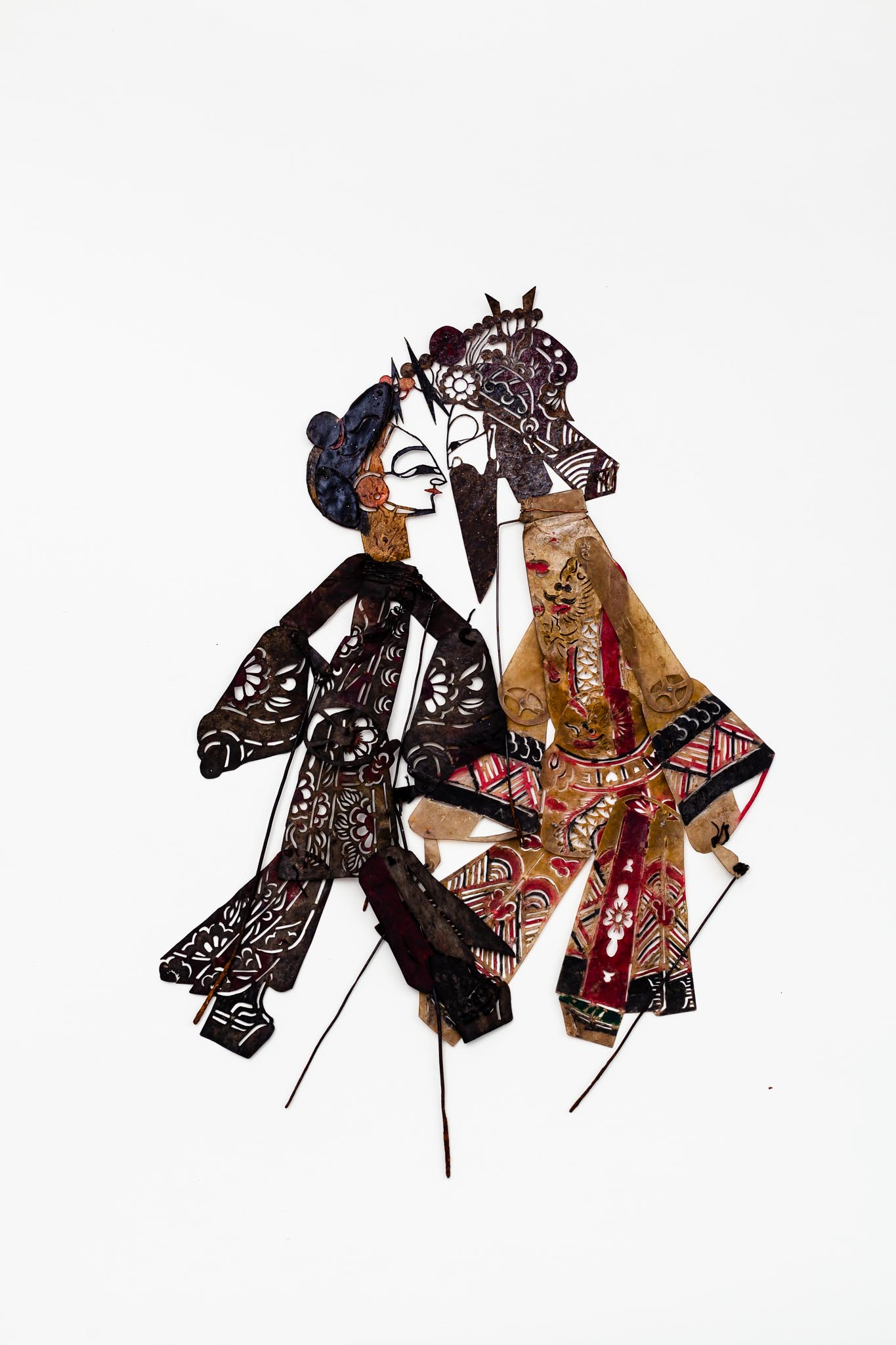
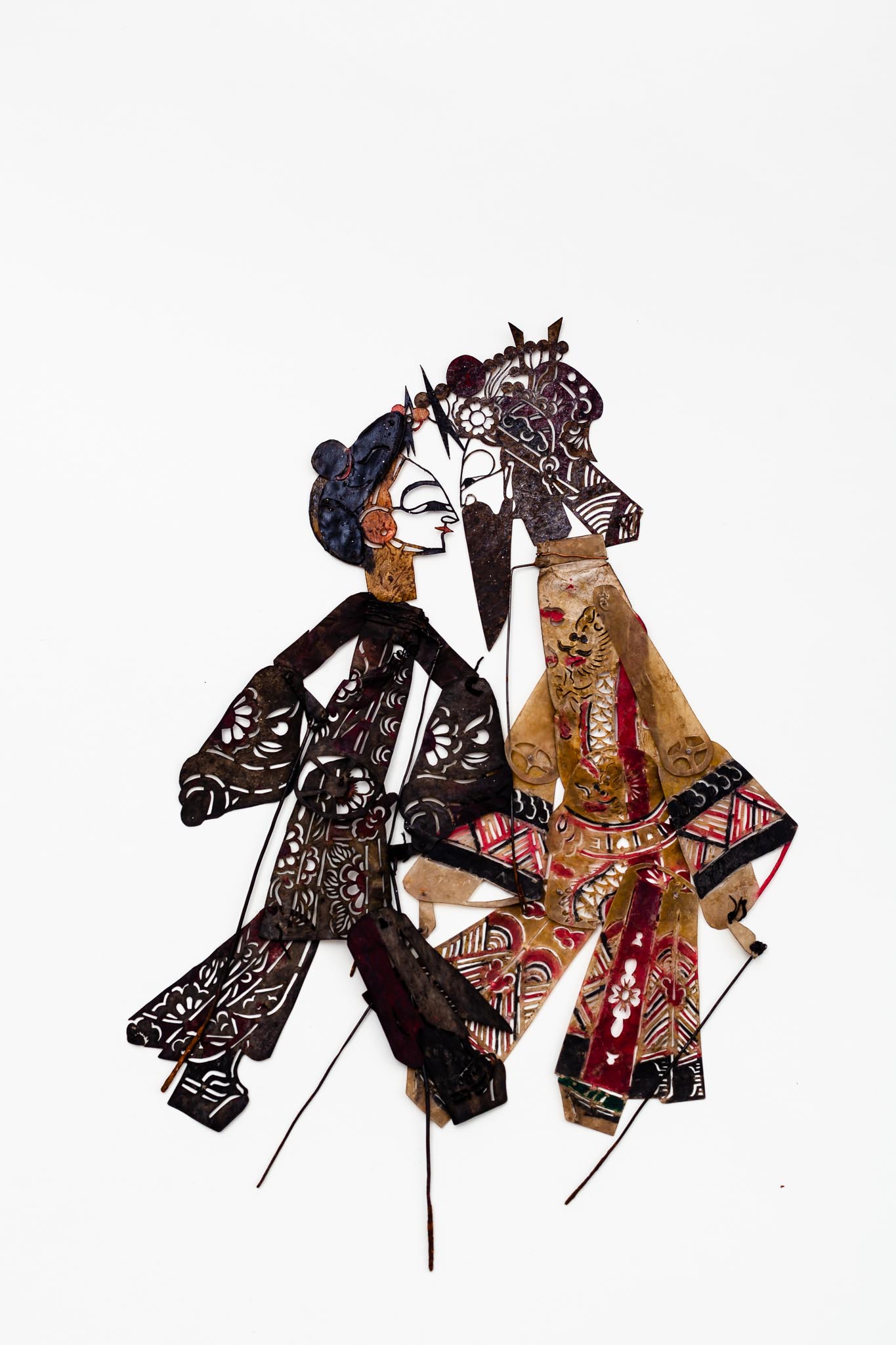
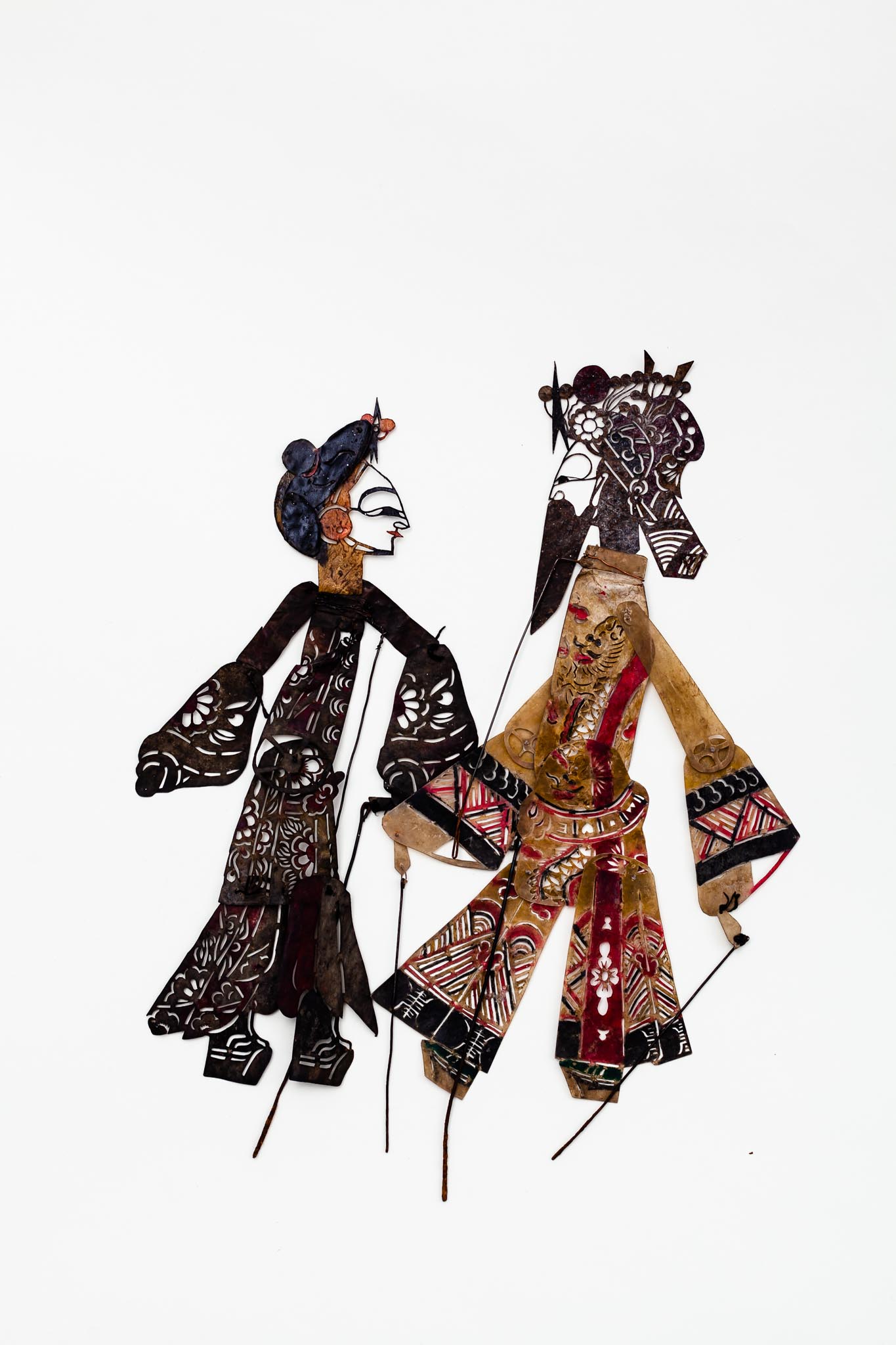
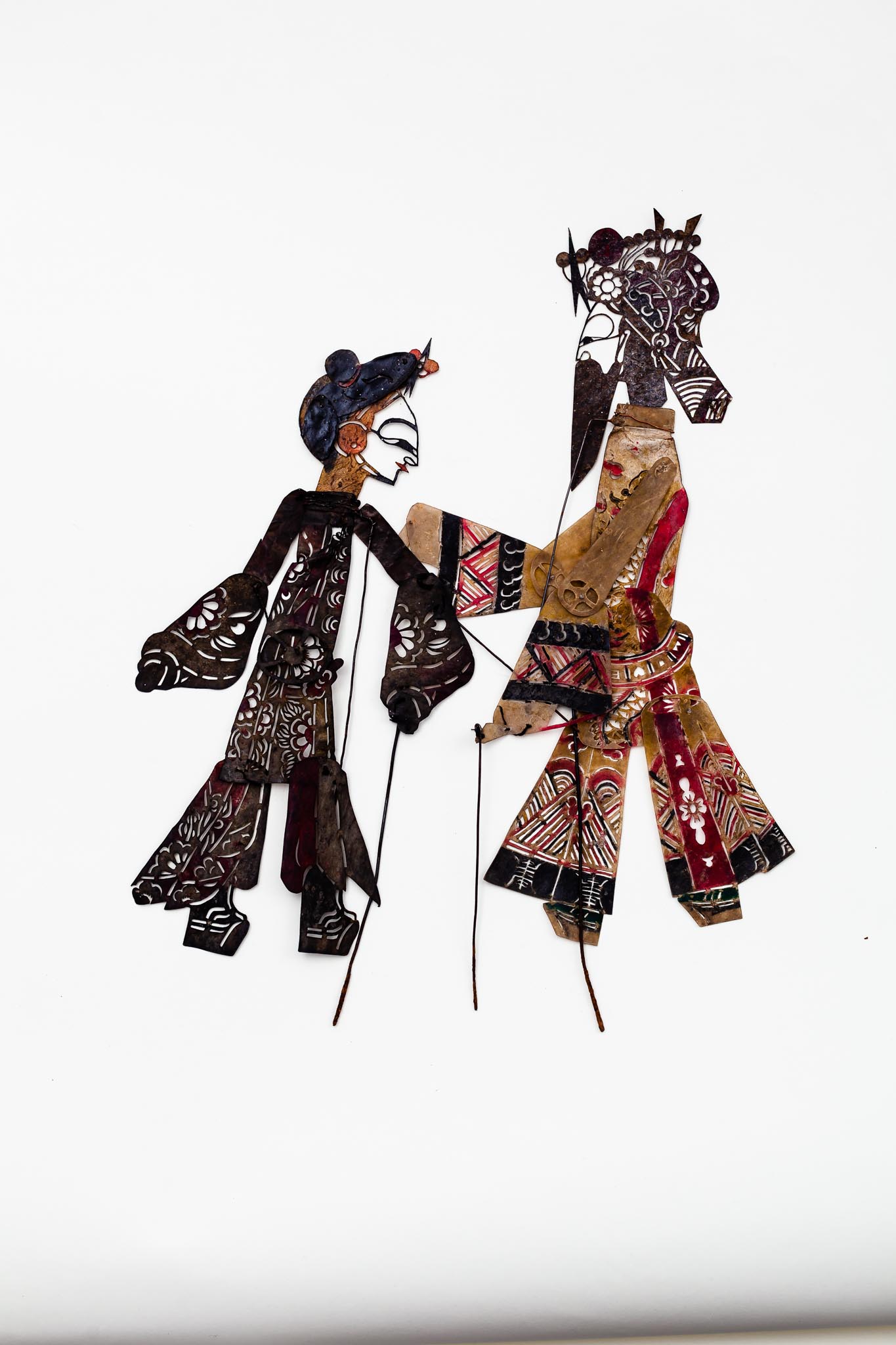
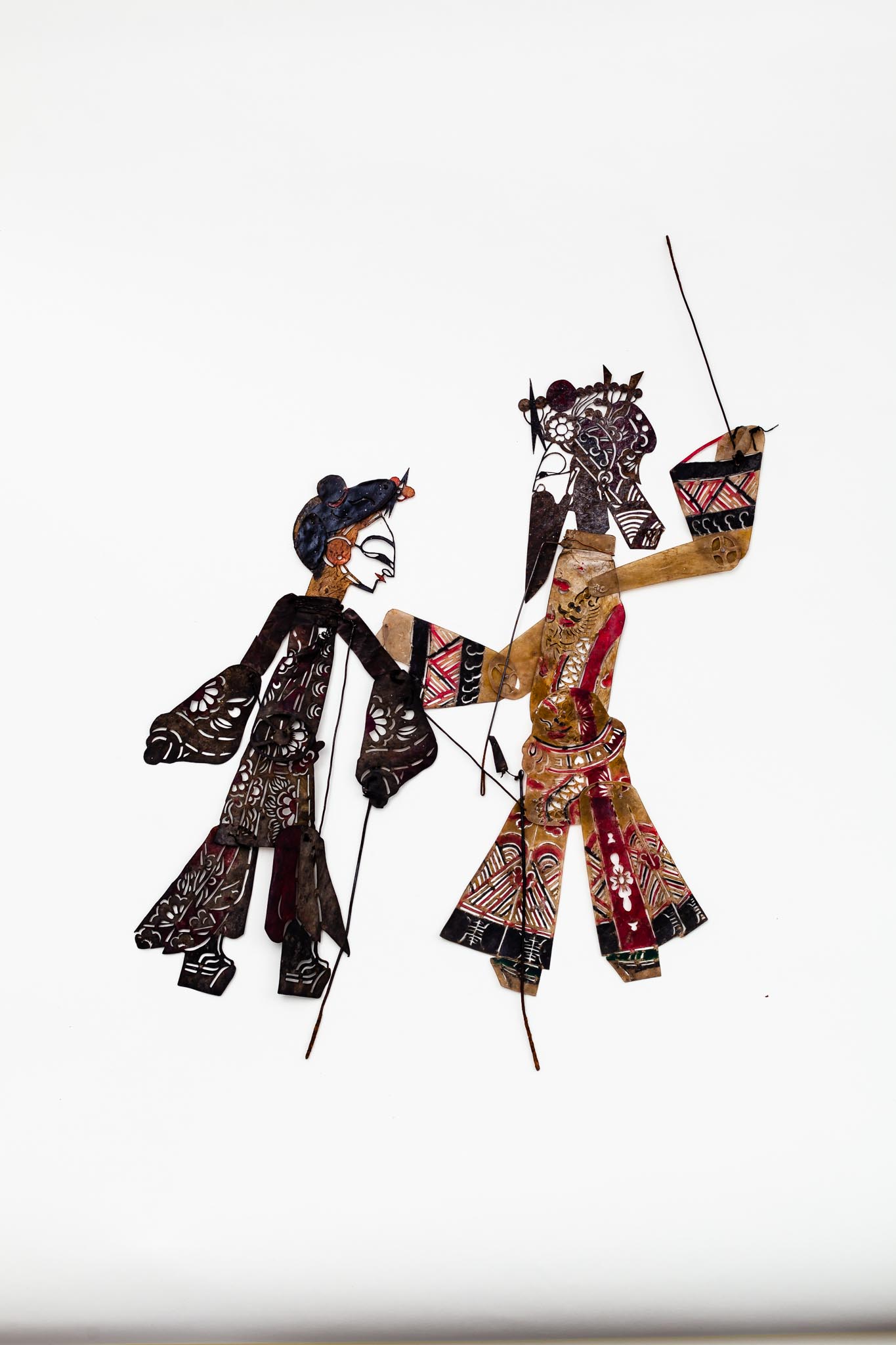
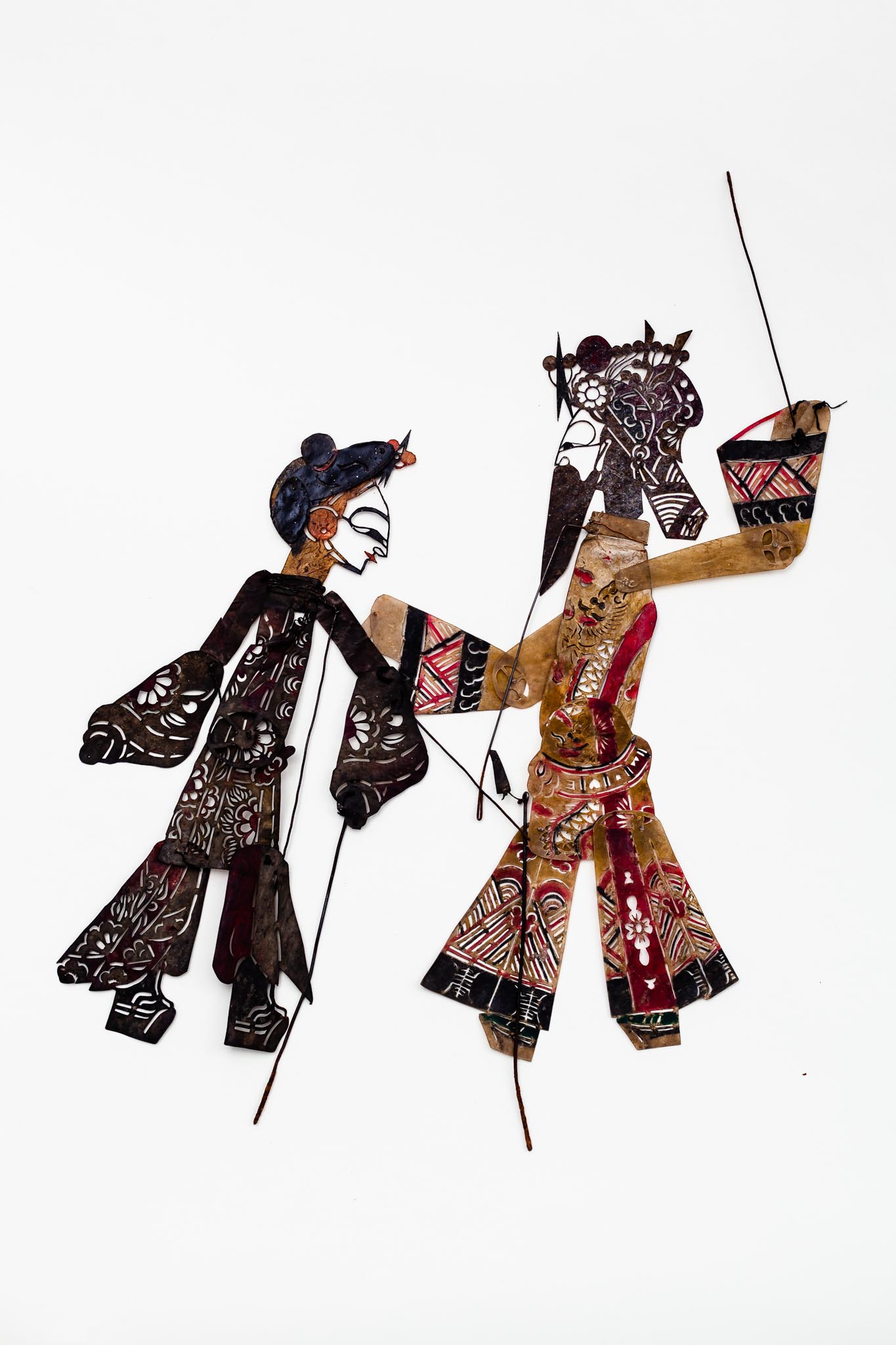
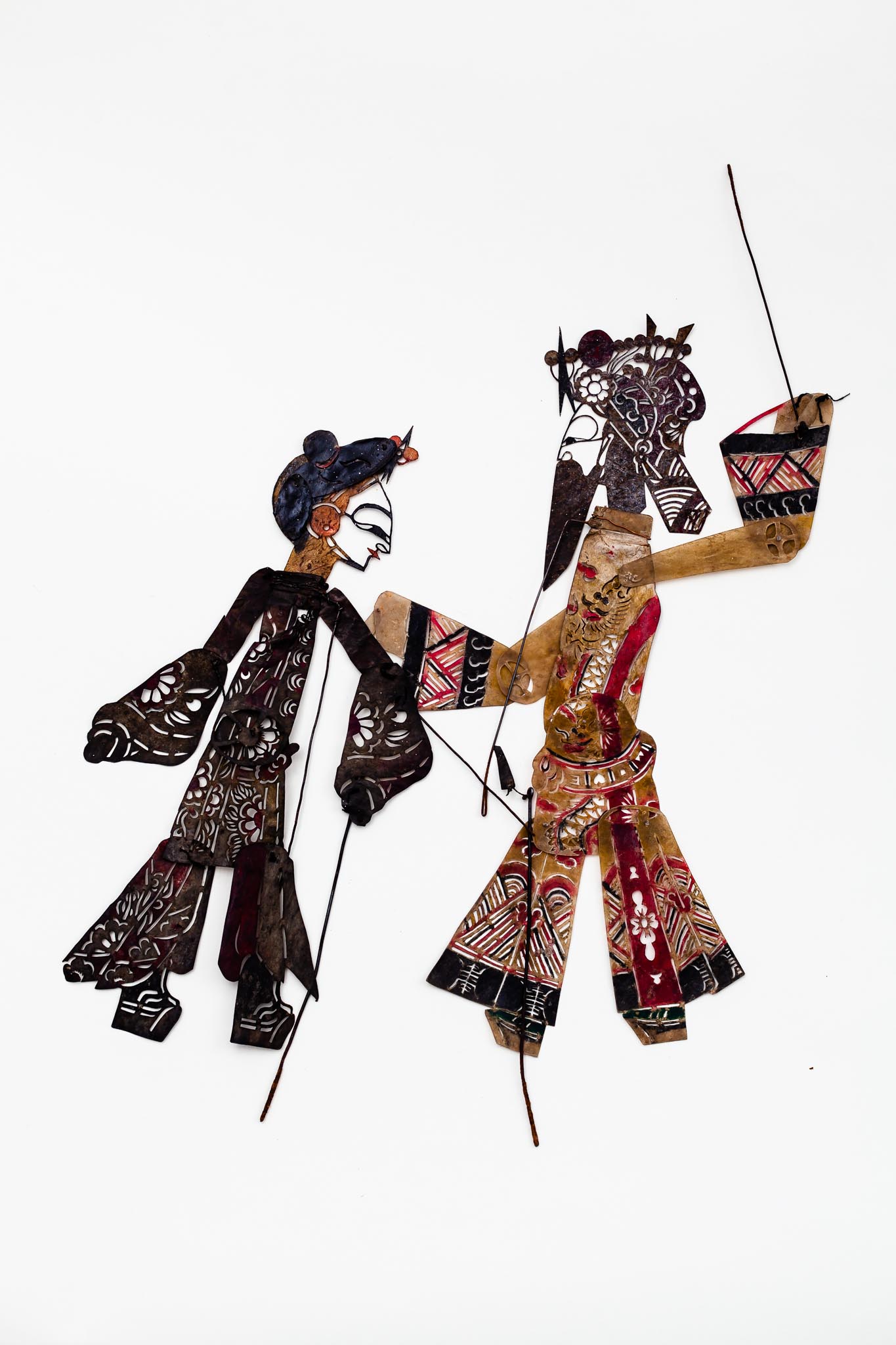
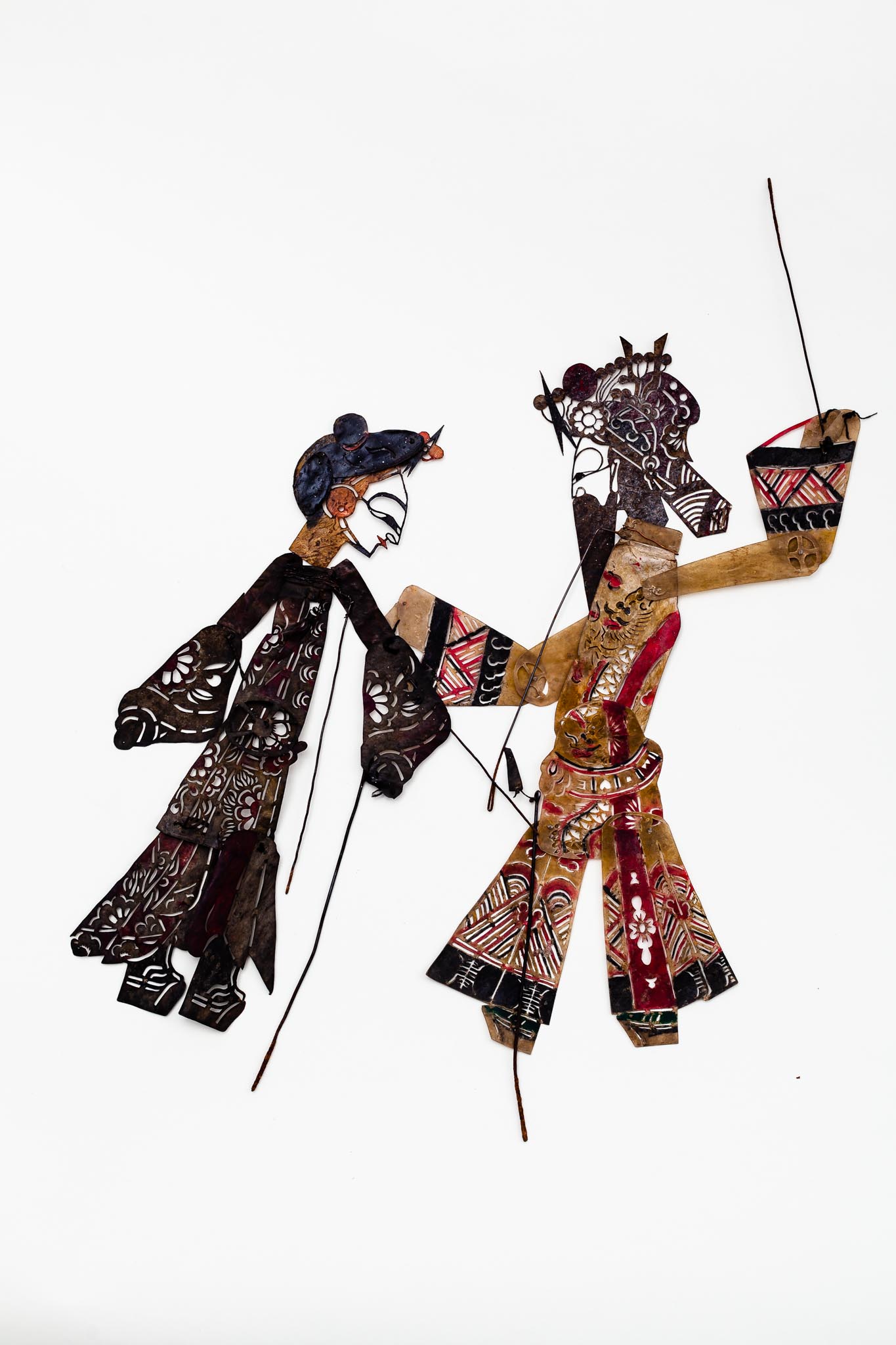
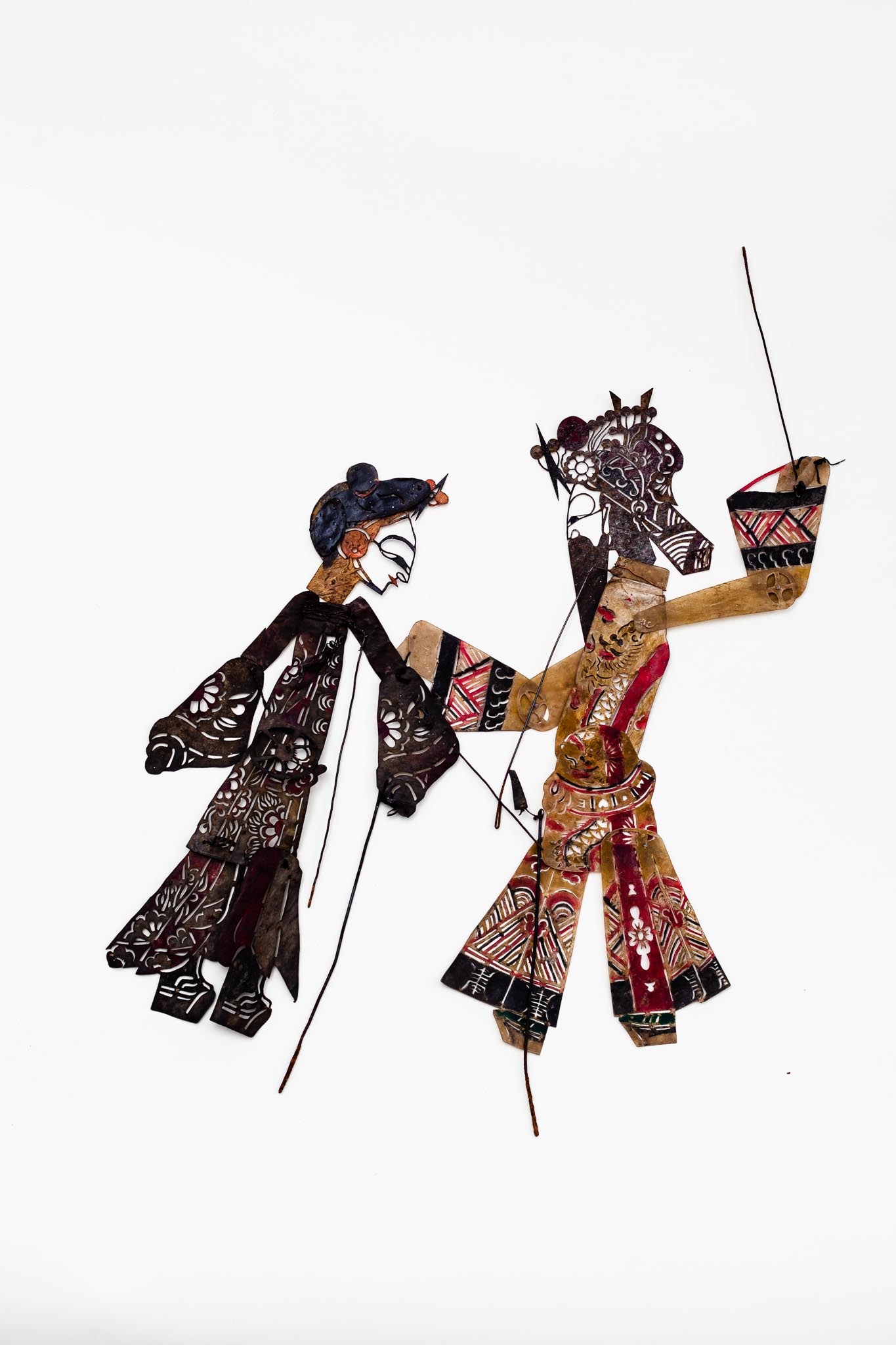
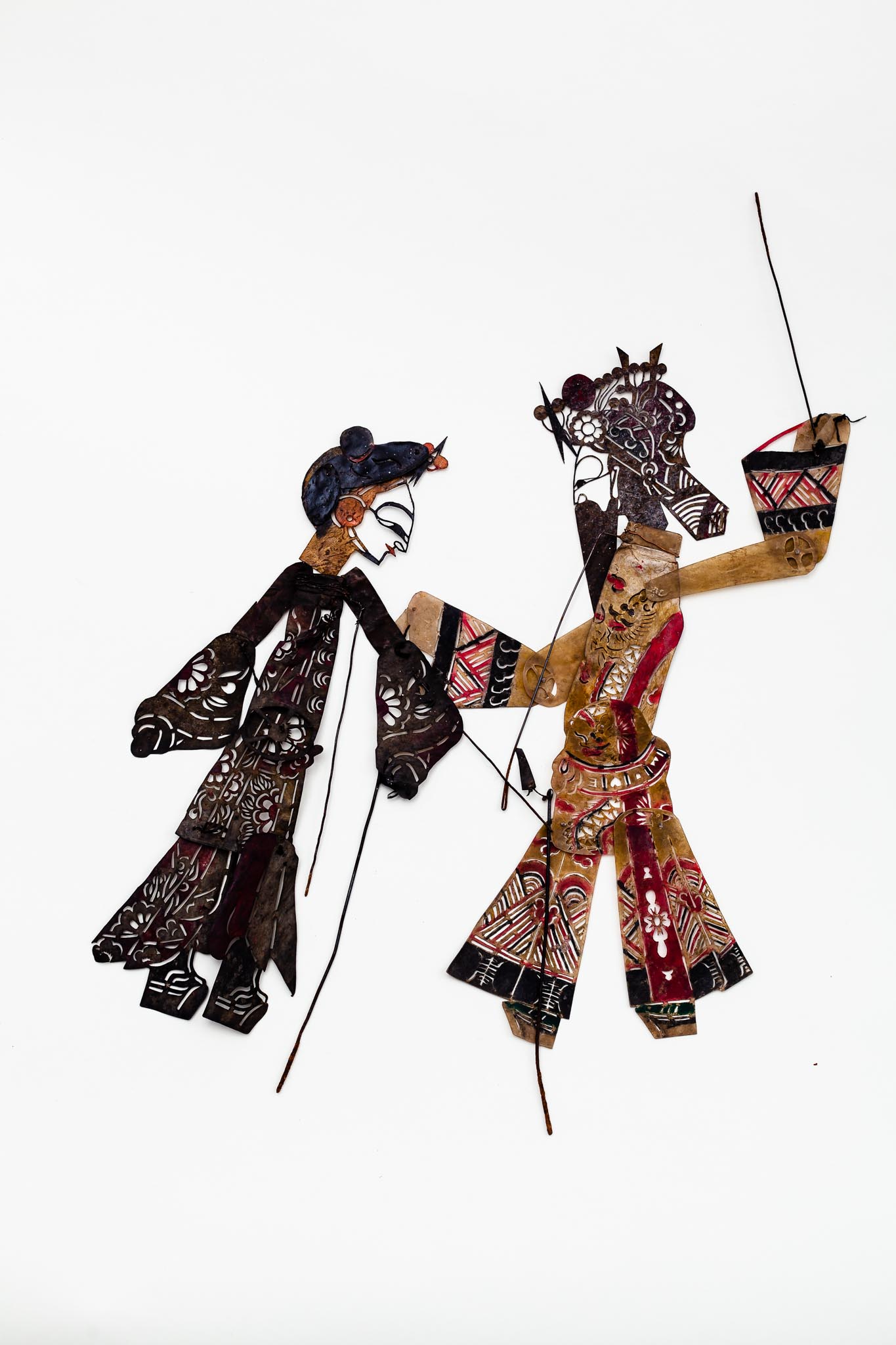
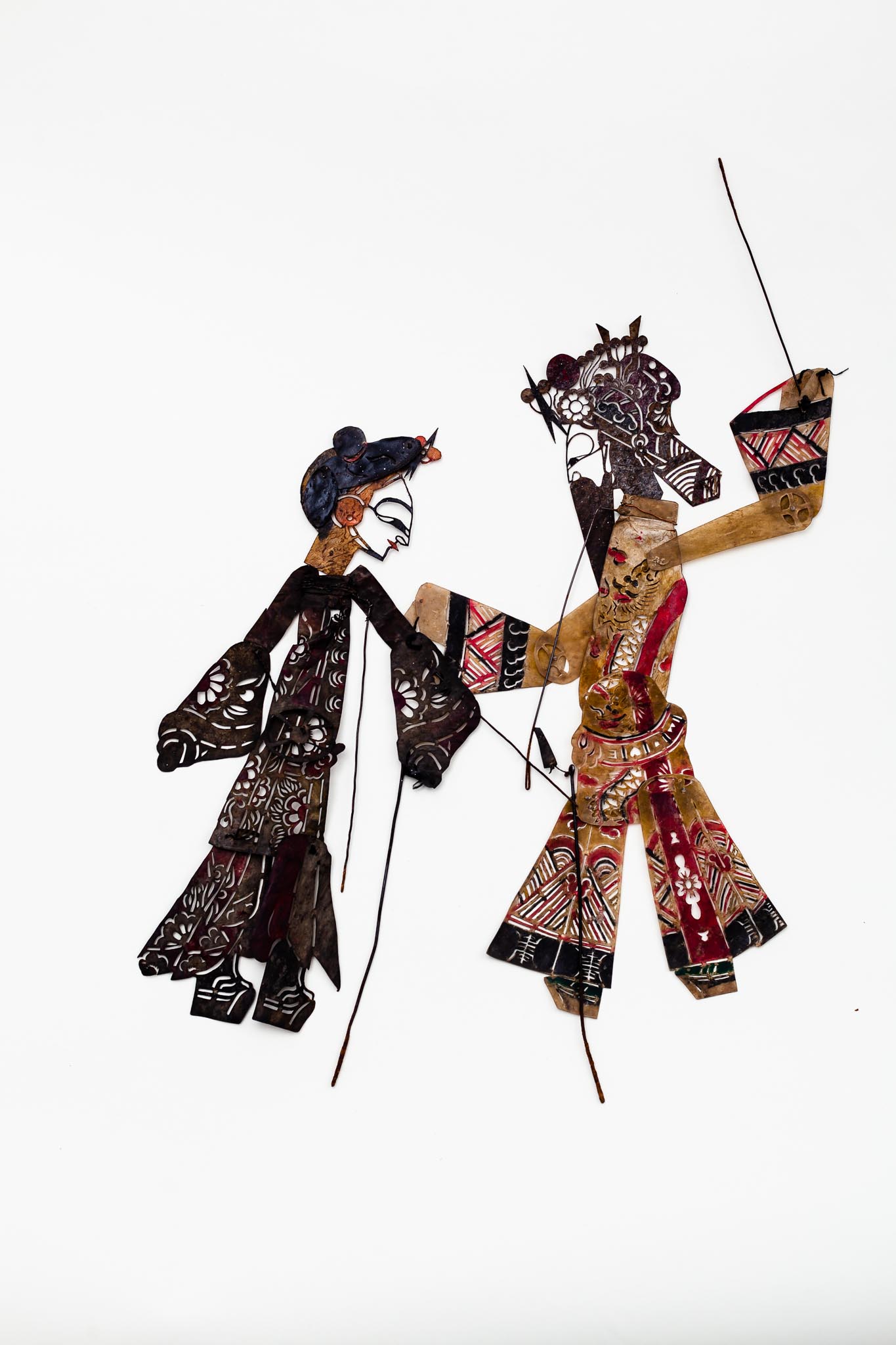
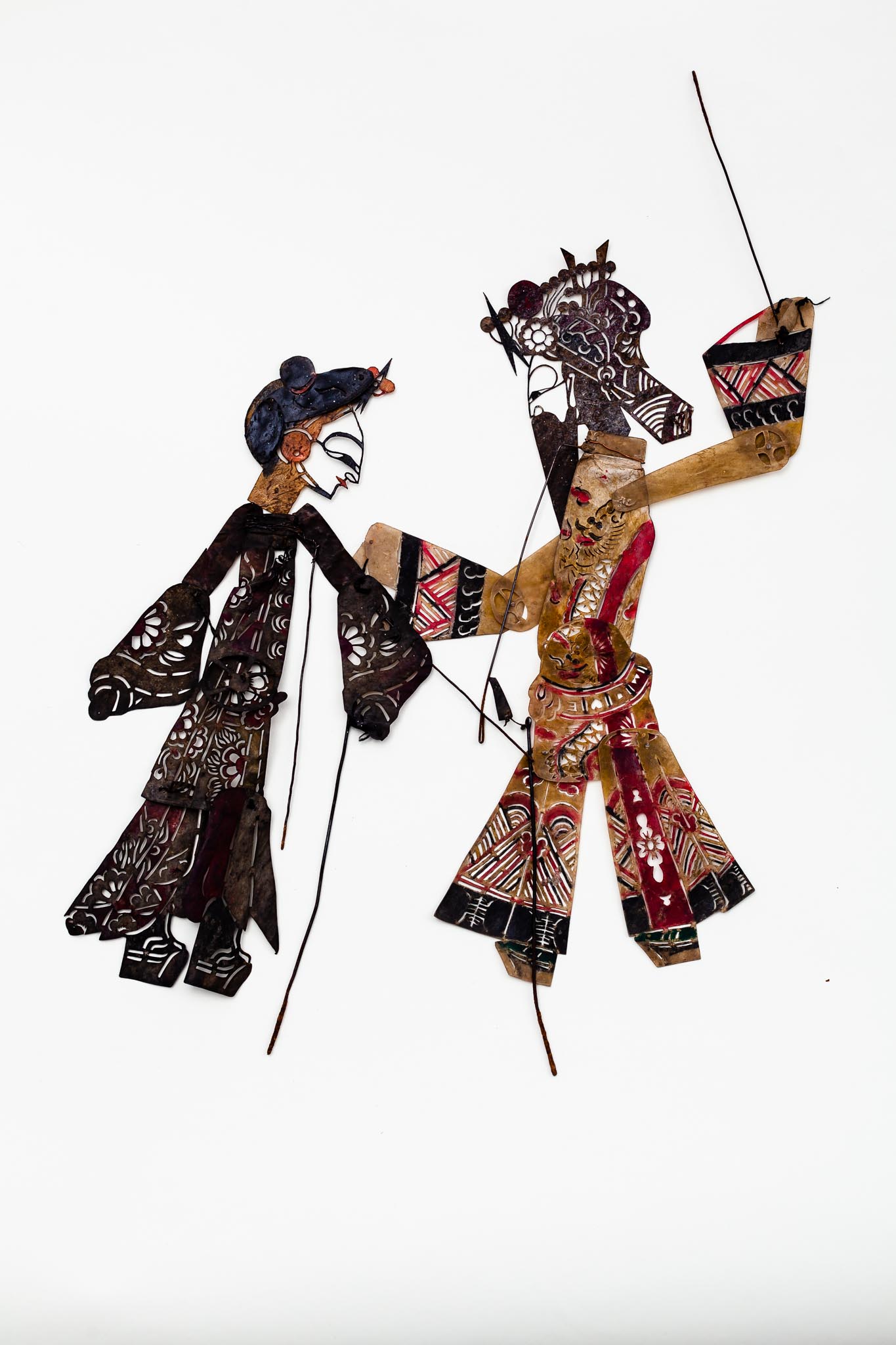
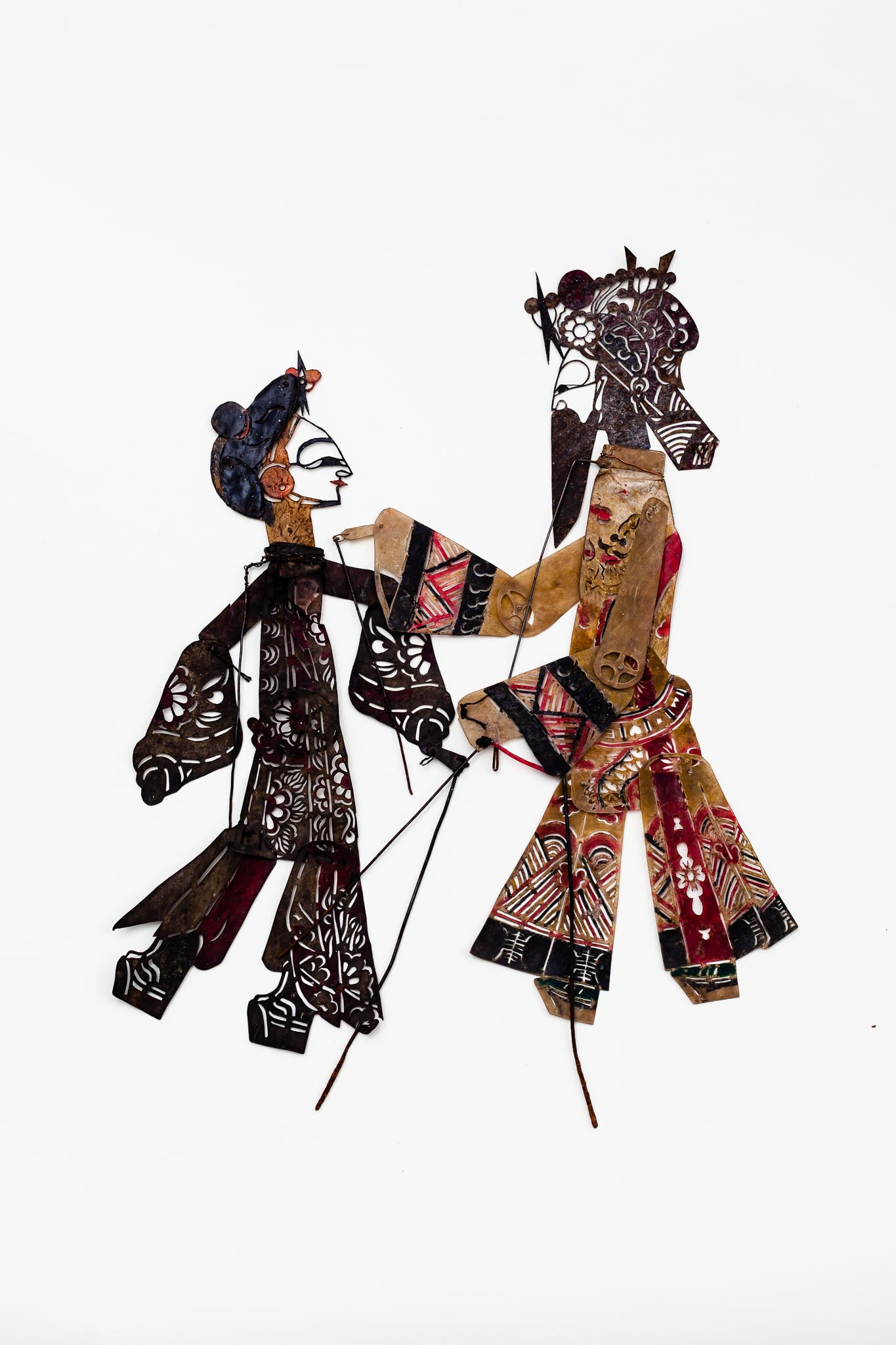
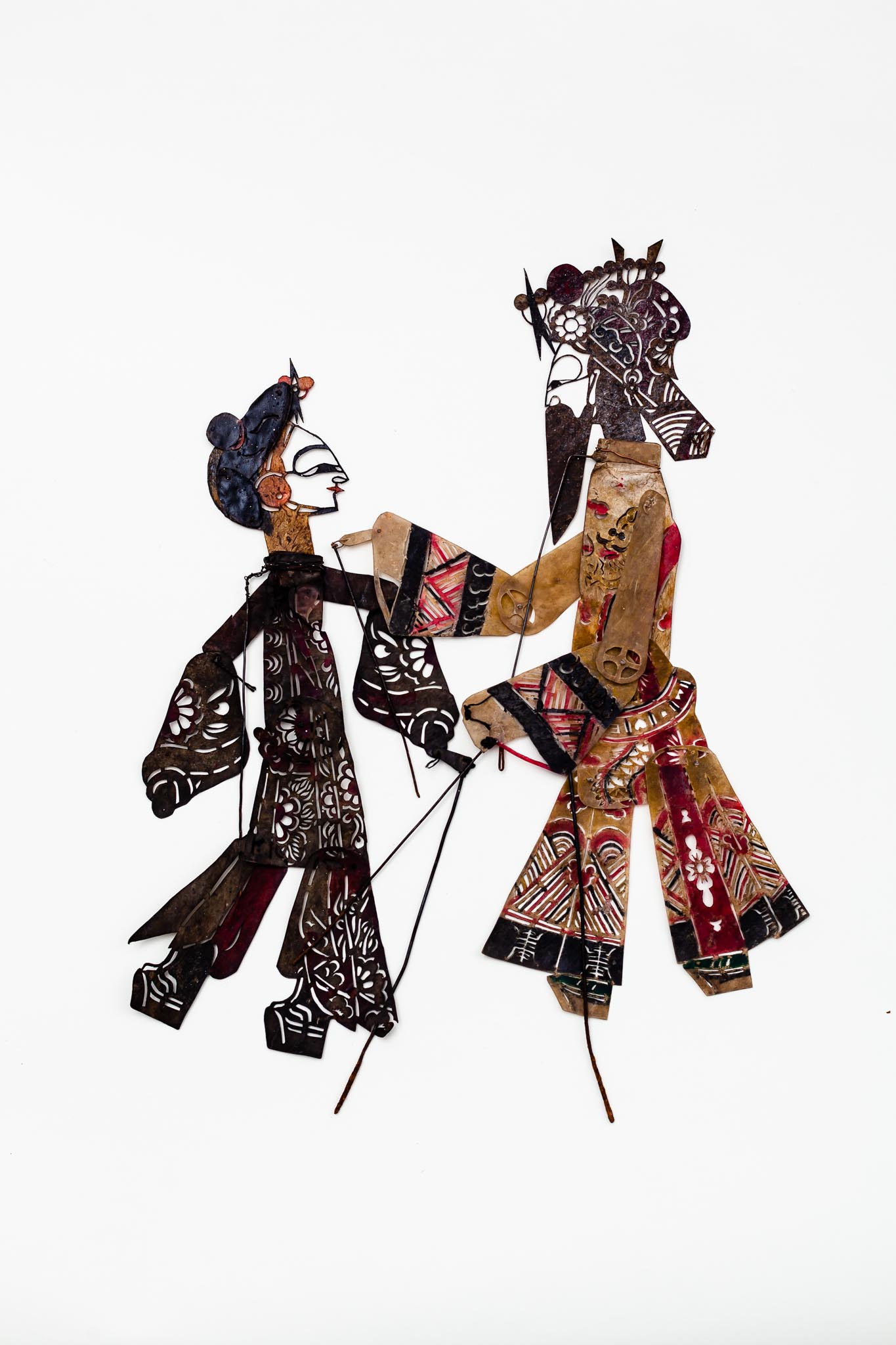
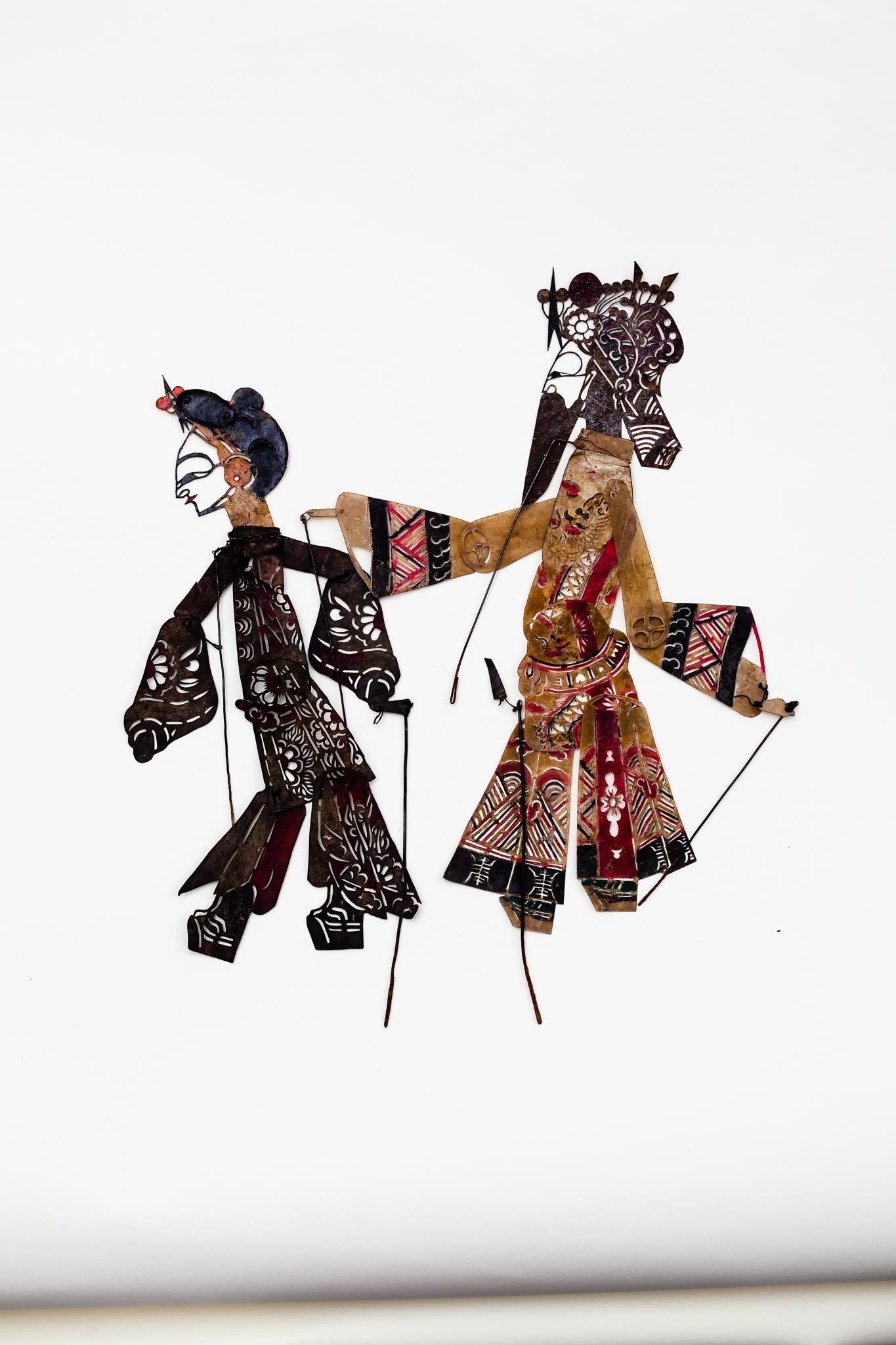
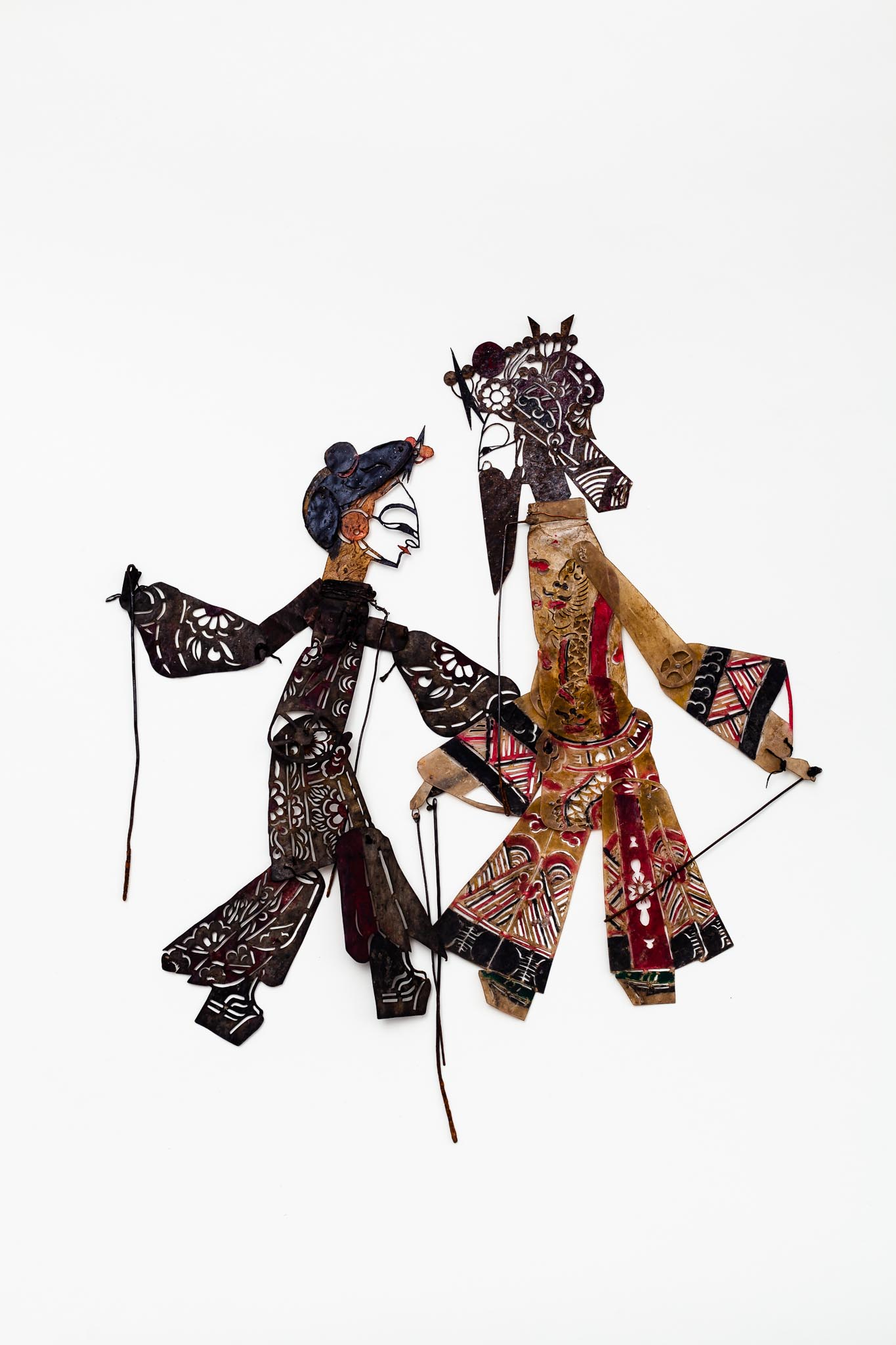
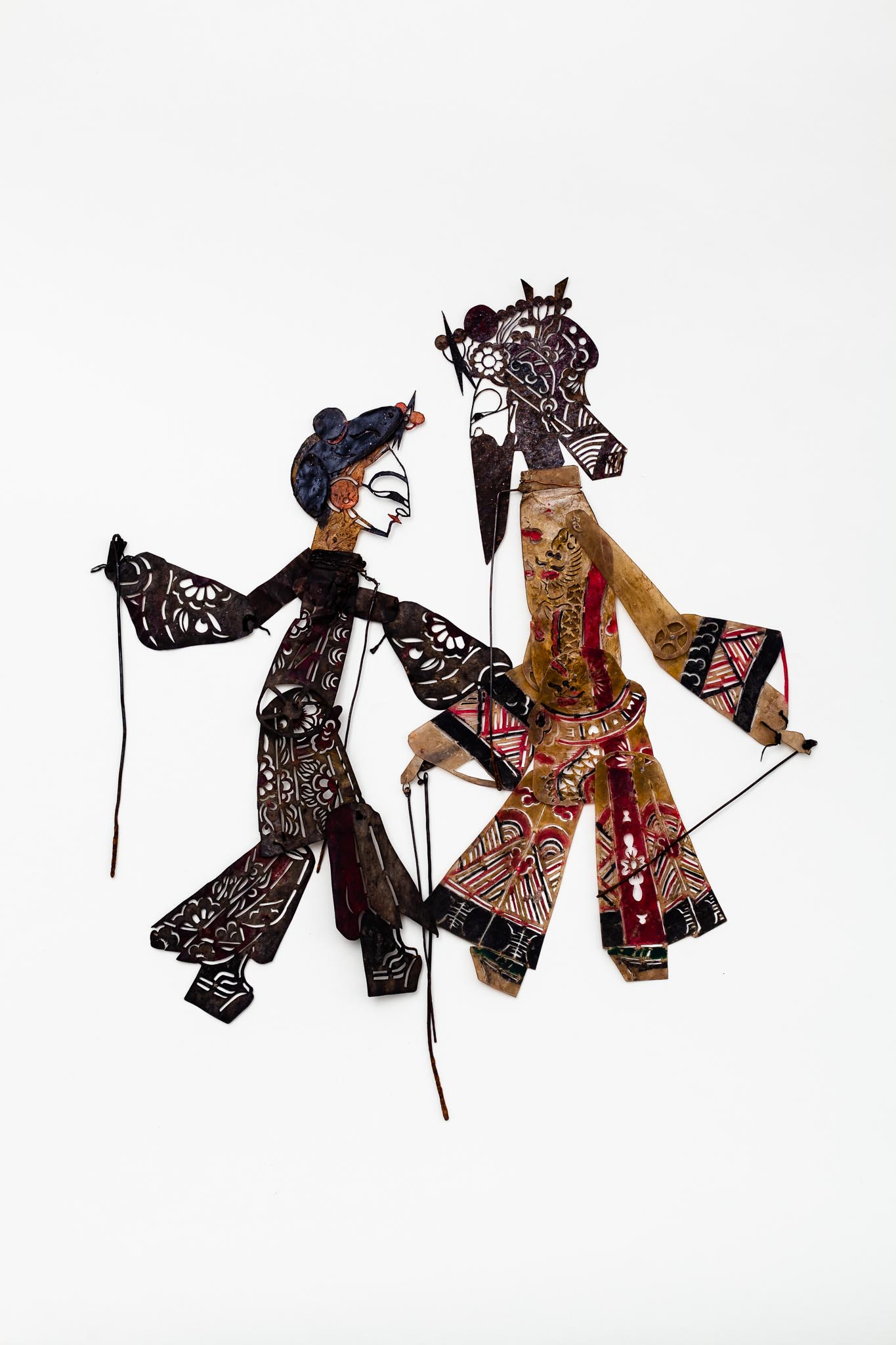
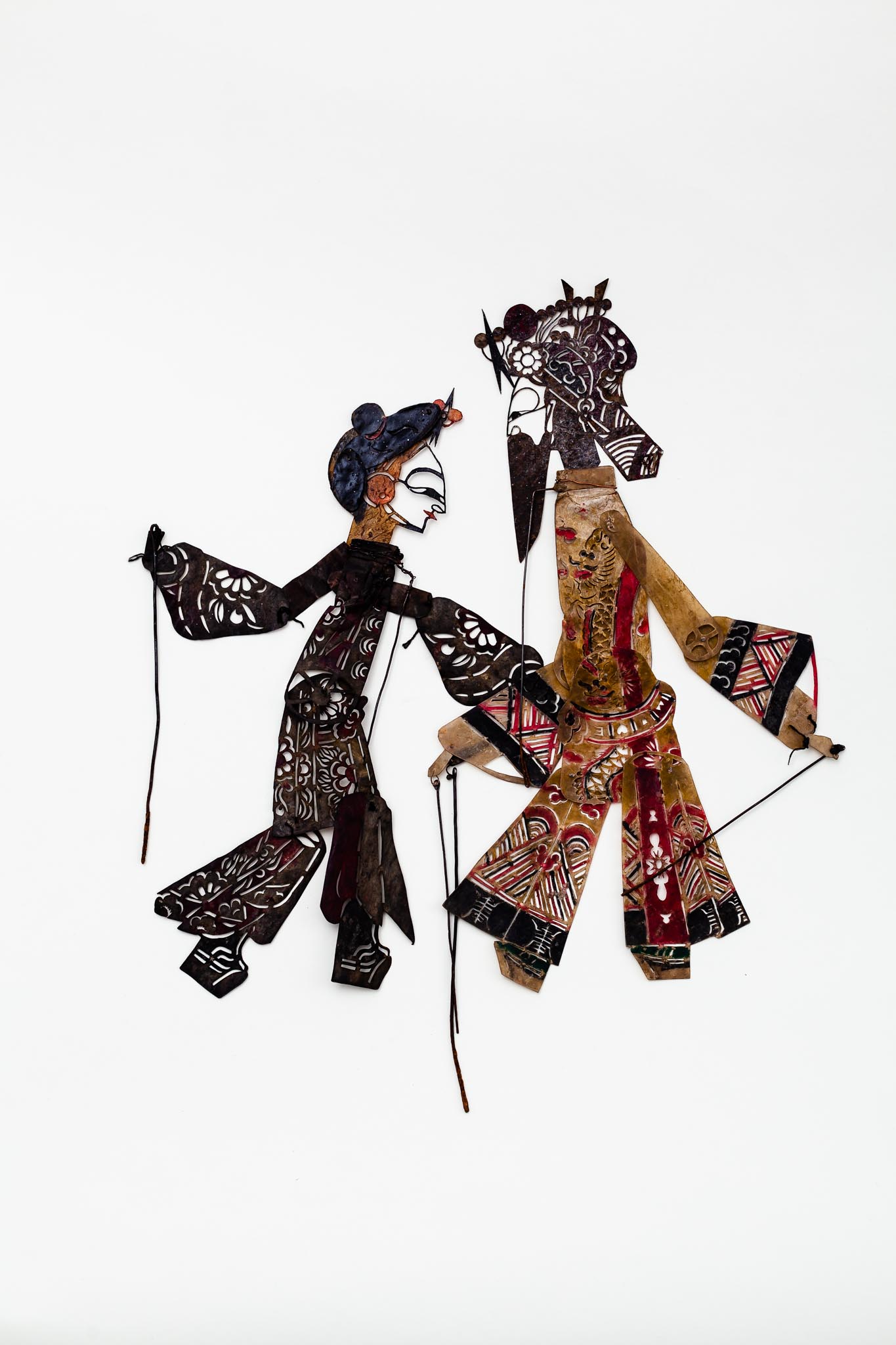
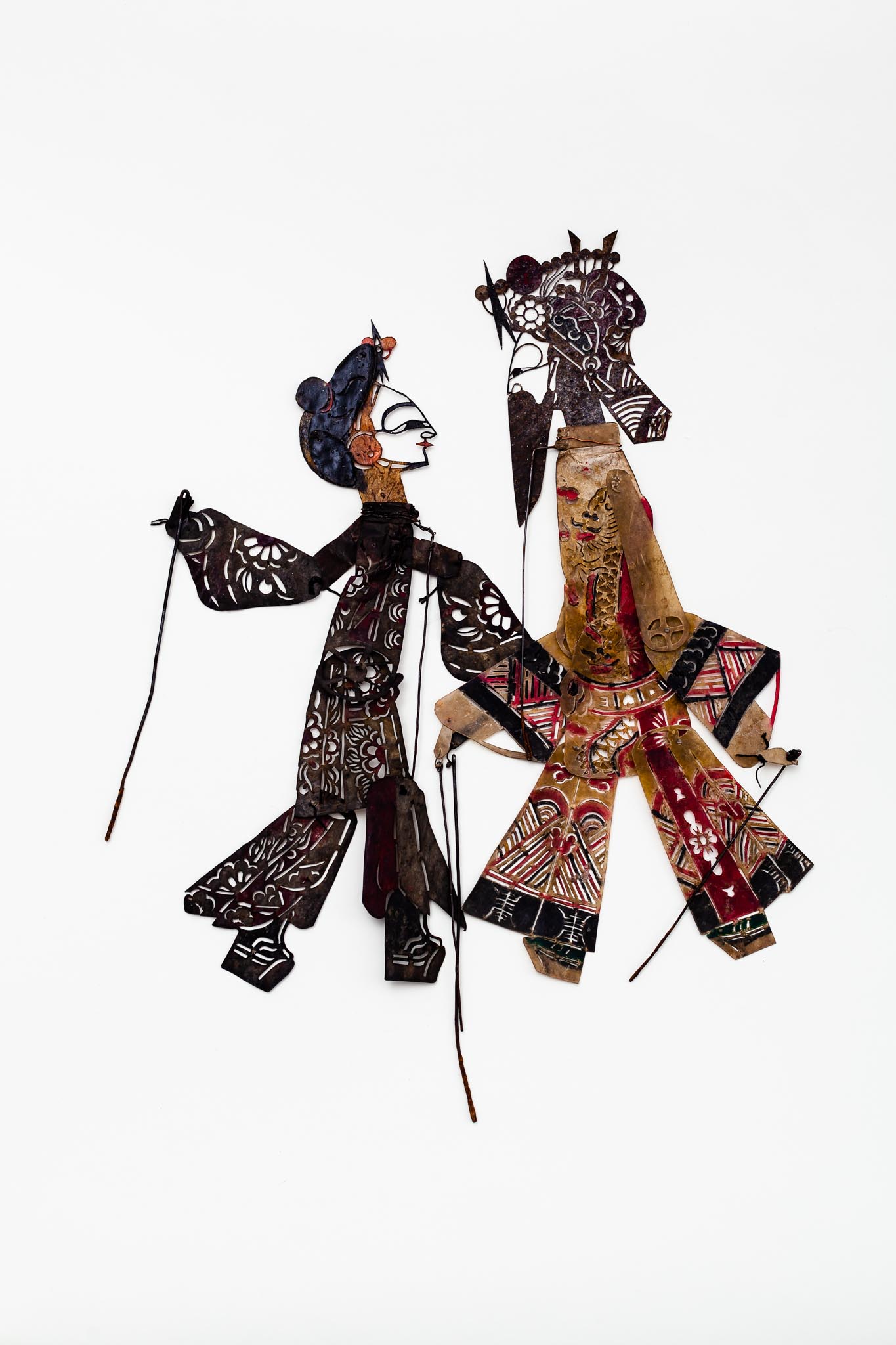
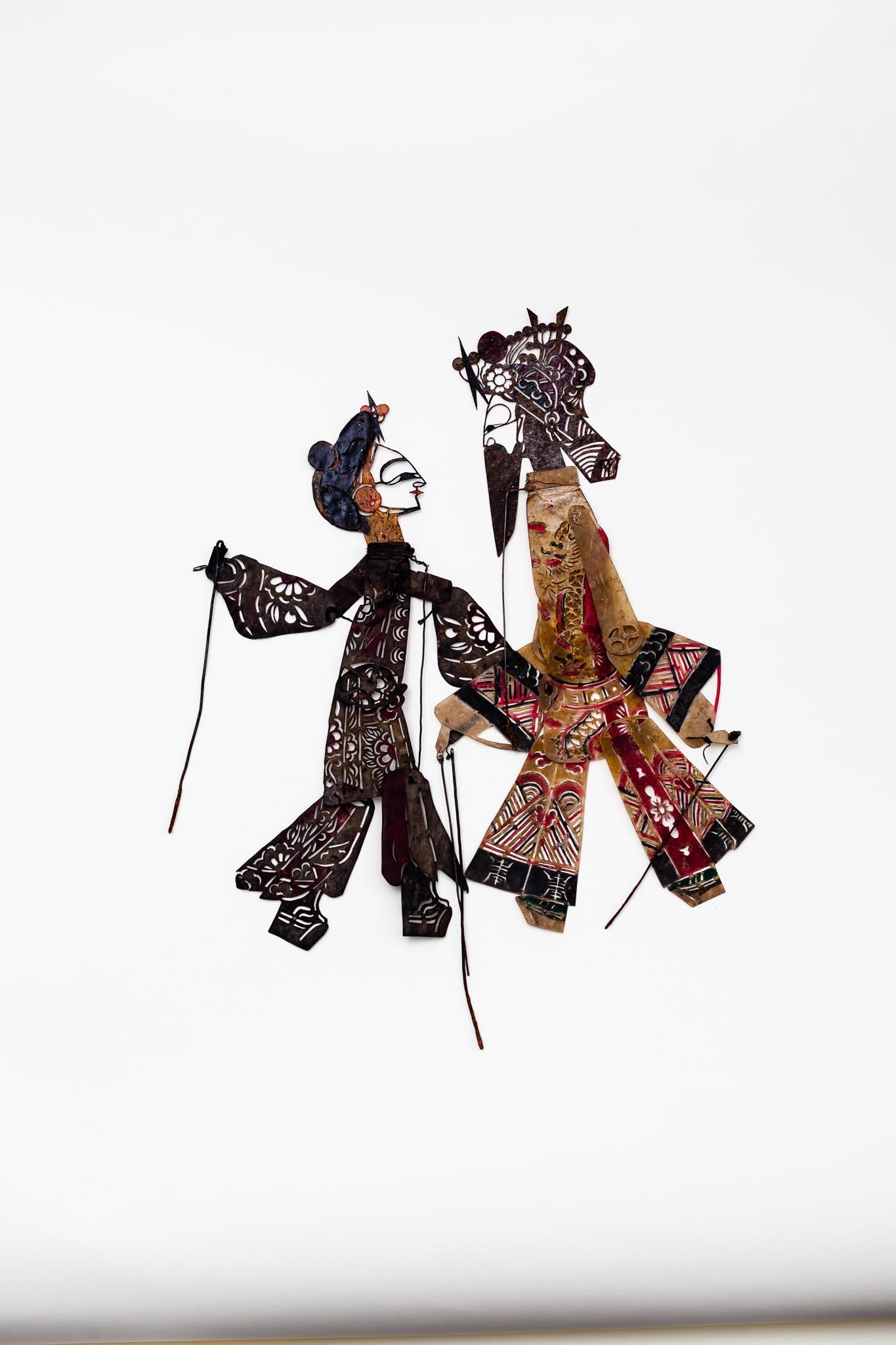
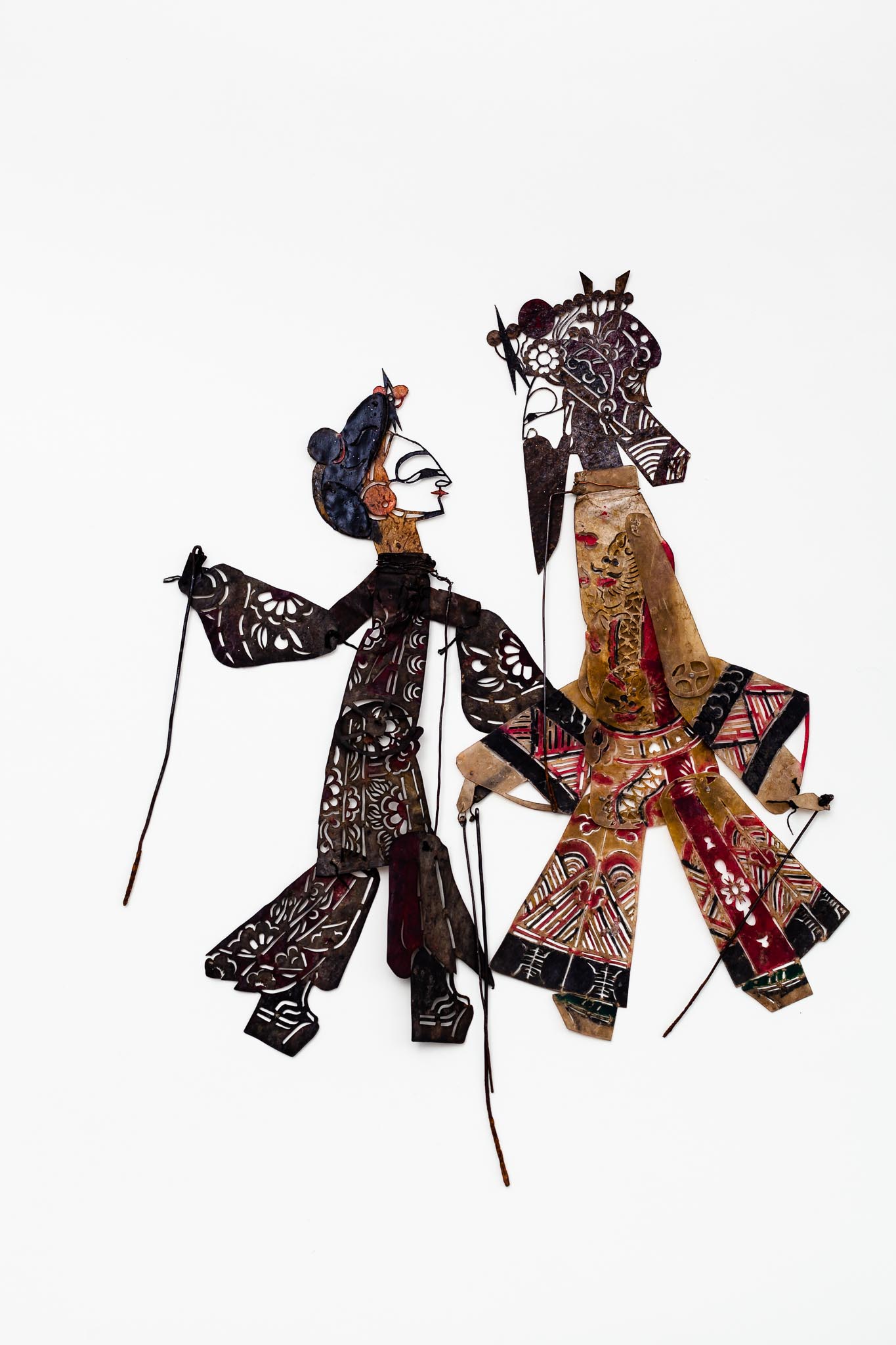
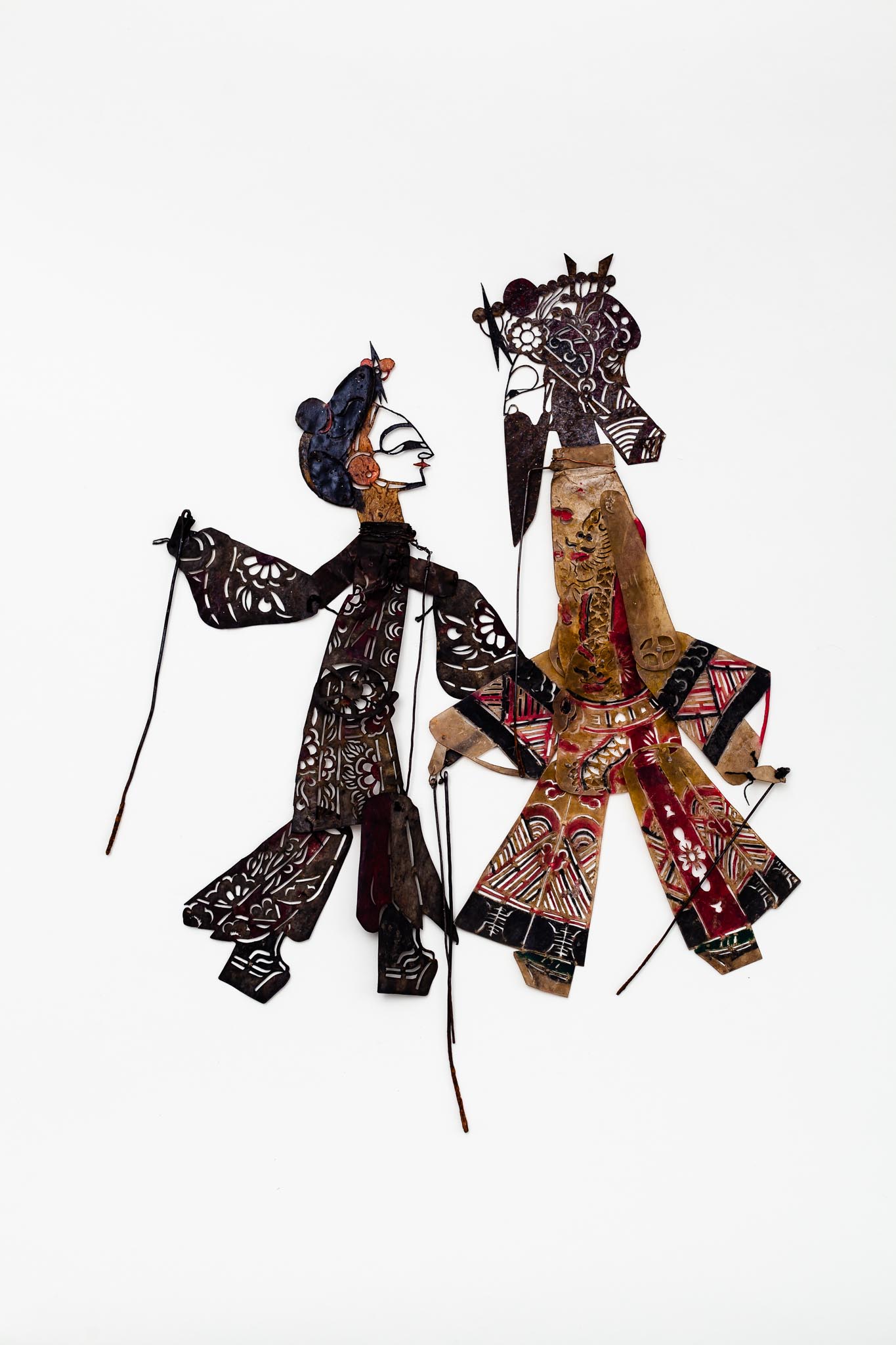
Shadow puppets and Processing Managed to shoot the puppets and put them through one Processing thing I learnt while on the course. I like the fact of making shadow puppets – an original moving image narrative device, far older than photography, but requires light – into still images, then animating the stills. Playing with time, back and forth. I suspect I will make a little very slow stop motion with them at some point – it won’t be very long. But it might be good for one of the texts I wrote. Or all of them? Who knows…

The following is all very rough, as playing. I will obviously need to make sure the dimensions of the sketch match the image in future. Below is a rough screen-recording of the Processing sketch and a screenshot of it at the end plus original image.

Screen Shot 2020-01-17 at 22.50.21.png

Shadow.jpg


BOW: A3 today’s plan & resulting contact sheet

IMG_1500

Front room trashed – wish I had studio space. Ah well…

Just bought some new printing materials to play with, will venture further afield to find more tomorrow

Plan today

Reshoot film cutting into flesh – Dawned on me I don’t need to shoot myself for this. It’s just too difficult. Will work with a friend Monday morning. 

Reshoot shadow puppets – Have done this morning, but only with one lamp and window light. See below. Think I might need a bit more light and no daylight on the white paper. Bit of tinkering in LR – needs tidying up in PS. But took several poses. Will use these to make a page for the dummy and think about lighting a bit more. 

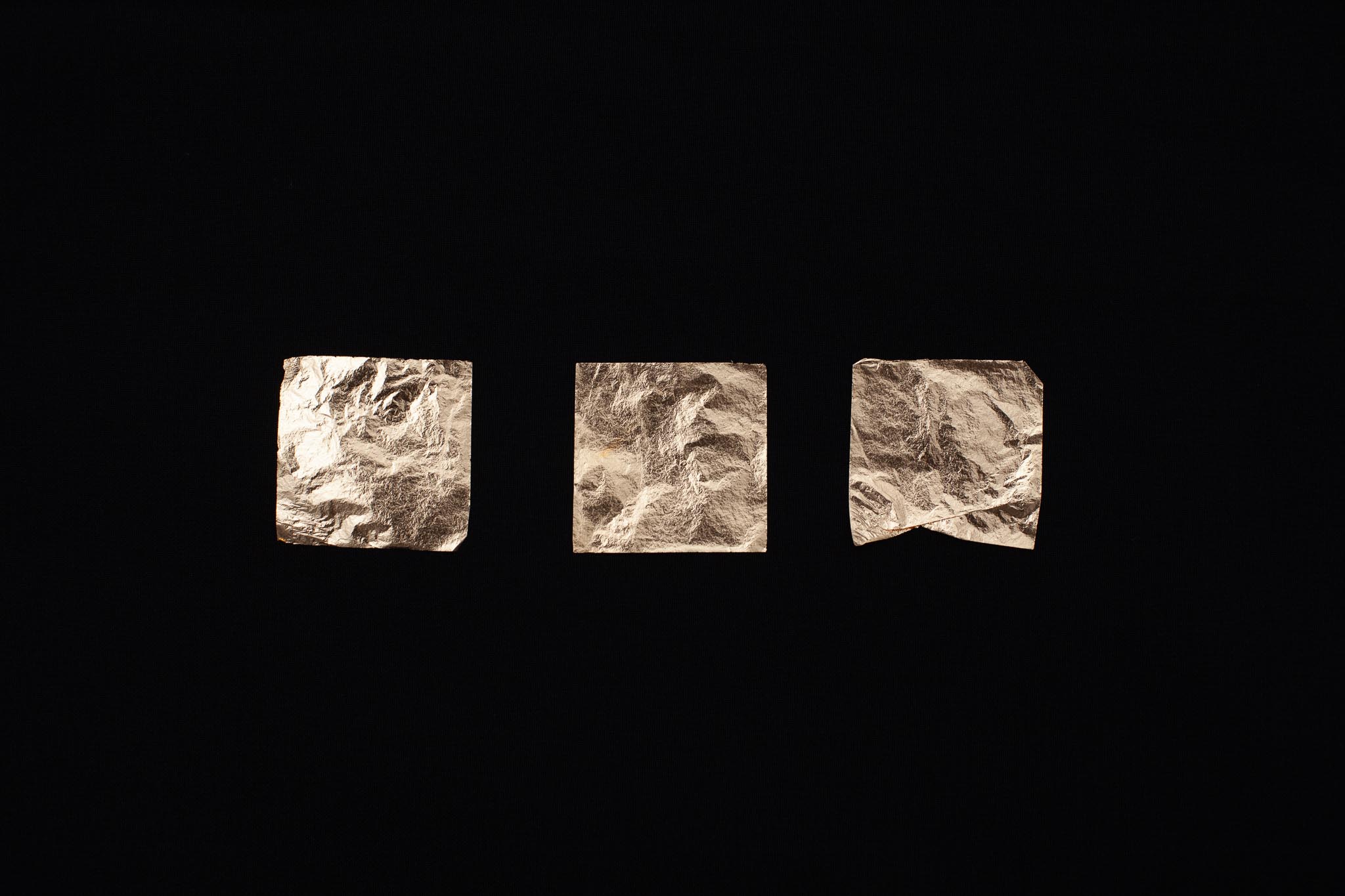
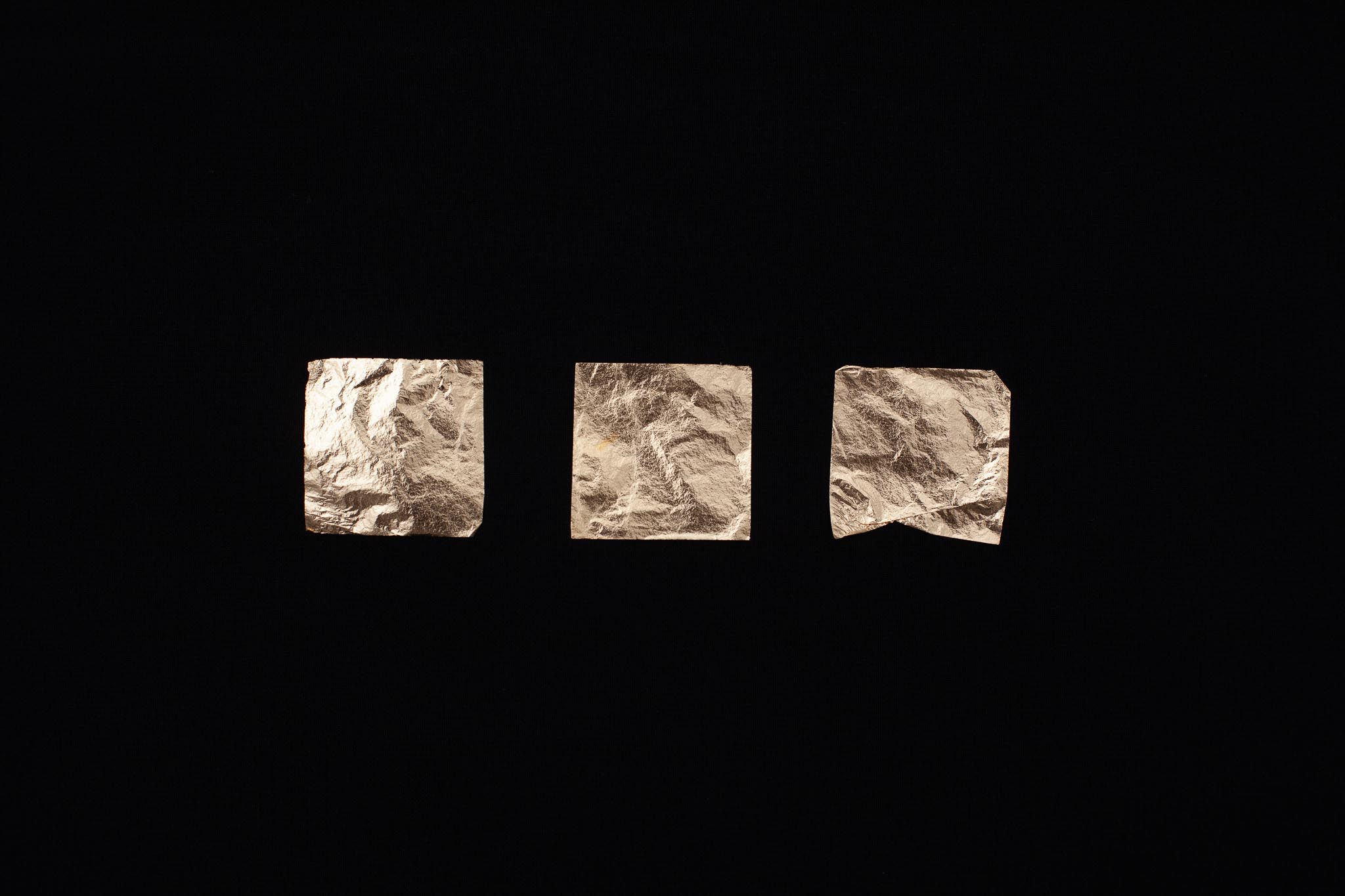
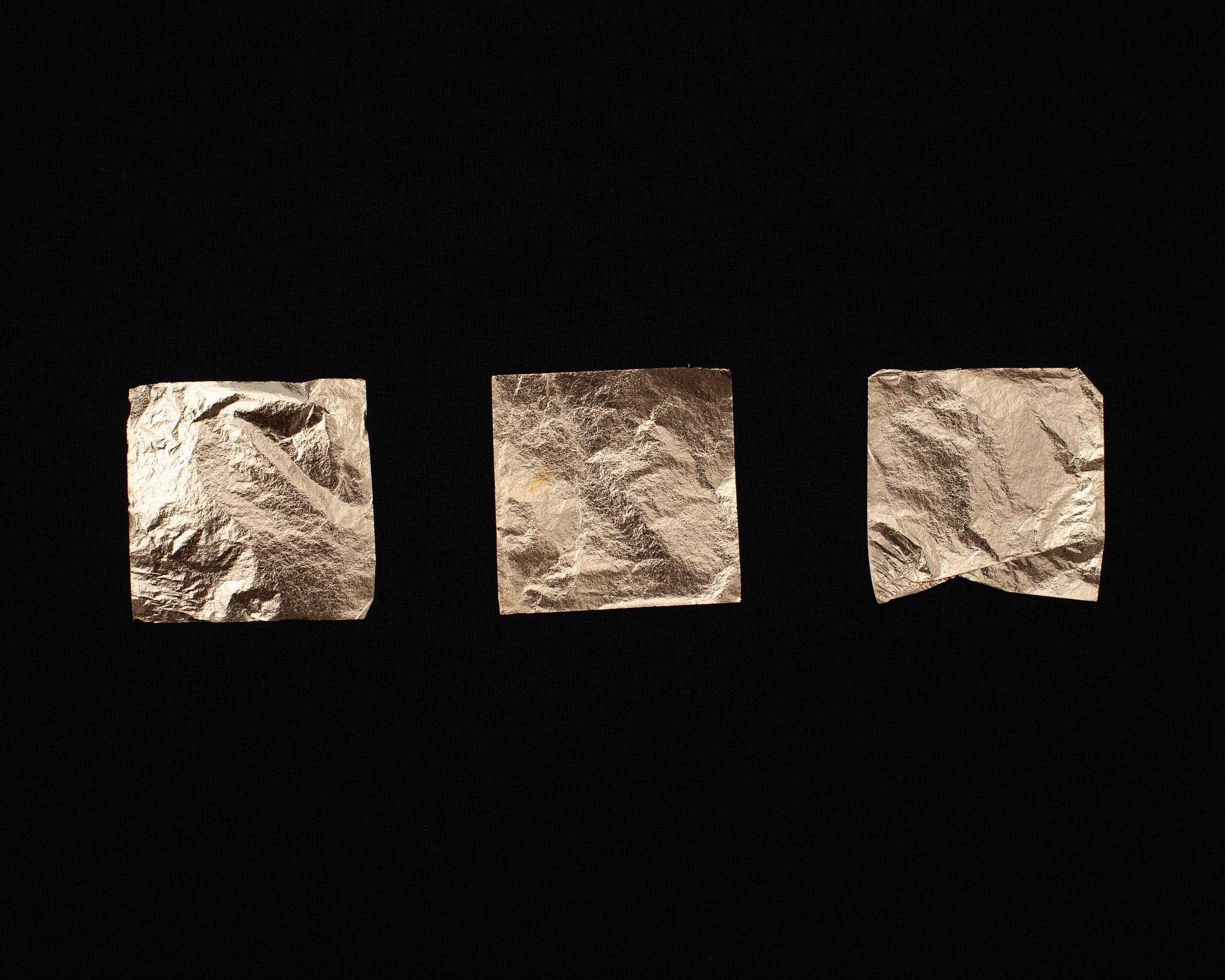
Reshoot gold leaf squares – proper exposure – Spent ages looking for a very bright pink silk dress I am sure I still own to put the leaf squares on but couldn’t find it so stuck with black cloth. But better exposed. Barely touched in LR. (First image cropped only and a small amount of vibrance increased) 

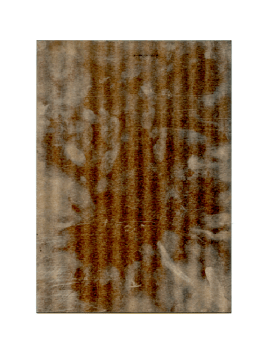
Ditto photographic plate – Can’t get this one right at all. Tried scanning on my Epson scanner, which isn’t terribly pretty  – makes it look quite weird, waves of light bouncing off the silver surface not ideal for the poor scanner


Screen Shot 2020-01-17 at 13.54.06
Screenshot of my own scanner preview  – back of the plate, not terribly pretty, but it coped very well with the other side which has an image and is coated with developing chemicals, fixer etc. but a not very good picture of me is not what I’m after – so will keep trying with the blank side.


Shoot gold fringe curtain in woods (if not raining) – didn’t get time to do this

Print, cut, slice, glue – create dummy booklet with what I have so far – I’ve put things in place but not glued as still have things to shoot and photograph 

Order gold face/body paint – done 

Find old film about gold mining in SA, print screenshot if appropriate image can be found possibly for dummy book – something to do over the weekend

Make circle, print and cut out for cover – still to do, not sure if I want it now, maybe

Tonight reshoot lightbox like cinema screen slow shutter speed to make light glow around box – I will do this tomorrow as have just completed cutting, printing, etc. exhausted! 

Have postponed taking camera to Fixation to fix hot-shoe till Monday – too much to do.

Contact sheet from earlier today – some strange random ordering for some reason.. (not asked for it!)

BOW: A3 contact sheet, film strip/blade

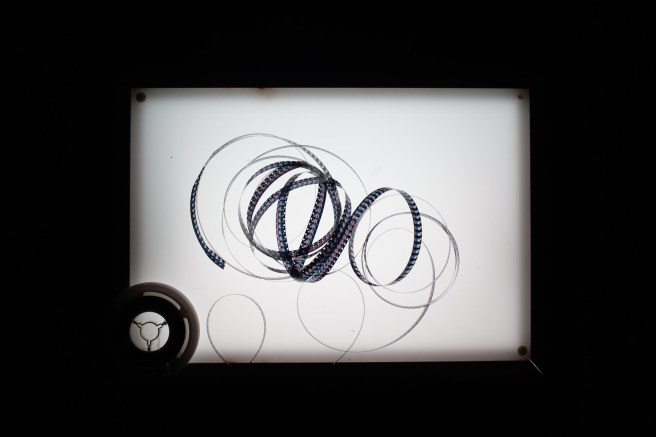
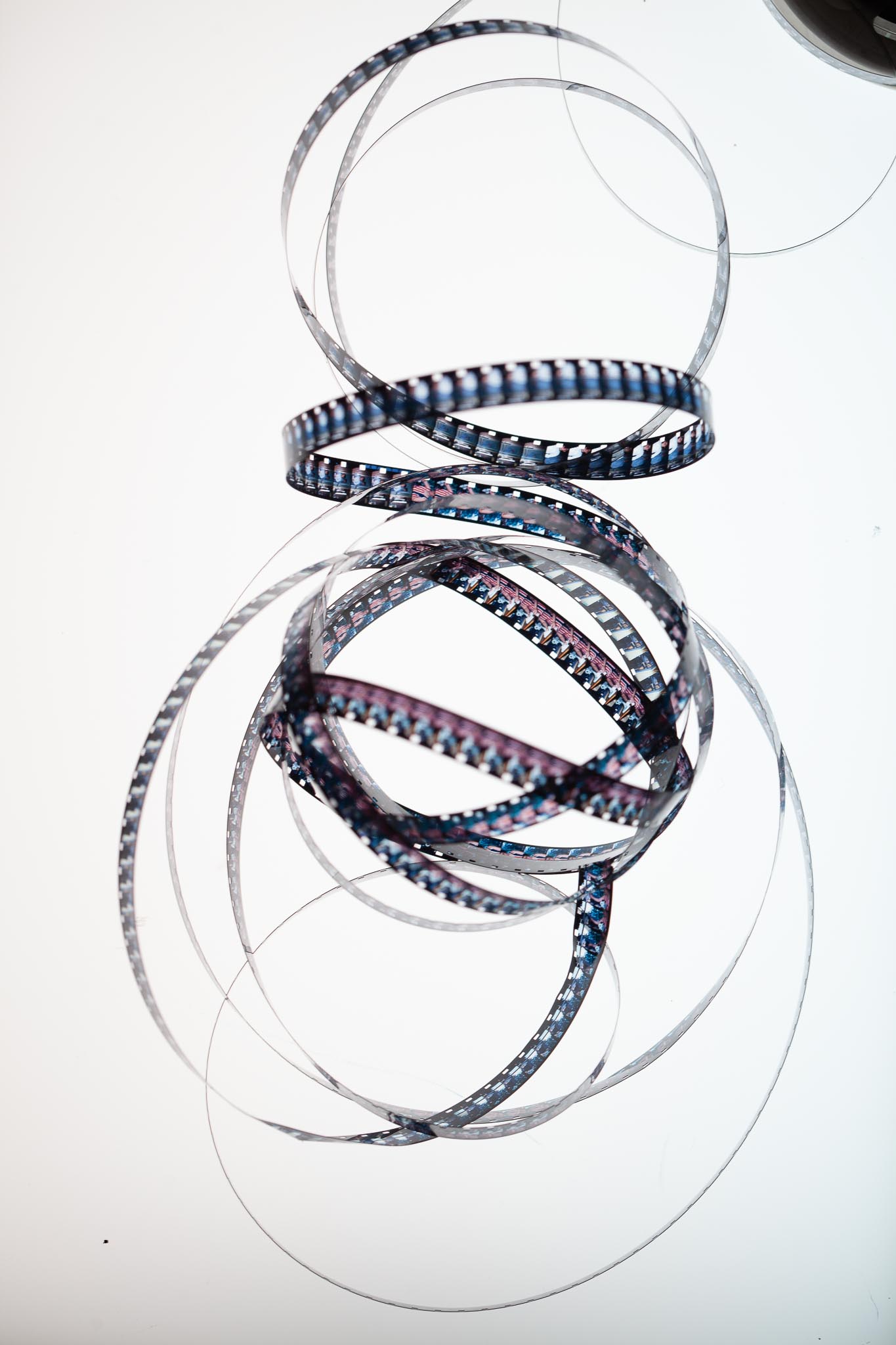
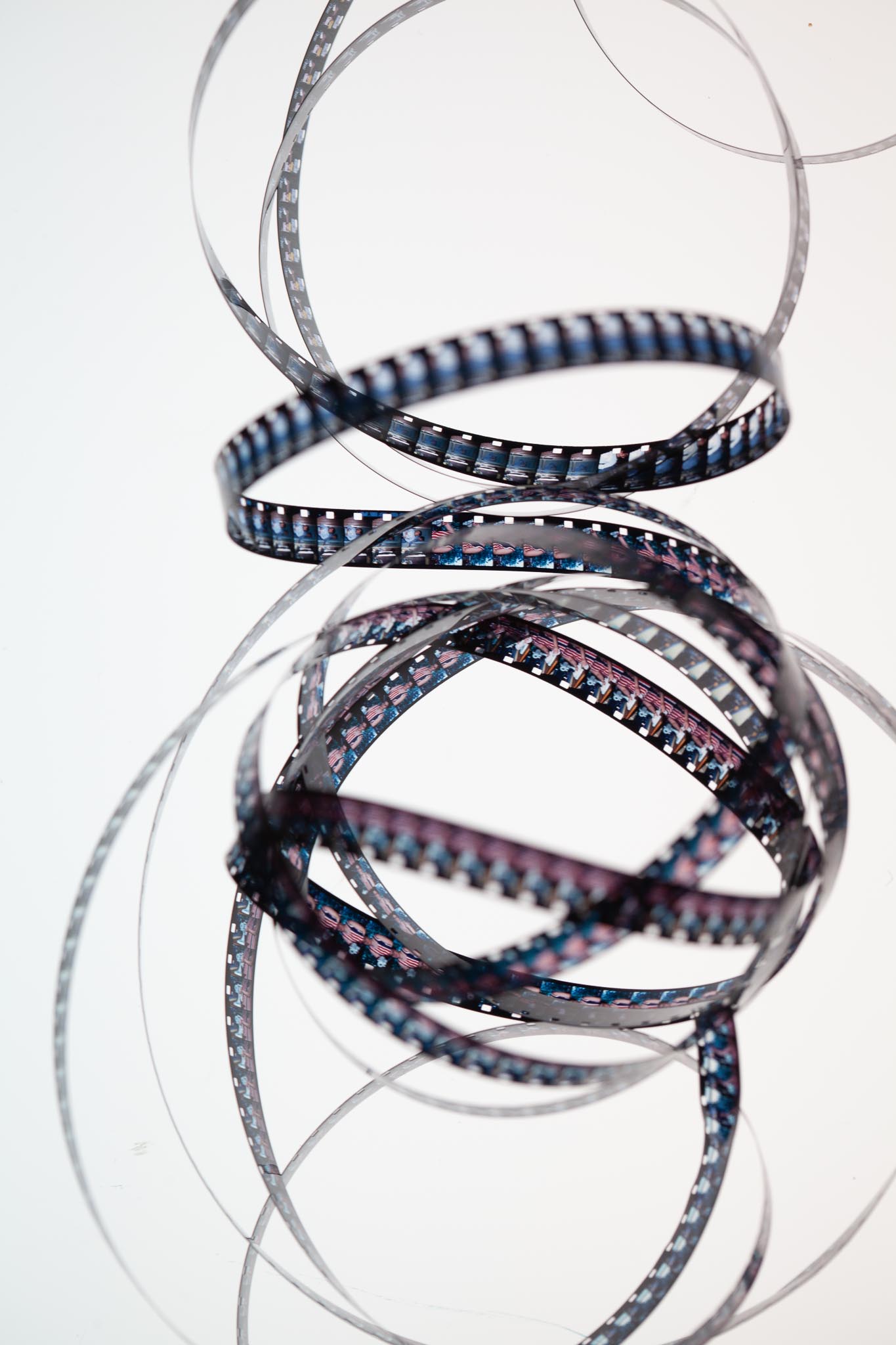
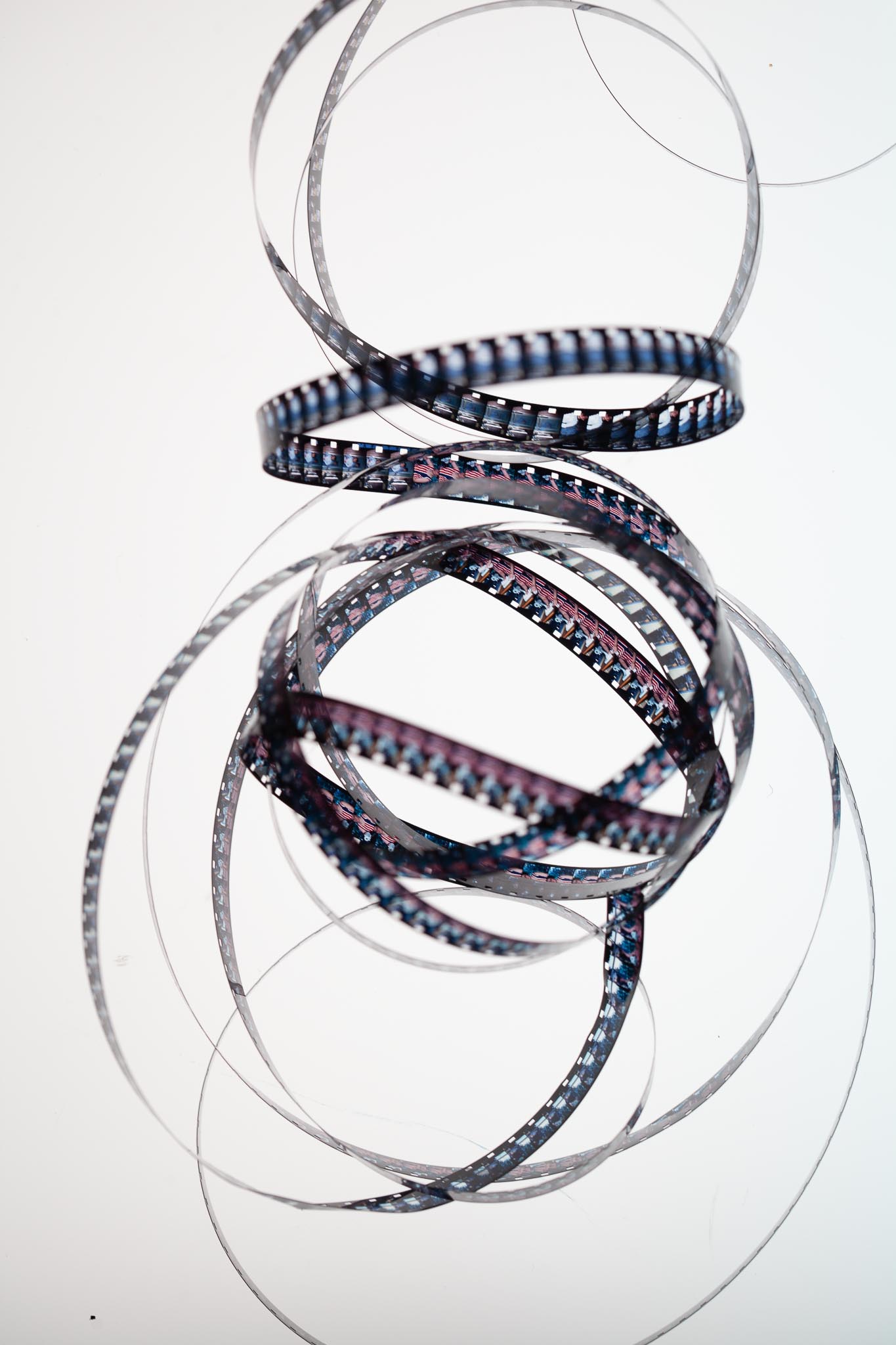
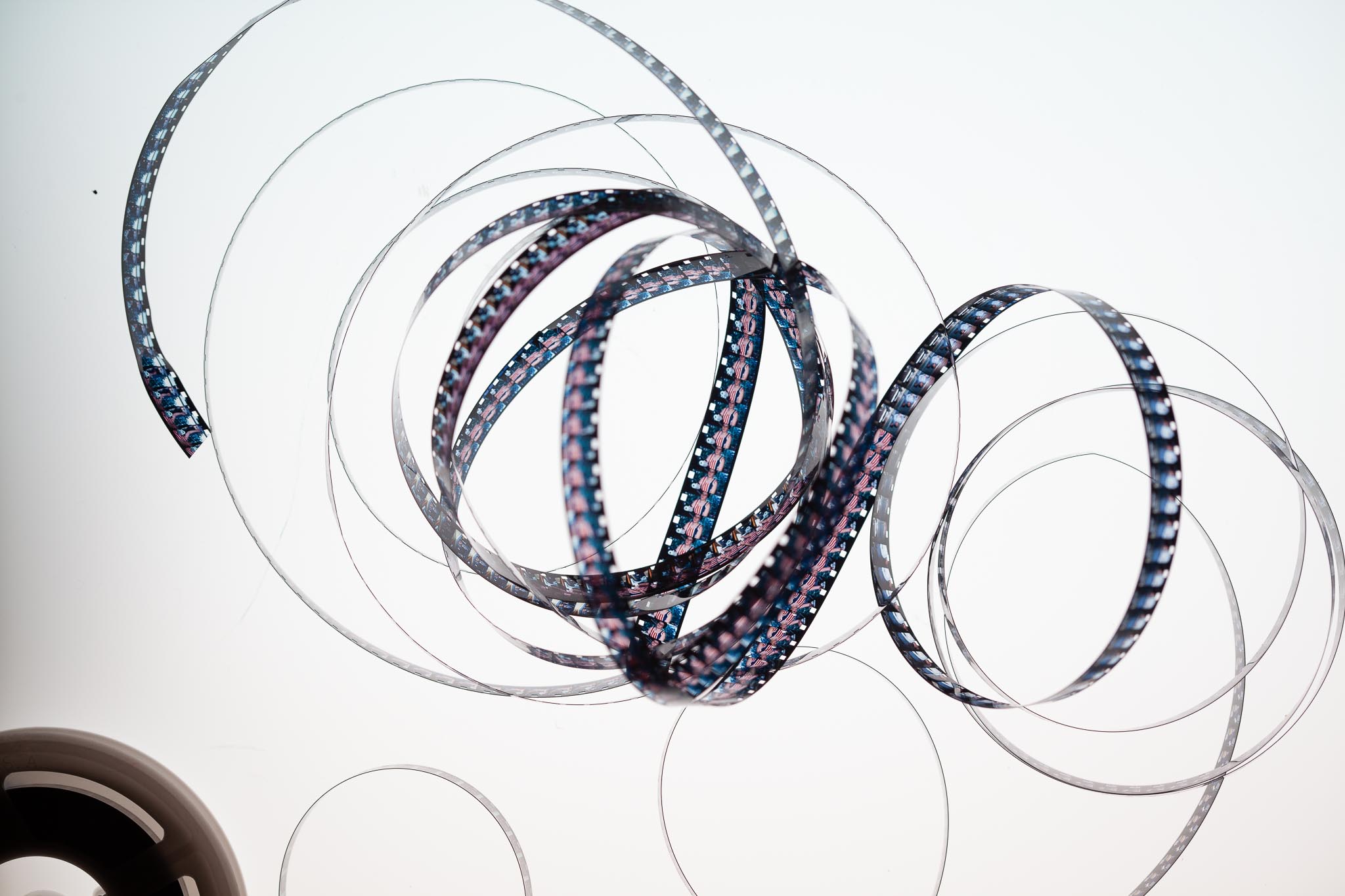
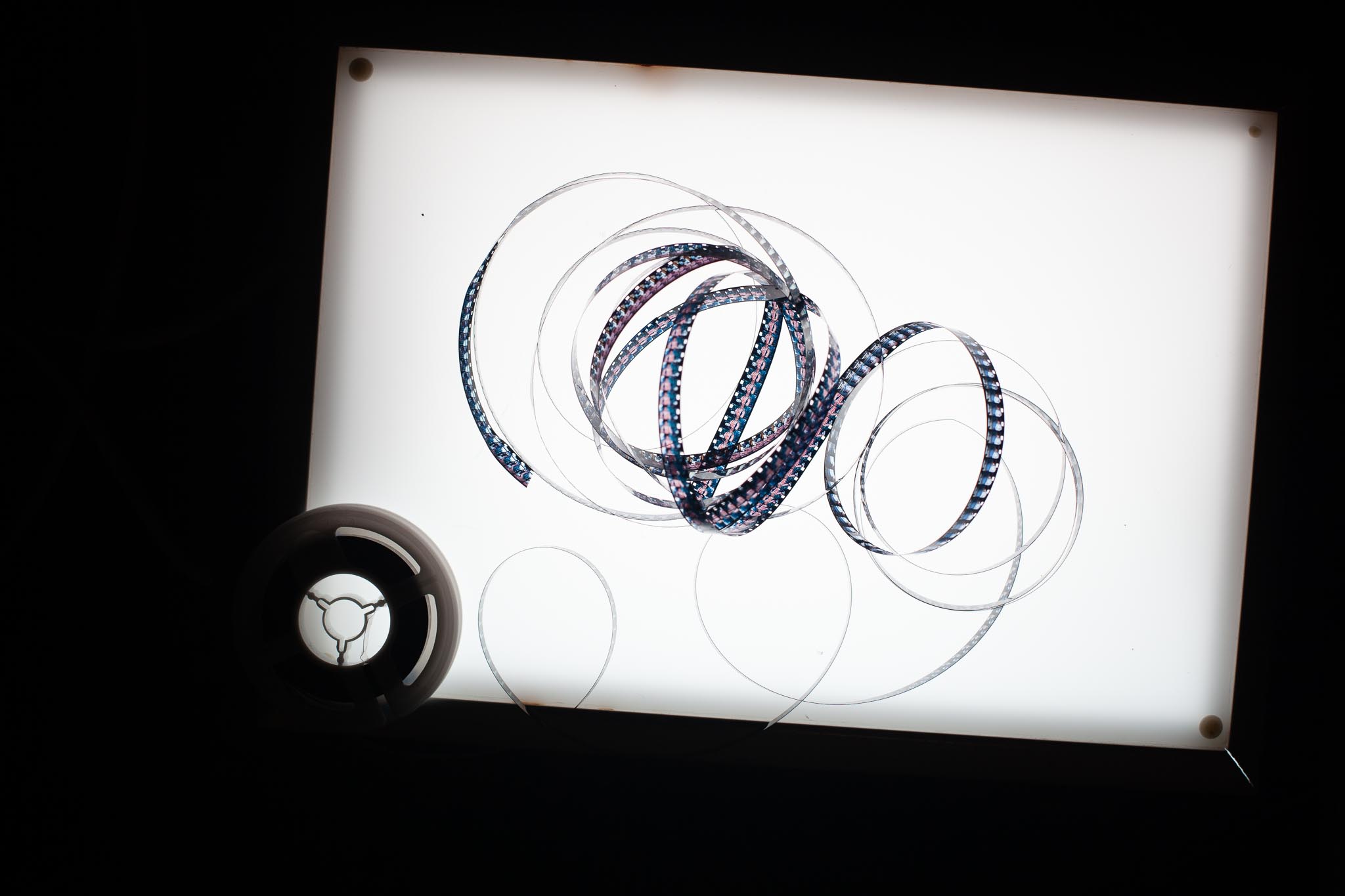
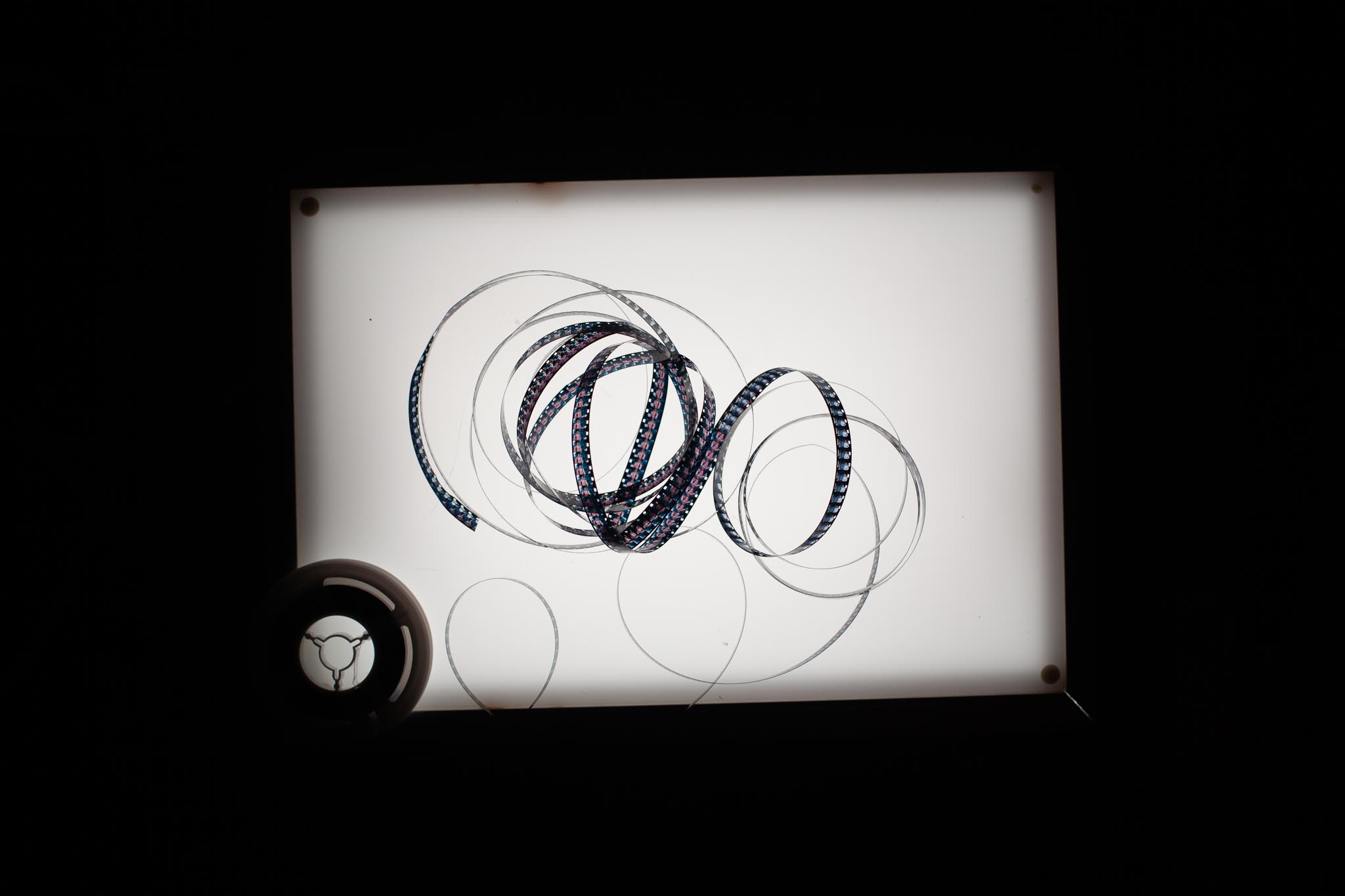
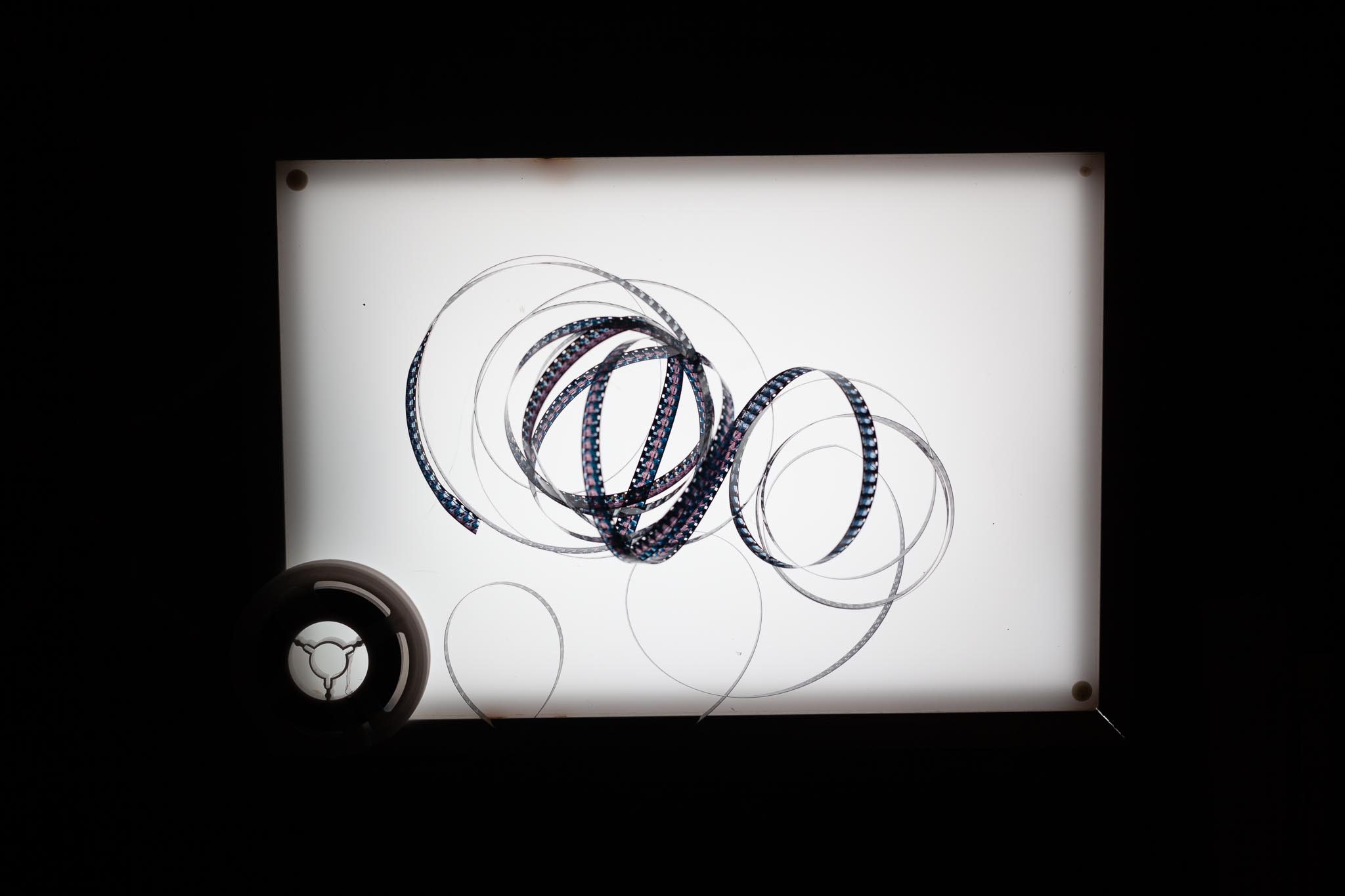
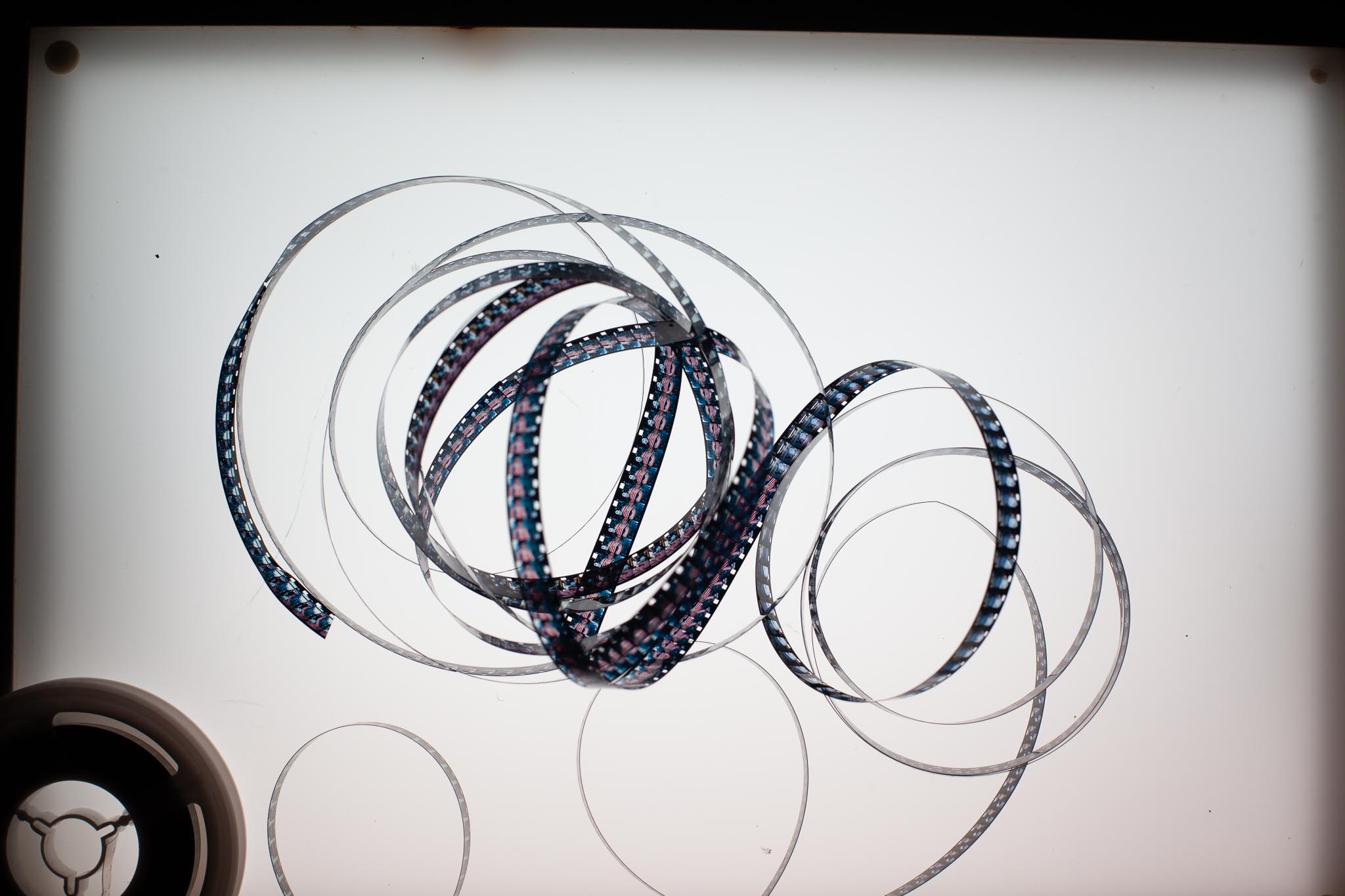
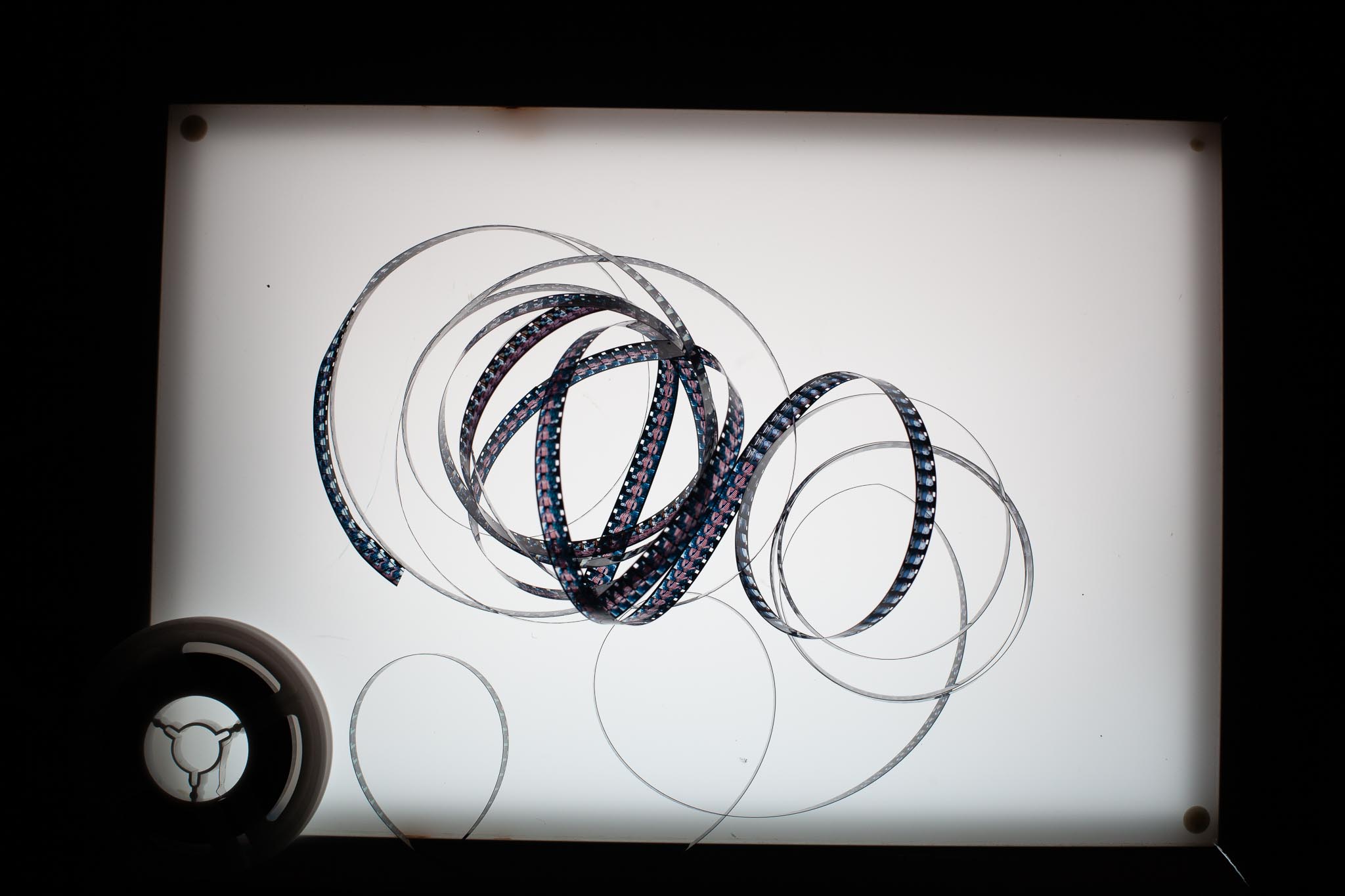
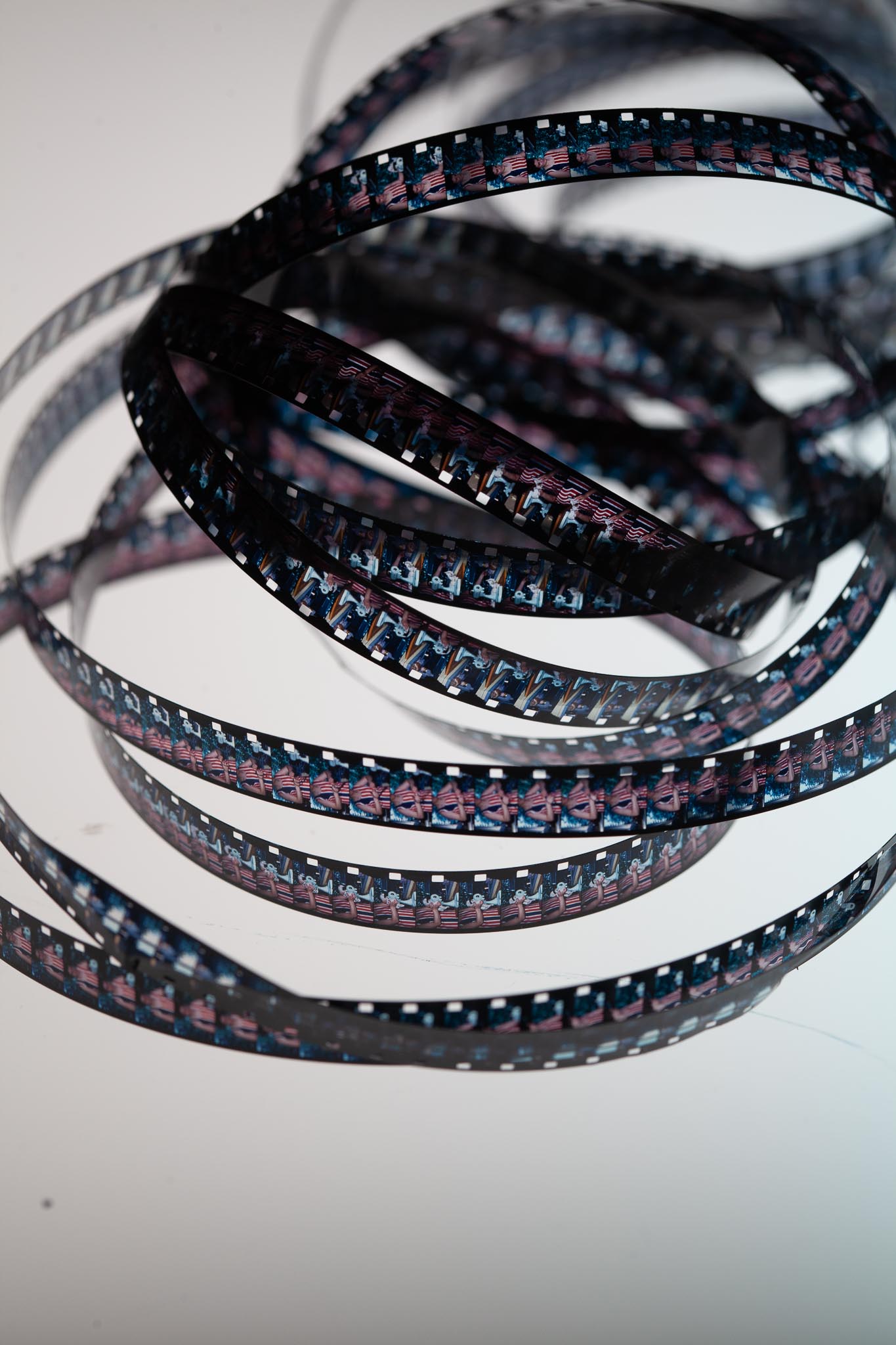
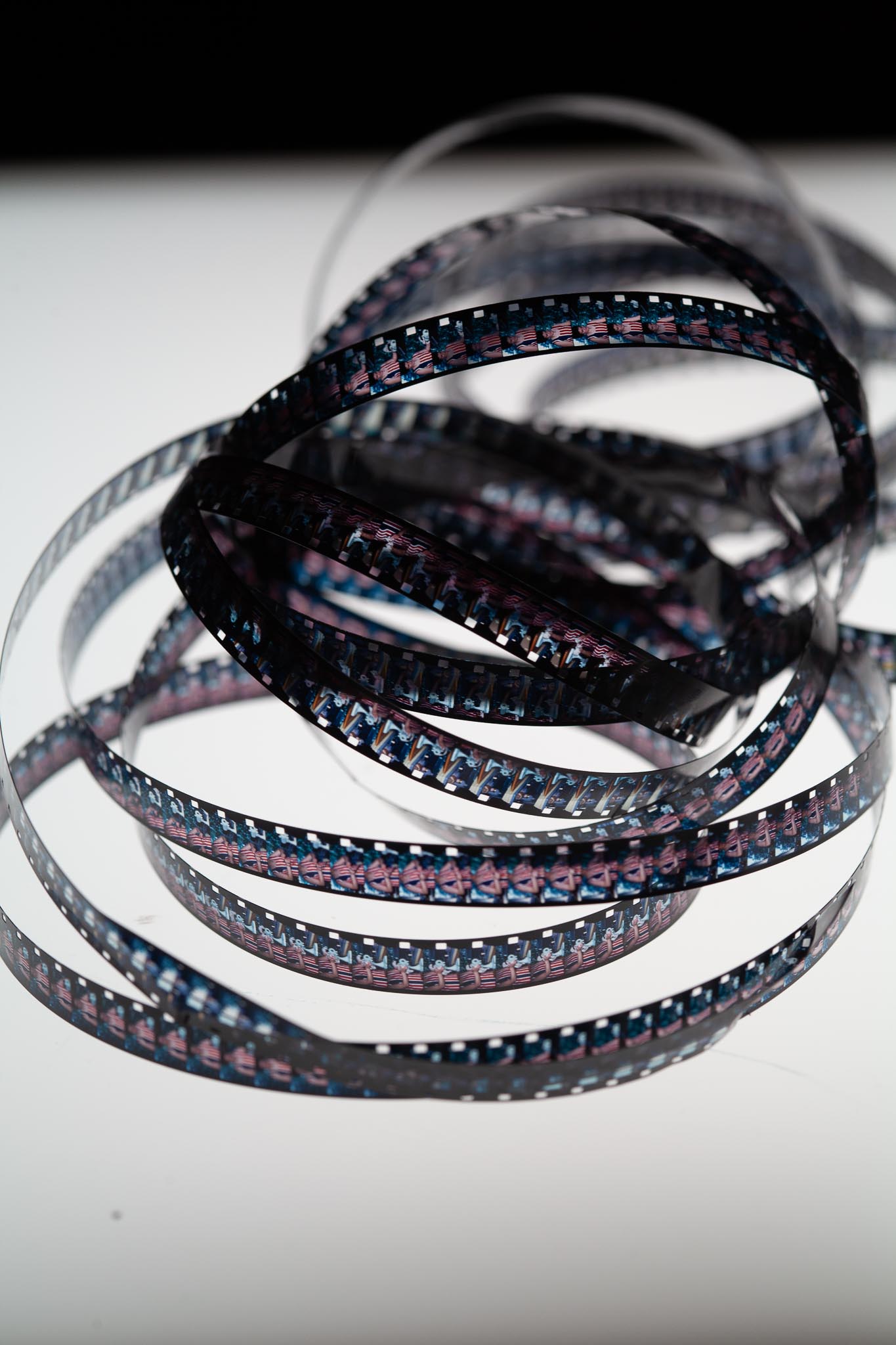
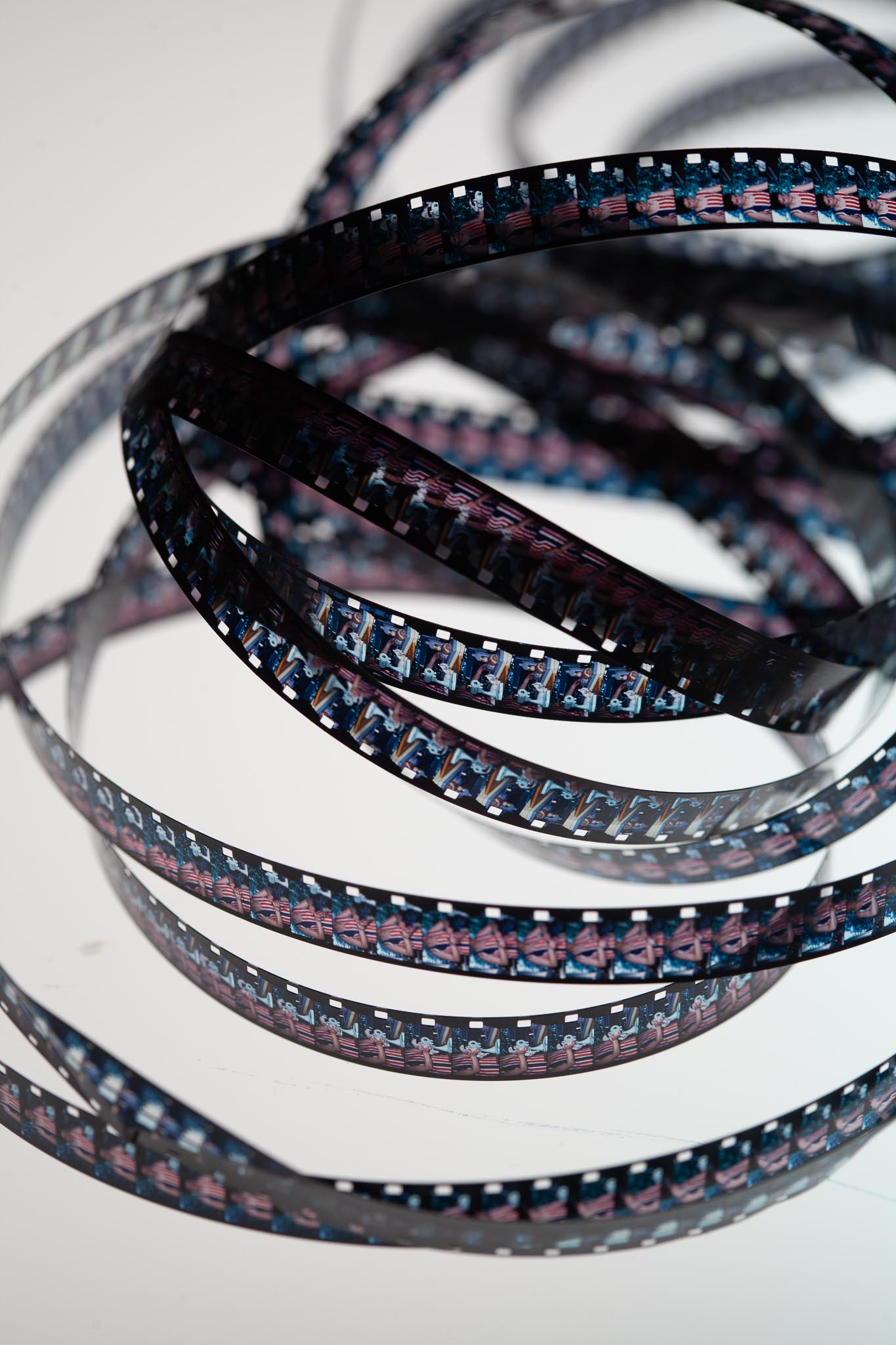
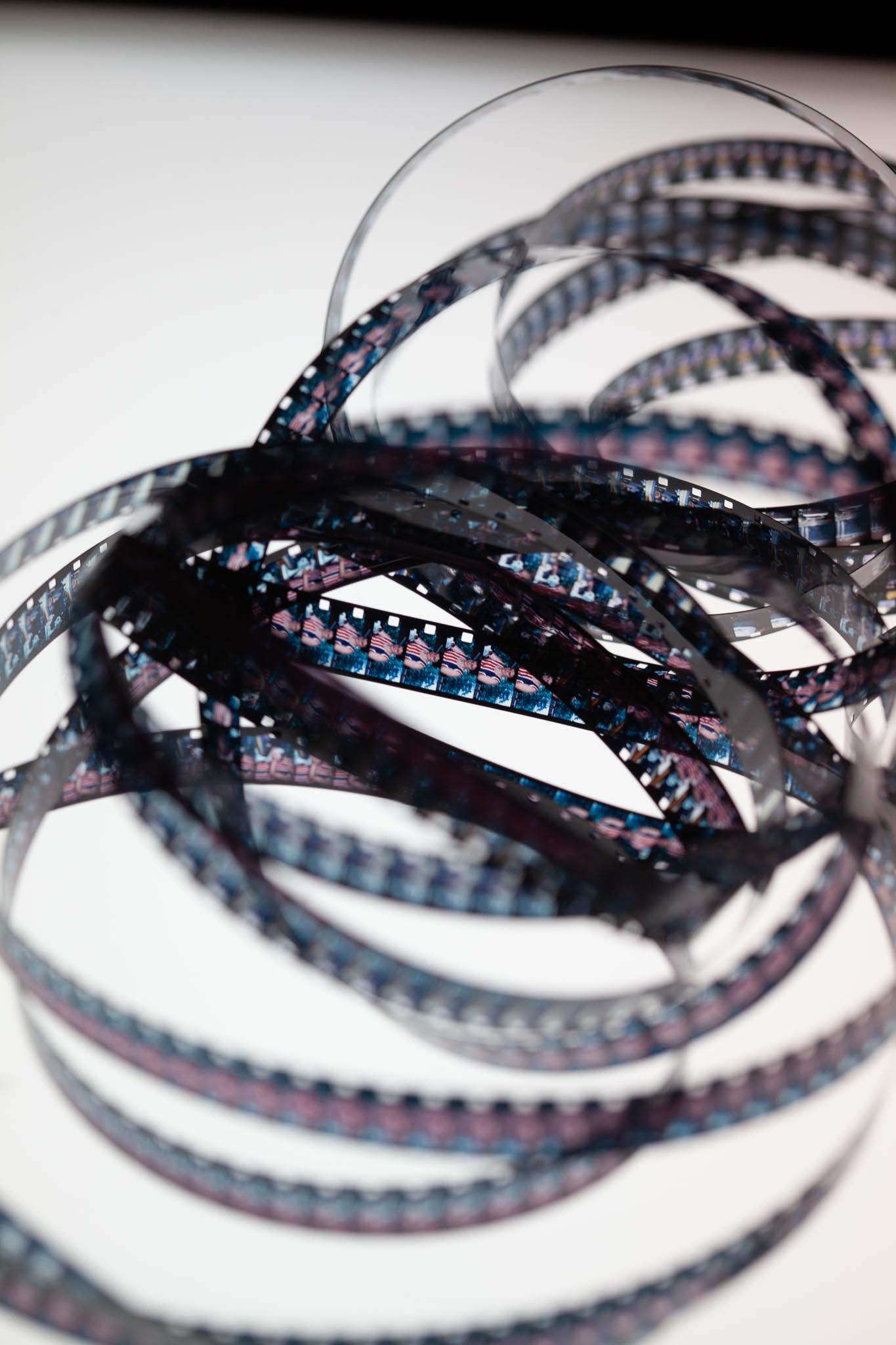
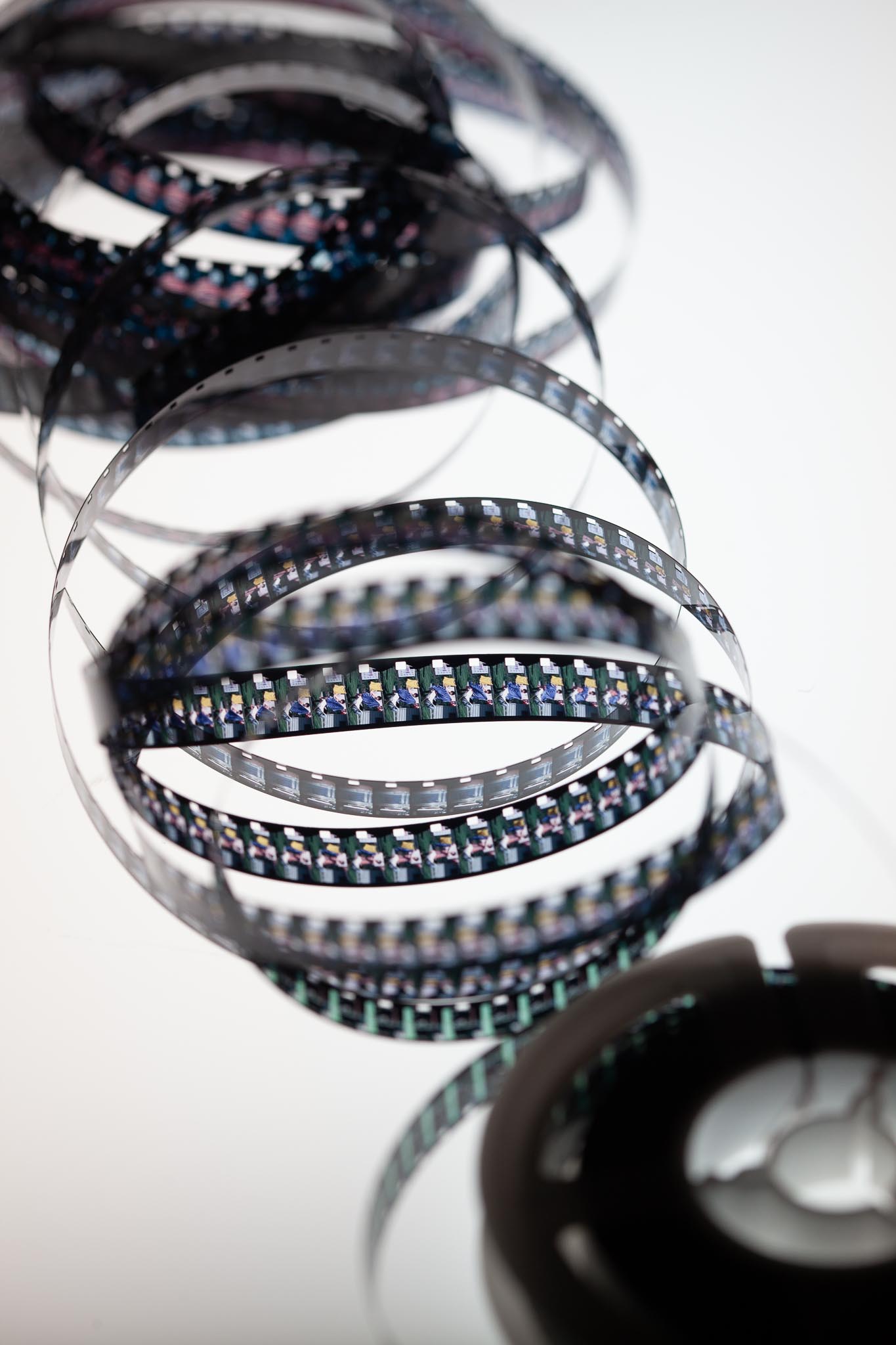
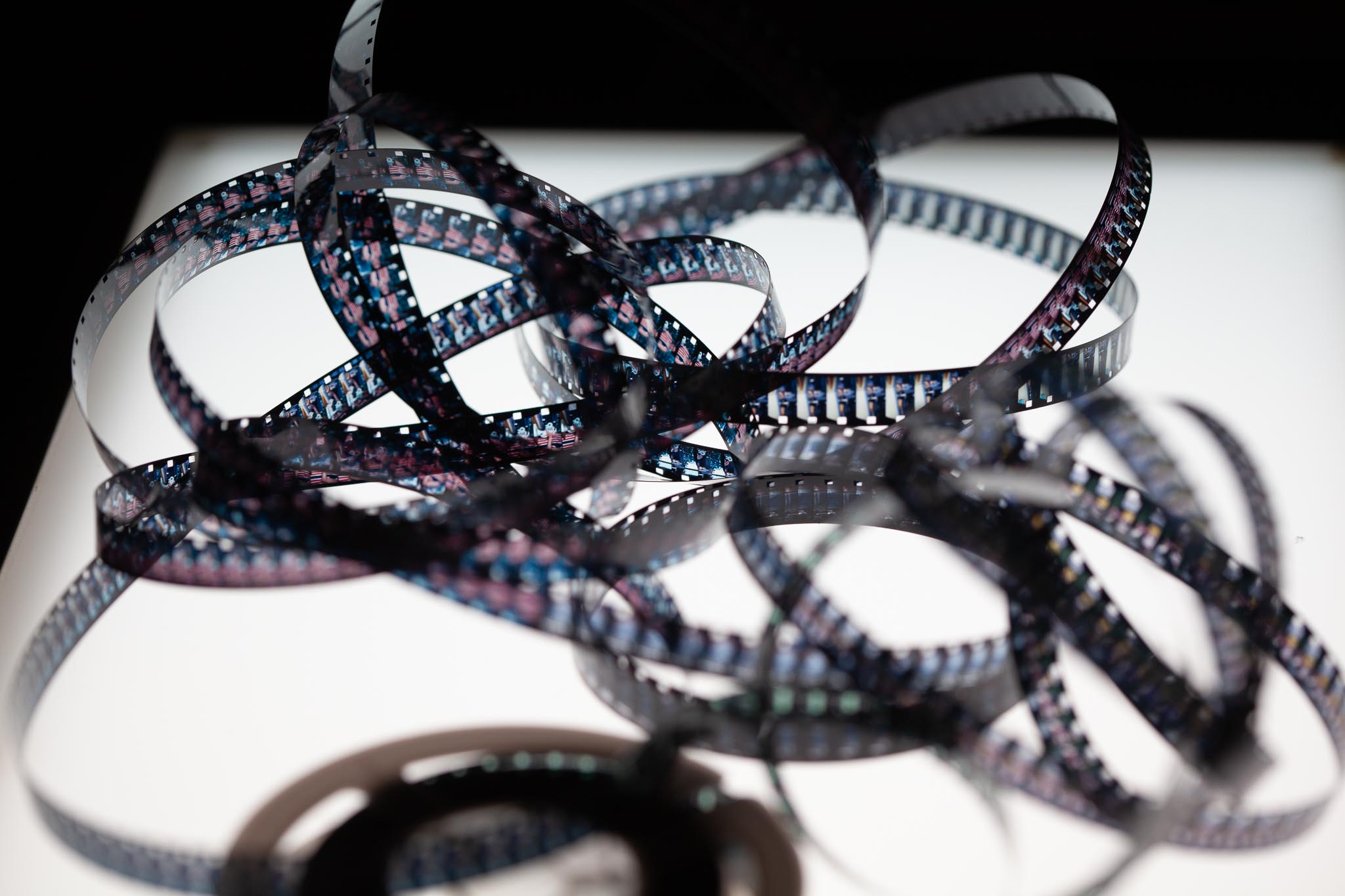
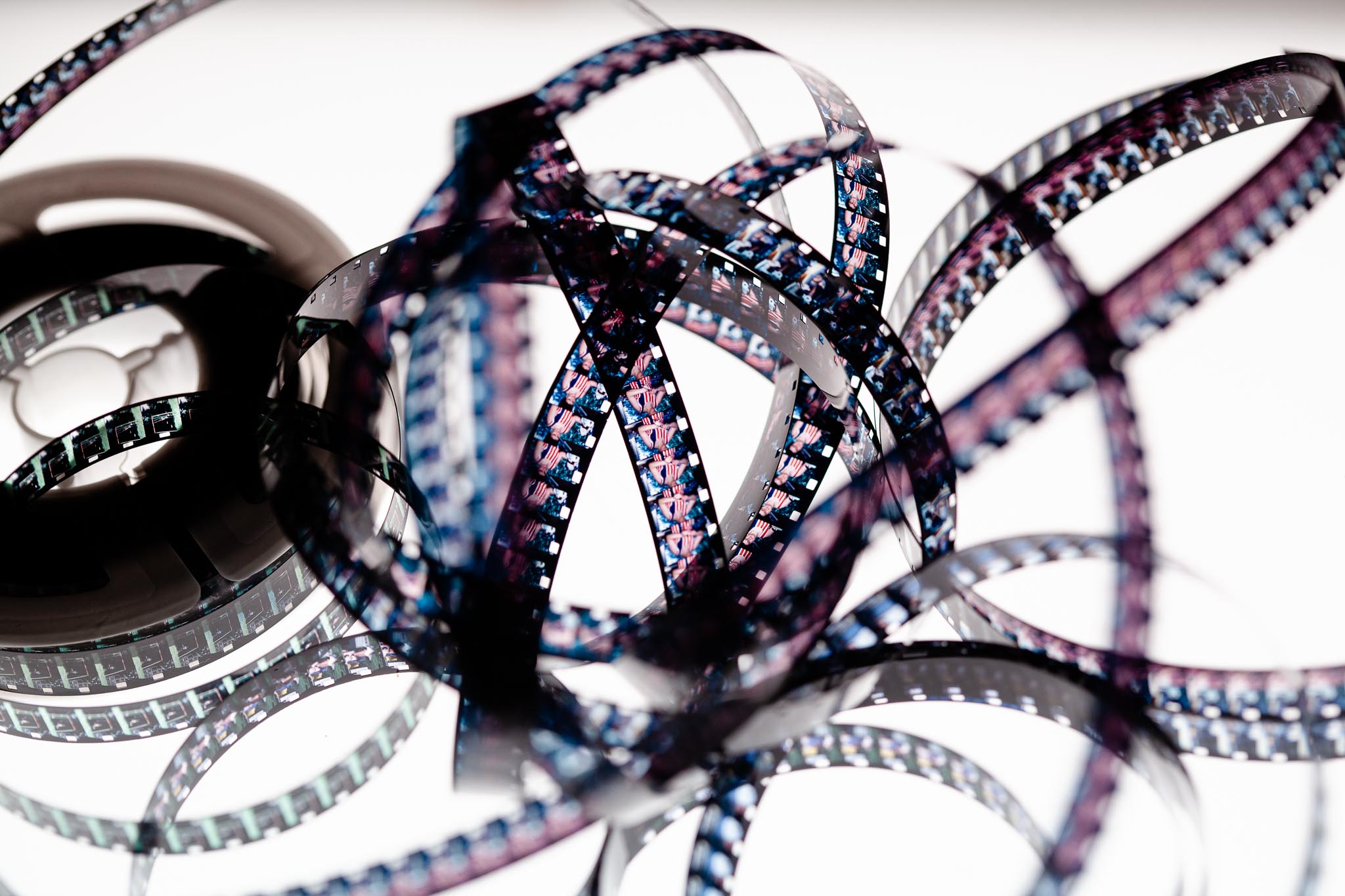
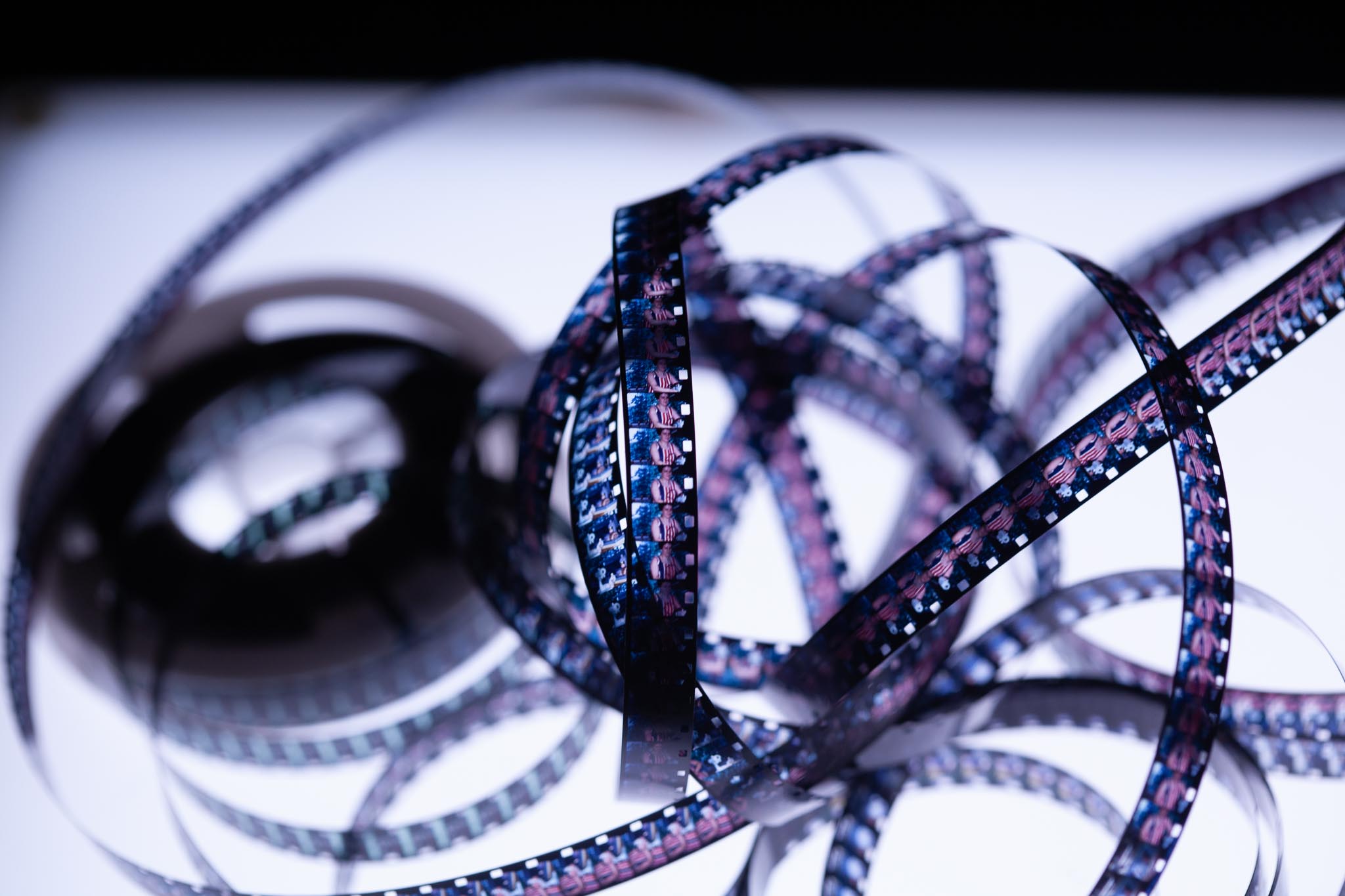
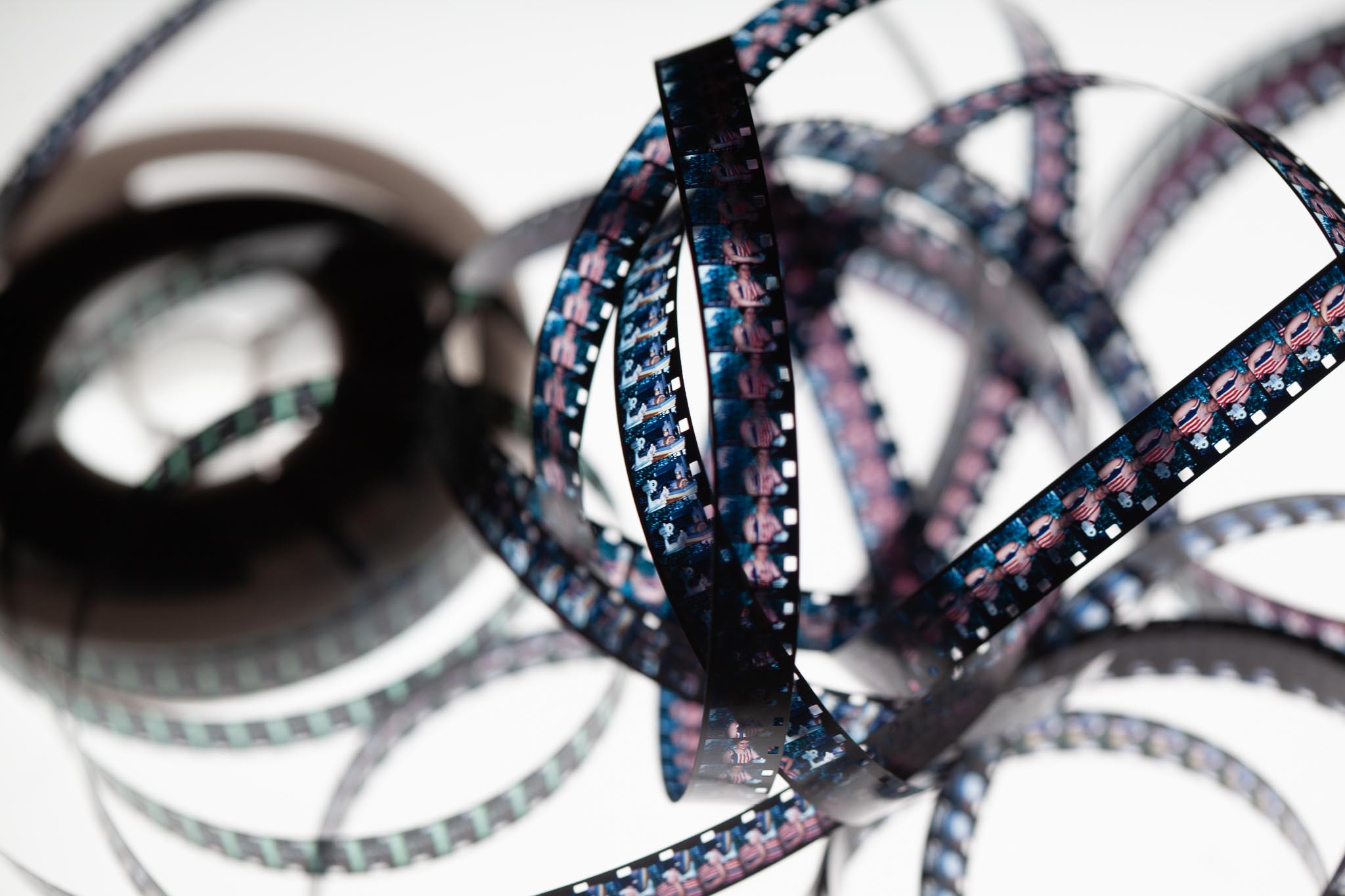
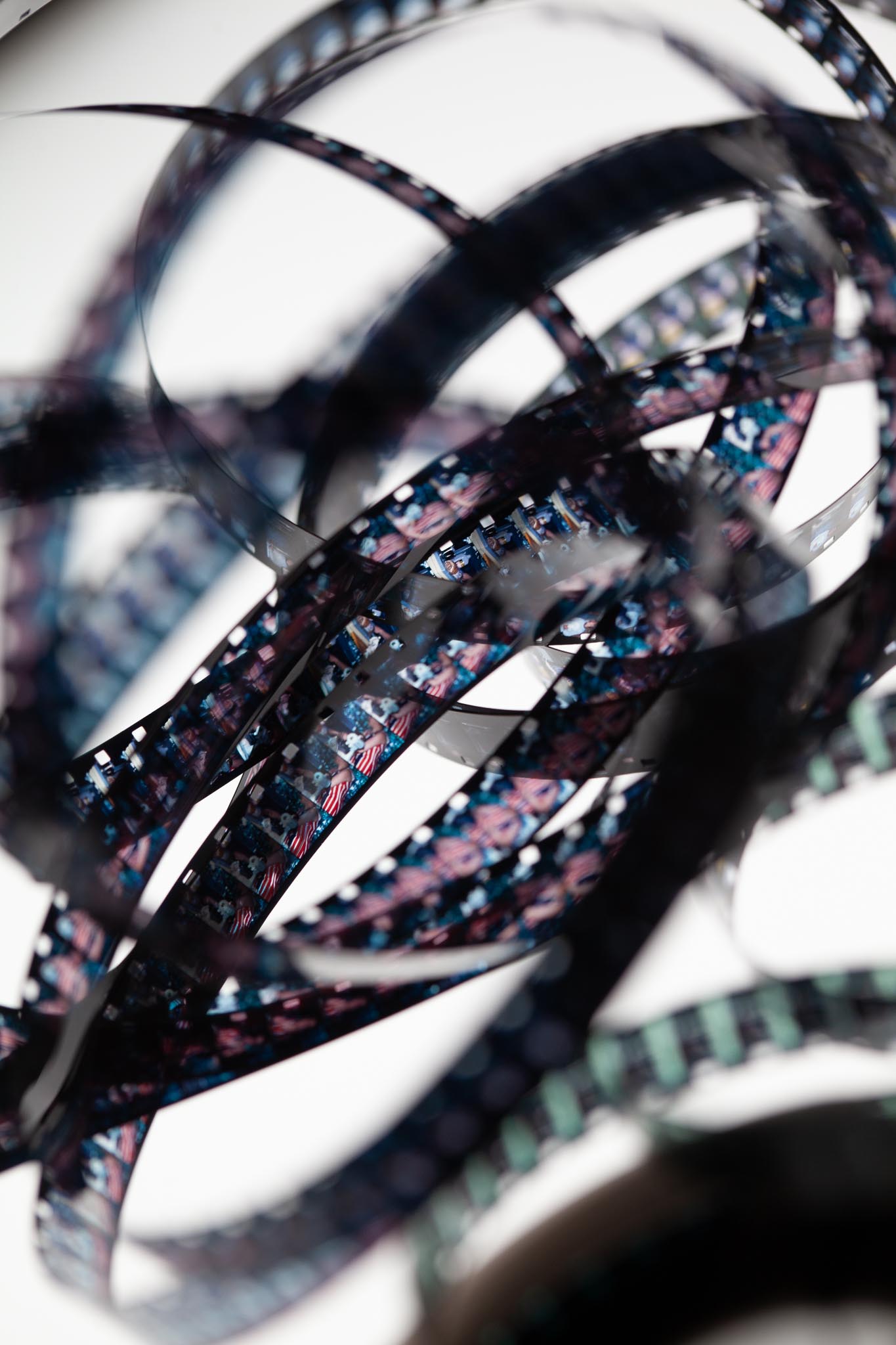
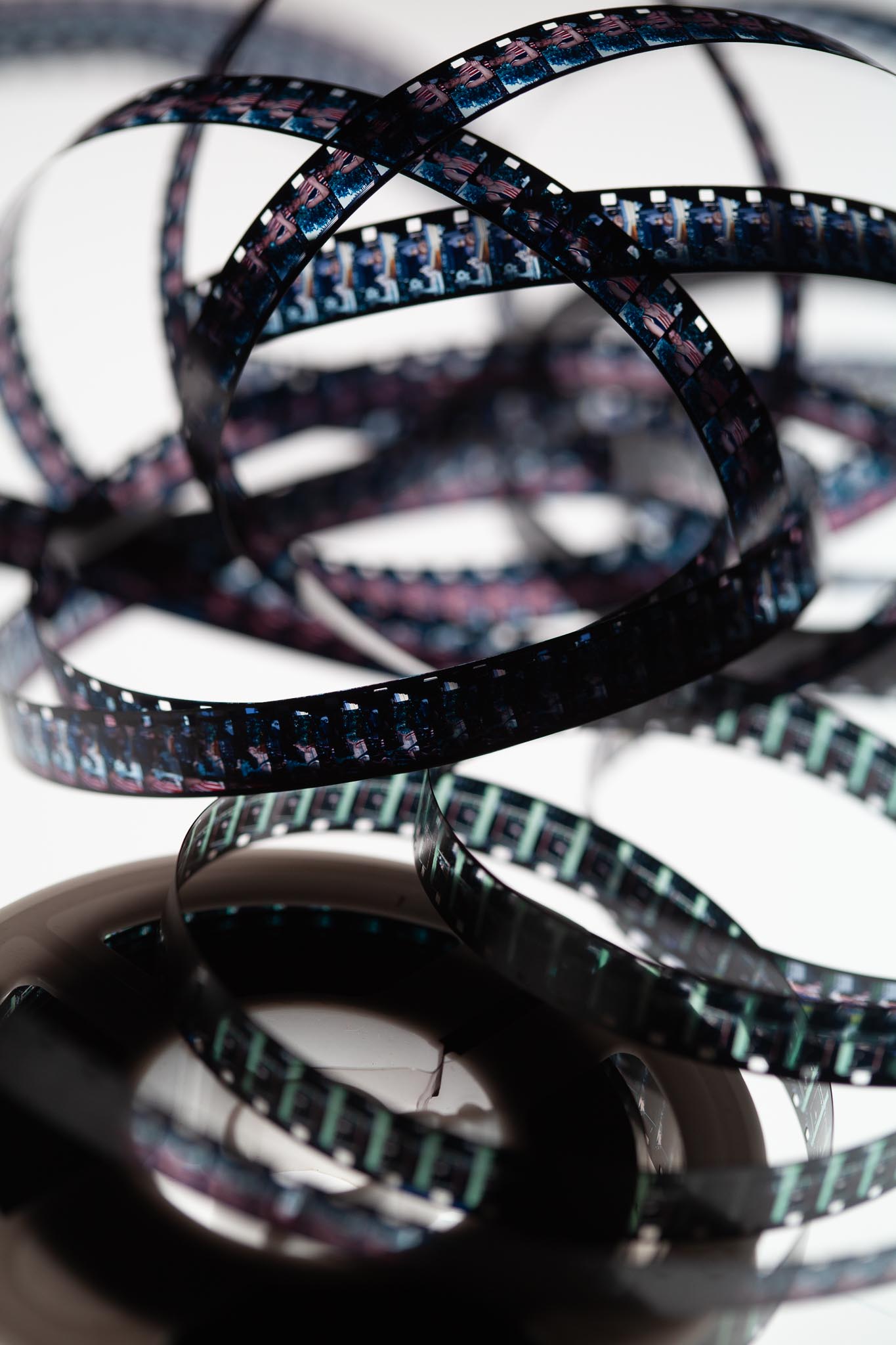
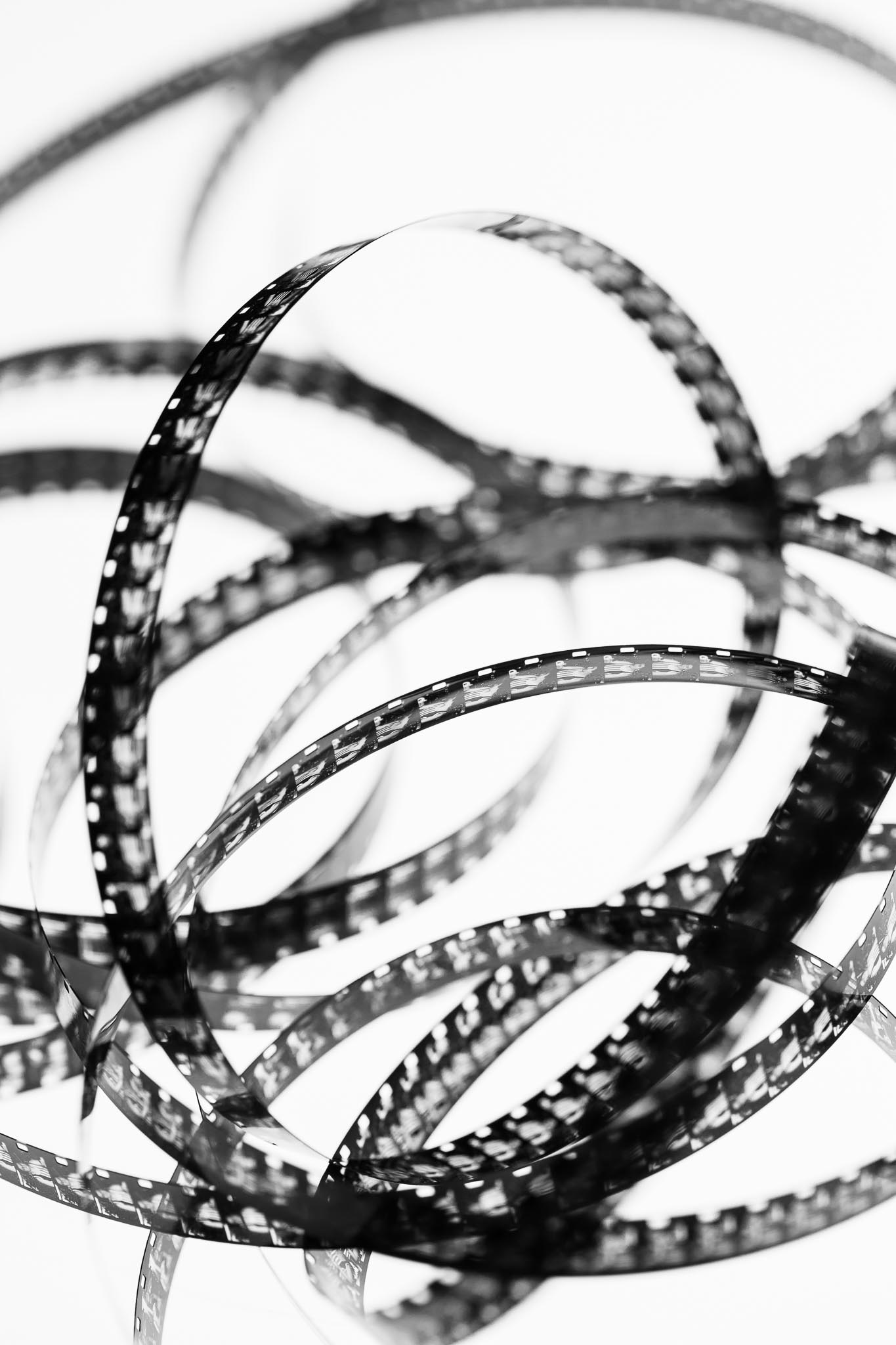
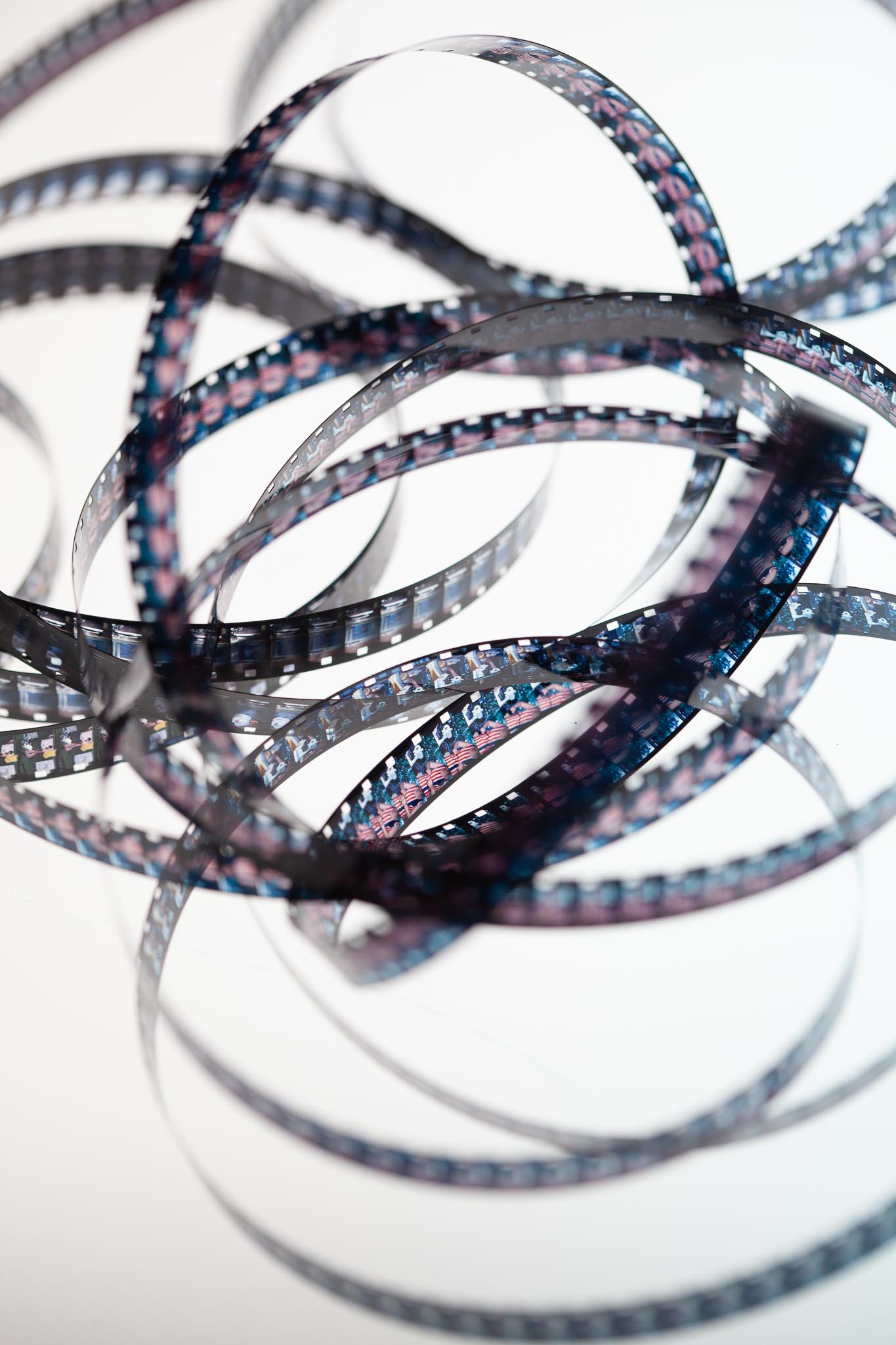
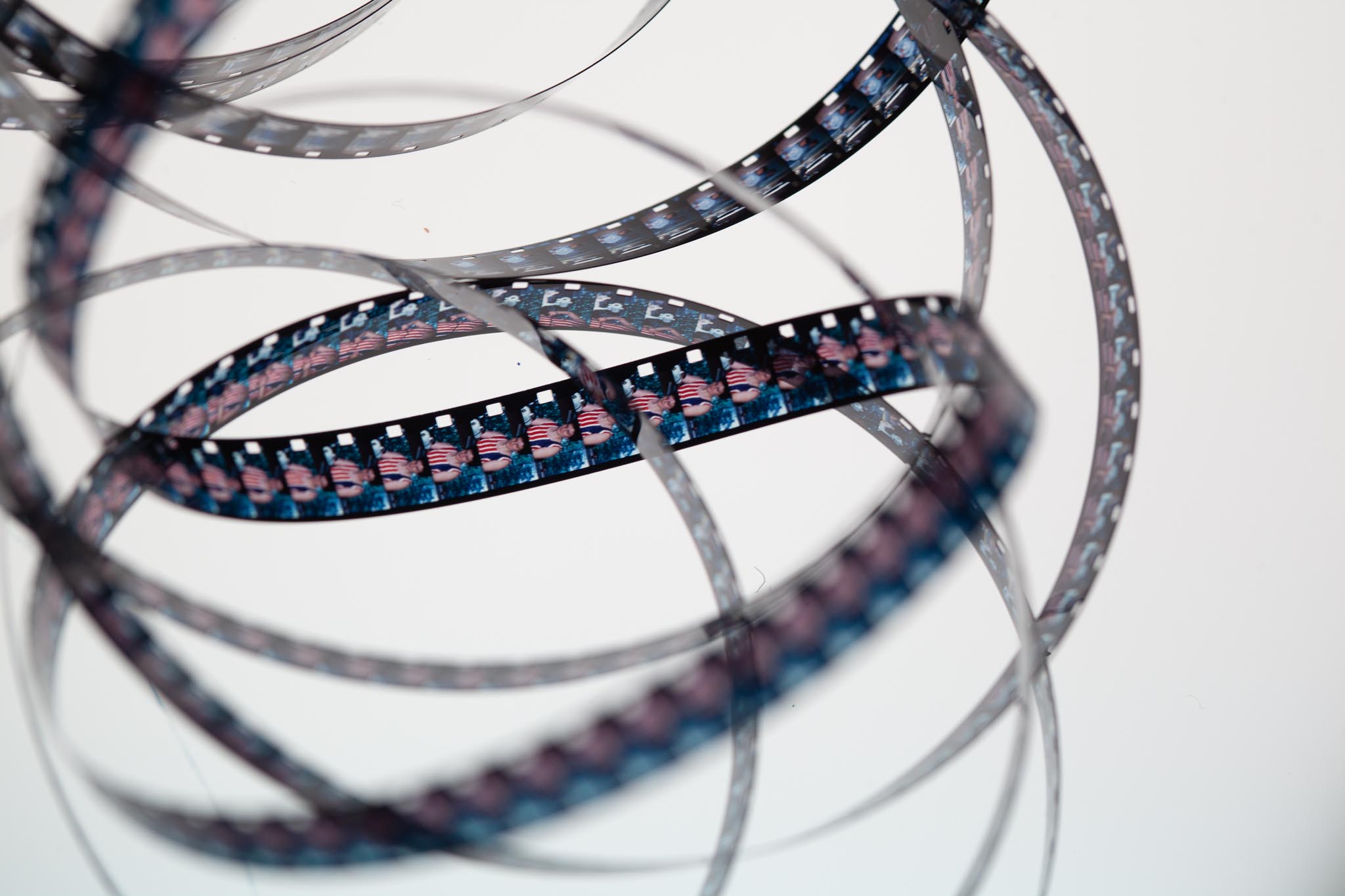
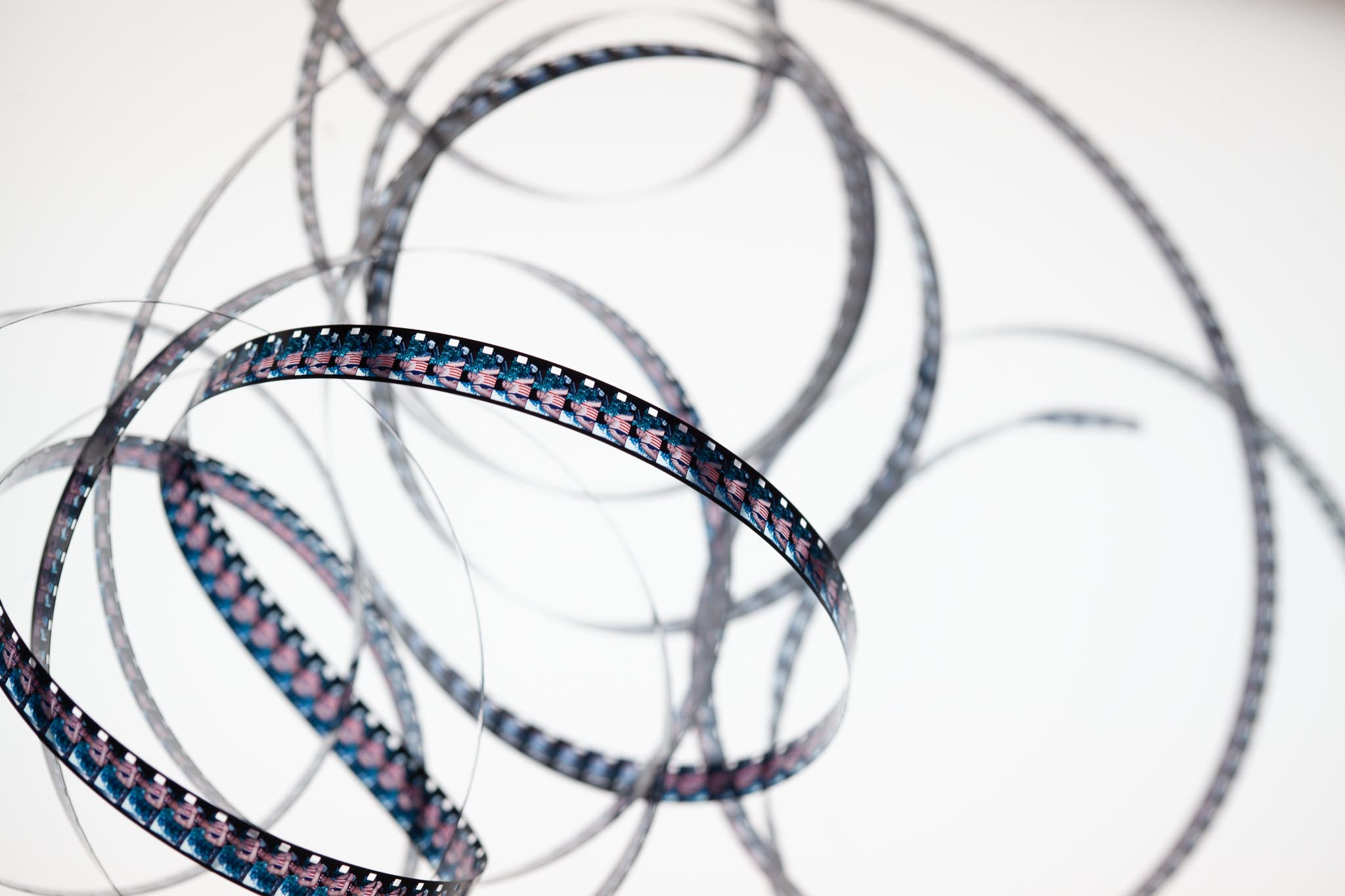
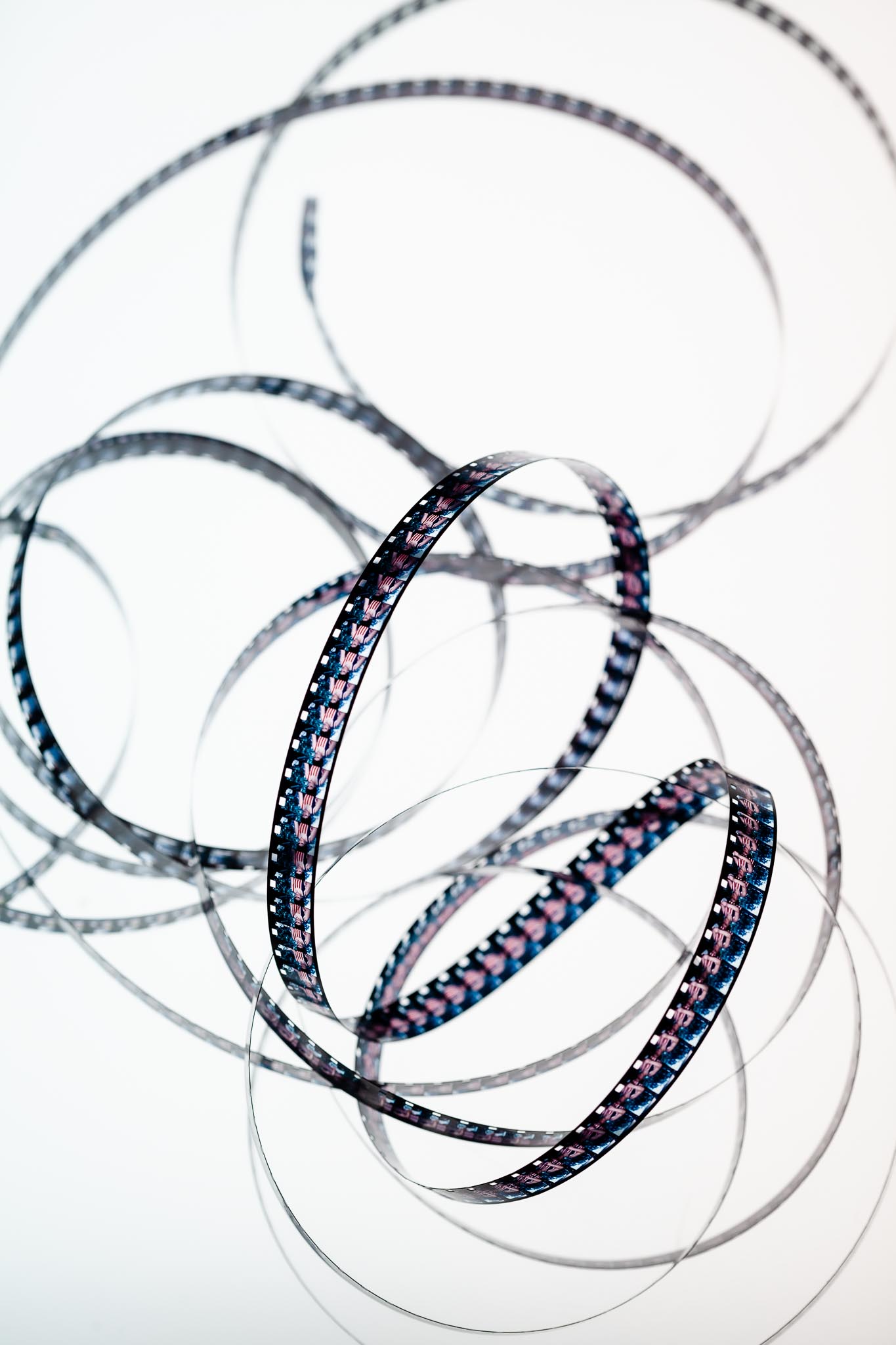
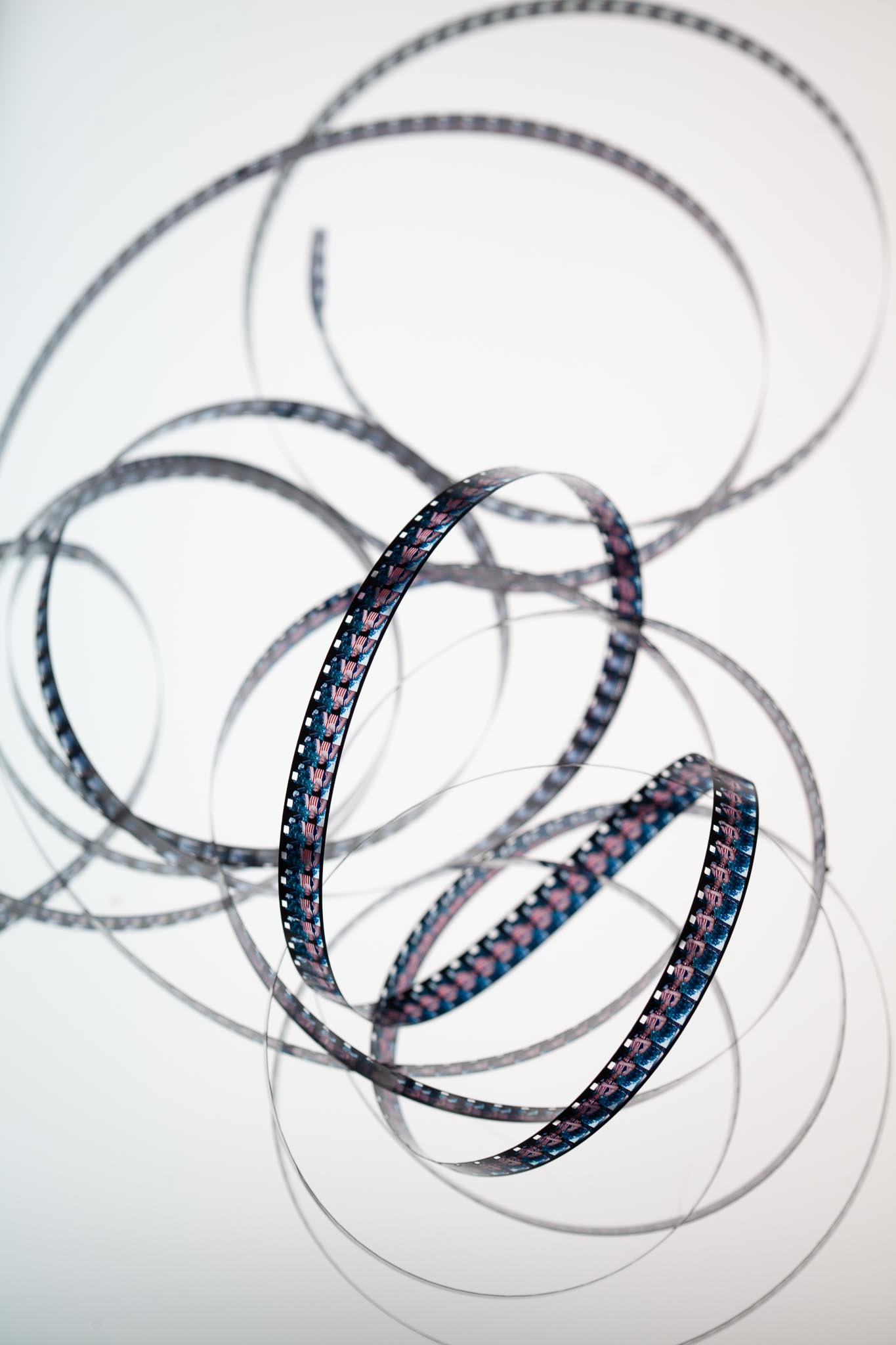
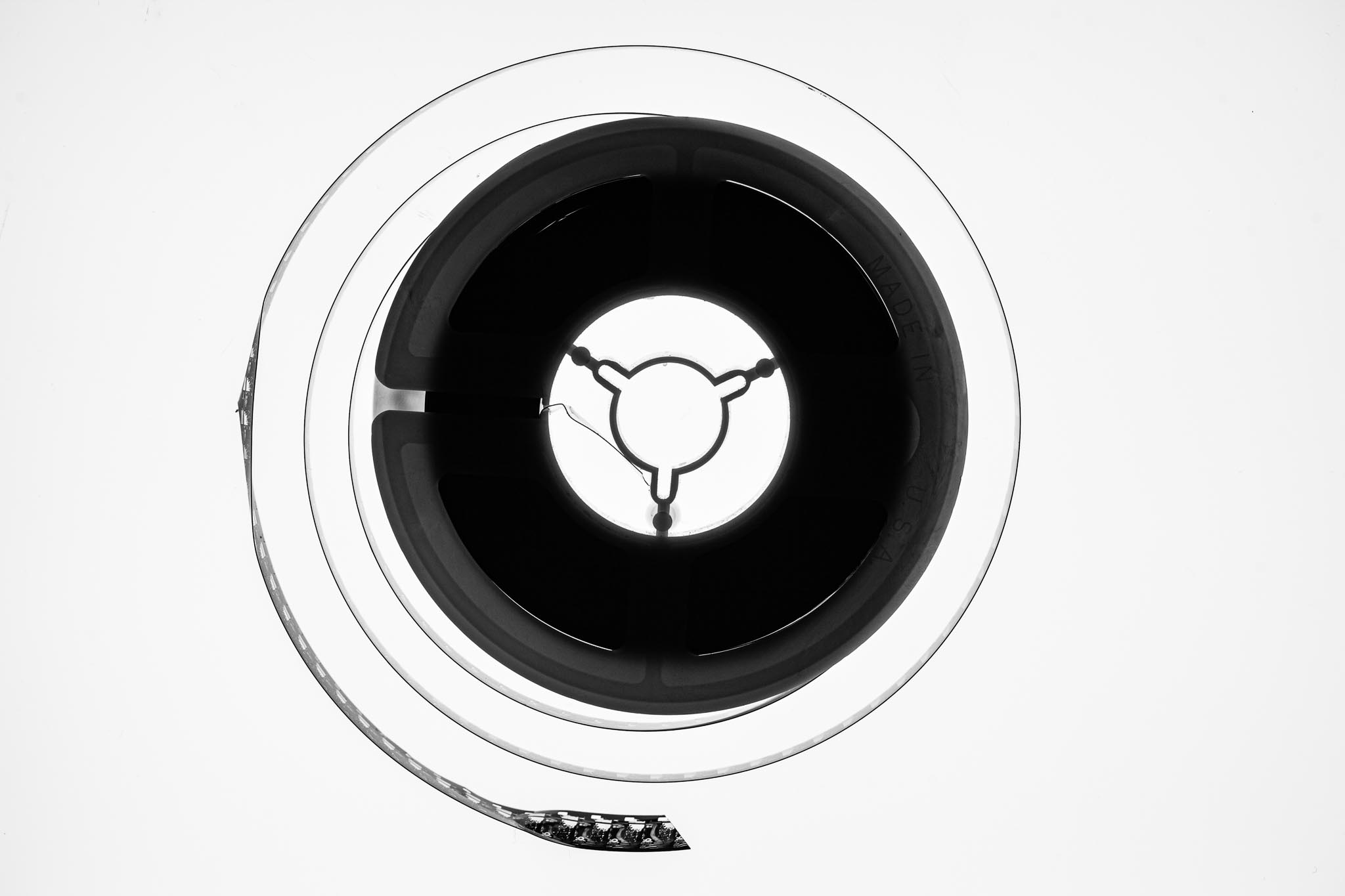
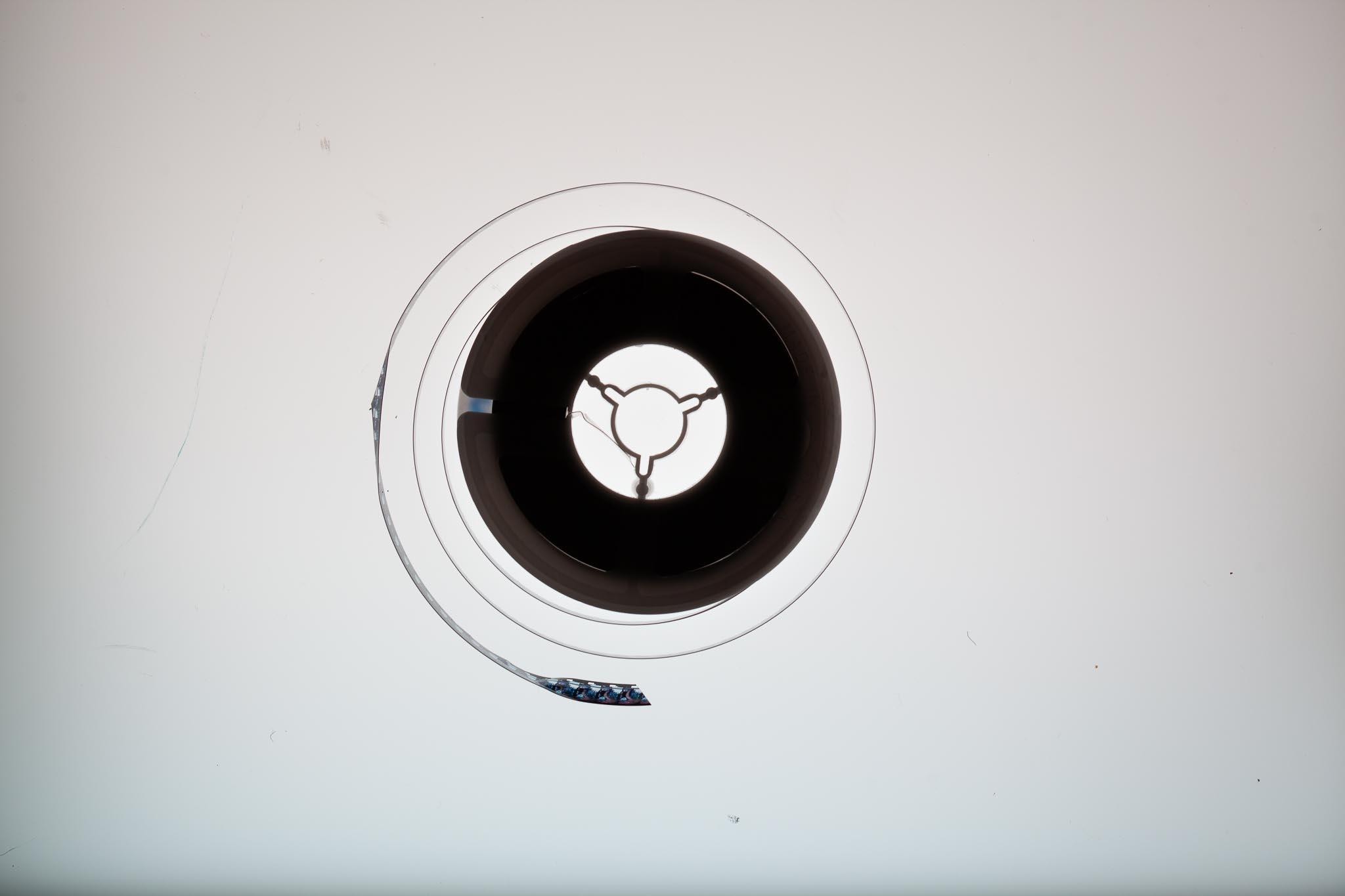
Wanted to photograph this strip of film I have although not sure how, but borrowed a macro lens and a small lightbox. Never worked with a lightbox before and am sure there must be a range of different qualities and light types which one can acquire. This one is like the continuous lights I used years ago when first starting out. It was suggested that I switch to fluorescent in WB but it was way too blue so I tried every setting and in the end, Auto was best although every frame is different even though I shot in the dark to avoid mixing sources.

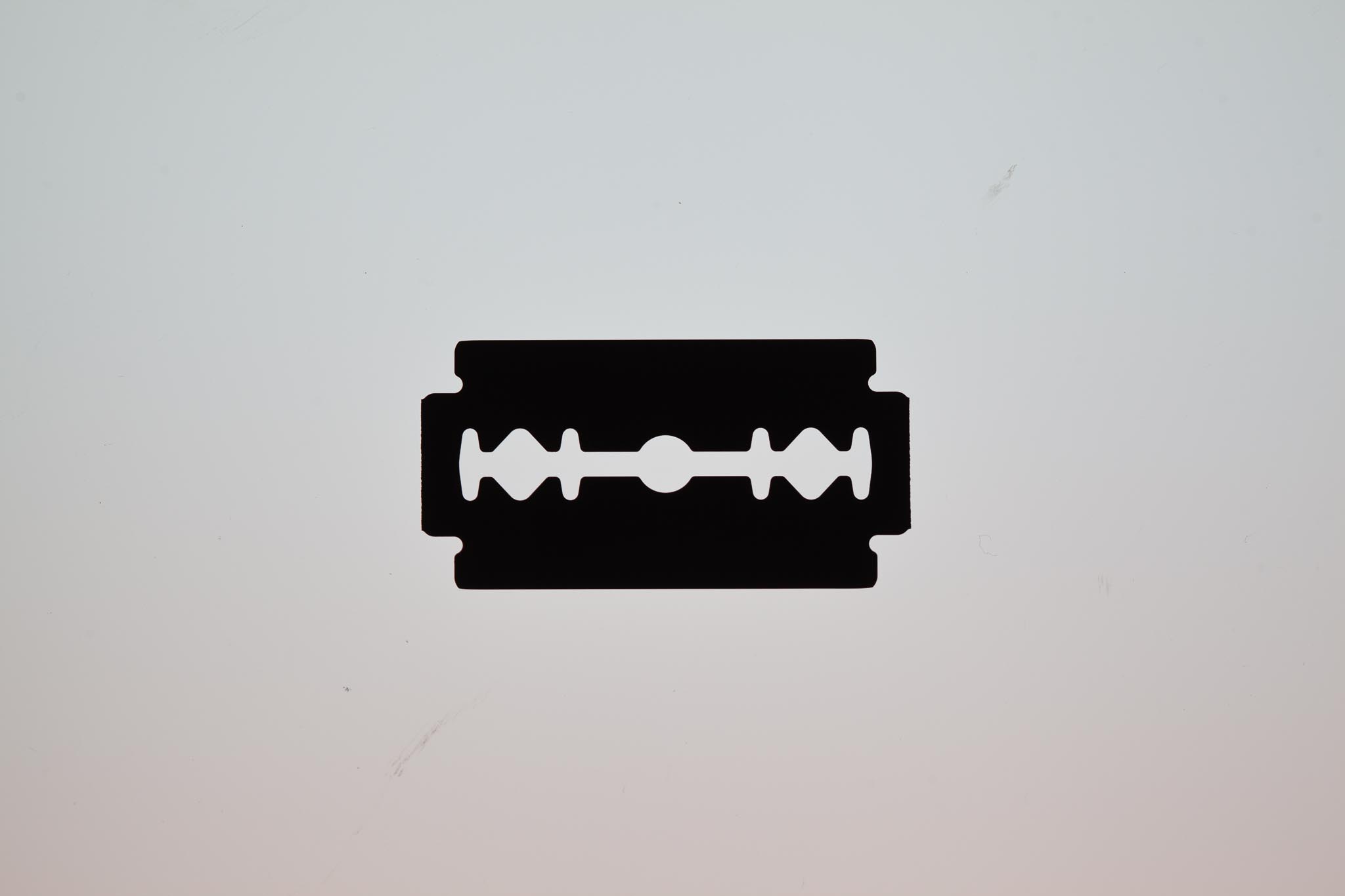
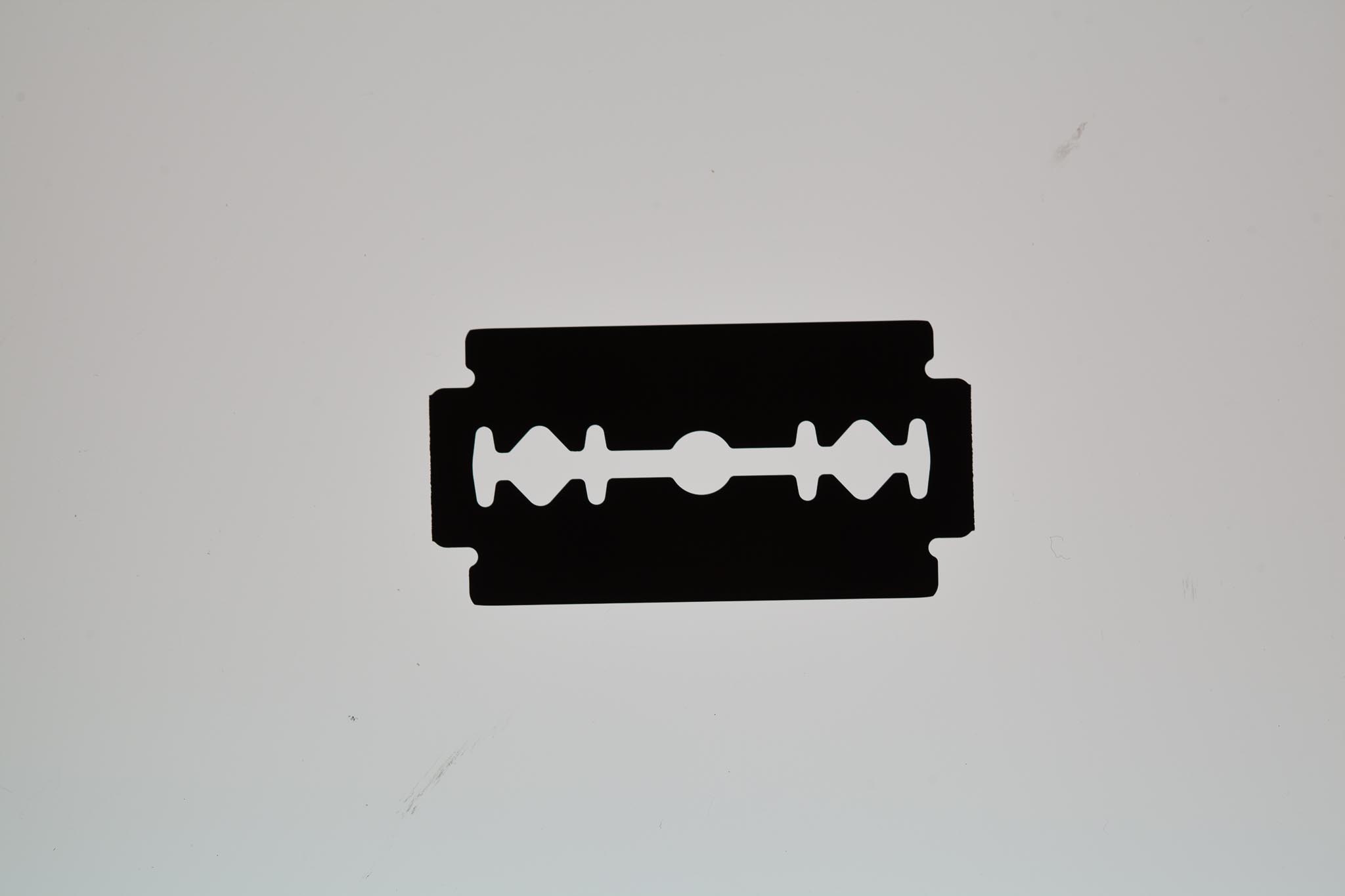
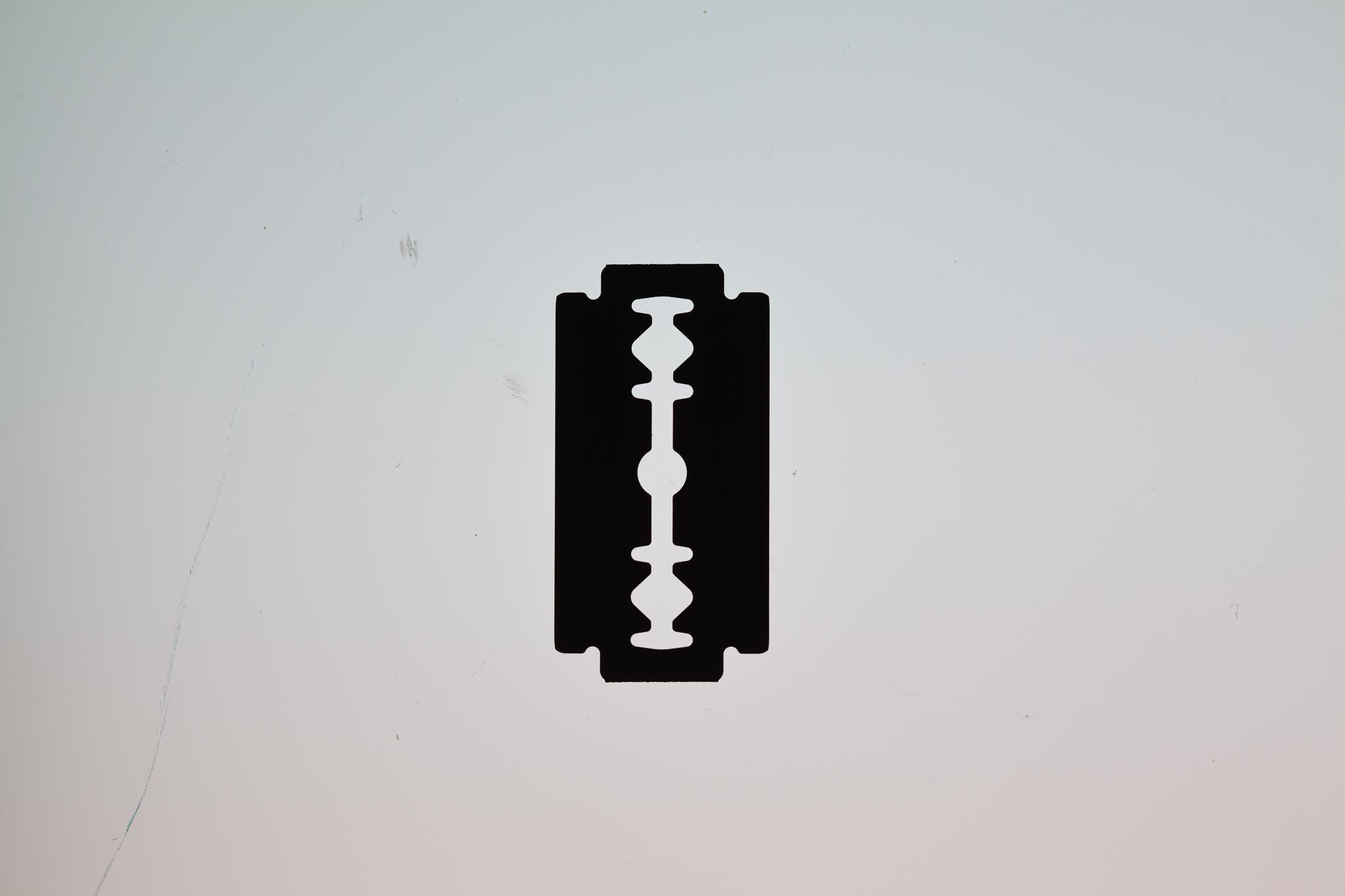
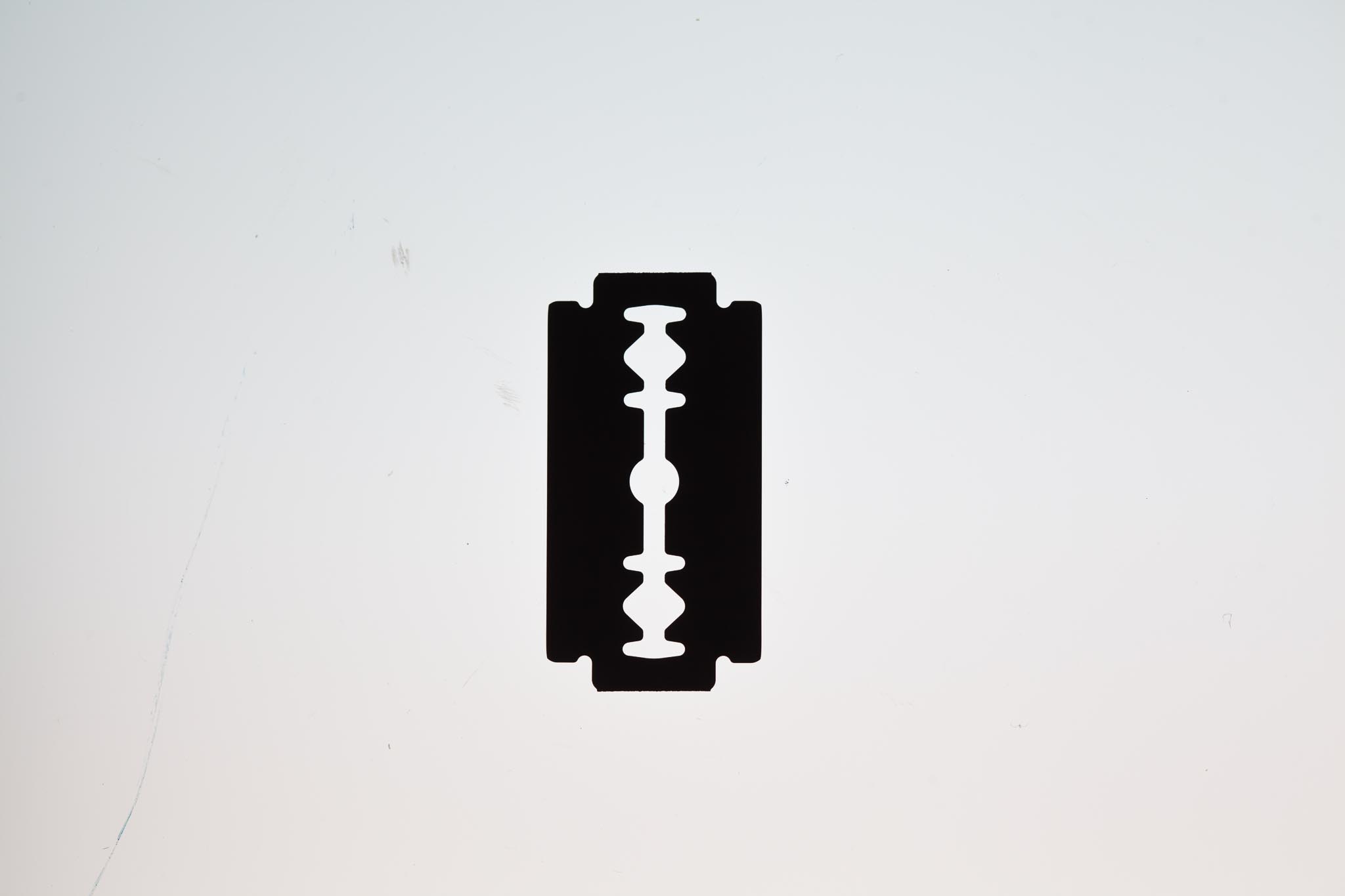
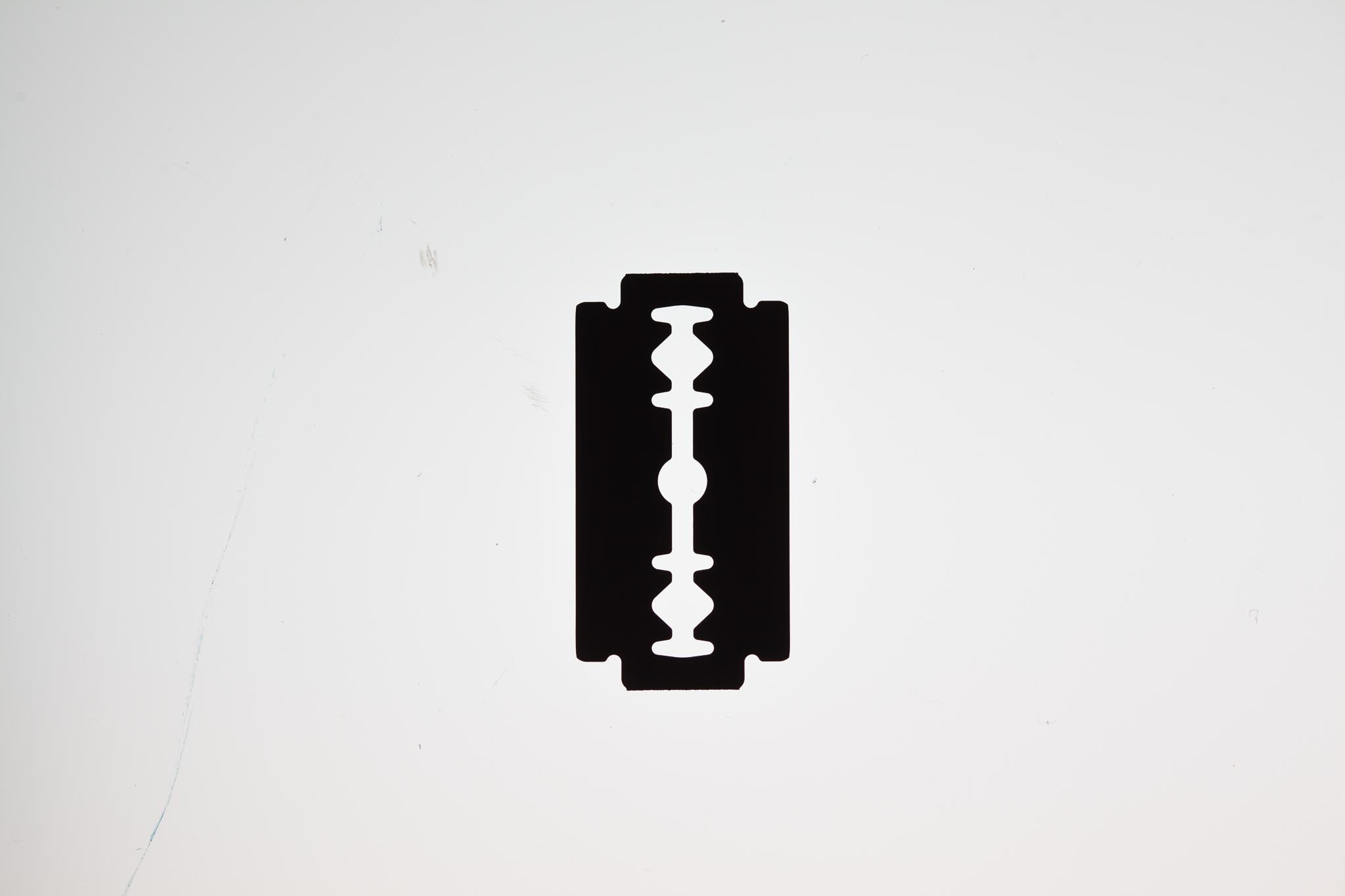
The most interesting image for me was when I used my own 50mm, and included the various signs of age and wear and tear. The reason I like this one is it looks like a cinema screen. I suspect it would be better if I manipulated the lines so it’s more accurately square on (I tried my best in-camera – maybe I’ll ignore the other pics which don’t excite me at all and give this another try tomorrow evening.) I will include some of the others but I can’t see myself taking them any further. I also shot a blade on the lightbox but I will try other ways of shooting it, I think. There’s a great passage in the Barad book where she uses the shadow of a blade to explain how diffraction works and does weird things. So it’s not only a good signifier of slicing, potential pain, a reference to Un Chien Andalou – it’s also a prop for Barad.

Talking of ‘the Cut’, Emma suggested Berger’s Understanding a Photograph and I’ve found some super references for the essay and context for this work. As for this BOW, I’m still not feeling it though (will write more about that another time).

(c)SJField2020-2001

Putting the contact sheet here – I may relook at a couple but mostly they don’t interest me. Some have had a bit of fiddling in LR/some have been left as shot with all the WB issues laid bare.


BOW: A3 script rather than a ​manifesto

After writing last night, I thought about where I am.

  • Why am I making a book with attempts at still life when I’ve been finding my way with moving image of one sort or another?
  • I definitely want to include some sort of moving image element any installation
  • I wondered if this move away from moving image was promoted by a comment which I felt came with a little jab about the course being a ‘photography degree’.
  • That comment was good though because it consolidated the direction I was going in, and suddenly things started to make sense – a doorway – exploring the boundaries we place around categories of various forms of image-making
  • This reconfiguring of boundaries is exactly what my essay is about, an examination of the ‘cut’. Where do we place boundaries and differentiation? Given the changes to our world, we should not assume anything and so I am looking specifically at the making of images before the broad spectrum of different disciplines emerge. (See my post  – Life After New Media) 
  • When I was an actor I would sometimes stick my script in a book especially if it was a photocopy and then make notes and draw in the booklet. The script would end up being covered in all sorts of doodles.
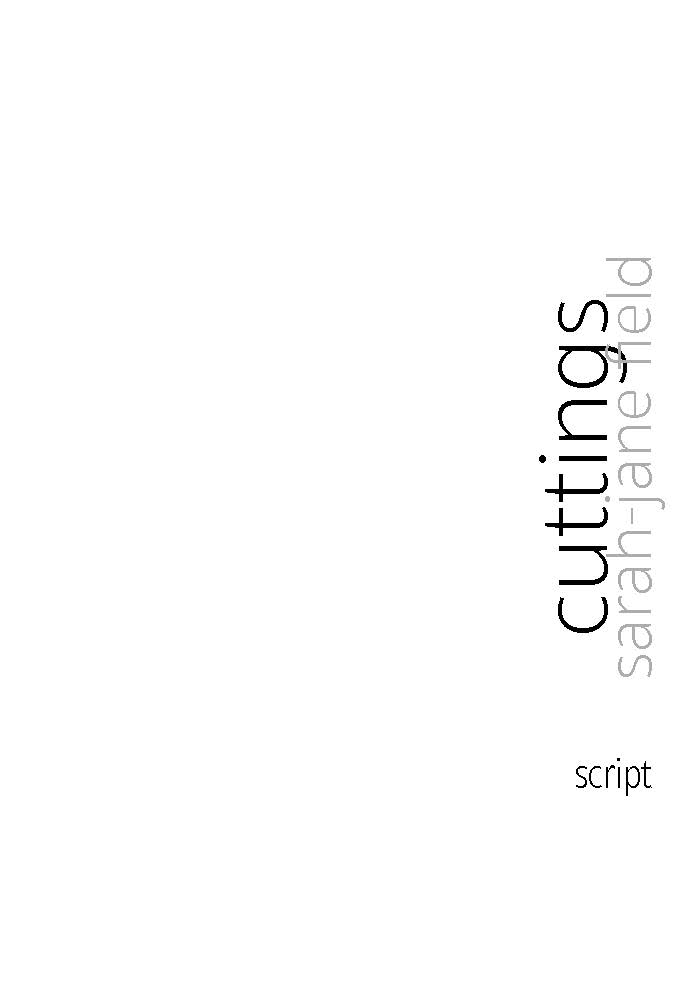
  • And so, I decided the word manifesto on the cover should be replaced with ‘script’ and the subheading is now scaled right back (see below)
  • This suggests I might/should create the script of ‘cuttings’ and then make some sort of film/performance based on it thereafter (A4/A5)
  • I spent tonight printing what I have so far (although dismissed some of the texts for now) and ordered a handful of images last night too.
  • I have printed on different materials – paper, newsprint, transparency, tracing paper etc.
  • I have a tiny 13.5 x 9.5 book and printed everything to fit on these tiny pages so that I can make a mini-book mock-up, including texts that will fold out. (I guess at least one image should do that too.) See incoherence – page 118 Edgar Martins book, essay by Roger Luckhurst – ‘work to derail the over-coherence any series or display … inevitably imposes’
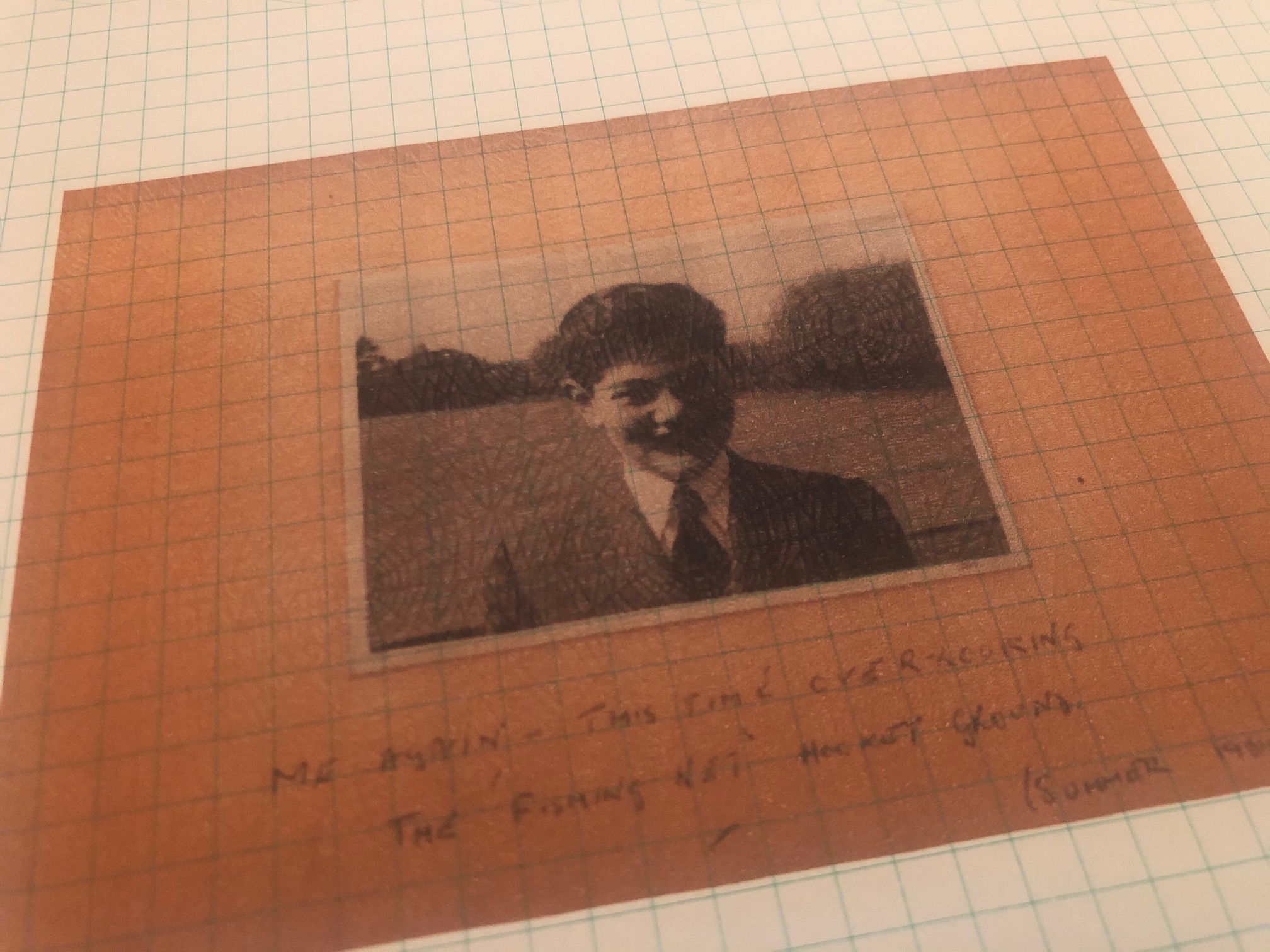
  • By using different materials I hope I am beginning to ‘artistically’ emulate the Standard Model of Reality. This does feel ‘ridiculous’ and any scientist would probably laugh but by using different materials, different media, layers of meaning and symbolism rather than focusing on one single isolated/discrete object, I hope I somehow addressing the ‘Cartesian habit’.Below: Standard model flow cart, one image of my efforts this evening – a photograph printed on graph paper and a cover currently printed on newsprint and will stick with a found portrait. Will upload a video and shots of the little booklet when it’s made.
  • Finally, the little booklet is a small precious thing. Gold has emerged as a key theme along with brown paper and second-hand objects. Like the themes in the text query and challenge reductionism and commodification.
  •  

BOW: A bit more work

  • I may have secured a way to create an image of film stock (or at any rate a tiny bit of the silver halide crystals) at extremely high magnification on a scanning electron microscope (SEM). This is not as high/deep as a scanning tunnelling microscope but nevertheless exciting. See the difference here. Quoted from the linked article – ‘The scanning tunneling microscope (STM) differs significantly from the SEM. It is capable of imaging objects at ten times the lateral resolution, to 0.1 nanometer. This is well down into the quantum realm.’ I am excited about this and will keep looking to see if it would be possible to look at the atomic level too. If this does happen the images will be for a later iteration as I must wait until half-term to get it sorted.
  • I keep trying to make time to take more images (with my usual bashed up old canon) and really need to  – I may well have a bit of time tomorrow but I don’t yet have the objects I have been trying to gather, so I will use the time to reshoot some of the things I shot the other day (see notes in PDF below  – but needs opening up in Adobe, so see screenshot).
  • I played around a bit with the images I took last week and the text. There are notes beside images, but basically, I need to reshoot, shoot more, work on the writing, make the Processing files I’ve been considering and pull an edit together in the next ten days or so  – plus print something because I can take it along to a study visit this weekend.  And finish off the Part 3 coursework (which won’t take long but needs doing) What a lot to do. Cuttings 1Screen Shot 2020-01-14 at 21.20.23
  • Oh yes, for now, a working title but perhaps it will stick – not sure of the subtitle but the main one seems to encapsulate the project and has a multitude of relevant meanings. Cuttings: manifesto for a digitised life

Some screenshots of combinations I liked when playing around with versions last night.


Screen Shot 2020-01-14 at 19.52.30

Bow/CS: Life After New Media, Kember & Zylinska 2012

Some useful references: see artists highlighted in chapter below

See  –  https://www.richardgalpin.co.uk – an excellent visual metaphor

See – http://www.ninasellars.com/?catID=30 Final section in chapter provides a useful analysis

Possible inclusion for CS: The compulsion to define photography in an essay (see CS A3 and early drafts fo DI&C essay) is not merely a means of identifying what the inquiry is about. It goes to the heart of the matter which is querying the ‘Cartesian habit of mind’ (Barad, 2007). This can be resolved by seeing ‘the cut’ for what it is – a way of making meaning out of the chaos and creating matter (material or discursive). I do this making words and categories, painting, sculpting – or by capturing photons when creating images – regardless of what I do with those photons thereafter i.e. add traces together to create movement or give the illusion of stillness  – a freeze. What happens thereafter is not is being explored in this instance. It’s complex though because the thing that I do to make order (cut) compels me to want to cut photography up into a hierarchical system.

Ultimately, it is not the material, equipment or medium which is being critiqued – but the mindset.

Backed up by the following which also helps to define the cut. Highlighted sentences from a critical chapter of Life After New Media: Mediation as a Vital Process by Sarah Kember and Joanna Zylinska (2012)

With Notes – 3 Cut! The Imperative of Photographic Mediation

Kember, S. and Zylinska, J. (2012) Life after new media: mediation as a vital process. Cambridge, Mass: MIT Press. At: http://topologicalmedialab.net/xinwei/classes/readings/KemberZylinska/LANM.pdf(Accessed 11/01/2020).