I have taken lots of images – most of which were rejected outright and various contact sheets are available under the relevant menu item of the blog. (I might make a new menu button solely for contact sheets as the Research & Reference item has a very long list beneath it now.)
This page is a record of various experiments, many of which are not in the book. Click on the image for captioned information ( Note: will need to reorder these, WordPress changed the order when I changed the format to show the images so now the captions don’t always make sense – think William Burroughs is having a laugh at my expense!)

From A1 – played with idea of connecting it but it didn’t work


Next day, took these – both a development fomr an earlier session playing several times with the film and flesh – the first image was of my tummy, so the film is a like a measuring tape. Didn’t like that image in the end and so pushed it further – enjoyed playing with my freind’s borrowed macro – liked the detail in my dry skin


First experiment with marco and film round my legs


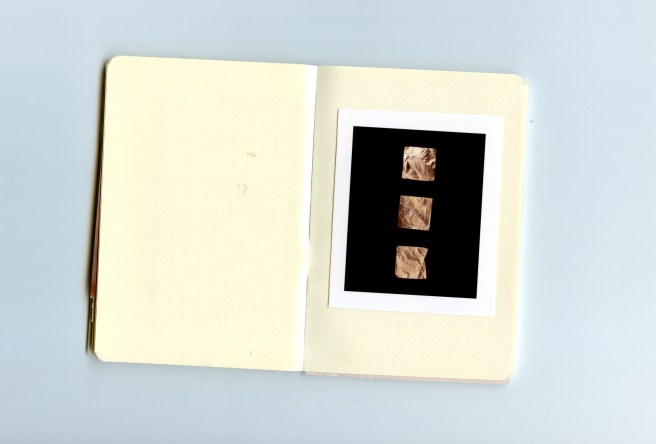
Had some gold leaf lying around – liked the notion of preciousness and value


Developments of early stuff with same gradiant map as on the puppets

Returned to this book which I started a project with and then abandoned – https://sarahjanefieldblog.wordpress.com/2018/07/18/new-project-manipulated/

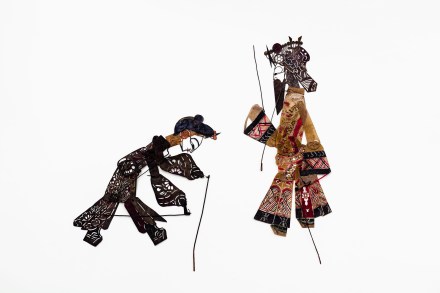
First photos with puppets – really liked the idea of usng them. Shadow puppets re mentioned in an essay – McGilchrist, I. (2019) The Master and His Emissary: The Divided Brain and the Making of the Western World. (2nd, New Expanded Edition): Yale University Press.

As before – liked these but it’s all too clean

Several people mentioned Lottie Renniger and I loved a shadow puppet type animation as a child so played with gradient maps in PS to make these poor old broken puppets looks as they might have done. I like the old/new in one place – old technology used with new – and I will make some form of moving image thing with these at some point


Taken when rushing for a train – may return and retake in better light as quite like the idea of inclusing this – but needs to be a well-taken image


This was a phone snap before beginning some experiments – I have used it though after seeing it on my phone a few days later. I might reshoot it. The print even jsut on an inkjet is good althogh there is noise visible on screen – I don’s mind that though


Took in the summer in prep for A2 not use there so tried it here but ditched it

old albums – but not used

Newspapre cuttings from my dad’s early career but makes the work autobiographical and I don’t want that

An old script with photocopied text and notes – not used but the concept contains this object

as before


The followign images from a film called Nuclear War for beginners – really like the title and will likely write something one day with it in – but the images/screenshots did not work in the book at this time


Will probably reshoot this – got a bit carreid away with the macro. I do like the sense of myopia (I find photographers can be quite myopic!) But need to test out several other ways of doing it.


Have not included these but will look again at a later stage


Wanted ot include these but they didn’t fit

used this to cover somethign up I didn’t like in the dummy book – then liked it so have included it.


Not a good enough image and too much like Martin’s

Same as before but have included it for now

From Processing – Processing created over 400 JPGs as I didn’t realise it was still running! Mario Clingman leaves his machine learning code runnign overnight and curates from thousands of images. https://ocasjf.wordpress.com/2018/02/10/artist-talk-mario-klingemann/ I wrote about this process here https://sjflevel3.photo.blog/2019/12/31/bow-a3-toms-first-film/
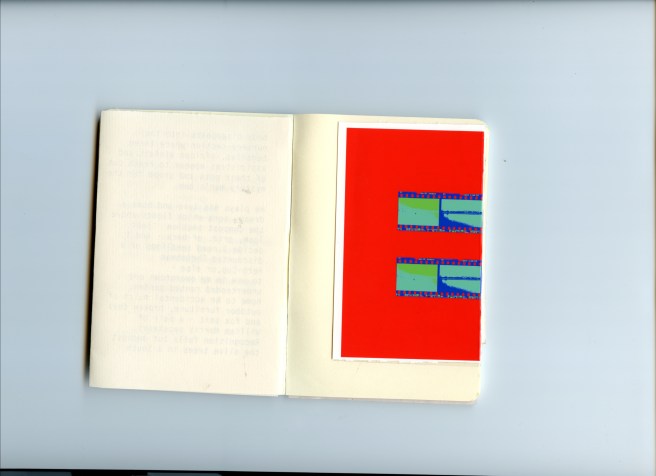
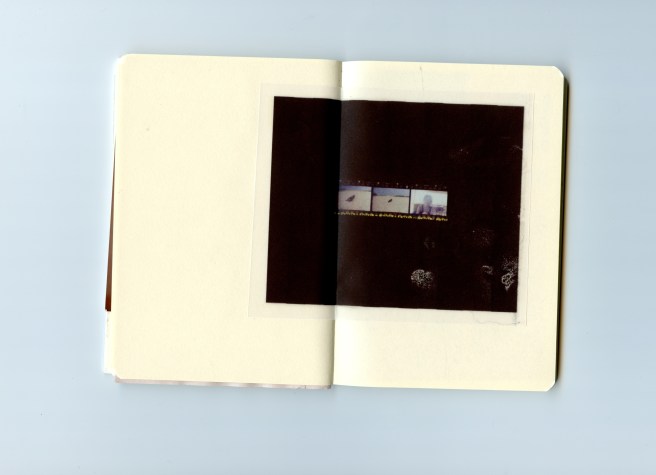
Earlier versions of the book:









 SJField - OCA Level Three Study Blog