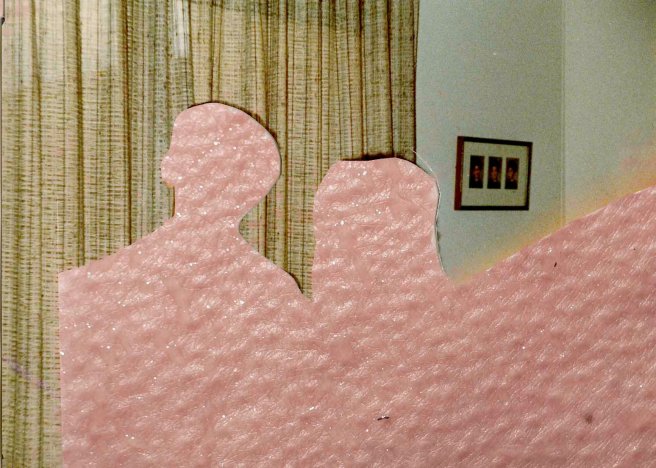
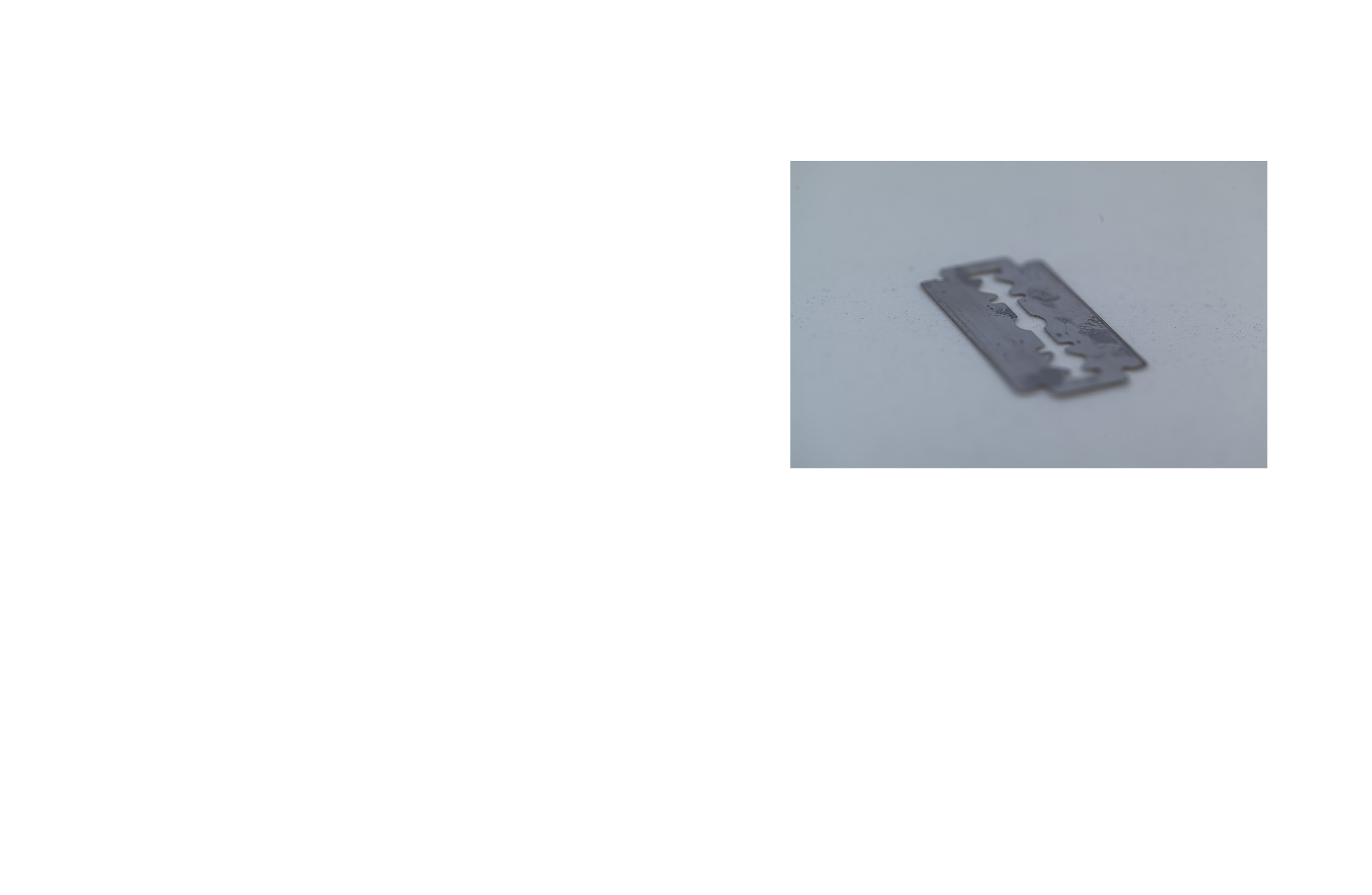
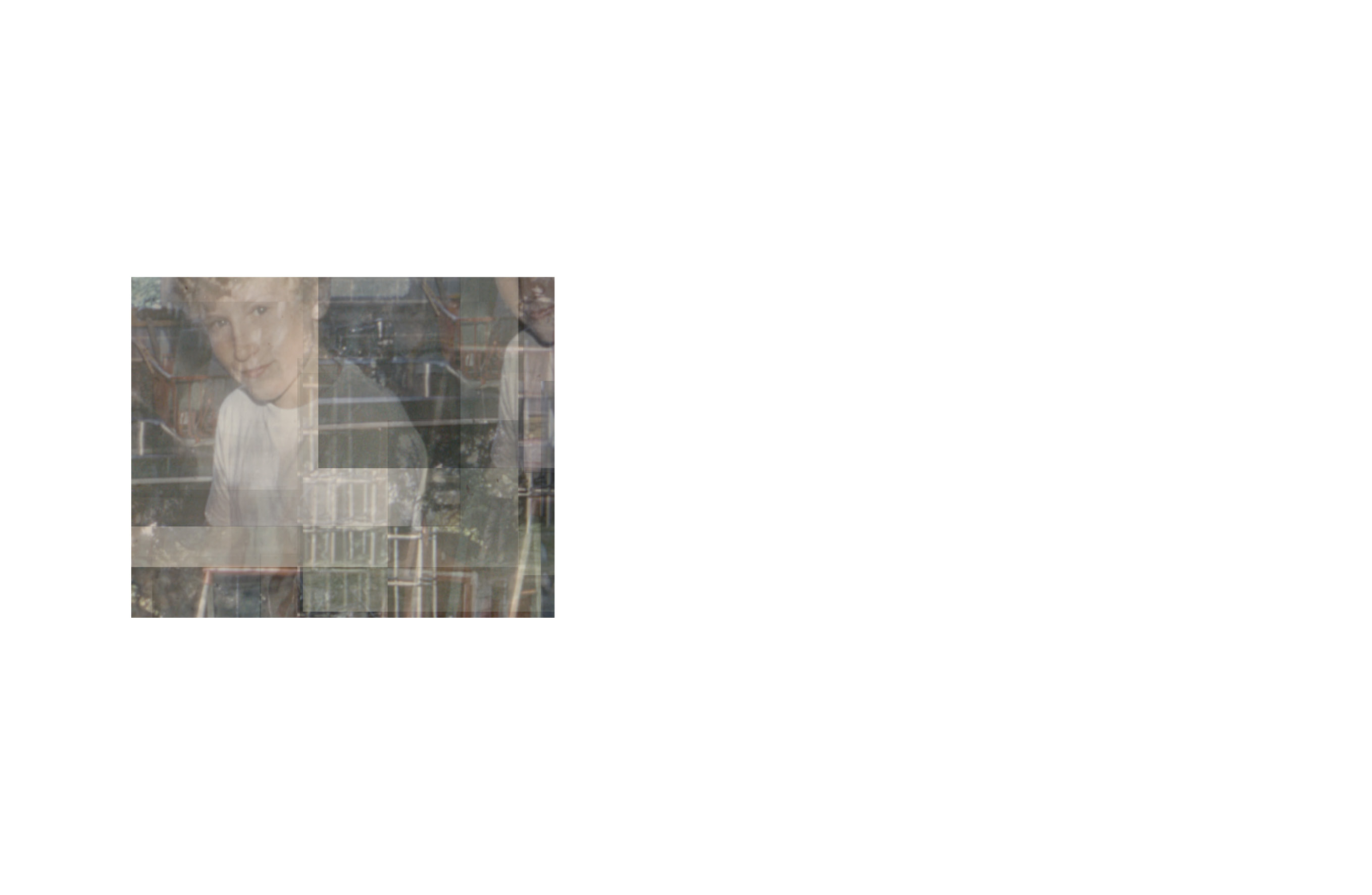
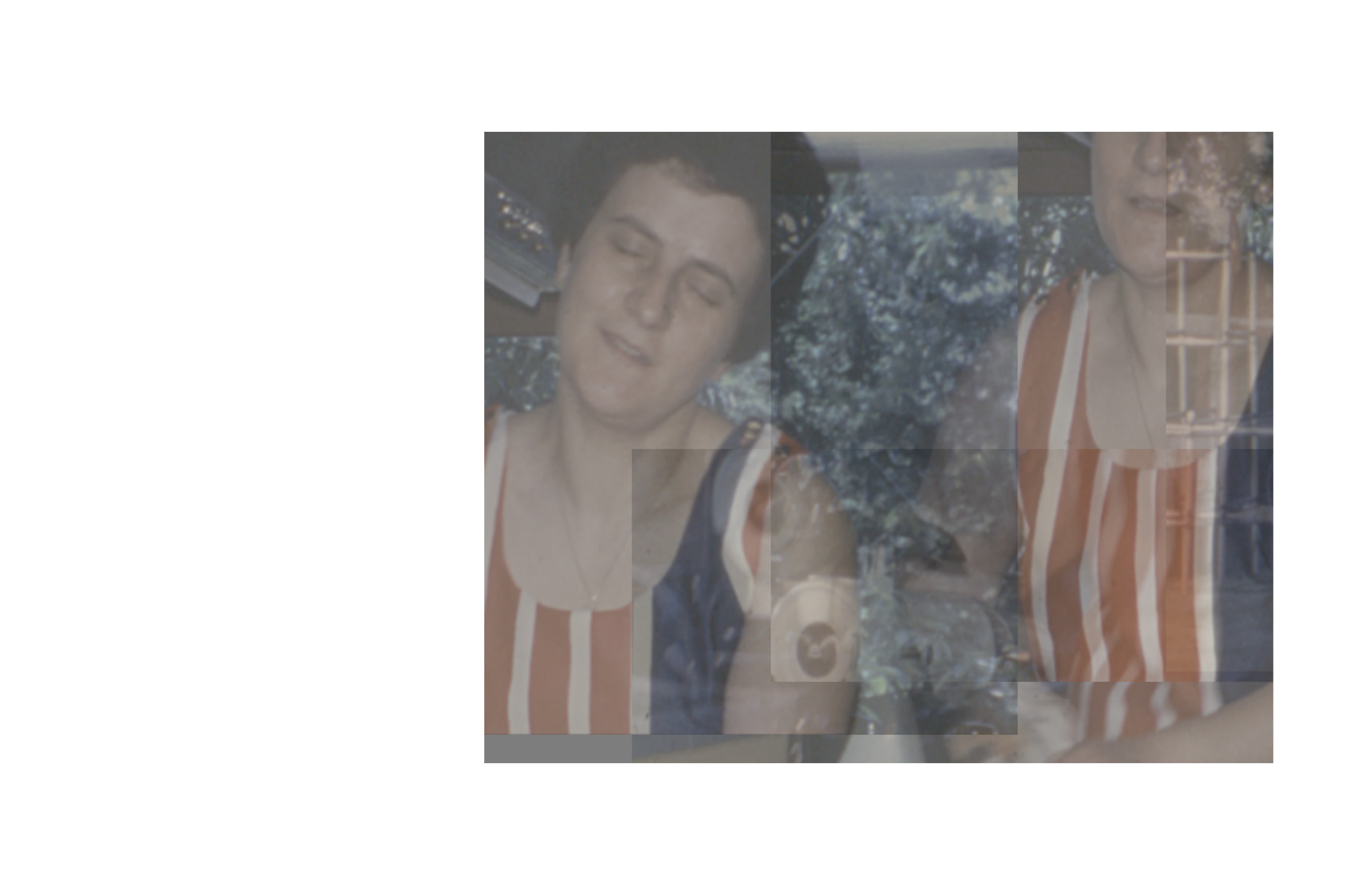
Had an idea of mixing flesh with old photographs – think I will experiment with uncut photos next.


SJField – OCA Level Three Study Blog
Body of Work & Contextual Studies
Had an idea of mixing flesh with old photographs – think I will experiment with uncut photos next.
This column has some complex problems but the overwhelming message is about narratives re. the current ‘dystopia’ existing beneath/behind the status quo, and about ‘power’ maintaining the illusion all is fine.
All is most certainly not fine. And my own work does not go remotely far enough to explore / express this. At the moment, it feels like bumps of growth beneath the surface that have yet to break through. I have work to do/make and will try to keep this energy focused on that rather than say more here. (i.e. Show, don’t tell) but the article posted here certainly encapsulates something pertinent – although anyone mistakenly thinking it’s just about the film industry rather than a more widely applicable general blindness (refusal to see) amongst white middle-class people is mistaken.
This did not go well!
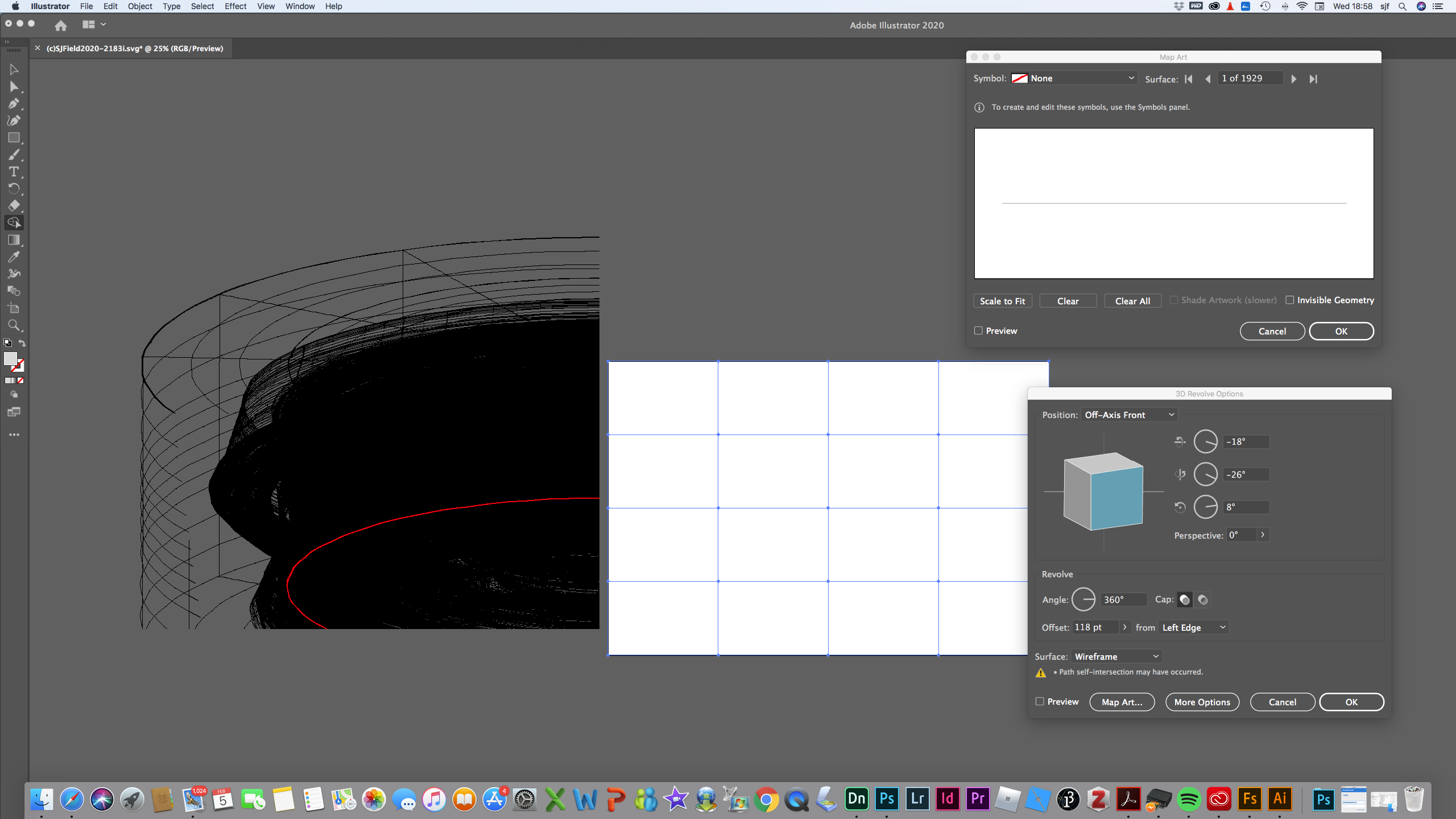
No idea what I’m doing in Adobe Dimension but this was all I managed…  It’s a background worth thinking about I guess…
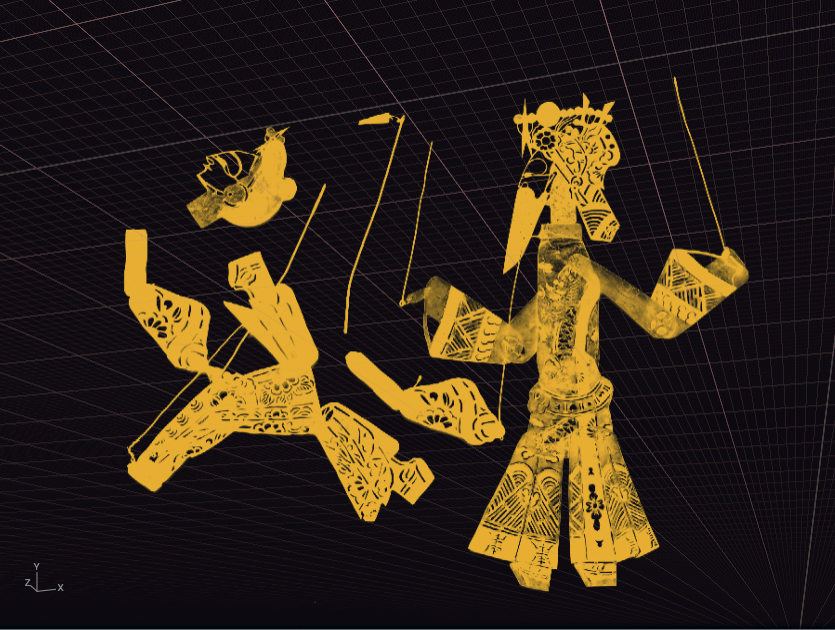
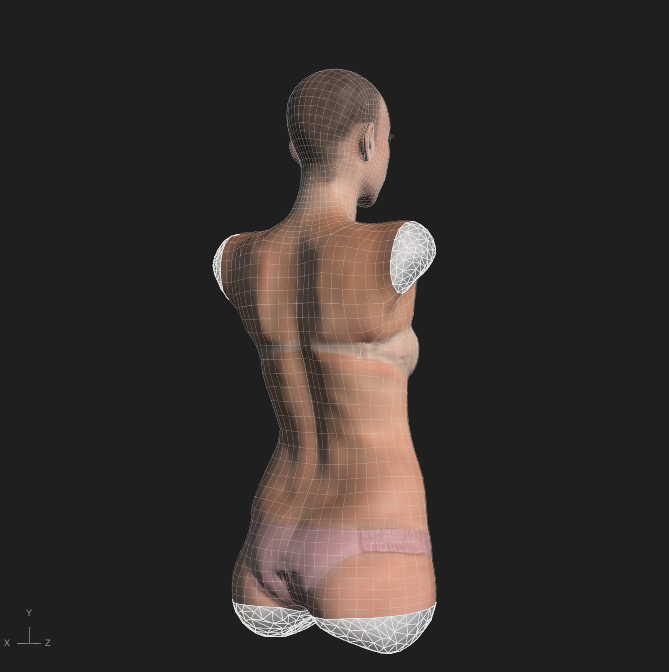
Literally no idea what’s going on with this one – but am keen to have something included that denotes this constructed /simulated aspect of narrative-making. Will need to really figure this out – far from it right now. Asked an artist on Ig to point me in the right direction but was categorically ignored! Will do best to find time to figure something out in the next few weeks. Would like to have a sequence of deconstructing so-called real
A1 – A film montage appropriating old sci-fi movie which, in retrospect, fits very neatly with the direction of BOW – sirens, mythology, cinema, the female form, feminism, post-structuralism
A2 – (originally submitted here) veered off in a different direction while working with Pic London, but re-identified the importance of text/my own writing in my own work. Also explored notion of ‘objects’ and assemblages which have played a significant role since – relating to agential realism and I have recently discovered important in Deleuzian thought.
While working on Pic London work I was in Italy making two different types of image – one with flash, one without. I have rendered the ones without black and white – this conveys the darkness in a way colour doesn’t seem to in these images and the flash ones are also all about isolating objects in the darkness. And darkness was an important keyword in the background of Pic London group discussions for a variety of reasons – it ends up in my writing too as the women sit in the darkness waiting to see dying stars.
Additionally, the research booklet created by my group for Pic London has influenced some of my ideas/explorations for the overall BOW.
Darkness and objects are key visual cues in the A2 project.
I feel I have two projects unfolding for BOW
This post is aimed at recording developments for A2 – This Family Too (working title)
Two groups, taken last summer in Italy as we wondered what would happen with Brexit. Soe the same here but different crops or rendering. (click on individual image)
As with the overall project, there are key ways of seeing which underpin the way I want to put the work together and communicate:
Group 1


Group 2


I have ordered 5x4s and 6x4s so I can figure out if these images can work together in any way and the sequencing.
Here is an early idea of how a zine might look – Mono only
I am definitely making this as a zine and will offer to sell for £10 or so online, regardless of OCA. But I have yet to decide whether I submit it as A2 – a slight diversion from the main BOW of not – or just as an example of offshoot work that came about during the making of the main work, or to simply get on with it as a separate enterprise altogether. It’s very different from the main work in terms of genre but it contains approaches, subject and underlying philosophies that I am exploring.
British Museum, 31st January 2020
Following is not a review (see Guardian for that) or a precis but rather some notes jotted down on my phone detailing thoughts that came to me during and following the visit:
Virgil
History & Tragedy
Zeus is ‘vibing’ (said my son)
Leda
Rage and redemption
Penelope the ideal wife – tom’s first film
River Styx – dip
Dead hector
Eleanor Antin judgement of Paris – https://www.artforum.com/interviews/eleanor-antin-discusses-her-recent-photographic-series-20824
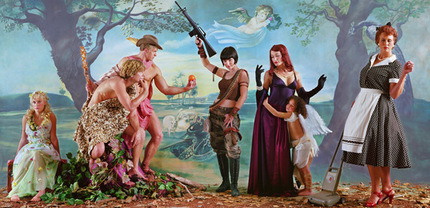
Clytemnestra
The final piece may mention gods from other cultures ??
Clay
Motivated perception
1:
Entity – emergent entity, not formed, a glitchy moment, never developed fully, so no material, no mass but information exists
leads to conversation
A: You can’t put me under a microscope and inspect me
B: What can you do? Can you do special things
A: I’m here aren’t I? But I don’t take up space. You can see me but it’s not easy, you’ve lost the knack. I live on the edge of your imagination
B: Are you a god
A: Haha, Perhaps I am
2:
A person who is a negative / ‘I never fully developed’
3:
Virgil and Tristram Shandy are planning a duel (maybe over the protagonist?). She laments, ‘One is quite dead and the other literally a figment of someone’s imagination’. Nevertheless, she tells them it’s illegal and what’s more, utterly out of fashion nowadays. And in any case, she’s not a thing, an object to be won, or to die for. But they take no notice.
Tristam Shandy (I only know of this book but have not read it) -apparently includes various blank pages and dots and squiggles – see where I talked about making the book with different materials, therefore, an idea to hold on to. (Penultimate bullet point)
4:
Use BOW A1 in an installation on its own – leave alone now
5: Penelope the perfect wife
Tom’s first film? Perhaps – still undecided there
6: Some responses to the title cutting suggest a reading of ‘self-harm’ – while I am interested in the idea of a society doing itself enormous harm as I believe the West currently is, it seems there are connotations which don’t work for me there. I had unconsciously started referring to it in my head as ‘Script‘ for a moment… I may allow myself to follow that intention through. Letting it sit with me. The underlying idea remains ‘the cut’ but I think Script can contain that
Possible statement: an entanglement of historical and contemporary possibilities – (out of which novel relationships emerge ??)
Thought: Tautology is an insecurity (See Barthes’)
Questions asked of peers
It also feels a little like the concept may be constricting your visual language. I would forget about it for a bit and just make instinctive pictures – the concept will come through more subtly. I also wonder if the book format is limiting at the moment. To be honest, it feels like it wants to be a film with voiceover rather than text. Which isn’t to say it couldn’t be both but perhaps one format will help move it forwards more.
It’ll be interesting to hear how you tutor feels.
I enjoyed working through it and of course you ‘ve got to admire the ambition!
On the subject of text, my favourite book last year was “Anastasiia She folds her memories like a parachute” by Christian van der Kooy
I think the work has an enormous promise and potential, and with continued work will become something of lasting value to your practice, let alone the degree.
A very intriguing piece of work! I was drawn in by the imagery and your text but must confess after about page 10 I began to lose a sense of what I was looking at. At first I sensed a piece of work that was quite personal, the chance meeting, does the narrator remember this person or not. What is their connection? I wanted to know more but after page 10 the sense of a film script grew but at the same time I became lost and other than an overriding sense of the negative aspects of today’s consumer society I found it hard to follow. I also found the amount of text too much for me in a photographic piece of work.
It certainly got my attention though and I would want to look at it again to try and understand the overriding themes.
It will be interesting to see where this goes.
 ). And I haven’t read what anyone else has had to say, by the way. How does it make me feel, you ask. On edge; a little uncomfortable; to an extent, frustrated (by, I think, my struggle to find some firm ground from which to read the work – and I mean ‘read’ in the broad sense; though there is some frustration, too, at the literal reading level); like lost 21c soul struggling to get to grips, out of touch with what’s going on. Positive/negative? That’s a tough one to answer – probably a bit negative … but with some reassurance that it all seems to be a play/film anyway! I felt before that your work is to be experienced not read/understood, and I get that here. Your questions (in your e-mail) suggest that you’re not looking for a critique – but I do feel the need to comment on ‘text’. There is a lot of it; no indication as to where it comes from, so presumably your own words; so, am I reading this, to a significant extent, as a piece of creative writing. That may be something to think about in the course context – but, of course, it’s actually a piece of creative work, whatever the form.
The way forward? … let it come to you. 
Response to the work
The title of ‘cuttings’ – fits with film but is there another link – cutting edge, sharp wounds, self-wounds, the bruising of life as it unfolds.
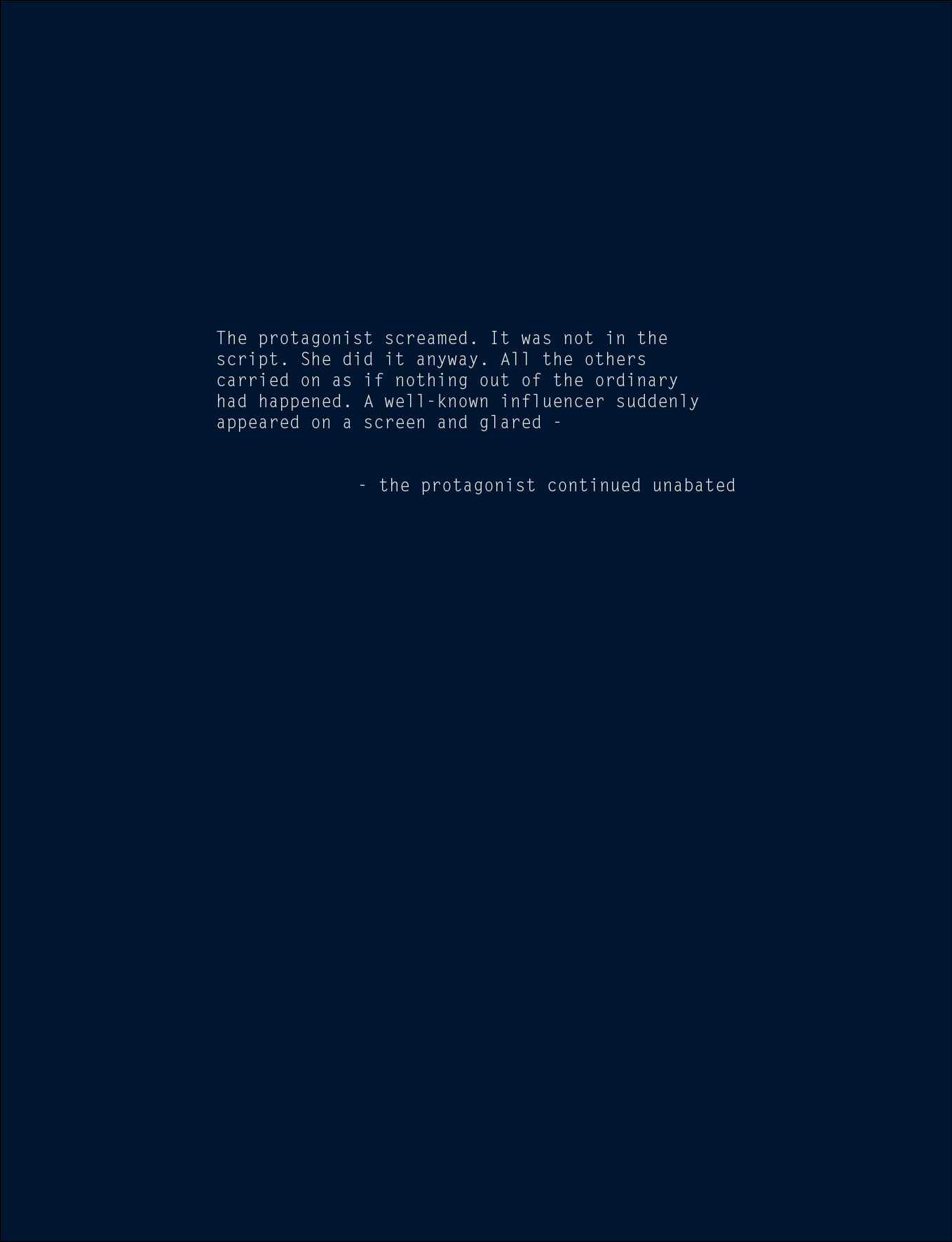
Beginning quote. Fits neatly with your ‘cuts’ – part of a greater whole as it reveals itself. Snapshots from life; chapters perhaps but not necessarily from the same lives. Parallel lives. Incidents that might happen to many in different ways. Something universal?
The choice of that deep colour blue for the cover. An almost midnight depth. What are the connections for you here? The quote – not wanting to stay with the script; rebelling against the individual demands of ‘your’ life – rules, expectations, roles.
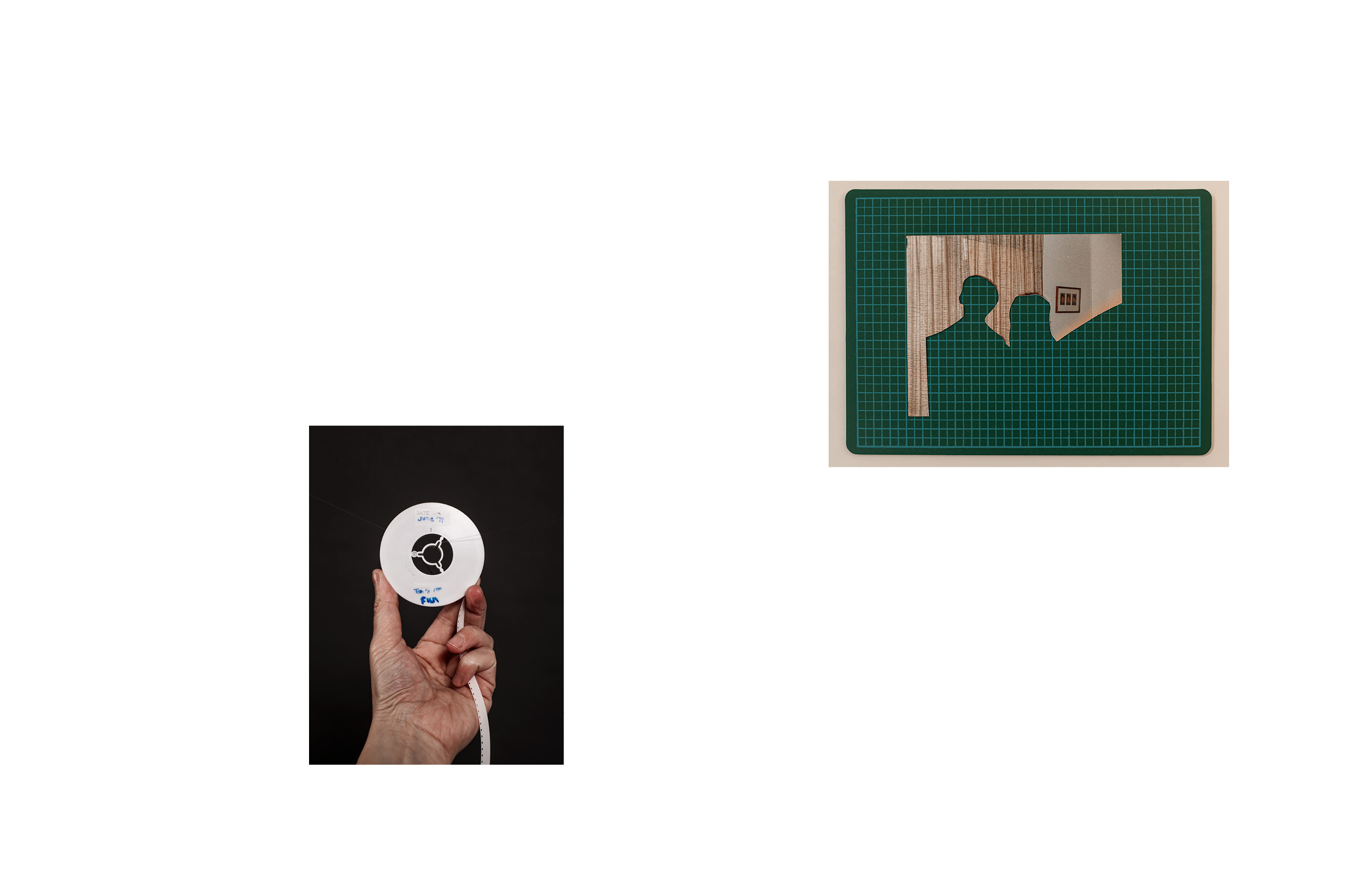
Placement of images – e.g. holding the roll of film the cutting mat above. What will survive the cut; how will it work out. What happens to the piece that’s been cut.
Who is in the cast? How many? Is this about being a woman’ a woman’s life?
Stream of consciousness, all the differing thoughts that pass through one’s mind at several points during the day Shopping a good example – a routine task to keep family fed. Living life like a programmed robot. Is this all there is to life
Multi-tasking and thinking. Losing sense of self in the banal everyday.
The ideal life of the advertisements v living life.
Something about the prostituting of self to be taken care of. Marriage a transaction. The cruelty of rejection.
The selfie generation as example but is this what it’s always been – looking for a greener field, being an observer of life; life passing by. Looking outward rather than inward to find sense of self.
Spelling/typographical errors (apart from deliberate such as no capitals in some sections
Couldn’t see any.
Any suggestions for going forward that spring automatically to mind
Tread lightly. I’m reminded of when I sat as a model for a couple of different sessions for painting a portrait. There was more of me captured in the beginning stages than when the artists started filling everything in. They were frustrated because they couldn’t ‘capture’ me and that included the tutor who was painting as well.
Leave those spaces for the viewer to enter in with themselves. Window and mirror.
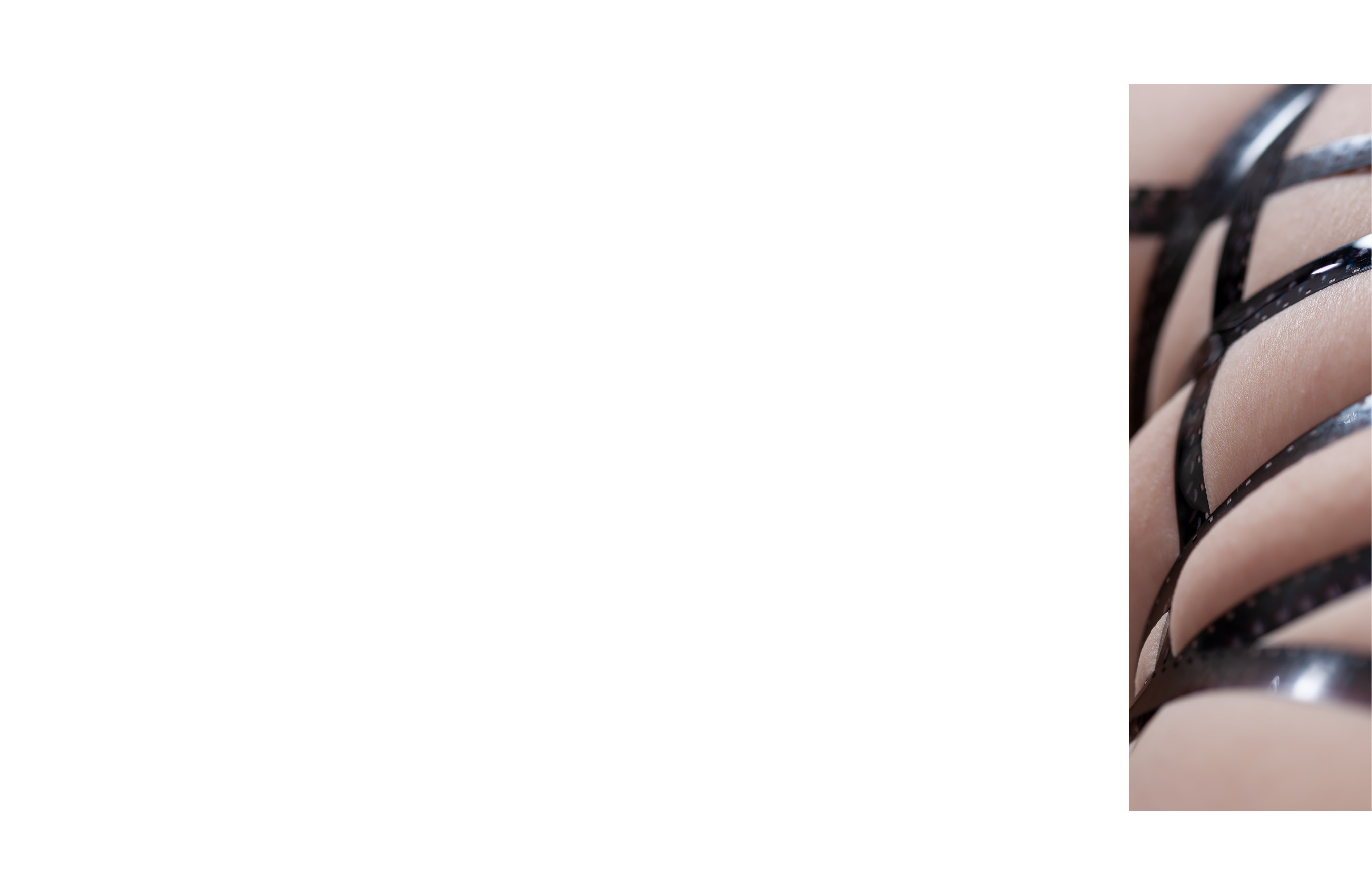
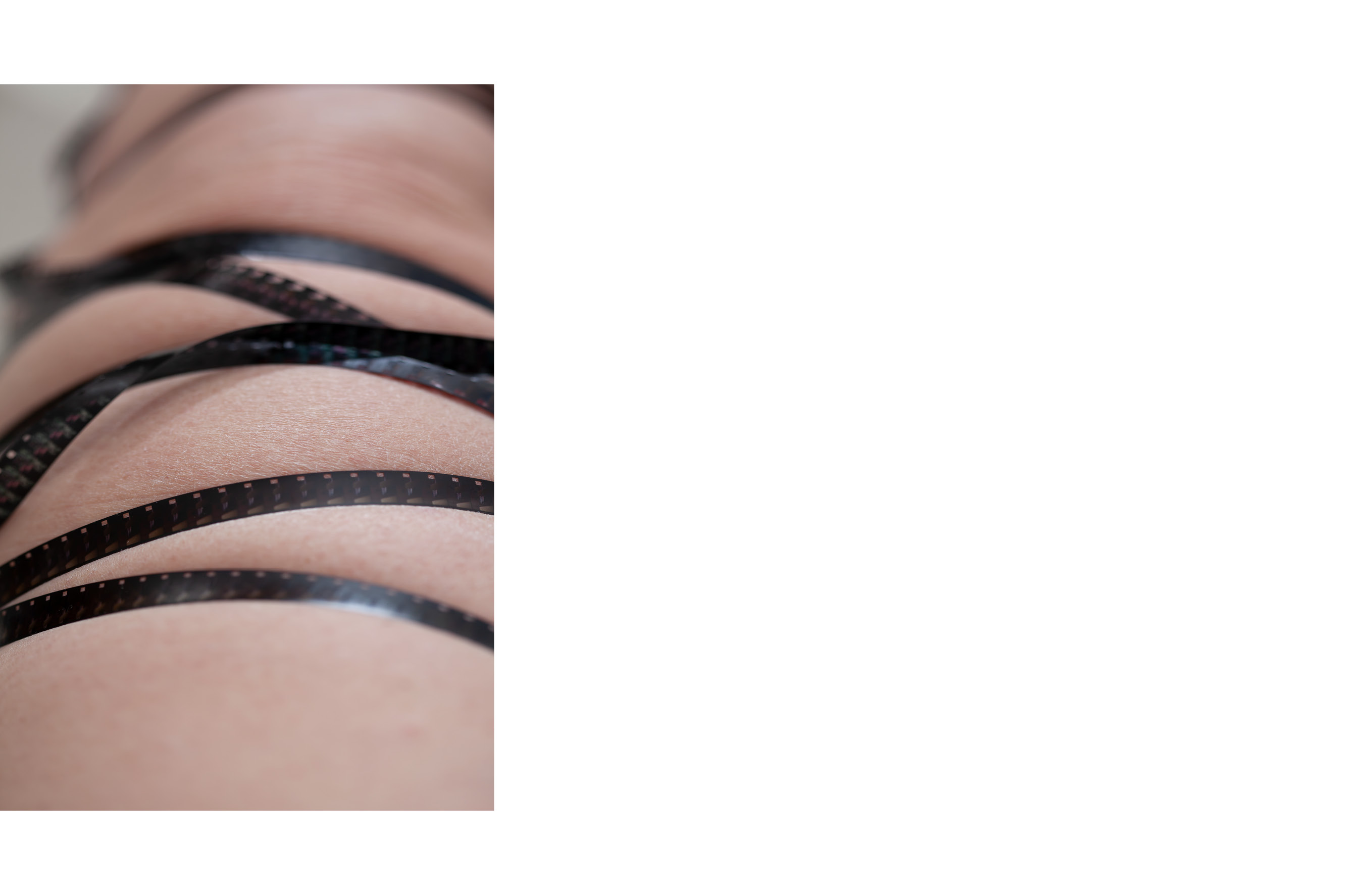
Paraphrase verbal feedback: Love the leg images, very clever, in five years’ time there will be some people who don’t even recognise it; we’re all tightly bound by film and images. Interesting stuff.
‘Samuel Beckett left strict instructions for his ‘one-mouth’ play. Don’t act. And you can never go fast enough. Easier said than done, writes actor Lisa Dwan’ — Read on http://www.theguardian.com/culture/2013/may/08/beckett-not-i-lisa-dwan
Lisa Dwan- https://youtu.be/e4qaRp4t4jg
Billie Whitelaw – https://youtu.be/VFQH7hhDTSE
As you work through Part Three, carry on developing your major body of work. Continue to shoot and reflect on your work so far and build a set of images to submit to your tutor.
Remember that the point of these assignments is to get tutor feedback on the project as a whole so come with your questions on how to move forward and ask for your tutor’s opinion on how the project is working so far.
Submit your work in progress together with a reflective commentary. Your reflection may consider some of the material in Part Three if it has been relevant to your practice. You may also wish to consider how genres are continuing to influence you and how you’re relating what you’re doing in Contextual Studies to your practice on this course.
‘Through photographs, the world becomes a series of unrelated free-standing particles: and history, past and present, a set of anecdotes and faits divers. The camera makes reality atomic, manageable and opaque. It is a view of the world which denies interconnectedness, continuity, but which confers on each moment the character of a mystery’
Susan Sontag, On Photography
The spreads are provided below, but it is likely best to look at the PDF above in Adobe or Preview on a decent-sized screen.
Context and reflection can be found beneath the images below. Links to influences and my own research/blog posts are listed at the bottom of the post – there are no links in the body of writing.
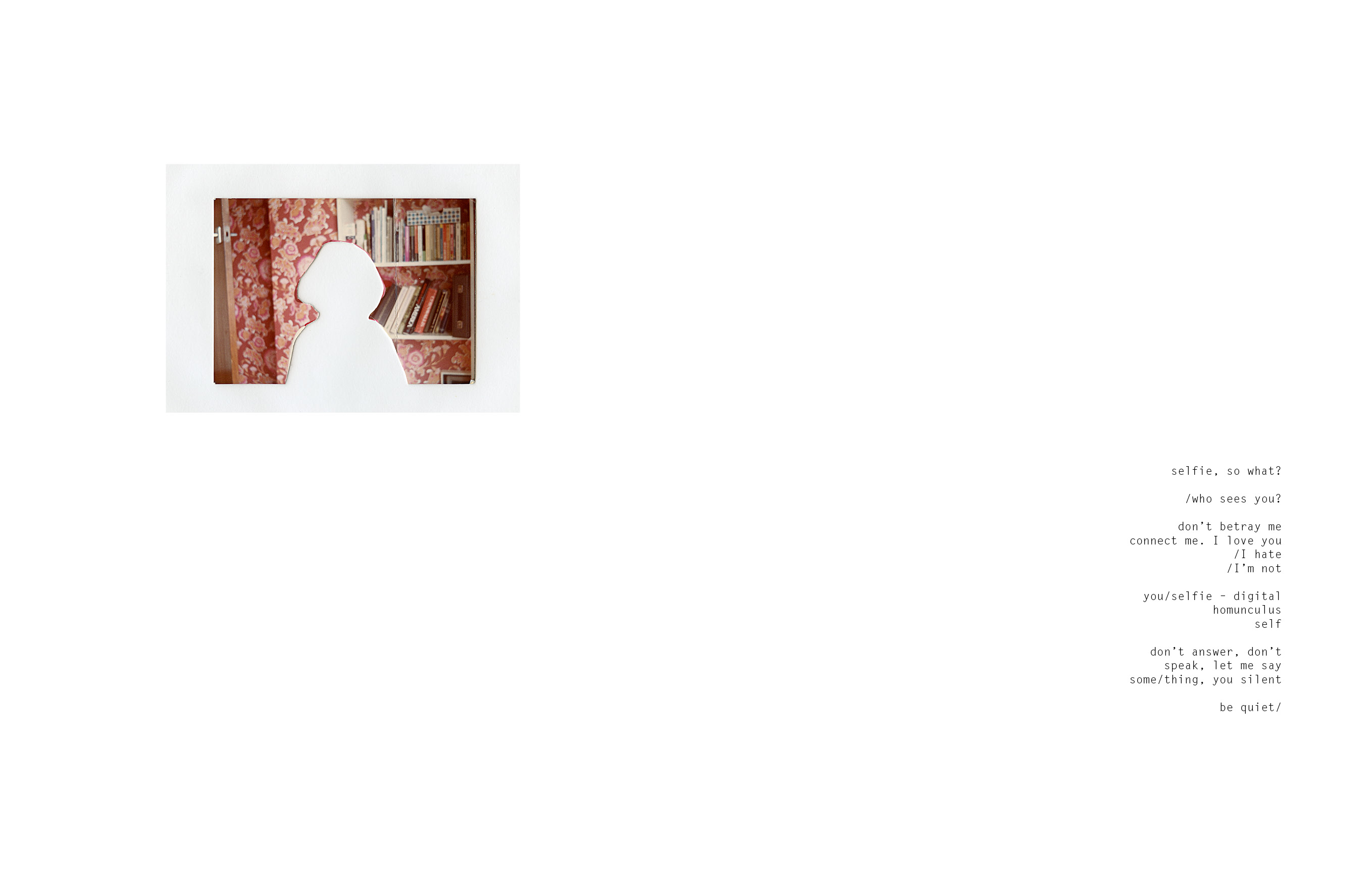
Cuttings is an inquiry into the way meaning emerges from the entangled intra-action between stories and lived experience, language and material; it explores the making and shaping of matter and ideological objects. As an emergent object itself, it echoes the fragmented way we receive information today.
Proposal
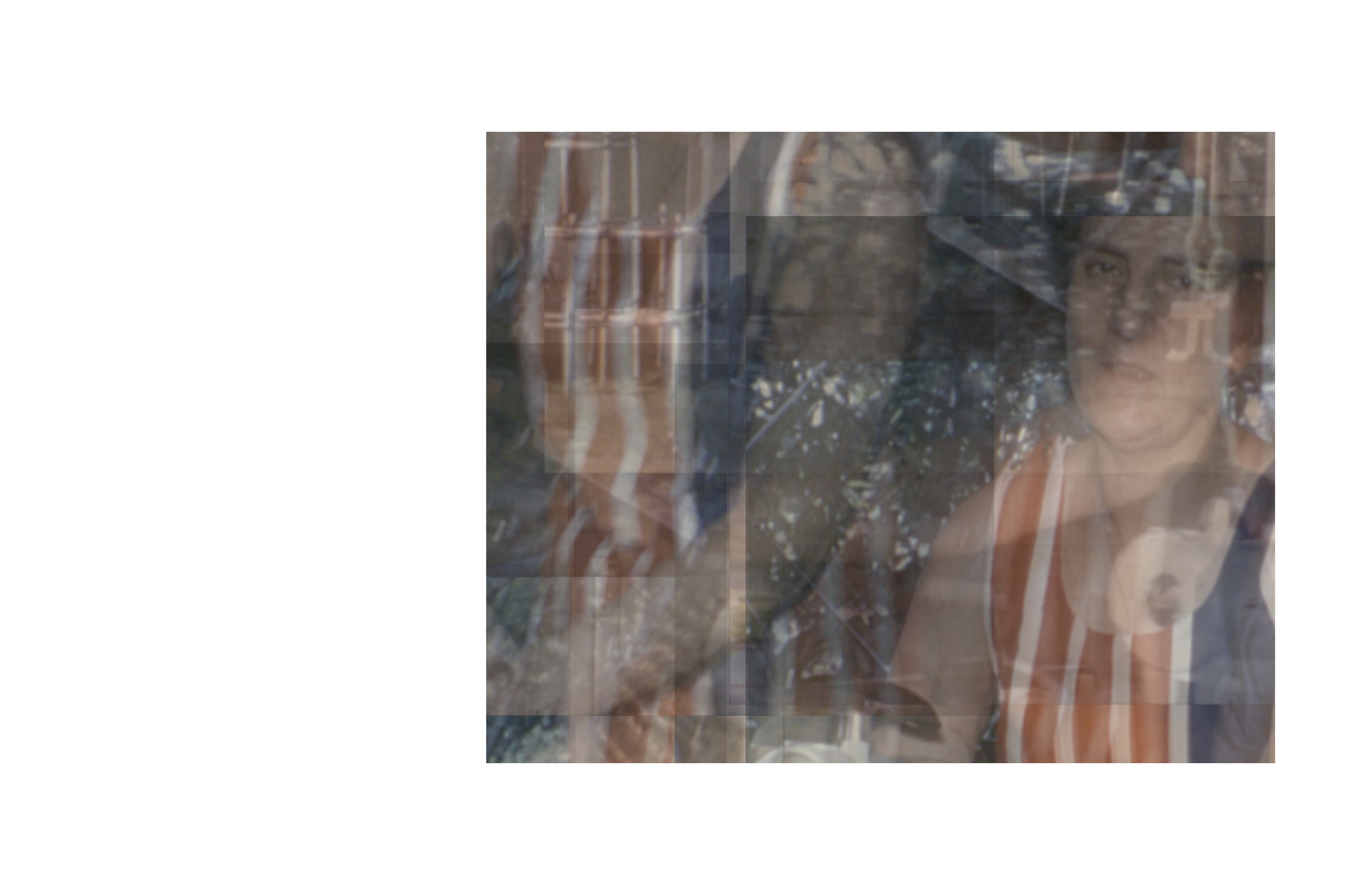
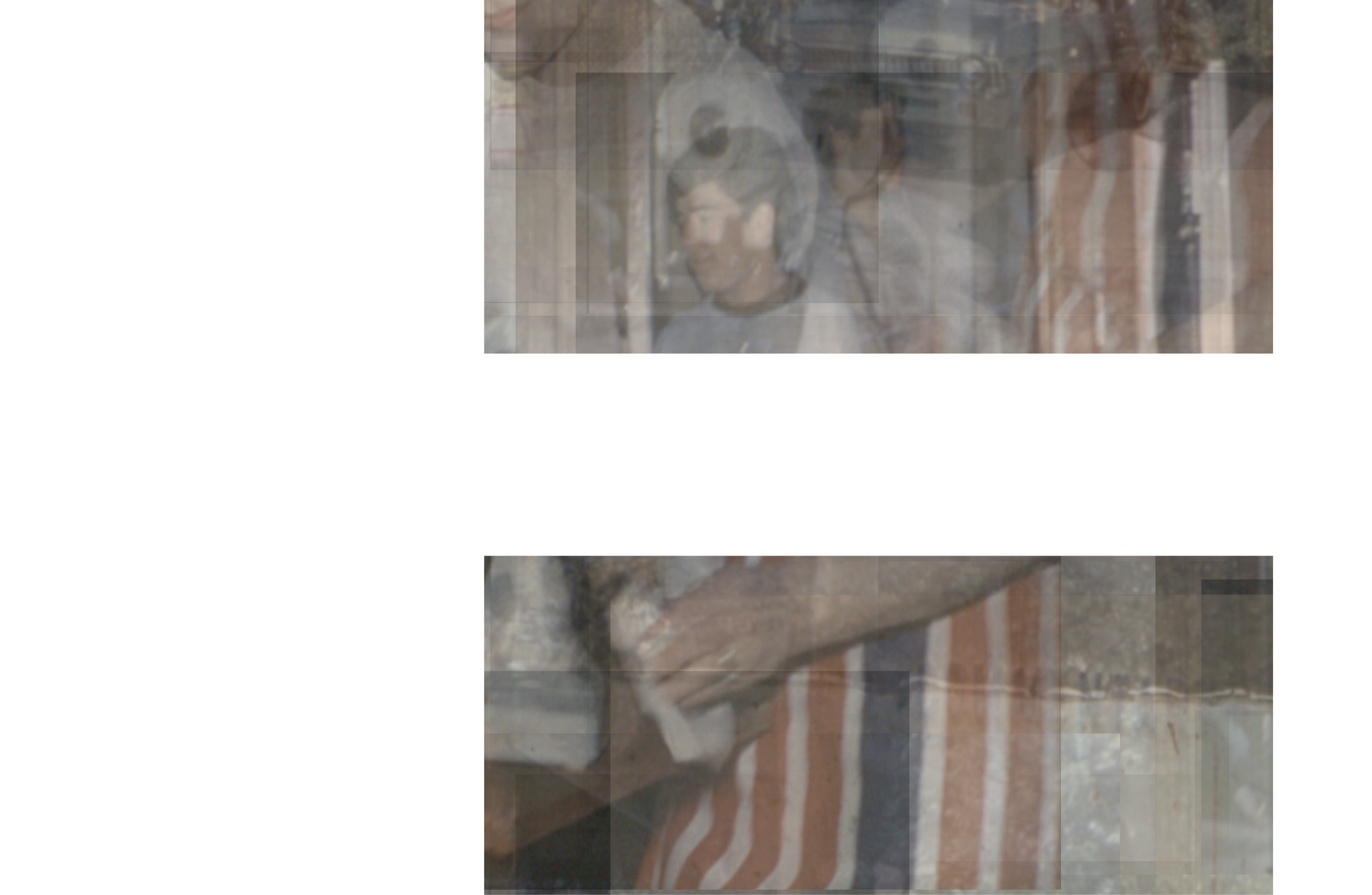
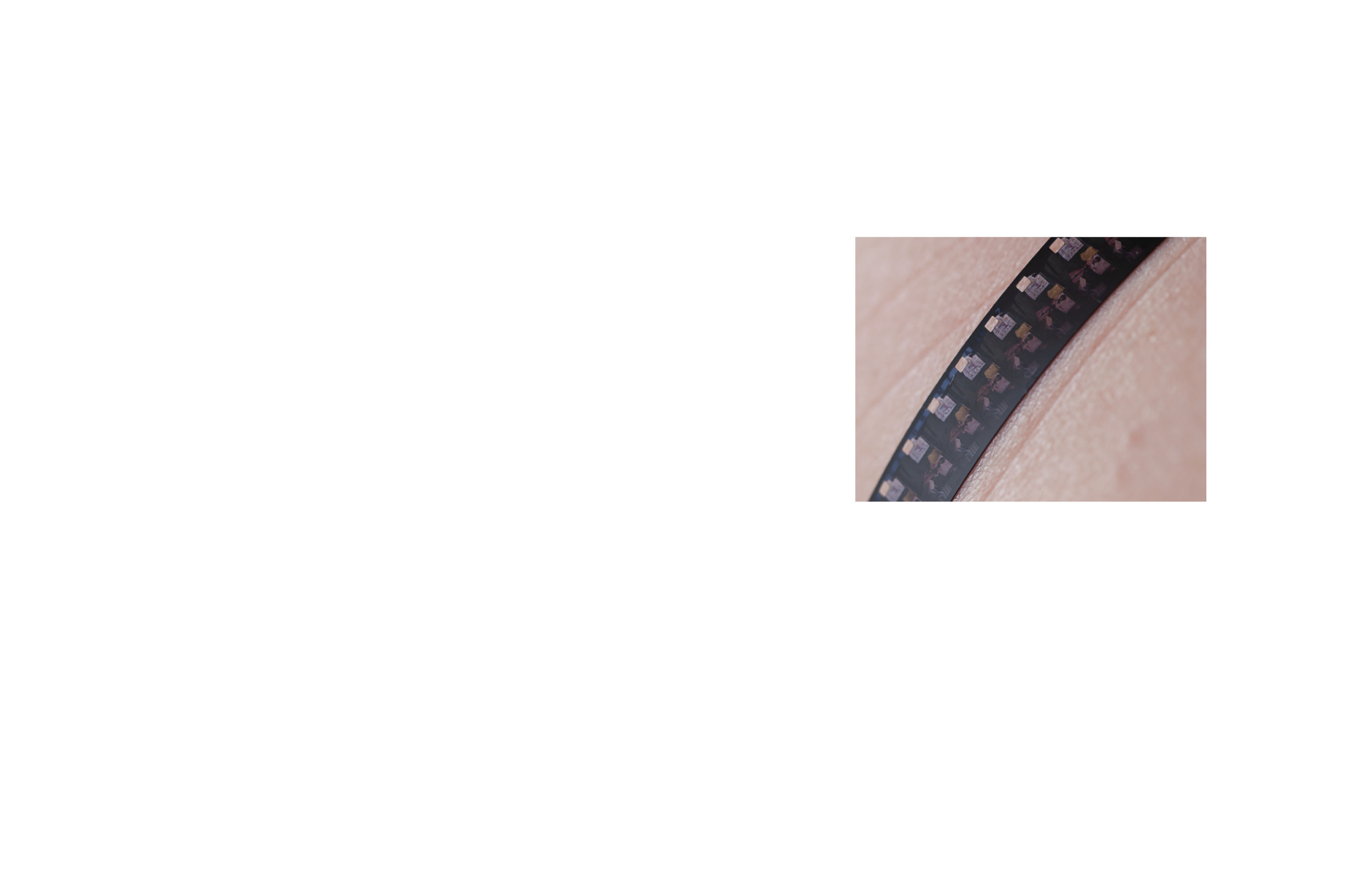
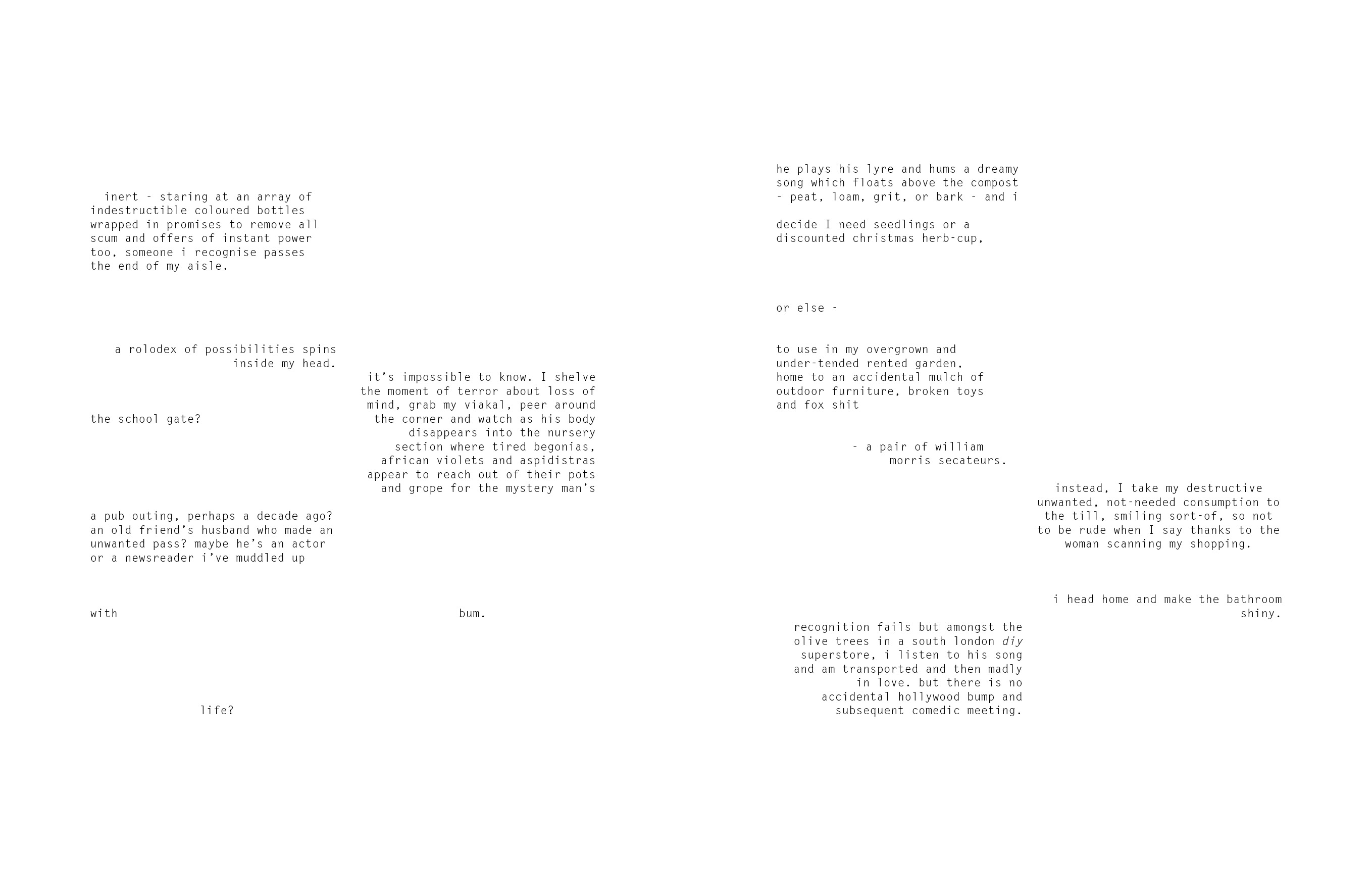

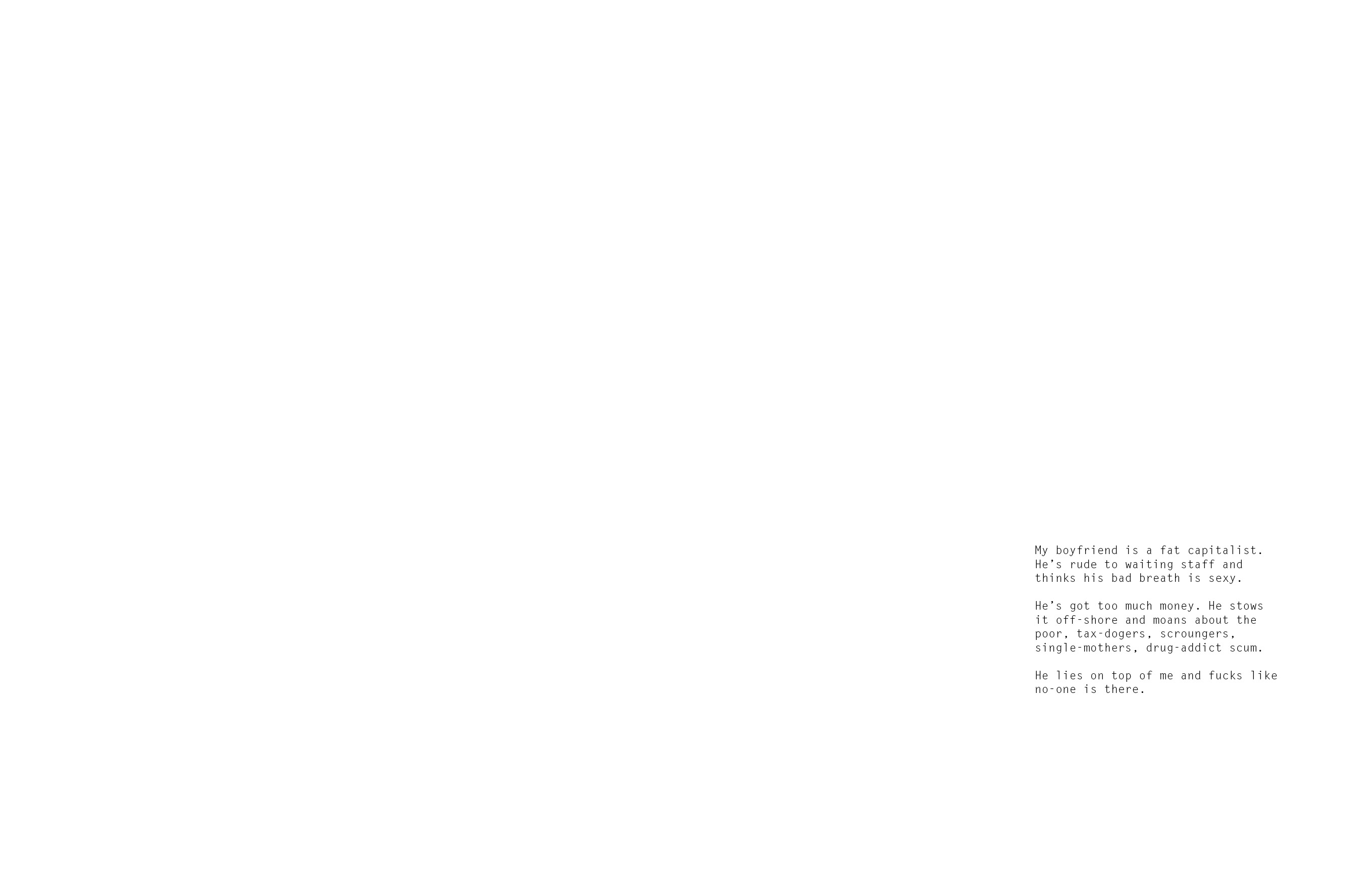

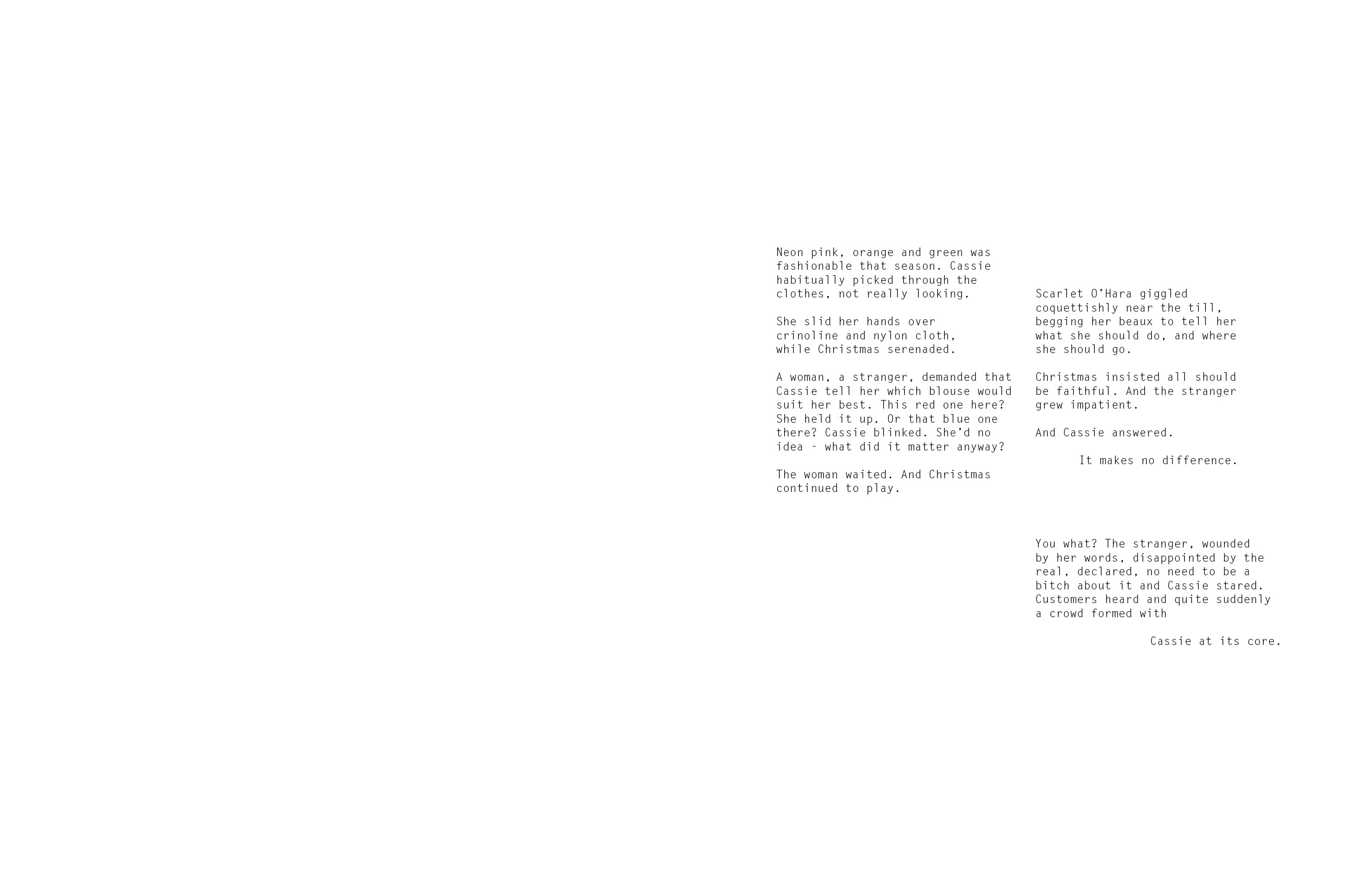
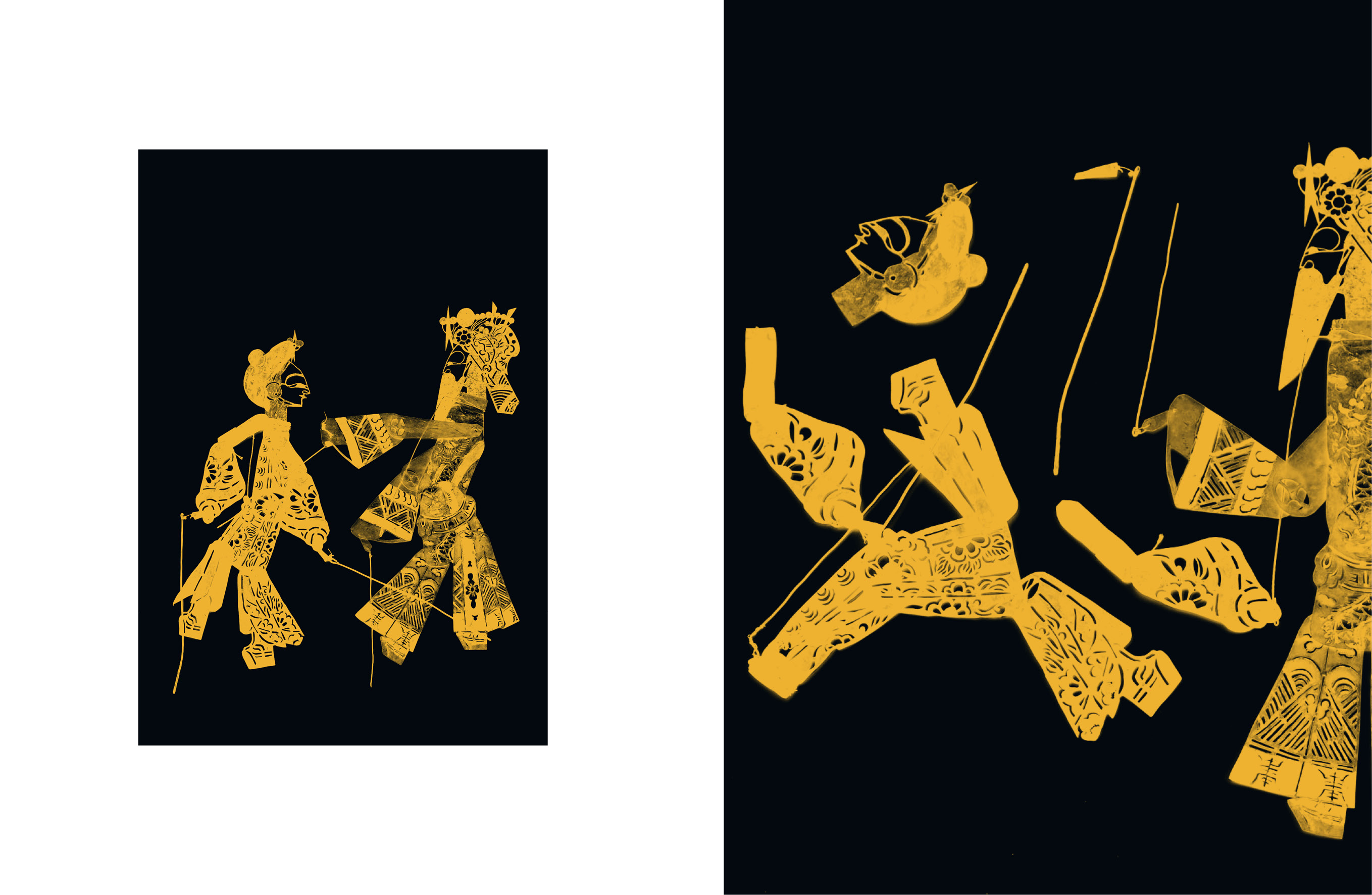
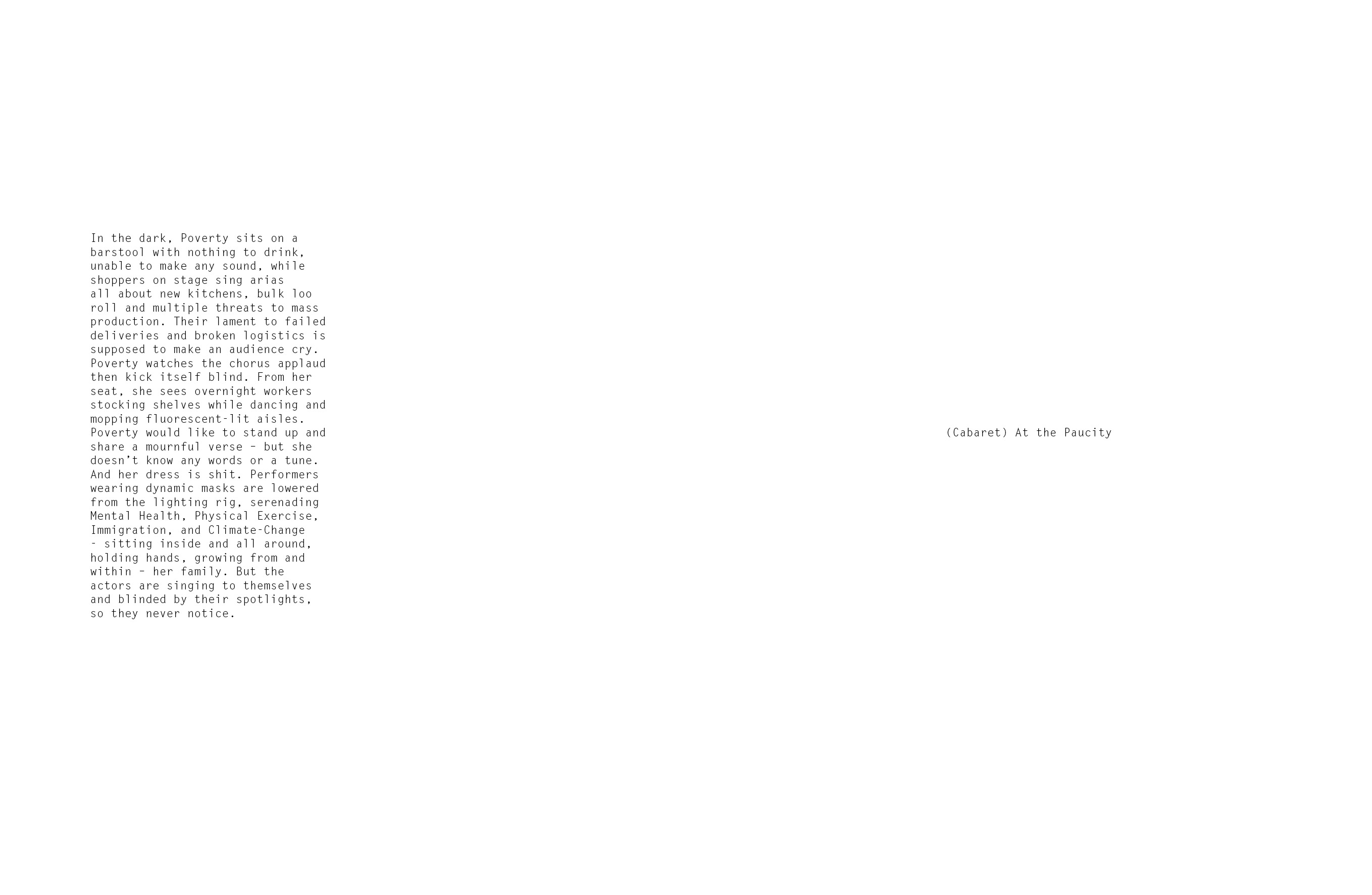
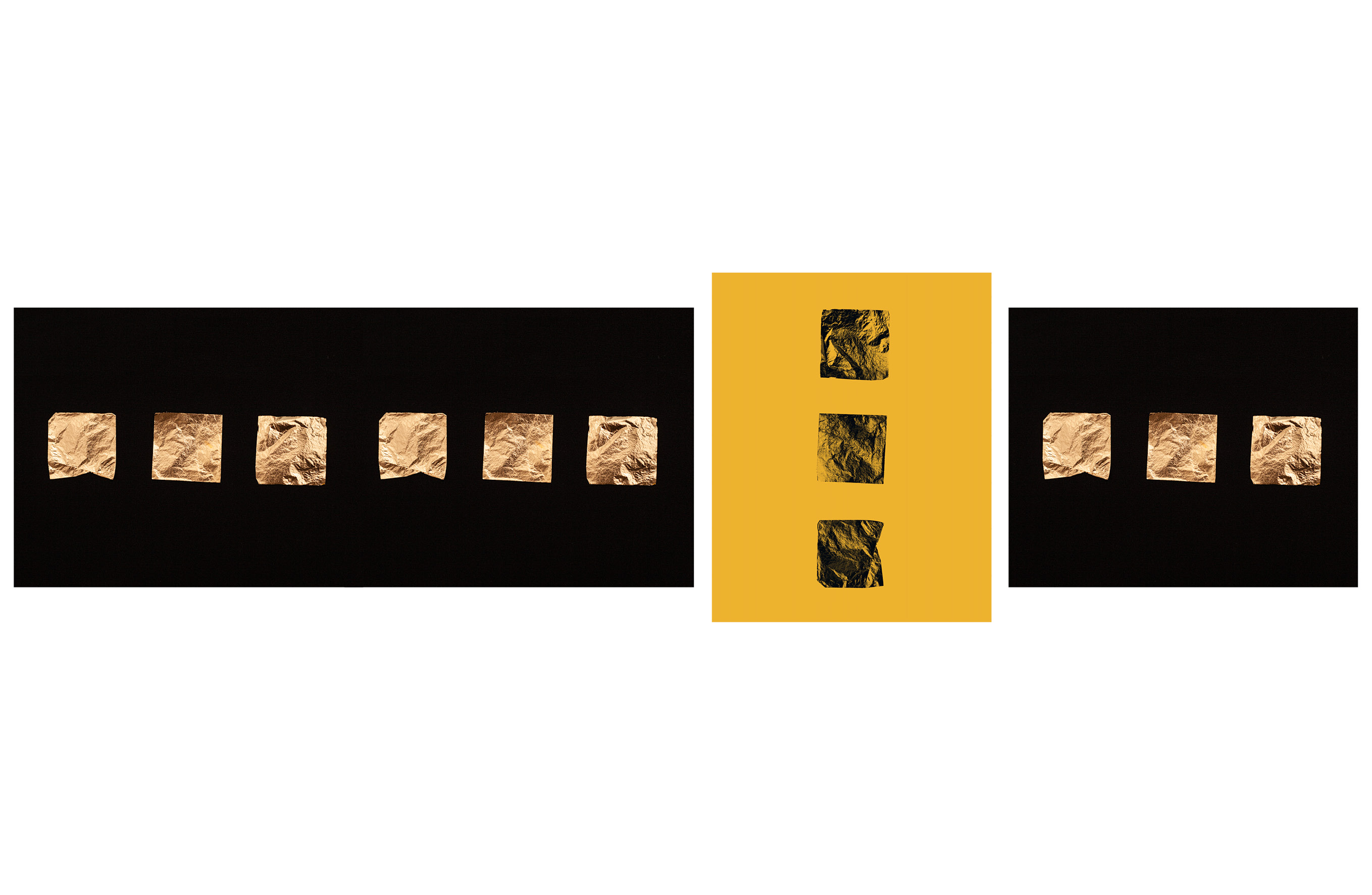
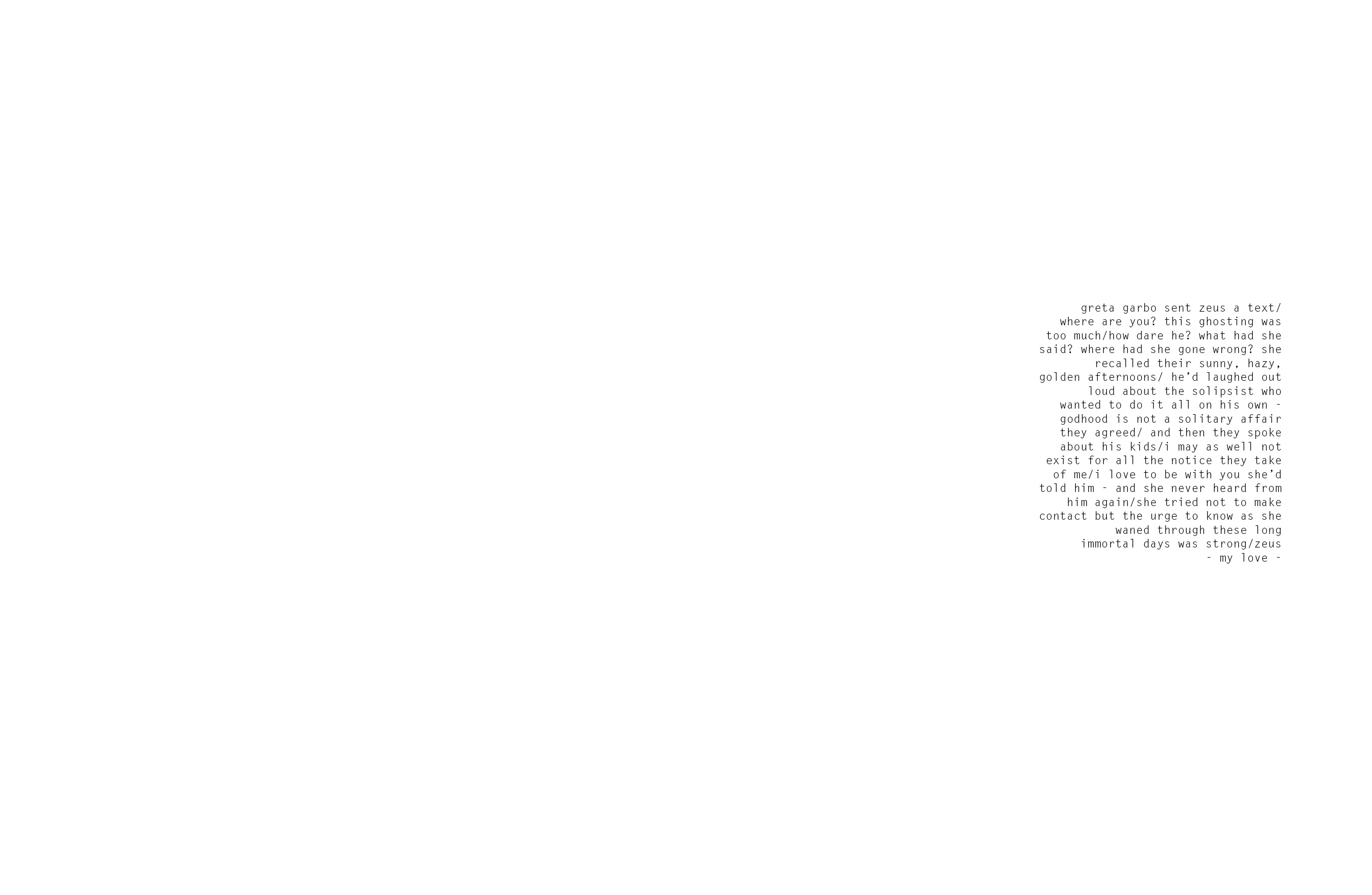
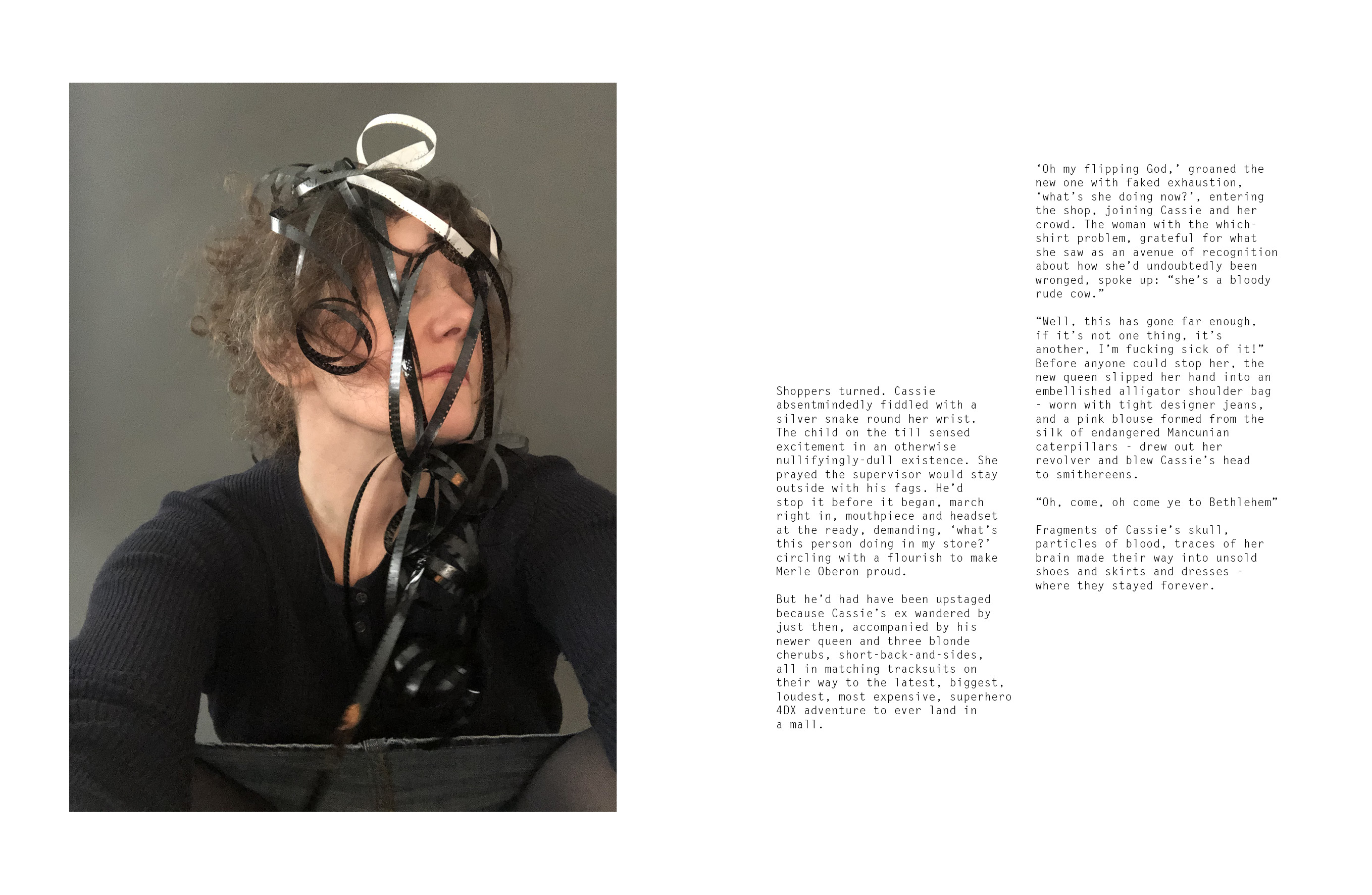

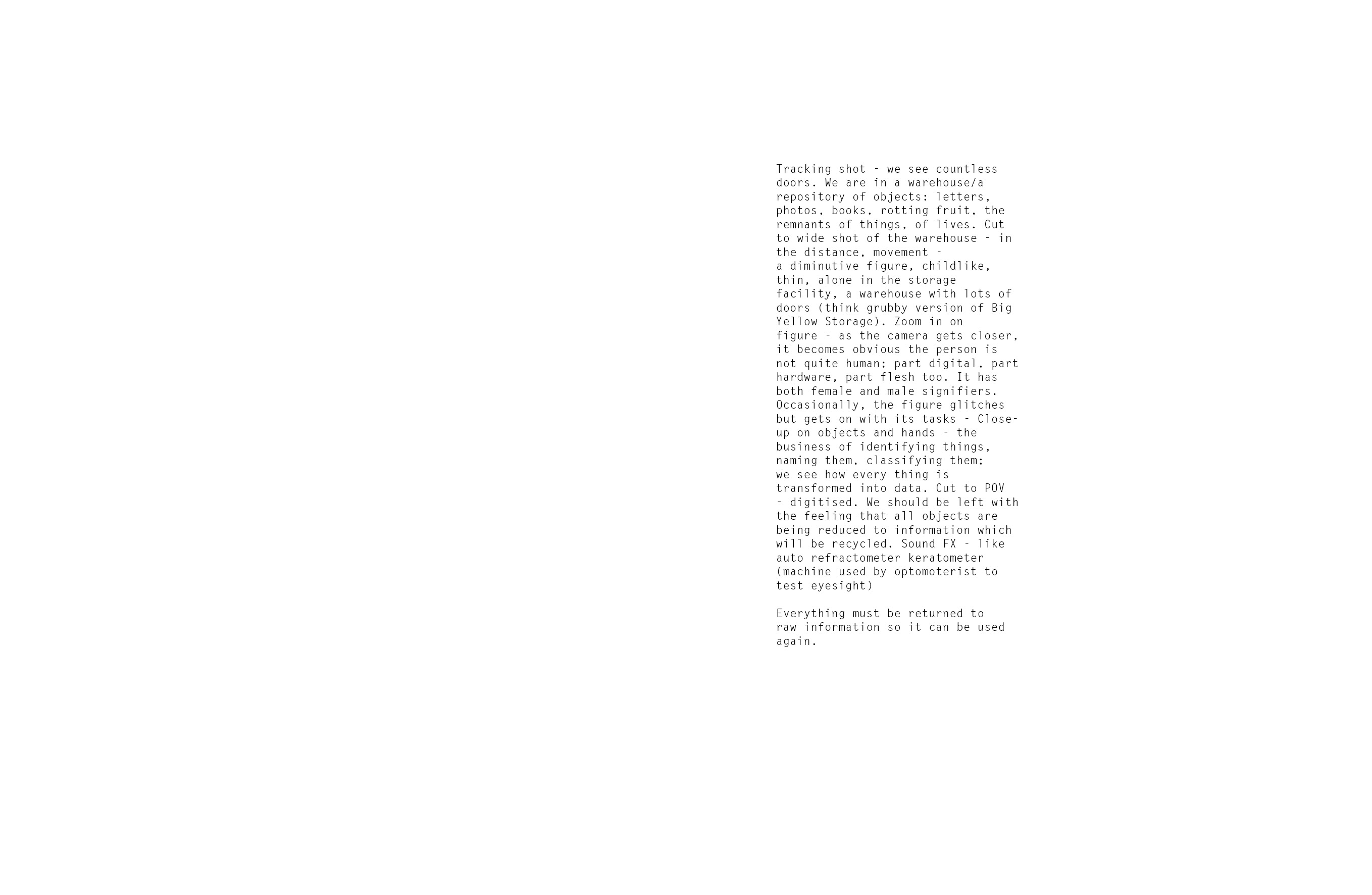

How the work came about:
I think I arrived at the title for this iteration – Cuttings – after reading a relevant chapter from Life After New Media (Kember and Zylinksa (2010). I have been attempting to look at the way we construct reality which is a vast subject and not much of a micro-narrative with which to contain the subject. Edgar Martins and Lisa Bernard both explore the sort of ideas I’ve been playing with but they are contained within precise and potent narratives. I have looked at Martins’ work, Siloquies and Soliloquies on Death, Life and Other Interludes (2016) which is ostensibly about death as it says in the title, but woven throughout is a relatively new way of examining and constructing the world – a non-linear, non-Cartesian way; one that is influenced by a modern form of science which does not see a world filled with discrete unrelated objects. (Even death is viewed somewhat differently through this emerging lens).
In an interview, Lisa Bernard says of her work, The Canary and the Hammer (2019) – (which I have only read about and not seen except online):
“The art market is so focused on creating a linear narrative,” says Barnard, who teaches at the University of South Wales. “I wanted to do the complete opposite.” Her aim is to showcase “a very fragmented world” that stimulates and excites. Using a range of aesthetics — traditional landscapes, portraits and still life, plus archival material and digital imagery — she goes on “a personal journey” through the troubled world of gold over different periods in its complex history.’ (Raval, 2019)
Before settling on Cuttings, I had put together some slides and video. I did it this way to demonstrate the entangled, non-linear view I was exploring. It details vague plans and an original title which I have been thinking about since beginning BOW as I recorded notes/writings on my Sketchbook blog. These were titled Random notes for a short story #(number). Rather than one single narrative, there were going to be many – emulating the fragmented way we receive information nowadays, via social media for instance.
Much of my research for CS and BOW has been based around Meeting The Universe Halfway by Karen Barad (2007) where the agential cut is a key term in her thesis. It is one aspect of her thesis, which she calls agential realism. It’s impossible to summarise her work without being reductive – but there are some crucial elements such as entanglement, diffraction and a rejection of representationalism. This latter concept is the hardest to get my head around and I am not sure if/how the work I’ve made supports or rejects it. My CS essay plan describes these terms in more detail.
The full post with this video with individual slides is available in the links at the bottom of the post
Background and ongoing development:
I have made extensive notes and included contact sheets, rejected ideas, early experiments. Crucial posts are available in the Chance, Research and Reflection drop-down menu item , and a keyword search will reveal even more if that is necessary.
Chance
Some of the work included was deliberately made with chance in mind – the 8mm film was ordered from eBay. I had no idea what I would do with it once it arrived. I have photographed it and made new images with it. While making the dummy I made printing mistakes which led to ideas – forgetting to press a button that ensured images were printed on a single page – then used that split in the book. The selfie was not intended for actual use but have used it anyway. Lots of experimenting has led to surprises which are included in the book.
Plans from here:
I feel I have a choice – keep developing this book, or use it as an actual script (rather than a little double entendre about life) to create a moving image piece or several separate short pieces. I am sure the second option would lead to further images and writings and the book would grow/develop anyway as a consequence. But it may be attempting too much. I suspect, keep developing the book and then curate the experiments in SYP if I go for exhibiting rather than book production. Something to think about and discuss with Ruth.
I have used Processing – a coding programme to create some of the images that appear in the book now. Early moving image experiments are available on my Vimeo feed and posted on my blog – and I hope to find ways to make short looping films which could go on a web page with some of the texts perhaps.
Some people found the tiny handmade book development tool I made ‘enchanting’. For a moment I was almost tempted to go down that route. Melissa Lazuka’s Songs of the Cicadas, a handmade book with a very limited run for obvious reasons, looks a beautiful object but it is terribly romantic and I don’t think it’s the right direction. I have tended to make digital newspapers in the past – I like the utilitarian democratic nature of them but I do like the idea of a real book too. Something to contemplate.
Issues with this version:
I think there are some things I can do to this version of the book before submitting, reshoot a couple of things, add a bit more maybe – I have other ideas I’d like to play with, and the image of me at the end was a phone pic I did before attempting my first shots with the film – it’s a ridiculous picture which I dismissed but when I looked on my phone for something else, that’s what I liked about it -it’s ridiculousness because selfies often are. I would probably also reset the text to give it a thicker margin, look at decisions that will be affected by print choices – but I feel I need a bit of time away from it now, and to get back to the essay.
Peer feedback
I have not requested feedback yet but will do after submitting to Ruth and take any useful comments forward to the next stage of development/assessment submission.
Reflection
Demonstration of technical and visual skills
My everyday photography is not still life and I find it tricky – it requires the kind of skill that doesn’t come naturally to me. The image of the photograph on a self-healing mat with lines nearly didn’t make it – if I couldn’t get it straight it wasn’t going in. It’s not perfect but I think ok. My Processing skills are extremely limited. I wanted something to look like it had been through a digital process. I think there is much more scope but balancing out the time to find out how to do things (I am currently at the stage of copying and pasting the code I picked up in class and am grateful for Simon Chirgwin’s help as he attended it too and is far abler). But overall, I think it demonstrates a good level.
Quality of Outcome
I think this work is ambitious and carries a level of risk with it. It feels like the sort of thing that needs to be longer, needs more substance than it currently has to be able to do what’s it’s aiming to do. But at the same time, it already has a lot going on and so although it might need to have something else, it’s always going to need refining and balancing – and simplifying to allow for the complexity to live/breathe. I can see where Martins succeeds in using a range of sources. For me, there is the added element of the writings. He has text but it’s not the same kind of writing. Its presence probably means I need to pull back with the multiple sources of images.
Demonstration of creativity
Even if someone doesn’t like the style, subjects, tone – it would be hard to say its not creative.
Context
The CS essay plan and research along with the related context for BOW is strong – and I am very much enjoying that aspect of L3. (A very hard thing for me on L3 is keeping on top of two modules at the same time, even though I know there is a reason for this and am benefitting – it’s nevertheless a challenge with time.)
Useful links
Notes on Kember and Zylinska – re the cut https://sjflevel3.photo.blog/2020/01/11/bow-cs-digital-liveliness%E2%80%8B/
Kember, S. and Zylinska, J. (2012) Life after new media: mediation as a vital process. Cambridge, Mass: MIT Press. At: http://topologicalmedialab.net/xinwei/classes/readings/KemberZylinska/LANM.pdf(Accessed 11/01/2020).
My notes on Edgar Martins work https://sjflevel3.photo.blog/?s=edgar+martins
Sophie Calle https://fraenkelgallery.com/exhibitions/sophie-calle-because
Lisa Bernard https://sjflevel3.photo.blog/2020/01/21/lisa-bernard-chateau-despair/
Project I began then abandoned mixing old and new together (2018) https://sarahjanefieldblog.wordpress.com/2018/07/18/new-project-manipulated/
Mario Klingman https://ocasjf.wordpress.com/2018/02/10/artist-talk-mario-klingemann/
Notes on Tom’s First Film – film from eBay https://sjflevel3.photo.blog/2019/12/31/bow-a3-toms-first-film/
From Sketchbook – Random Notes for a Short Story: https://sarahjanefieldblog.wordpress.com/category/bow-cs/rnfass/
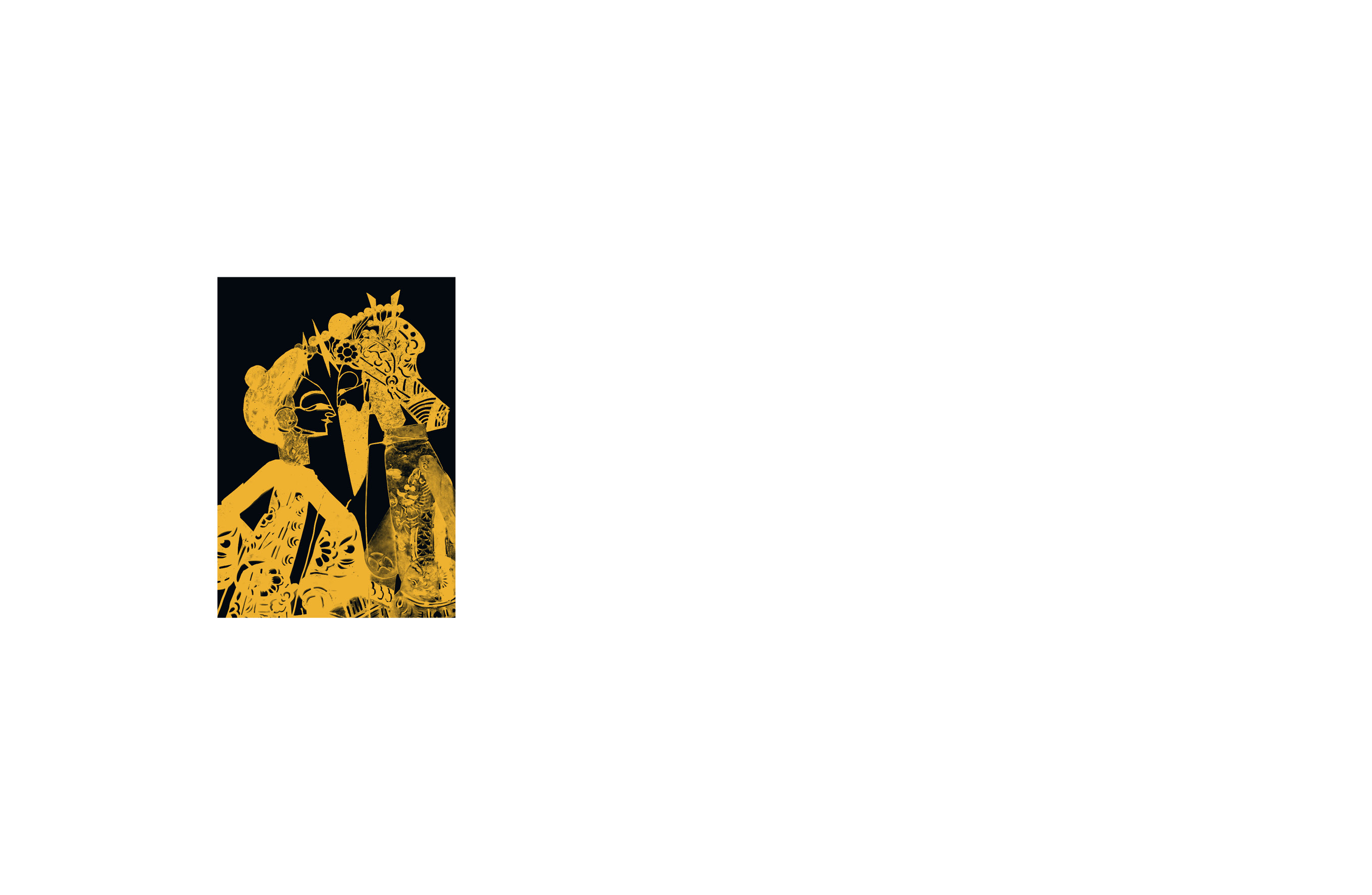
Film/photography/shadow puppets – McGregor, R. (2013) ‘A New/Old Ontology of Film’ In: Film-Philosophy 17 (1) pp.265–280. At:https://www.euppublishing.com/doi/10.3366/film.2013.0015 (Accessed 13/12/2019).
Vimeo video above – full blog post with individual slides https://sjflevel3.photo.blog/2019/12/01/bow-ca-an-attempt-to-put-bubbling-concept-outside-of-me/
I have taken lots of images – most of which were rejected outright and various contact sheets are available under the relevant menu item of the blog. (I might make a new menu button solely for contact sheets as the Research & Reference item has a very long list beneath it now.)
This page is a record of various experiments, many of which are not in the book. Click on the image for captioned information ( Note: will need to reorder these, WordPress changed the order when I changed the format to show the images so now the captions don’t always make sense – think William Burroughs is having a laugh at my expense!)


Earlier versions of the book:
 SJField - OCA Level Three Study Blog