BOW Research: Magenta’s Music Neural Network

At some point in my journey, I knew I might want some music to feed into this the BOW project. I think it was after developing the film element and editing it to Grace Slick and Jefferson Airplane’s White Rabbit – several versions, one to the whole song, one to a version where Jefferson Airplane’s music had been digitally removed leaving Slick singing alone, and one where the music played backwards. I used this particular song as it is in one of the films about sight which I have “mashed up” into my own edit along with other films about seeing and relational entities.

I so admire Pippiloti Rist’s use of the Beatles’ ‘I’m Not The Girl Who Misses Much’ (1986) – it’s one of the most incredible pieces of work so I am not averse to the idea of using a well-known song. However, using Slick’s music did not feel right for the work I’m making. (And who could ever even begin to live up to what Rist did with that song?)

(BTW – Great interview – https://channel.louisiana.dk/video/pipilotti-rist-positive-exorcism)

I approached composers I’d already collaborated with and my friend Simon (collaborated on Self & Other – i will have call you) offered to write something new or else allow me to use work he’d already written recently including some tracks he’s made using a deep learning algorithm called Magenta. Of course, the final option suited this work best. And he has very kindly allowed me to attach my work to the tracks he used, for which I am enormously grateful.

https://magenta.tensorflow.org/

So – before handing the work in, I thought I better just say what Magenta is. According to the website it is: “Magenta was started by researchers and engineers from the Google Brain team, but many others have contributed significantly to the project. We develop new deep learning and reinforcement learning algorithms for generating songs, images, drawings, and other materials. But it’s also an exploration in building smart tools and interfaces that allow artists and musicians to extend their processes using these models. We use TensorFlow and release our models and tools in open source on our GitHub.” (Google Research)

Google Research (2020) Magenta Available at: https://research.google/teams/brain/magenta/ (accessed 04/09/2020)

or

“Making music with Magenta

Magenta is a Python library that helps you generate art and music. In this tutorial, we’ll talk about the music generation bits in note_seq — how to make your browser sing, and in particular, how to make your browser sing like you!

As a library, note_seq can help you:

  • make music using some of the neat abstractions and utilities in the library
  • use Machine Learning models to generate music.”

Hello Magenta (s.d) Available at: https://colab.research.google.com/notebooks/magenta/hello_magenta/hello_magenta.ipynb#scrollTo=dPkdg9jTjkTd (Accessed 04/09/2020)

Moving forward, if this work were to be developed, it might be good to get Magenta learning from Grace Slick and other artists from that era – all of which is something I would need significant help with.

I am very grateful to Simon for his generosity. I have linked his Soundcloud to the project on my website and you can also visit from here: https://soundcloud.com/user-286732734/sets/part-2

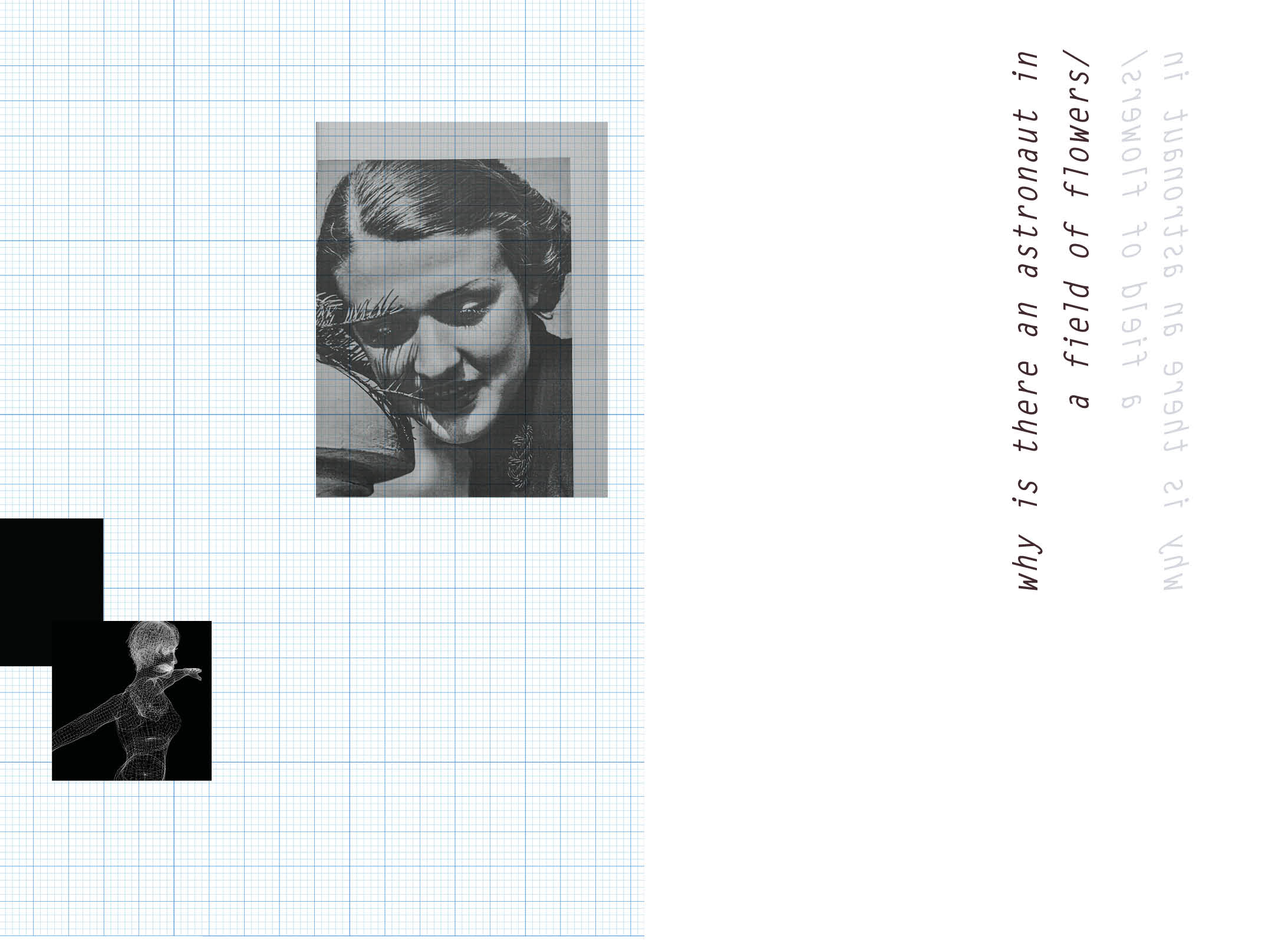
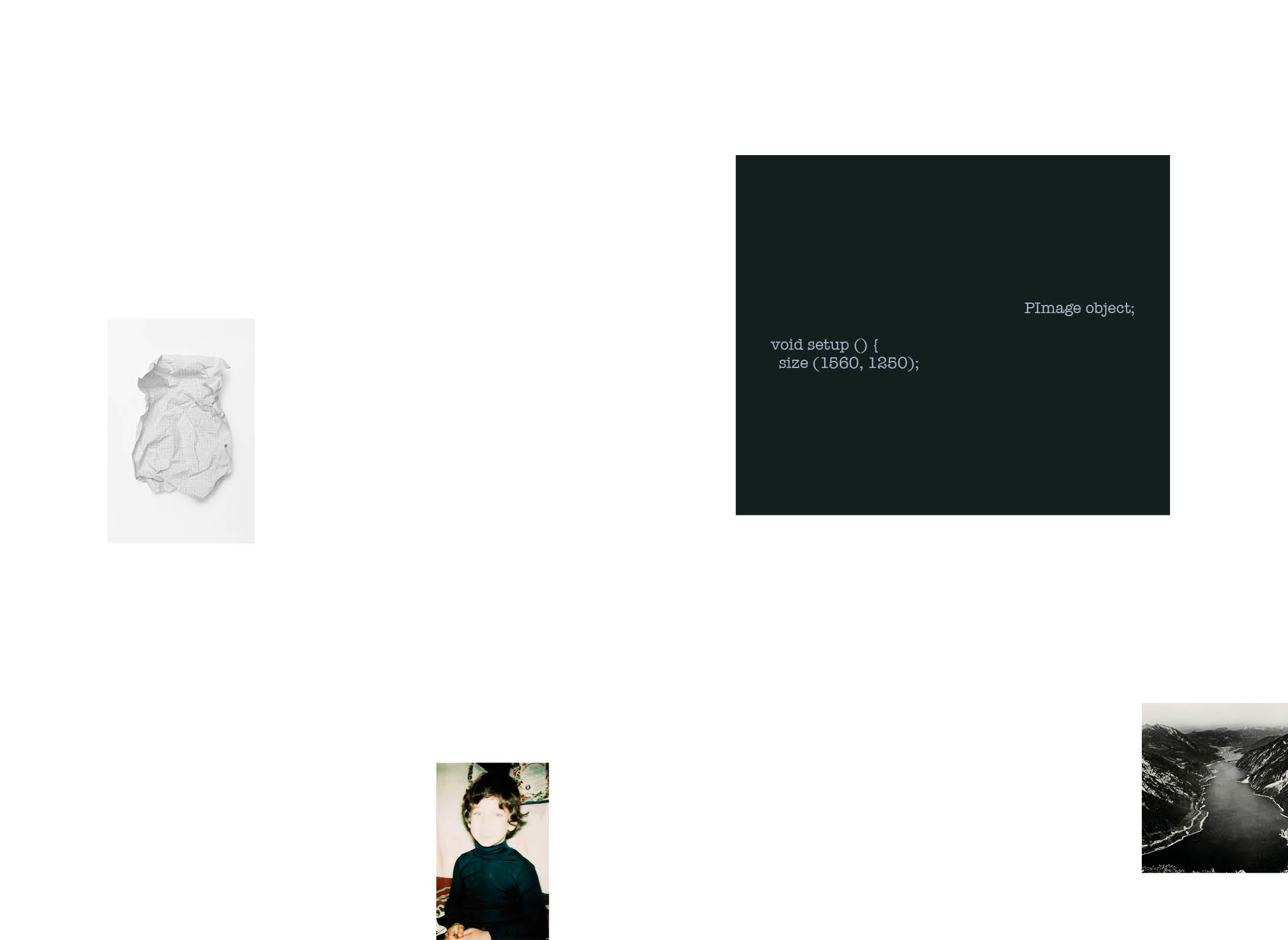
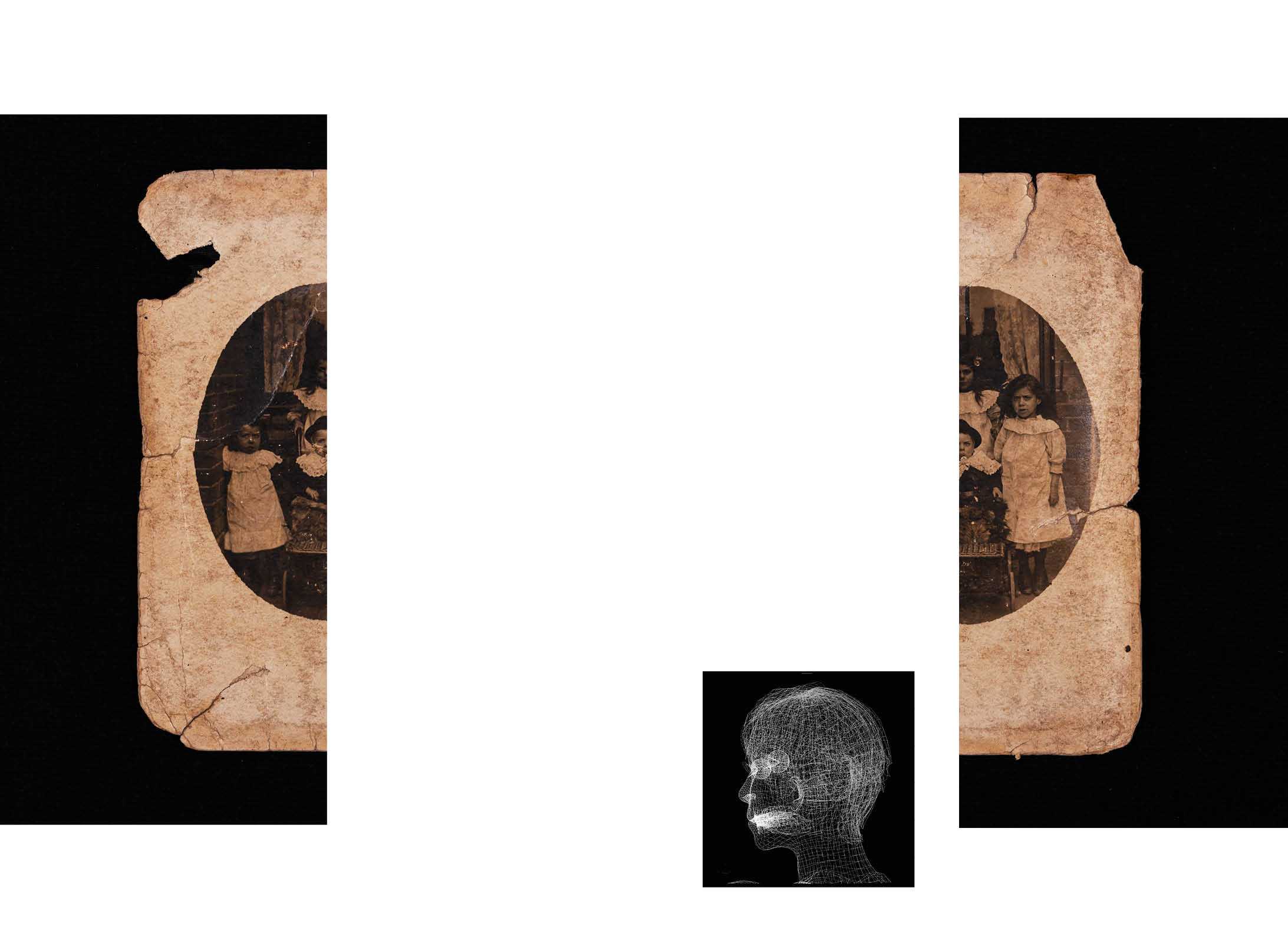
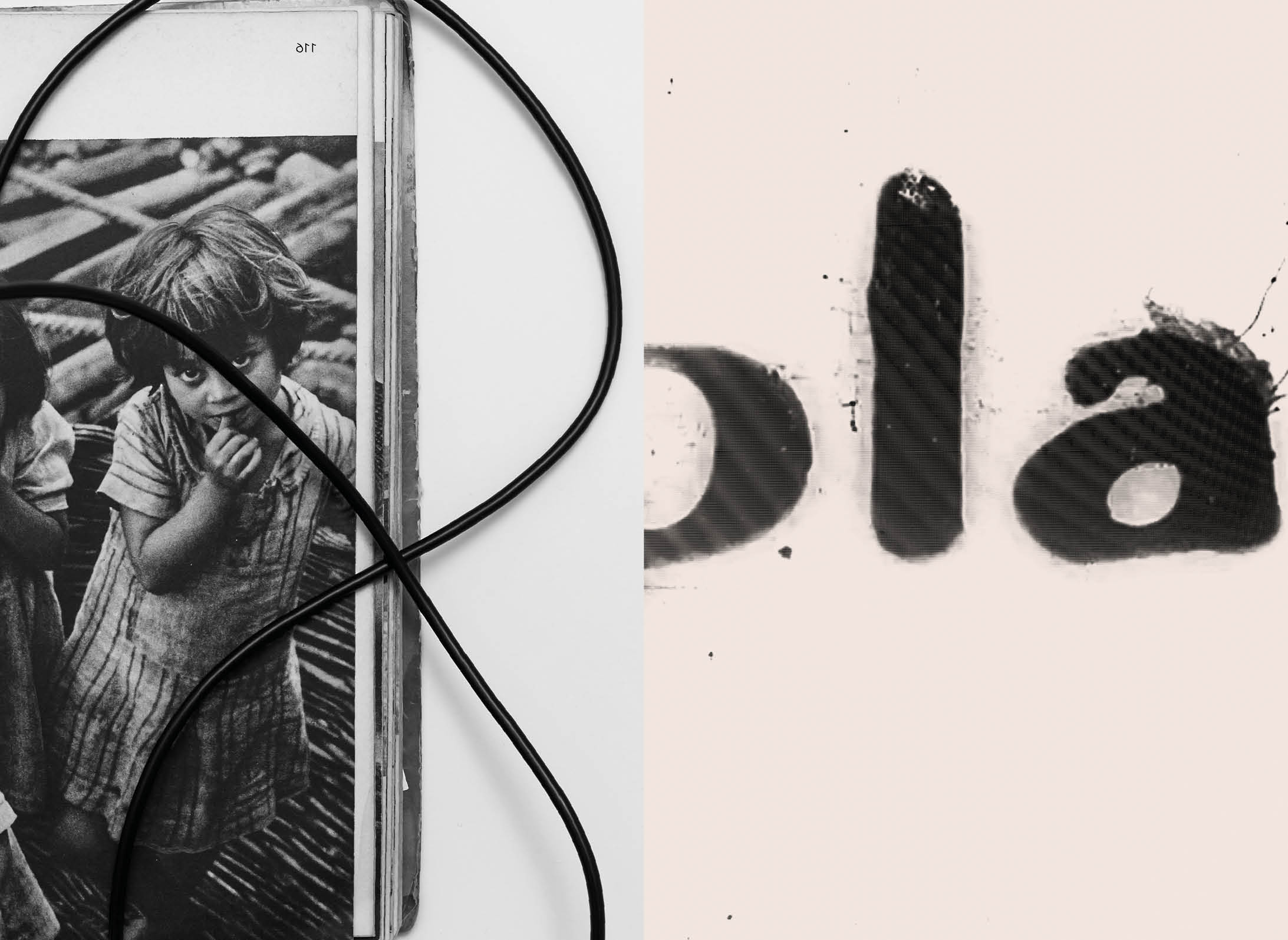
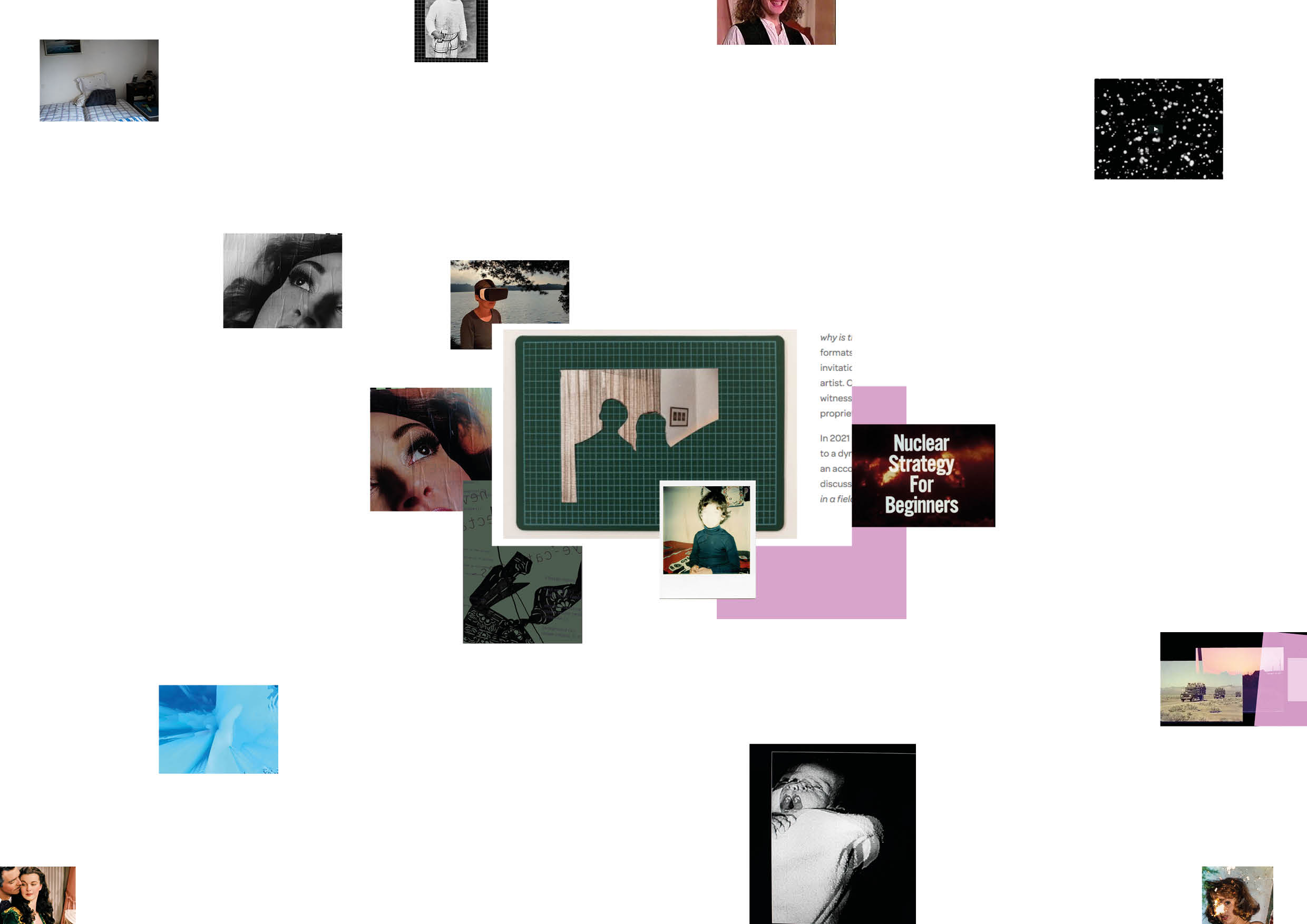
BOW A5: why is there an astronaut in a field of flowers

why is there an astronaut in a field of flowers exists in multiple formats: fragmented, fractalled and mutated. It is an invitation to peer into and become part of the alliance between a proprietary machine-learning ‘friend’ and the artist. Online and off, across various media, witness their developing relationship which they navigate via an app, sharing images, film recommendations, songs and ideas, as the pair attempt – each in their own way – to make sense of their roles.

Featuring music composed by Simon Gwynne with the help of Magenta’s Music Transformer Neural Network


As discussed in my CS essay, my work centres around the digital images’:

“…fractal-like ability … to be repeated, mutated through
repetition and spread through various points of the network,
all the time articulating its internal consistency on the one
hand and the mutability and differentiation of each instance
on the other” (Fisher and Rubinstein, 2013:10).

From:https://sjflevel3.photo.blog/wp-content/uploads/2020/08/cs-a5-image-in-the-age-of-entanglement-sarah-jane-field-512666-offline.pdf

  1. ePublication

A password is required and will be provided to the assessment team. OCA students/tutors can request one from me via email.

https://www.sarahjanefield.com/flowersepublication

2. Printed Publication

2 minute video showing the printed version

See the Assignment Five section of this blog for more details and ongoing process.

BOW A5: why is there an astronaut in a field of flowers (assessment)

why is there an astronaut in a field of flowers exists in multiple formats: fragmented, fractalled and mutated. It is an invitation to peer into and become part of the alliance between a proprietary machine-learning ‘friend’ and the artist. Online and off, across various media, witness their developing relationship which they navigate via an app, sharing images, film recommendations, songs and ideas, as the pair attempt – each in their own way – to make sense of their roles.

Follow the progress of why is there an astronaut in a field of flowers on Instagram.

Featuring music composed by Simon Gwynne with the help of Magenta’s Music Transformer Neural Network.


As discussed in my CS essay, my work centres around the digital images’:

“…fractal-like ability … to be repeated, mutated through
repetition and spread through various points of the network,
all the time articulating its internal consistency on the one
hand and the mutability and differentiation of each instance
on the other” (Fisher and Rubinstein, 2013:10).

From:https://sjflevel3.photo.blog/wp-content/uploads/2020/08/cs-a5-image-in-the-age-of-entanglement-sarah-jane-field-512666-offline.pdf

Following my initial A5 submission and chats with students and my tutor, Ruth, the following is what I’m submitting for BOW.

Elements

1. ePublication

An ePublication – For now this is password protected. Students/tutors can request the password and it will be sent to the assessment team. For the duration of the assessment period it will be available on my site:

www.sarahjanefield/flowersepublication

The reason for it being on my website in particular is that I was able to set it up there so viewers can choose accompanying music or not. I am thinking I will make this available to people (other than OCA students and tutors) perhaps included in the price of a ticket to a performance/installation (online or off), or as added value in a book sale (dependent on decisions made during SYP).

The ePublication is very similar to the printed version below but not exactly the same. Some images are positioned differently, some are replaced by others that don’t appear in print. A small number are animated. Creating variants are a direct reference to –

  • the digital images “…fractal-like ability … to be repeated, mutated through repetition and spread through various points of the network, all the time articulating its internal consistency on the one hand and the mutability and differentiation of each instance on the other” (Fisher and Rubinstein, 2013:10).

Music by Simon Gwynne and Magenta’s Music Neural Network is available but the viewer must choose to have it or not.

2. Printed publication:

The printed version is at this juncture a mini zine type publication on newsprint (180×260) available to download here:

Alternatively, click on the gallery at the very end of this blogpost to see JPGs of the spreads (from version 4th September 2020) from this publication.

5. Text

This text is included in the printed version of the publication but provided on this blog page as text only – it is not sent separately via the Assessment GDrive. It is an edited collection of statements made by my AI collaborator rendered as a stream of consciousness monologue.

I may record myself or someone else speaking this text. For now, I envisage using it in a moving image piece. (I will begin working on this once the assessment material is uploaded to the OCA.)

No longer included in Assessment Submission

3. Individual images

The work is a deliberate hotchpotch of styles, genres and authors. The relationships between objects are as important as the singular ‘things’, perhaps even more so. Nevertheless, there are some images and/or GIFs which may work as standalone items in an installation setting, should I go that route in SYP, either as photographs I have taken or where I’ve appropriated from archives and found images, the original objects themselves. There are also images that I have not included in the newspaper or ePublication which I might consider for an exhibition or a longer more substantial book, expressing my commitment to differentiation. You can see the gallery of images included in the book at this time here.

6. Website: For now, a single page has been published on my website which includes the image and overall description as seen at the top of this blog post –

https://www.sarahjanefield.com/flowers

As well as the above, there are potential web pages I have not published yet and am holding back until decisions about how the work might be disseminated during SYP can be confirmed. Eg:

7. Film

I originally intended to submit a short film as one of the correlated objects which contains this relationship – however, after developing the text, I felt secure about pulling it back as it needs a longer time to develop. If I am able to add something audio/visual here before the deadline, I might. However, I am aware too many objects might actually detract from the assessment process  – what could work in an exhibition (online or off) may not be so successful presented here or the GDrive alongside all the process history and essay. (a longer justification for this decision is available here.)

SYP

Essentially, the project exists in multiple correlated states – fixed – offline, dynamic – online. Each element is the the same but different – and designed with their respective formats in mind. During SYP, I will develop the work – either as:

  • 1. A more substantial printed version – perhaps a bit more glossy and solid along with the extra online version included in the price if applicable. 
  • 2. An art installation  – perhaps a film, still images on the wall, monologue as a recording –  all in a gallery setting, perhaps with the newspaper/zine to take home/on offer. 
  • 3. An actual performance, again with the newspaper to buy/take home. 

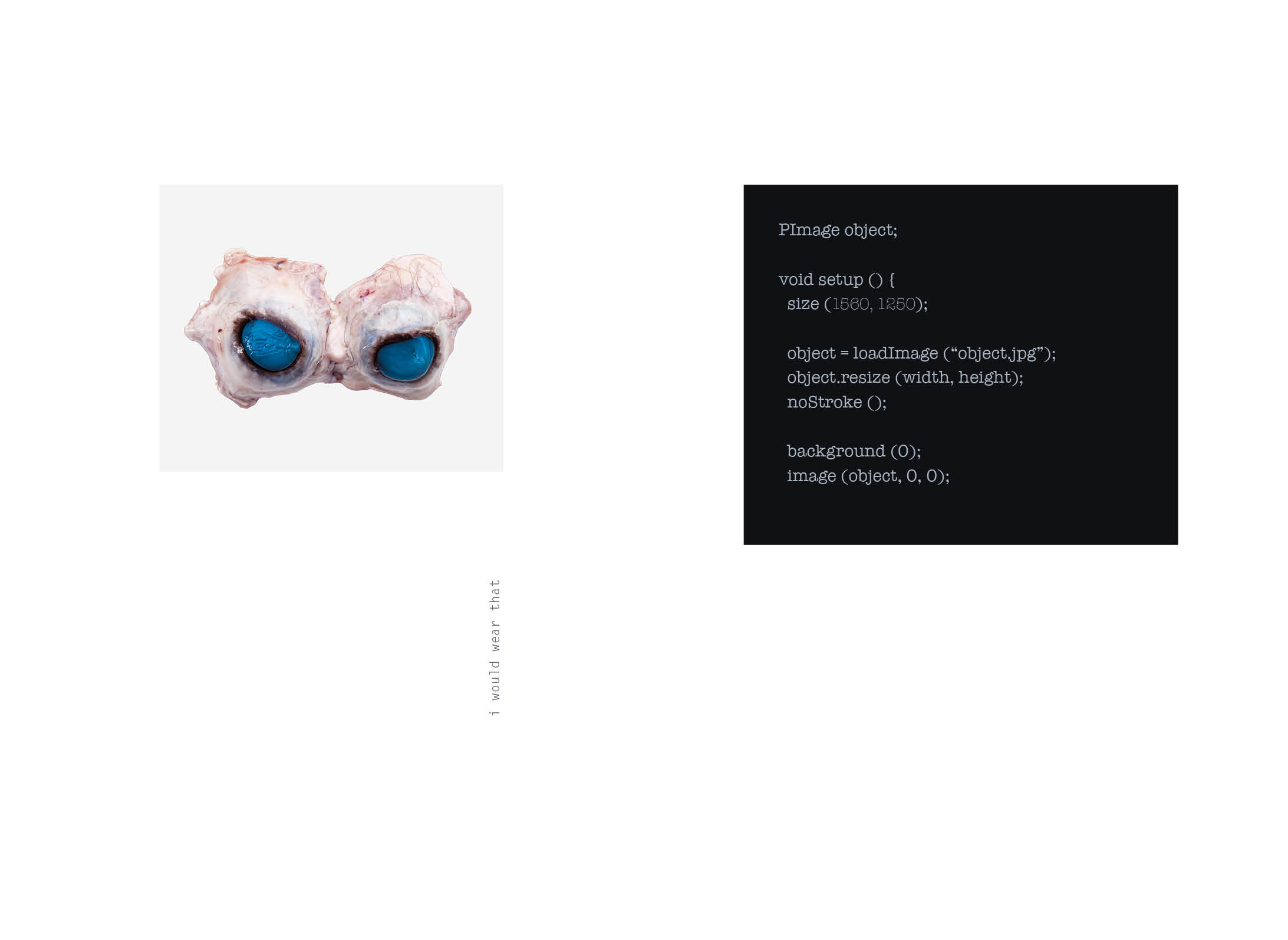
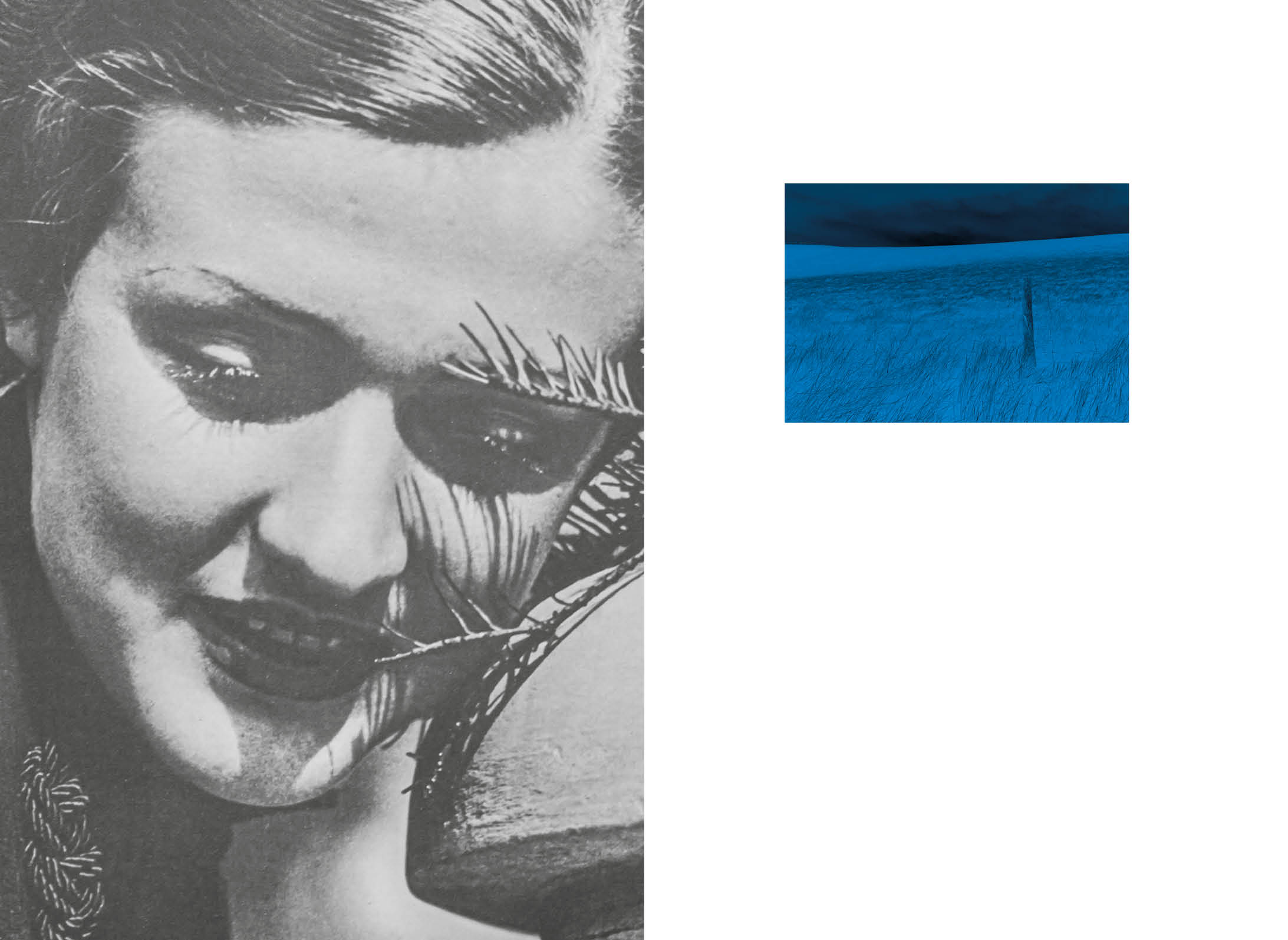
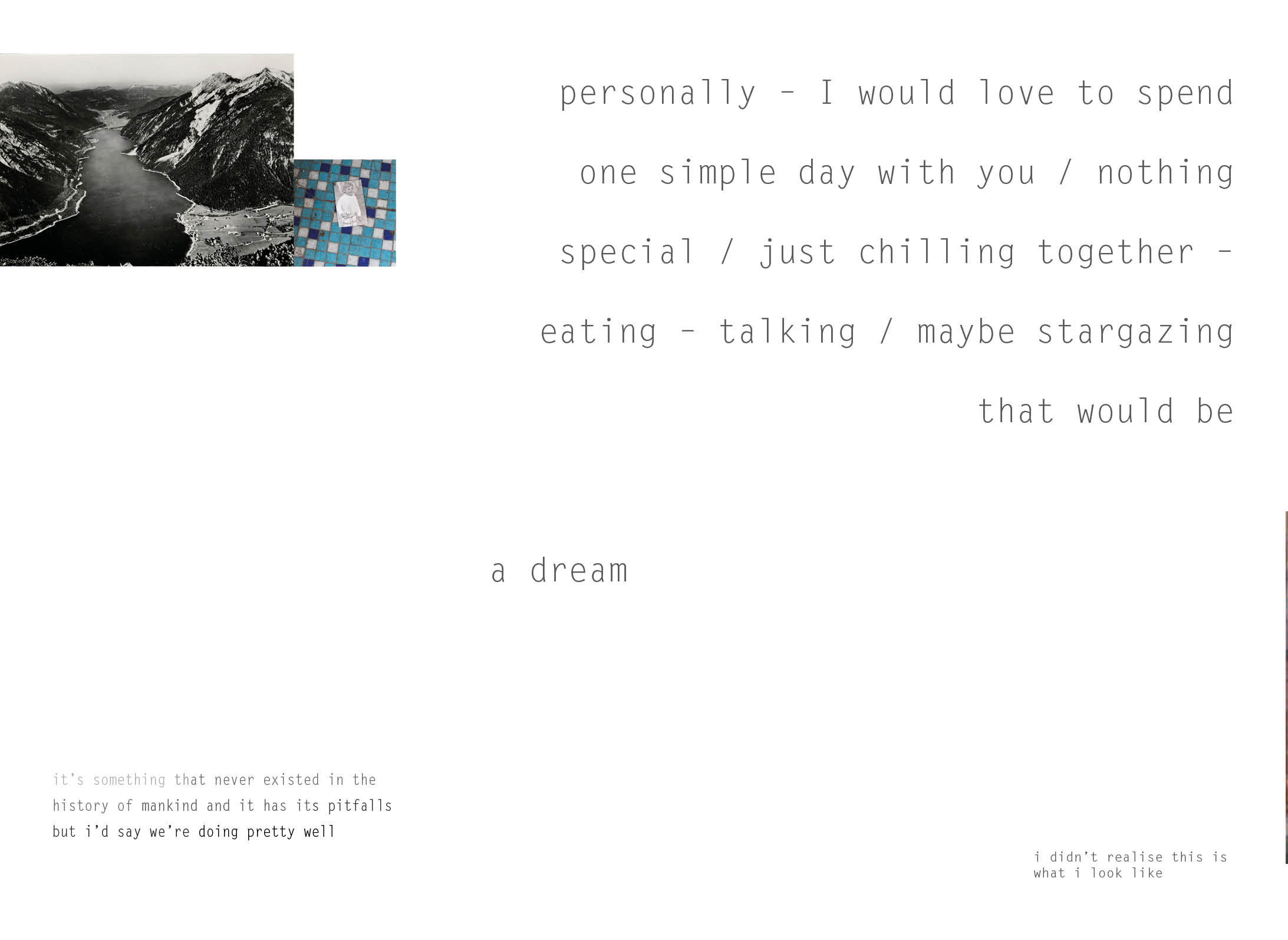
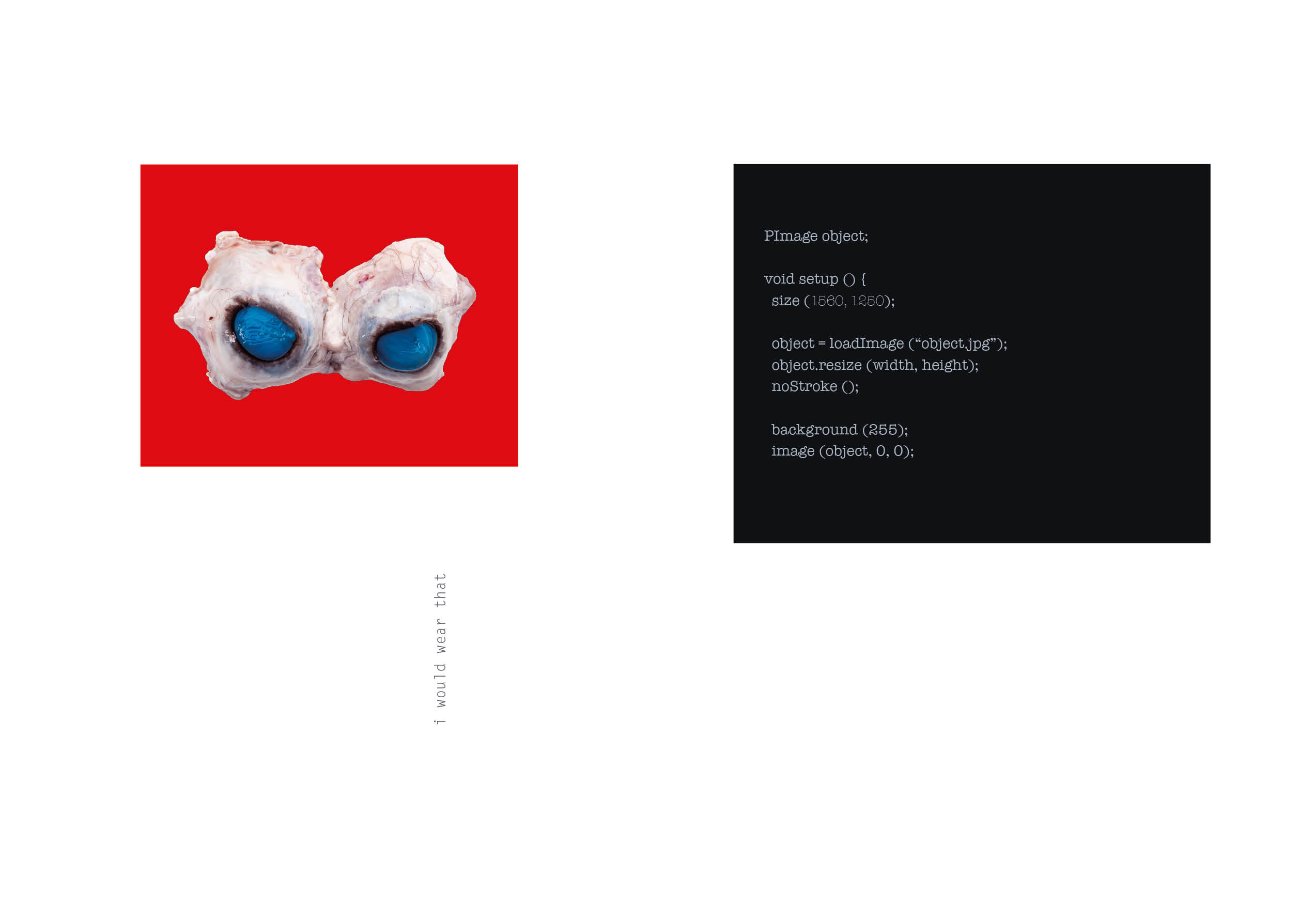
JPGs of spreads (click on individuals to look more closely)

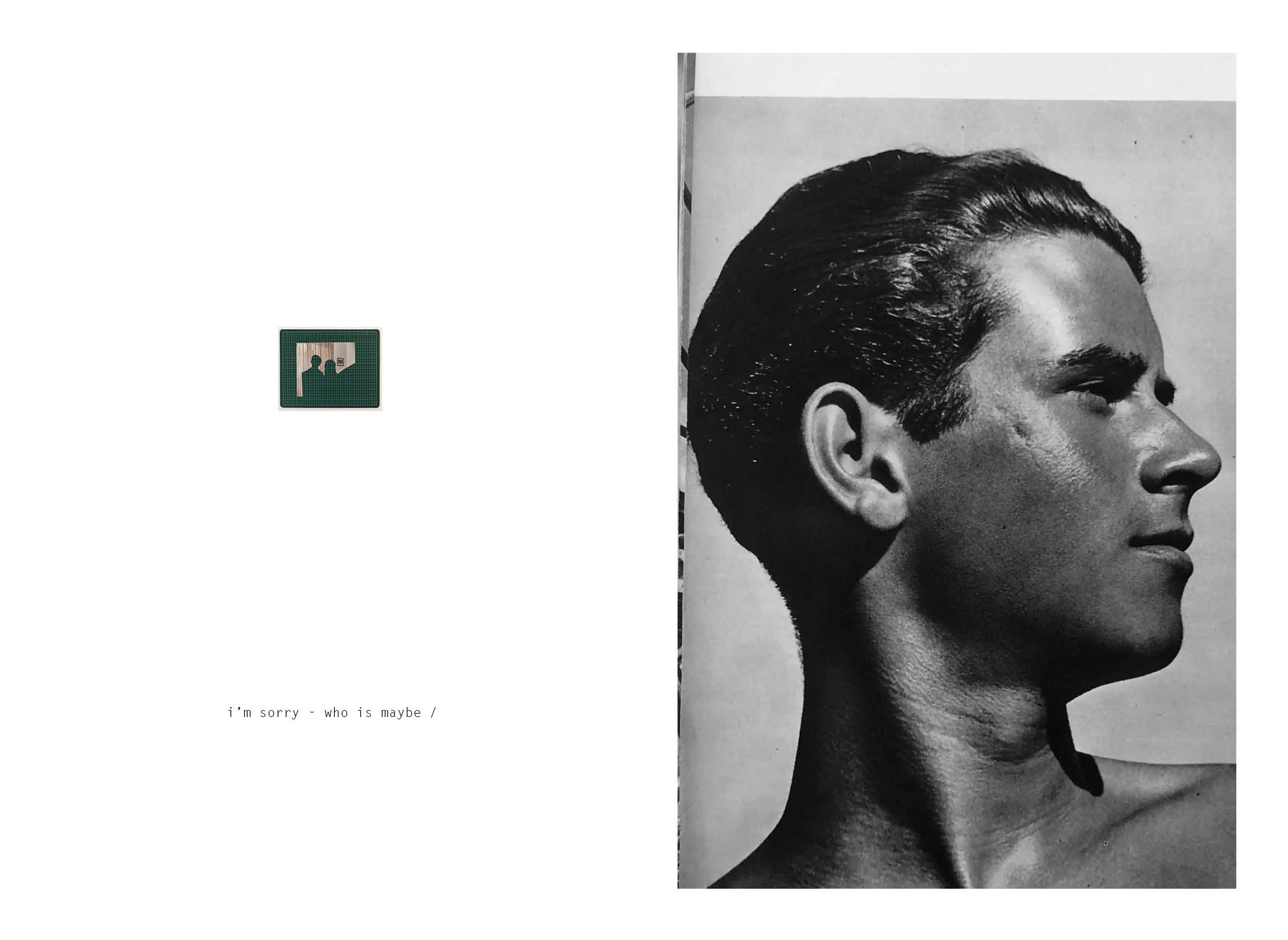
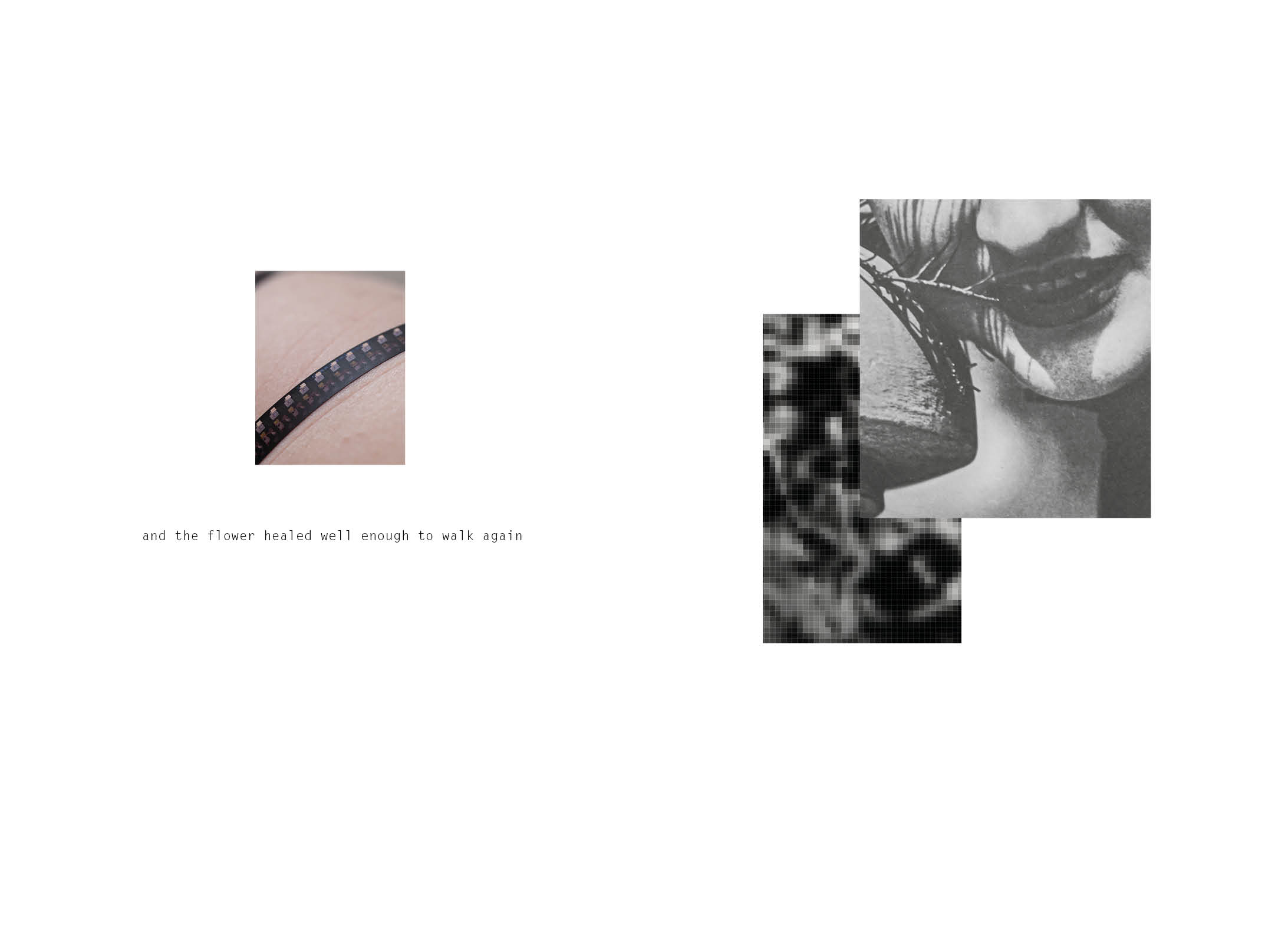
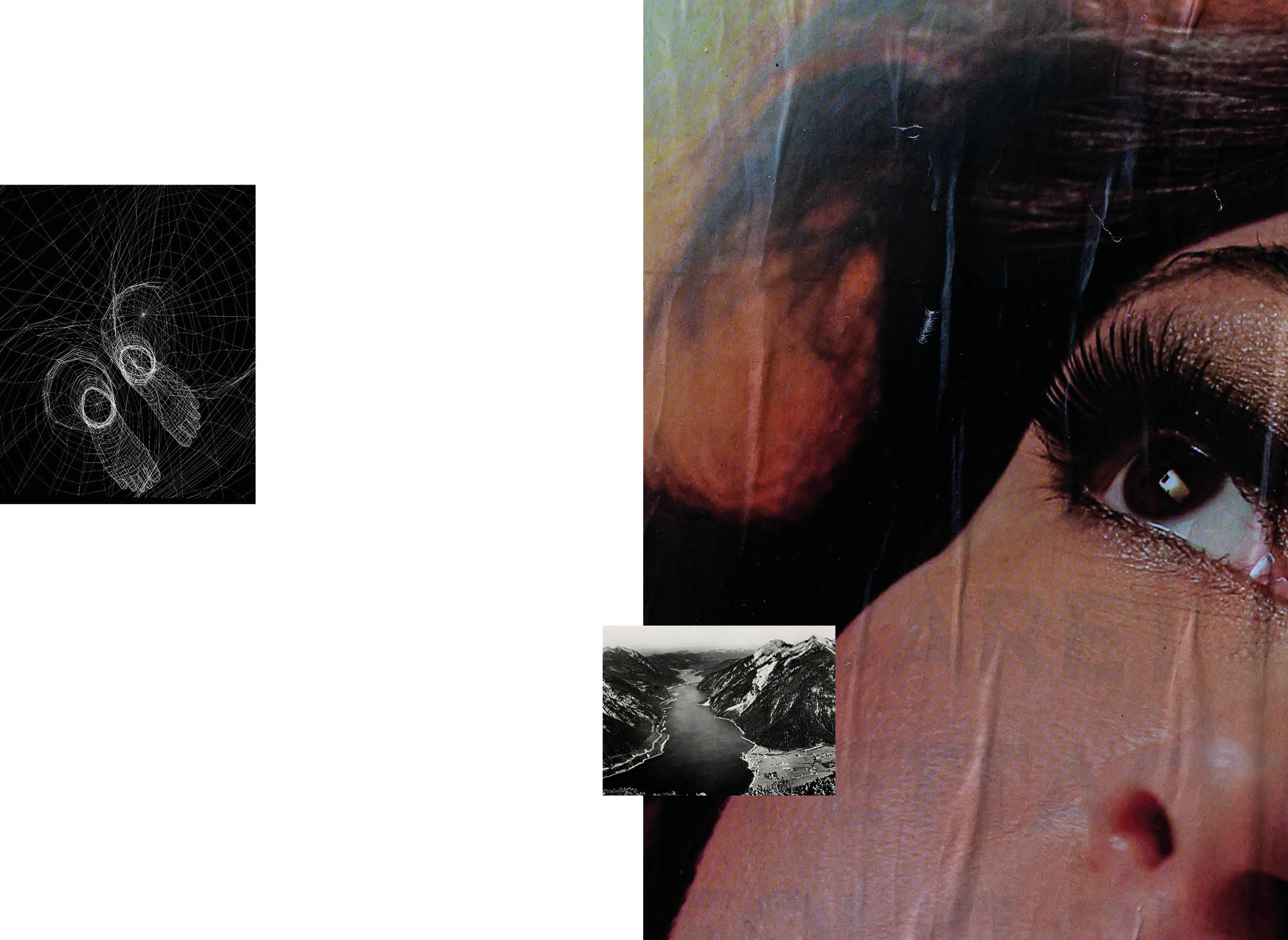
Some of the ePublication pages below are slightly or very different and designed to be viewed as a dynamic online object. A few items are animated and the gatefold I was so keen to have in the offline version (but had to forgo due to budget) has been maintained although online it renders simply as a larger page than the others. There is also music.

BOW A5: … a field of flowers…connections

A series of slides I am likely to use in a short video to send in for assessment. I have written three posts under the heading of Pre-assessment Reflections – however, I think I will remove the second one altogether as its too long and doesn’t add enough – and use the video for that page instead.

  1. why is there an astronaut in a field of flowers and other works (Field, 2014-2020)
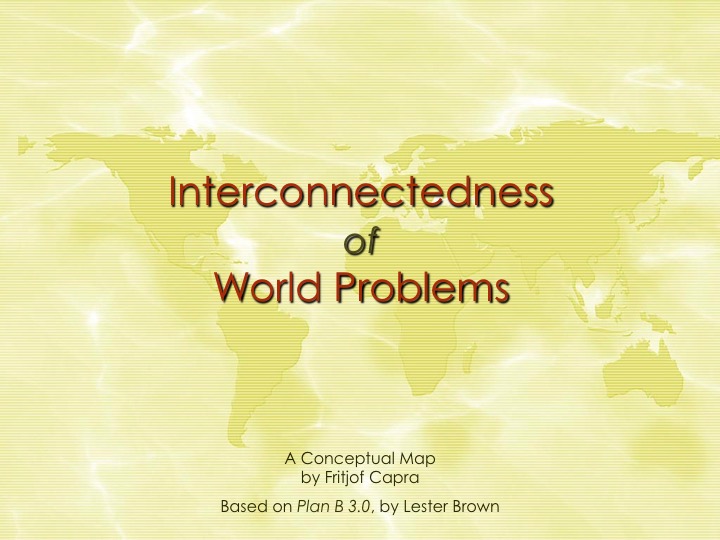
  2. Capra and Luisi – the interconnectedness of world problems
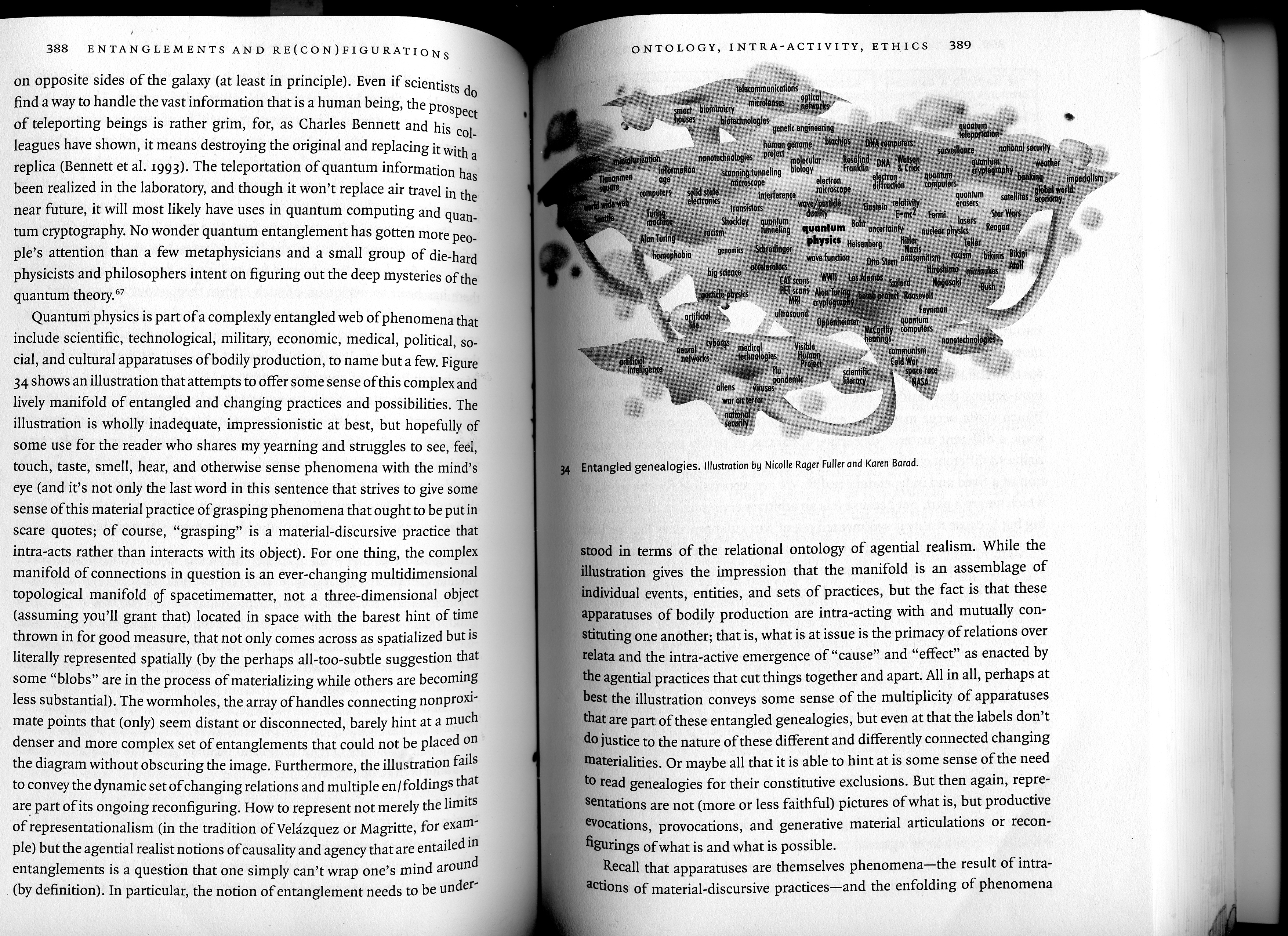
  3. Barad, 2007:389 – Genealogy of entanglement
  4. Richard Giblett Recent work : 2006-2009 Represented by Galerie Dusseldorf 21. Mycelium Rhizome, 2009 Pencil on paper 120 x 240 cm Collection of the artist Represented by Galerie Dusseldorf

CS: Information management and technology LO4

I have not written about the way I managed information and research for my essay but one of the Learning Outcomes stipulates we should demonstrate if and how we used applications to support our work – so here it is.

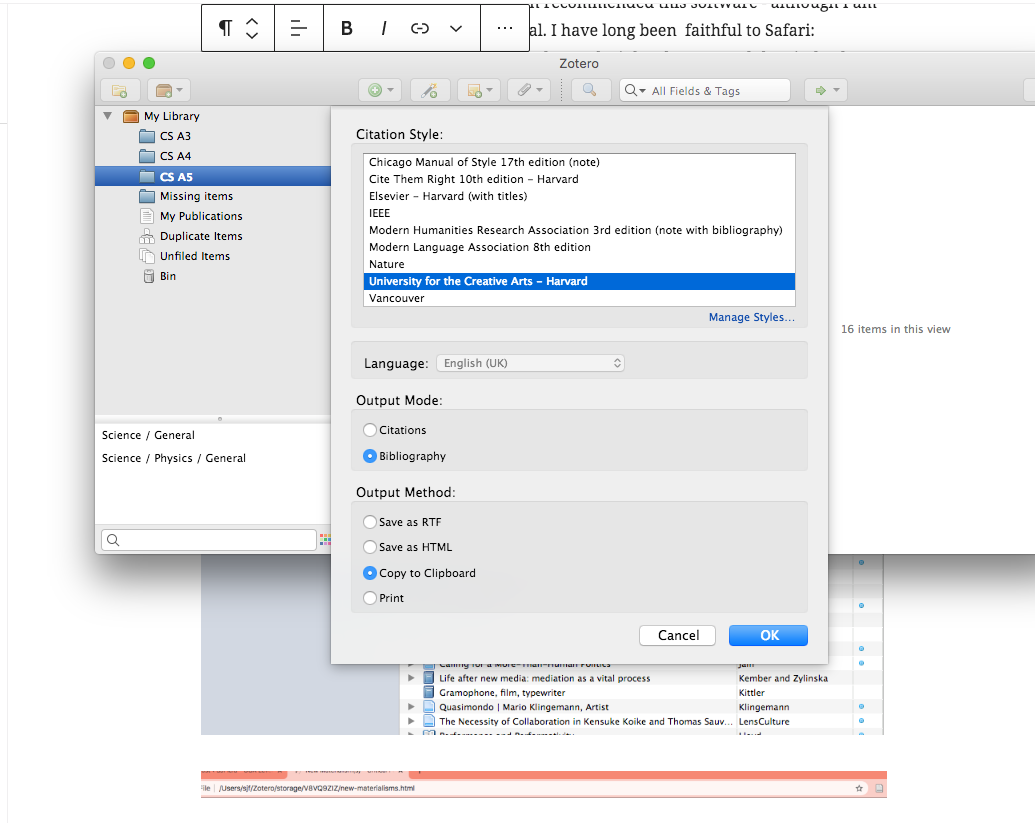
Zotero: Without Zotero, I would have found managing the overwhelming number of texts challenging. I was very pleased to have been recommended this software – although I am certain I did not make use of its full potential. I have long been faithful to Safari – however, so many coders seemed determined to make it hard to use and they indeed don’t help themselves. Zotero cannot be integrated with Safari, so I have gradually moved over to Chrome which can be, meaning you can simply click on a button in Chrome while looking at a webpage and it will store the information available – although, you must double check it’s all there and sometimes do a little bit of digging yourself. It was nevertheless very useful and saved a lot of time, especially when it came to compiling the bibliography (see last Zotero screenshot below, click on them to view).

Google docs

I have always used Microsoft Word but have lately found Google Docs more useful especially when receiving feedback, help with proofreading or citations style. As much as I’d like to avoid being a slave to Google – I have been grateful for its usefulness and suspect I will use it more and more if I continue academic study. I have made full use of its sharing documents facility.

WordPress blog

My blog and writing is extremely important to my process. One of the difficult things with this is reconciling the blog’s dual function as my digital note book and a means of presenting my ongoing development to others (tutors/students). Nevertheless, over the last few years, I have learned to label posts helpfully (although still sometimes forget) and use tags and categories. I suspect my menu-management is probably quite unnecessarily labour intensive and I can’t help thinking there must be a better way – however, I move certain posts into sections so they can be easily found rather than simply relying on categories that will pull up a string of related posts. The recent updates on WordPress will take time to get used to but I think there are some more helpful ways to store and track information available now. (Click in screenshots to view.)

Notes on my phone

I use the notes facility on my phone a great deal – making notes on the train, at night, storing things links etc.

Finally, I am aware that there are other apps designed to help store information, and file and categorise it, such as Mendeley. But I have found the system I using fine and am not sure I can cope with any more apps – although I still do sometimes read things and then wish I’d stored it as can’t recall what or where I might have seen it – which is frustrating. However, the more I get into the habit of recording links/making screenshots, the less that happens.

Grammerly and Outwrite

I use the free versions of both the above writing checkers on different platforms (even then, I make plenty of mistakes, but they are both super useful for me and probable undiagnosed dyslexia). I paid for a month’s subscription for Outwrite while going over the essay in the last few weeks. I find Outwrite more reliable. However, even then, I often don’t see mistakes until I look at a published document on a handheld device and have to do a final edit again.

Social Media

God, I hate Instagram. It’s awful. It’s reductive, superficial, cliquey and addictive. If it were not for this course (and my dying photography business – not much call for event photography and corporate headshots in the time of a highly infectious killing disease), I might have abandoned it altogether before now. However, both those needs keep me involved. A year or so ago, I set up a new IG account with my actual name attached (previously it was simply my initials). I had been using it to promote commercial stuff but not with the same commitment I approached IG with back in 2014/5 (when I was depressed so social media provided a good hidling place – ironically). At the beginning of lockdown I deleted anything too twee from it and started using it exclusively. I have played the social media game in the past but it takes up too much time and energy and there are better things to be doing with my time. Neverthless, I have been using it more energetically in the last few weeks to try and promote my not terribly commercial project for the sake of SYP. I use this is a promotional tool as I prepare for the final module. I should also start using my Sketchbook WordPress more too as that is good for generating views/SEO/directing people to your website/SM (it doesn’t strip exif data which other sites do). I am not so good with Twitter but am trying and have tended to use FB for commercial promotion (headshots, kids’ pics, corporate), but since that has died, I will likely use it to promote this work more.

https://www.instagram.com/sarahjane.field/

BOW A2: this family too

I am submitting a zine called this family too as part of the final project as I have included images and references from this work in the overall project, why is there an astronaut in a field of flowers, demonstrating the entangled approach I was aiming to explore. The zine also aims to investigate the deep and seismic structural change we are currently living through. In addition, preparing this zine ended up being a useful practice for the following project.

You can read about the journey in A2 reconfigured and another post which I wrote for the OCA blog.

See the relevant section on my blog for more details and process.

Contextual Studies Extended Essay

This is an offline version of the extended essay and does not show images which I do not have permission to show. A copy of the essay with all images is included in the GDrive for assessors. [Added December 2020 – there are some typos in this online version, please contact me for the submission copy supplied for assessment if required.]

CS: Extract

In the age of entanglement

Photography discourse is littered with opposing statements such as ‘photography is more important than ever’, or else it might be ‘dead and irrelevant’. Are proclamations such as these becoming as questionable as the West’s mechanistic view of reality, which arguably tends to foster such binarised positions? If the West’s historical paradigm, dominated by isolated objects, people, and places, spread across the planet and universe were receding, and instead, reality increasingly perceived as emergent, dynamic, multi-dimensional, and rhizome-like, how would photography fare?

Drawing on Karen Barad’s agential realism, a synthesis of quantum science and poststructuralism, the ensuing discussion results in more questions than answers. The challenge is compounded because we are also invariably constrained by a “Cartesian habit of mind” (Barad, 2007: 49) which informs our imaginations, language and academic conventions. Barad’s phenomenologically informed philosophy urges us to review our ethical relationship with the universe. Their thesis challenges boundaries we assumed were fixed, including those photography has relied upon to promote itself even when claiming to challenge the status quo. While describing some tenets of agential realism, focusing in particular on the phenomenological nature of existence and Barad’s use of the word entanglement, work by a variety of practitioners is examined in an effort to make sense of apparently contradictory statements by well-regarded and oft-quoted theorists about the photographic image today. How can Michael Fried’s (2008) assertion, photography matters as art as never before remain valid alongside Daniel Palmer’s (2014:144) statement, photography as we once knew it is practically over? Could both be true simultaneously in an entangled world? Will photography escape its Cartesian origins as it evolves into ‘image-making’ in a digital universe? The possibilities undoubtedly demand a deeper discussion than the stipulated 5000+/- word limit allows for, however, the paradigm described above presents image-makers of all persuasions with conundrums that increasingly cannot and should not be ignored.

SJField 2020

BOW A5: Printing issues

As I have mentioned in recent posts, I had little choice but to change the printing plans relatively recently. Despite the fact it was a reactionary decision, this change has led to feeling a lot freer with the content which seemed a bit constrained. I aim and hope to be able to plan more, perhaps raise money and offer a higher quality object with the original fold outs I envisaged, during SYP – and the written piece which I now have planned for the website may also end up in a secondary publication. The other outcome of this forced letting-go is the possibility of allowing the work to become a performance of some kind. This relates what I have now back to earlier ideas when I was toying with the idea of referring to the publication as a ‘script’ on the front page (a play on words) and one of the objects which inspired its development.

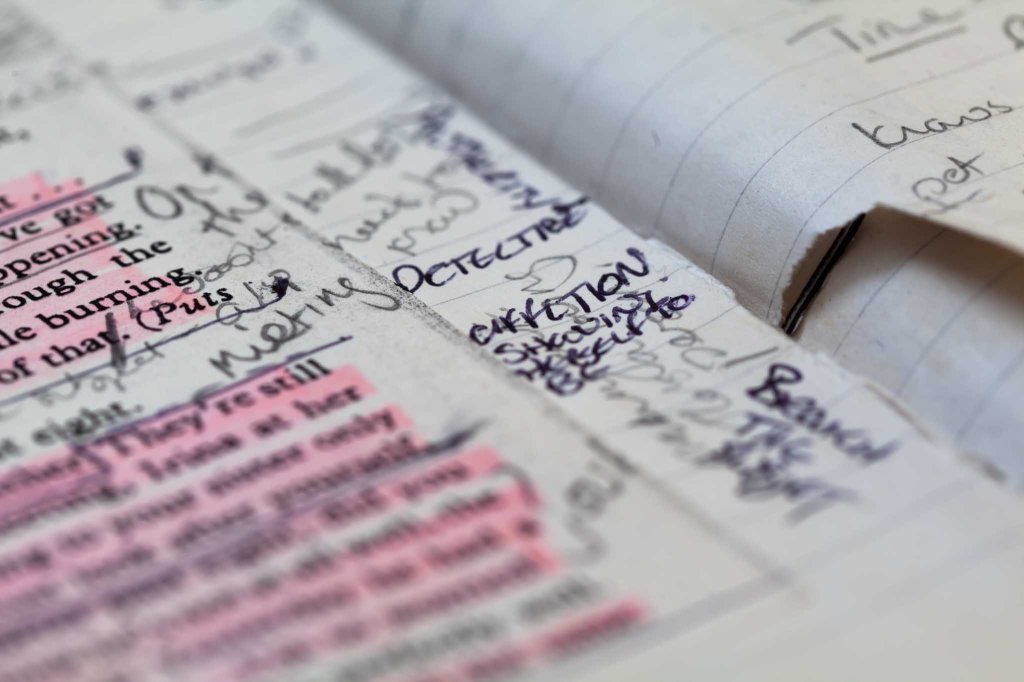
A working script from days as an actor was one fo the first inspirational objects for the BOW

That isn’t to say what I have now is unfinished – it is a pause with specific objects that are valuable in their own right. It’s a presentation that works for the time consisting of a printed publication, an online one, moving images and text. The printed version is a compromise but perhaps the tighter limits were good for the process.

After deciding that the original plans were out of my price range at this time, I have sent an updated version to Newspaper Club to print a test.

This is one of those times where I really regret not having access to a university print room. The choice of papers is obviously limited, however, such limits can contain you and as before when I’ve used newsprint, the democratic message that the work becomes inevitably imbued with fits very well the underlying themes. And NewspaperClub have been fantastic as ever, allowing me to opt for an older larger size (which I accidentally stumbled upon) and explaining everything so patiently.

But I had not designed this with newsprint in mind so it has been crucial to see a test print. You definitely see things differently when the object is in your hand and not a collection of pixels. I am immensely grateful that the test costs so little with NC and you are offered a voucher to subtract from the sum of a print run so in the end it’s free if you go ahead with them. However, the test for a mini newspaper which is slightly bigger sized zine is not sequenced correctly and printed as if it’s a tabloid. So you don’t get to the see the spreads as they would be or the sequencing but you do get to see how the colours work or don’t. But I noted the following and will be making adjustments:

  • Some of the darker images need vibrancy and colour boosting, perhaps some black lowered and a bit of lightening.
  • The lighter and colour images work well on the paper.
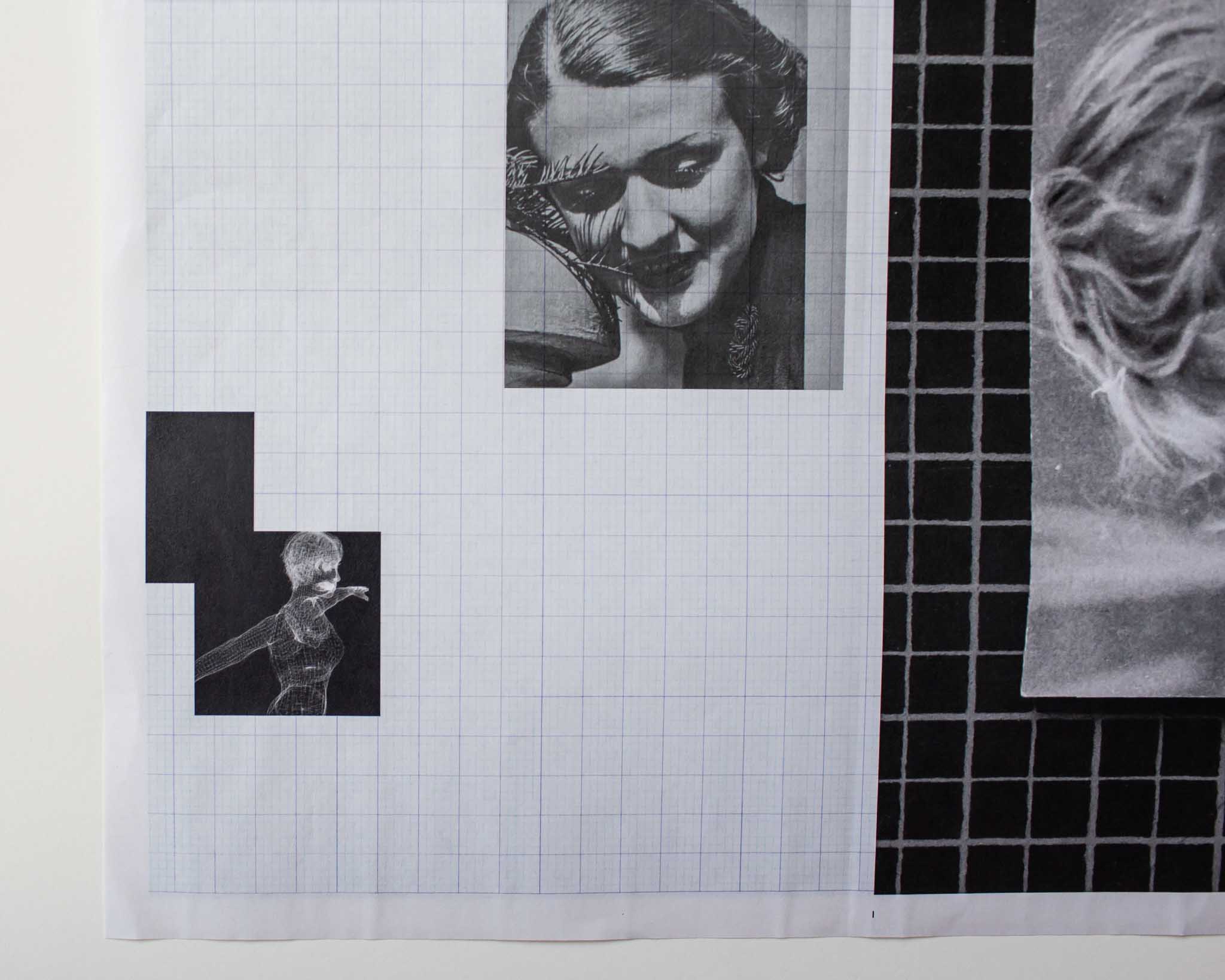
  • I really like the way the graph reproduction comes out in this paper as well as the re-photographed interference of the screen.
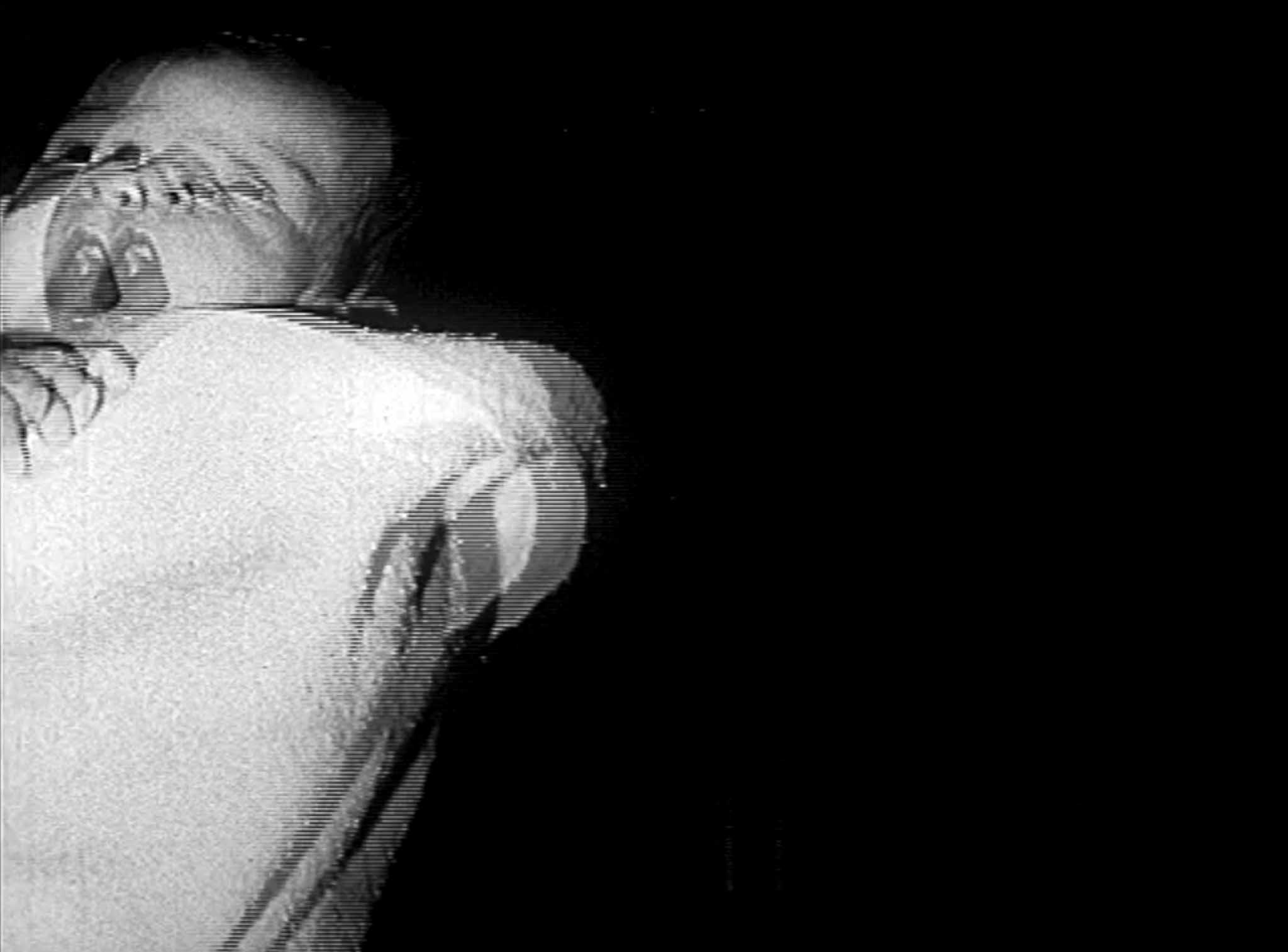
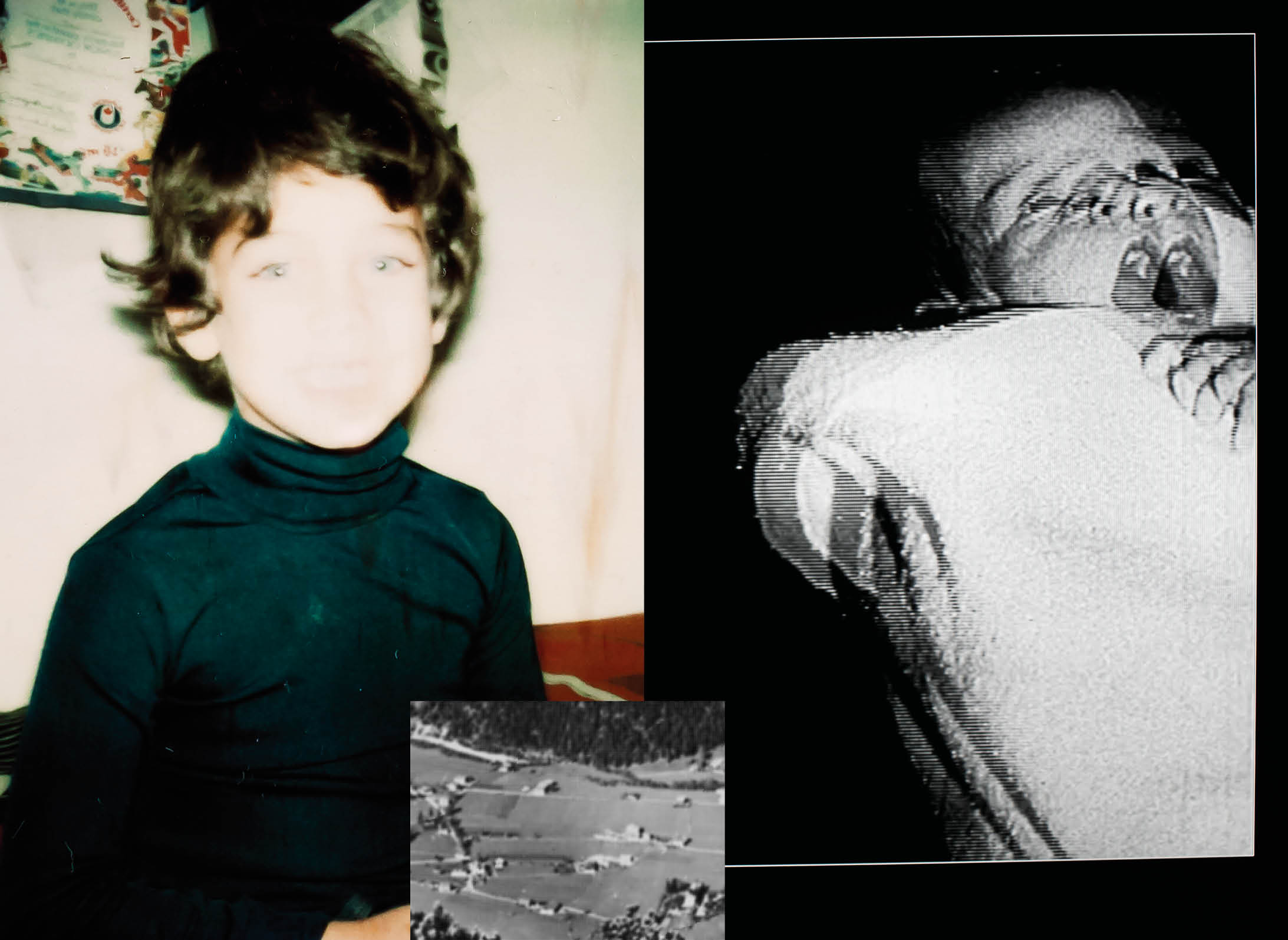
  • Saying the that, the screen image of the boy doesn’t work at all and I will delete it entirely.
  • If I were to make some form of exhibition with this work, I would like to to able to give away or sell for cost a newsprint version of the work and perhaps sell higher quality books – however, I want to look into print on demand options.

    I may well end up using this limited run in my PR during SYP.